
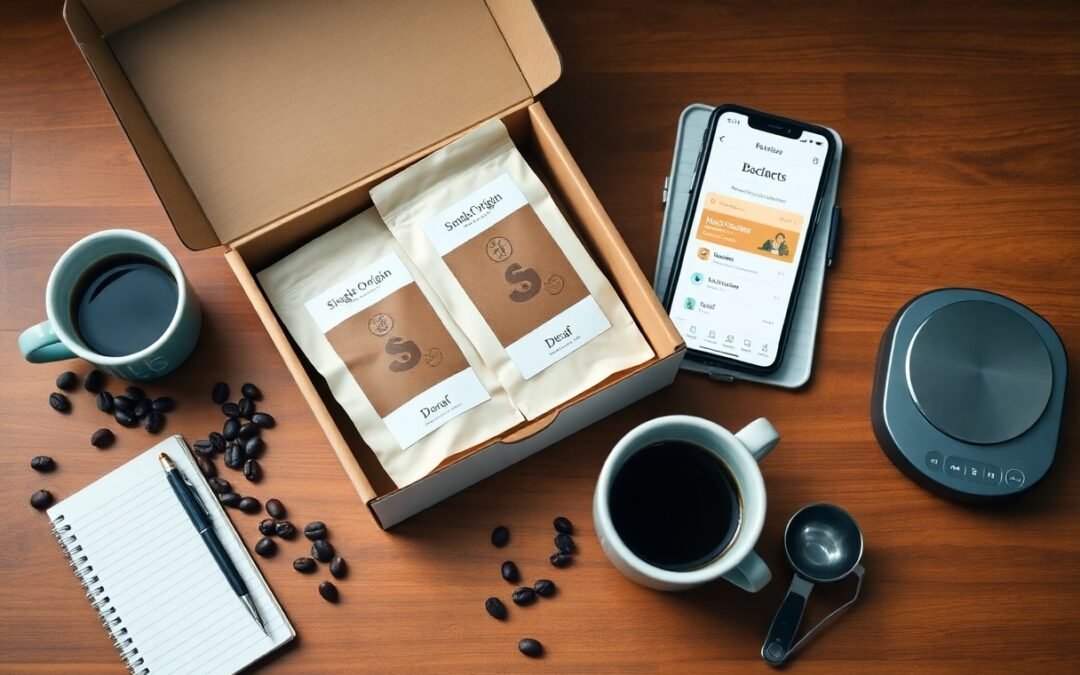
Coffee choices matter: this guide helps you match roast, origin, grind, and delivery frequency to your palate and routine so you can pick a specialty subscription that fits your taste and budget.
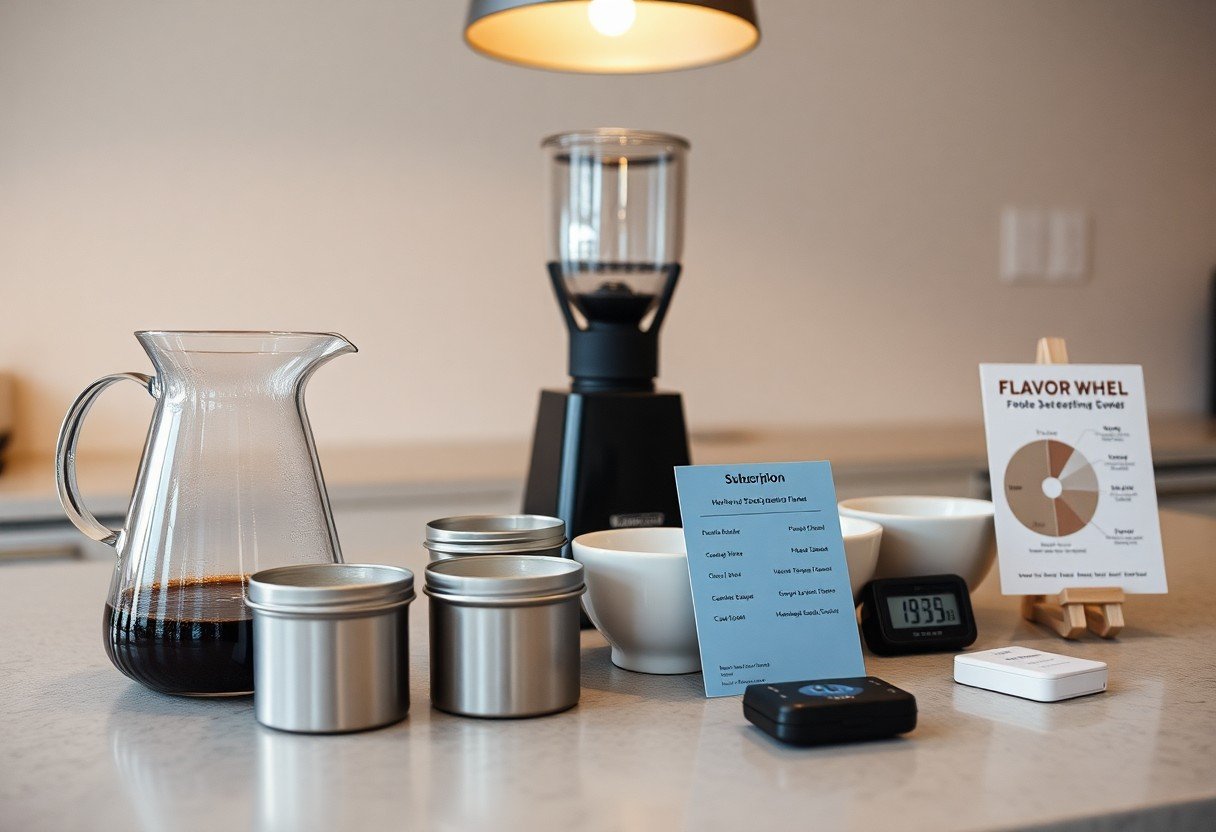
Key Takeaways:
- Match your subscription to taste profile and brew method-select roast level, single-origin versus blends, and grind options that suit pour-over, espresso, or drip.
- Prioritize freshness and transparency by checking roast dates, origin and processing details, tasting notes, and roaster reputation for small-batch practices.
- Choose flexible plans with sample boxes, customization of grind and frequency, easy skip/cancel policies, and clear pricing so you can refine choices with trials and reviews.
Critical Factors for a Personalized Coffee Experience
Consider how roast level, origin, and your preferred brew method shape the cup you crave; choose subscriptions that let you specify roast style, single-origin vs blend, or offer sampler flights so you refine preferences over time.
Evaluate features that directly affect personalization:
- Roast options and roast date transparency
- Origin choices and single-origin offerings
- Grind settings and packaging for freshness
- Tasting notes, sample packs, and education
- Flexibility to pause, swap, or adjust orders
This guides you to a subscription that matches both taste and routine.
Identifying Flavor Profiles and Processing Preferences
Match flavor notes you enjoy-bright citrus, red fruit, chocolate, or nutty undertones-with processing styles like washed, natural, or honey so you receive beans that consistently align with your palate.
Assessing Delivery Frequency and Volume Requirements
Plan shipment cadence around how much you brew weekly, factoring in guests, cold brew needs, and storage so beans arrive at peak freshness when you open them.
Estimate your monthly consumption in grams and select bag sizes and intervals that prevent both running out and letting beans go stale; prioritize plans that let you scale up or down easily.
Monitor your inventory and take advantage of pause, skip, or auto-adjust features the subscription provides so you maintain supply without waste and keep quality consistent.
Analyzing the Pros and Cons of Subscription Services
Pros vs Cons
| Pros | Cons |
|---|---|
| Convenience of regular deliveries | Higher cost per pound than bulk buys |
| Curated selections introduce new beans | Possible mismatch with your preferred profiles |
| Fresh roast-to-ship timelines | Inventory can accumulate if frequency is off |
| Flexible frequency options | Subscription fees or minimums |
| Expert sourcing and tasting notes | Limited control over exact origin or lot |
| Gifting and sampler options | Shipping delays affect freshness |
You should weigh convenience, curated discovery, and guaranteed roast dates against price and potential inventory mismatches to decide if a subscription fits your routine and budget.
The Benefits of Variety and Guaranteed Freshness
Choosing a subscription lets you try rotating micro‑lots and single origins so you refine taste quickly while receiving beans close to roast date, which preserves aroma and flavor for better daily brews.
Potential Limitations in Cost and Inventory Control
Subscription plans can carry a premium and may deliver more than you consume, so you must monitor frequency and portion sizes to avoid waste and unnecessary expense.
Consider pausing, reducing frequency, or switching shipment sizes, and select roasters that display roast dates and offer easy pauses so you keep costs aligned with consumption.
Step-by-Step Process for Selecting Your Ideal Match
Start by listing your favorite flavor notes, roast levels, and preferred brew methods so you can focus subscriptions that match your palate.
Compare roast dates, sourcing transparency, subscription cadence, and bag sizes to avoid surprises and align shipments with your consumption.
| Step | Action |
|---|---|
| Profile | Identify flavor notes, roast preference, and brew method |
| Quantity | Estimate daily grams to select bag size and frequency |
| Equipment | Match grind options to your grinder and brewer |
| Trial | Use sample boxes and customization to test fit |
Auditing Your Brewing Equipment and Daily Consumption
Assess your grinder type, espresso vs pour-over needs, and whether you require whole bean or pre-ground to ensure subscription formats suit your setup and minimize waste.
Evaluating Trial Offers and Customization Flexibility
Test trial kits and single-bag purchases to confirm roast profile and freshness, and check cancellation and swap policies so you can pivot quickly if a roast misses the mark.
Consider how much control you get over origin, roast level, grind size, and frequency; flexible swaps and easy skips let you refine the subscription without excess coffee piling up.
Conclusion
Now you can choose a subscription by matching roast level, origin, and grind to your routine, focusing on flavor profile and delivery frequency. Use sample boxes and adjustable plans to refine preferences without long commitments.
You should read reviews, check sourcing transparency, and consider freshness guarantees to ensure reliable quality. A well-chosen plan saves time and delivers coffee that fits your taste and daily habits.
FAQ
Q: What are the most important factors to consider when choosing a specialty coffee subscription for my taste?
A: Your taste preferences should guide most decisions: identify whether you prefer bright and fruity, chocolaty and sweet, or rich and smoky profiles. Consider roast level, origin, processing method, and bean variety because each affects acidity, body, and flavor notes. Think about your brewing method and whether you need pre-ground coffee or whole beans tailored to that method. Check roast dates, bag size, and shipping cadence to ensure freshness and that you won’t run out or waste coffee. Look for subscriptions that offer customization, tasting notes, and easy plan adjustments so you can refine selections over time.
Q: How do roast levels influence flavor and which roast should I choose?
A: Light roasts highlight origin character with higher acidity, floral and fruity notes, and more perceived complexity; they pair well with pour-over and Aeropress. Medium roasts often balance acidity and sweetness with caramel, nutty, or cocoa tones and suit drip and espresso. Dark roasts reduce acidity, increase body, and bring bittersweet or roasty notes that work well for milk-based drinks and traditional espresso. Try a few roast levels in small quantities to learn which profile matches your palate and brewing routine.
Q: Should I choose single-origin beans or blends?
A: Single-origin coffees showcase flavors tied to a specific country, region, or farm, offering distinctive and sometimes experimental tasting experiences. Blends combine beans to create balance, consistency, and a predictable cup, which benefits daily drinkers who want the same profile each roast. Seasonal single-origin releases make good tasting projects, while blends make reliable house coffees for espresso bars or regular morning cups. Choose subscriptions that let you alternate or sample both styles if you value variety and consistency.
Q: How important are roast date, packaging, and grind options for freshness?
A: Roast date is a practical freshness indicator; aim for coffee roasted within the past two to four weeks for peak flavor, especially for lighter roasts. Airtight packaging with one-way valves preserves freshness by releasing CO2 while preventing oxygen ingress. Whole beans stay fresher longer than pre-ground coffee, but many subscriptions offer custom grind settings if you need ground coffee; match grind to your brew method and order smaller bags if you buy ground. Store coffee in a cool, dark place and use it within two to three weeks after opening for best results.
Q: How can I test a subscription without committing long term?
A: Look for subscriptions that offer sampler packs, introductory boxes, or one-off orders so you can taste multiple coffees without a long contract. Choose flexible plans that allow skipping shipments, changing frequency, or canceling anytime. Use small bag sizes or single-origin mini-sets to compare roast levels, origins, and processing methods. Read customer reviews and check whether the roaster provides clear tasting notes and grind options to reduce guesswork during the trial period.
Q: How do origin, varietal, and processing method affect flavor?
A: Origin influences flavor through soil, altitude, and climate; high-elevation coffees often show brighter acidity and more pronounced floral or fruit notes, while lower-elevation beans can present heavier body and earthy tones. Varietals (heirloom, bourbon, caturra, etc.) carry genetic traits that influence sweetness, acidity, and aromatics. Processing method changes the cup dramatically: washed coffees tend to be cleaner and brighter, natural-processed coffees often show more fruit and fermentation-derived sweetness, and honey processing sits between those profiles with balanced sweetness and body. Match these characteristics to the flavor direction you prefer.
Q: How should I balance price, quality, and ethical sourcing when choosing a subscription?
A: Higher prices often reflect specialty grades, small-lot sourcing, and direct trade or microlot relationships with producers, but high cost does not guarantee a flavor you’ll enjoy. Look for roasters that publish roast dates, origin details, farm or cooperative information, and transparent pricing models to assess both quality and ethics. Certifications such as organic or fair trade provide signals but also check for direct trade or farm partnerships for greater traceability. Calculate per-cup cost by dividing bag price by number of expected cups and compare that to value provided by freshness, flavor, and sourcing practices.