
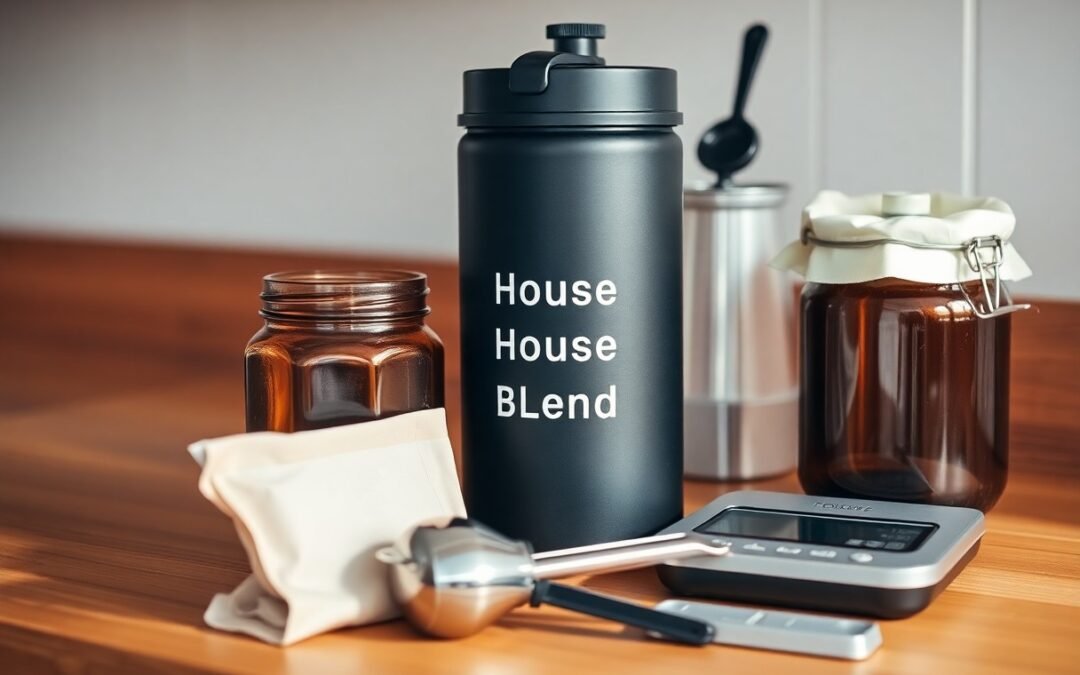
Most coffee drinkers recommend that you keep your house blend fresh by storing beans in an airtight, opaque container in a cool, dry place, buying small batches, avoiding the fridge, and grinding just before brewing.
Key Takeaways:
- Store beans in an airtight, opaque container with a one-way valve in a cool, dark cupboard away from heat, light, and moisture.
- Buy whole beans and grind immediately before brewing; buy small batches to finish within 2-3 weeks of roast for best flavor.
- Avoid refrigerating; freeze only for long-term storage in sealed portions and thaw fully before opening to prevent condensation.
The Primary Enemies of Coffee Freshness
Air, moisture, heat and light strip volatile oils and aromas from beans, so you must treat storage as protection rather than mere containment; choose cool, dry, dark spots and small batches to keep flavor intact.
Oxidation and Air Exposure
Oxidation occurs when oxygen contacts beans, breaking down aromatic compounds and leaving flat flavors; you should use airtight bags or canisters, expel excess air, and portion beans to minimize repeated exposure.
Impact of Light and UV Rays
Light, especially UV, breaks down oils and transforms aroma compounds, accelerating staling; you should store beans in opaque containers and avoid clear packaging or sunny counters.
UV radiation penetrates transparent bags and jars, triggering chemical changes that dull brightness and complexity within days, so you should transfer beans to opaque, sealable containers immediately after opening.
Selecting the Optimal Storage Vessel
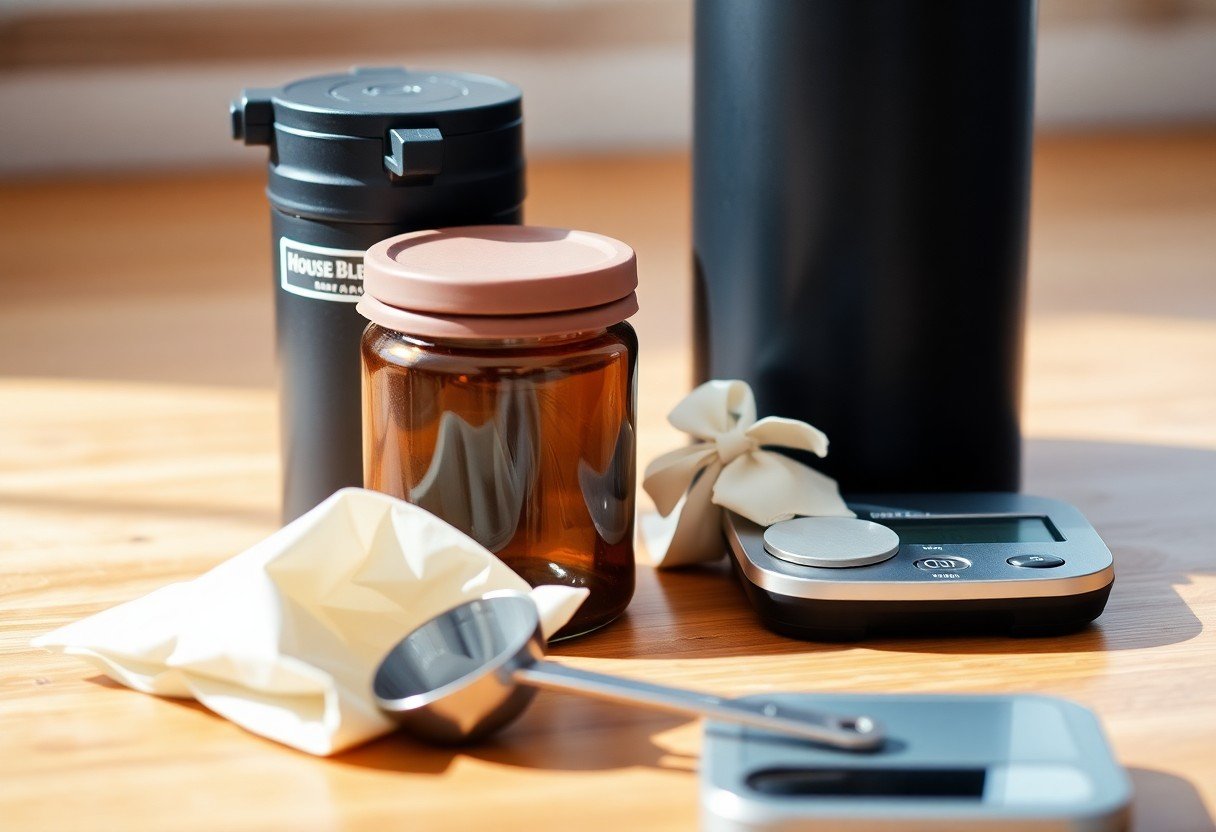
Choose an airtight, opaque container so you limit exposure to light, heat and moisture; consult How to store coffee beans to keep them fresh for practical storage options.
Benefits of Opaque Glass and Ceramic
Opaque glass or ceramic jars block light and keep temperature steady, helping you preserve oils and aroma longer than clear containers.
Vacuum-Sealed and One-Way Valve Technology
Vacuum-sealed tins and bags with one-way valves let CO2 escape while preventing oxygen re-entry, so you can extend bean freshness after roasting.
If you buy beans in bulk, use resealable valve bags or a vacuum sealer and store portions in airtight tins to minimize air exposure each time you open them.
Ideal Environmental Conditions
Ambient temperature and low humidity help preserve oils and aromas, so you should store beans where conditions stay stable-moderately cool and dry is best for maintaining quality.
Maintaining Consistent Room Temperature
You should keep beans at a steady room temperature (about 60-75°F / 16-24°C) away from heat sources; temperature swings speed oxidation and sap flavor.
Temperature guidelines
| Action | Effect |
|---|---|
| Store at 60-75°F (16-24°C) | Slows oxidation and preserves oils |
| Avoid cabinets above ovens or near windows | Prevents heat spikes that accelerate staling |
| Keep bags sealed between uses | Maintains consistent microclimate |
Avoiding High-Moisture Zones
Place sealed containers in cabinets or pantries away from sinks, dishwashers and exterior walls to reduce humidity exposure; you should not store beans in the refrigerator where moisture and odors compromise taste.
Condensation from cold containers causes moisture that accelerates staling, so if you move beans between temperatures let the sealed bag reach room temperature before opening to prevent wetting the grounds.
Whole Bean vs. Pre-Ground Preservation
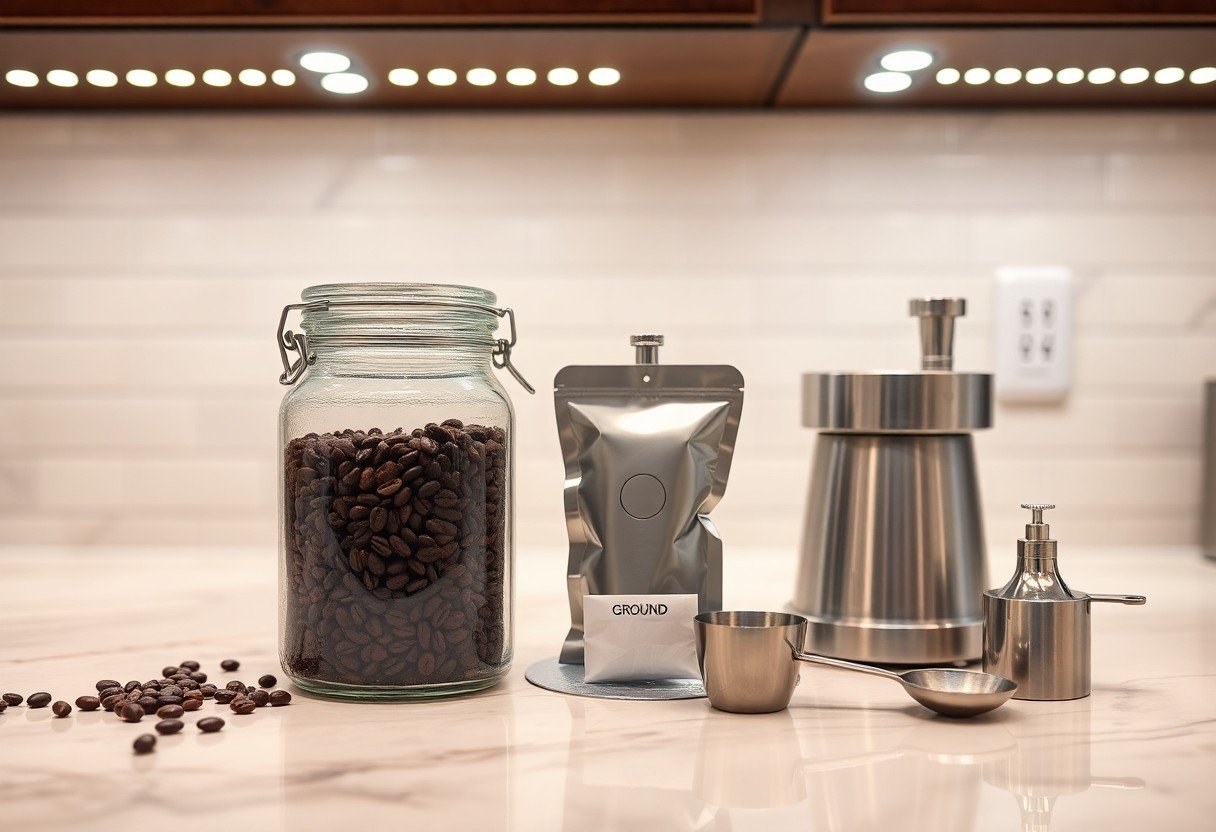
Beans preserve oils and aromatics because their intact cell structure limits oxygen exposure, so you enjoy longer shelf life and more consistent flavor than with pre-ground coffee.
Storing pre-ground coffee increases surface area and accelerates flavor loss, so you will notice muted notes within days; buy ground only for immediate use and keep containers airtight and opaque.
Surface Area and Degassing Rates
Grinding multiplies exposed surface area, speeding oxidation and degassing so aromas dissipate faster; you will lose subtle flavors within hours to days, especially with finer grinds, so match grind size to brew and minimize exposure.
The Importance of Grinding on Demand
You preserve peak flavor when you grind on demand, matching particle size to your brew method and minimizing the time volatile compounds have to escape.
Keep a small burr grinder accessible and grind only what you need for each brew; if you must grind ahead, store grounds in a one-way valve bag for the shortest possible time to slow staling.
The Debate Over Refrigeration and Freezing
Refrigeration can seem helpful, but you expose beans to temperature swings and fridge odors that draw moisture and accelerate staling, so storing opened house blend jars in the refrigerator is usually a poor choice for maintaining flavor.
Freezing preserves volatile oils if you limit freeze-thaw cycles and pack correctly; you should freeze only portioned, airtight packages and leave them sealed until you use each portion to protect freshness.
Risks of Condensation and Odor Absorption
Exposure to warmer air when you remove beans from cold storage causes condensation on the surface, which breaks down oils and dulls aroma, so avoid frequent temperature changes.
Moisture also carries odors from nearby foods, and you should use neutral, airtight containers and store frozen beans away from strong-smelling items to prevent flavor transfer.
Proper Techniques for Long-Term Deep Freezing
Packaging in vacuum-sealed or heavy-duty, airtight, opaque bags with minimal headspace gives the best protection; you should remove as much air as possible or use one-way valves for bulk storage.
Portioning into single-use amounts lets you thaw only what you need, and you should keep remaining portions frozen to avoid repeated condensation and flavor loss.
Timing your storage helps: aim to freeze for no more than about three months for peak flavor (up to six months if necessary), and always move sealed portions to the refrigerator to thaw before opening to limit condensation and preserve aroma.
Managing Inventory for Peak Flavor
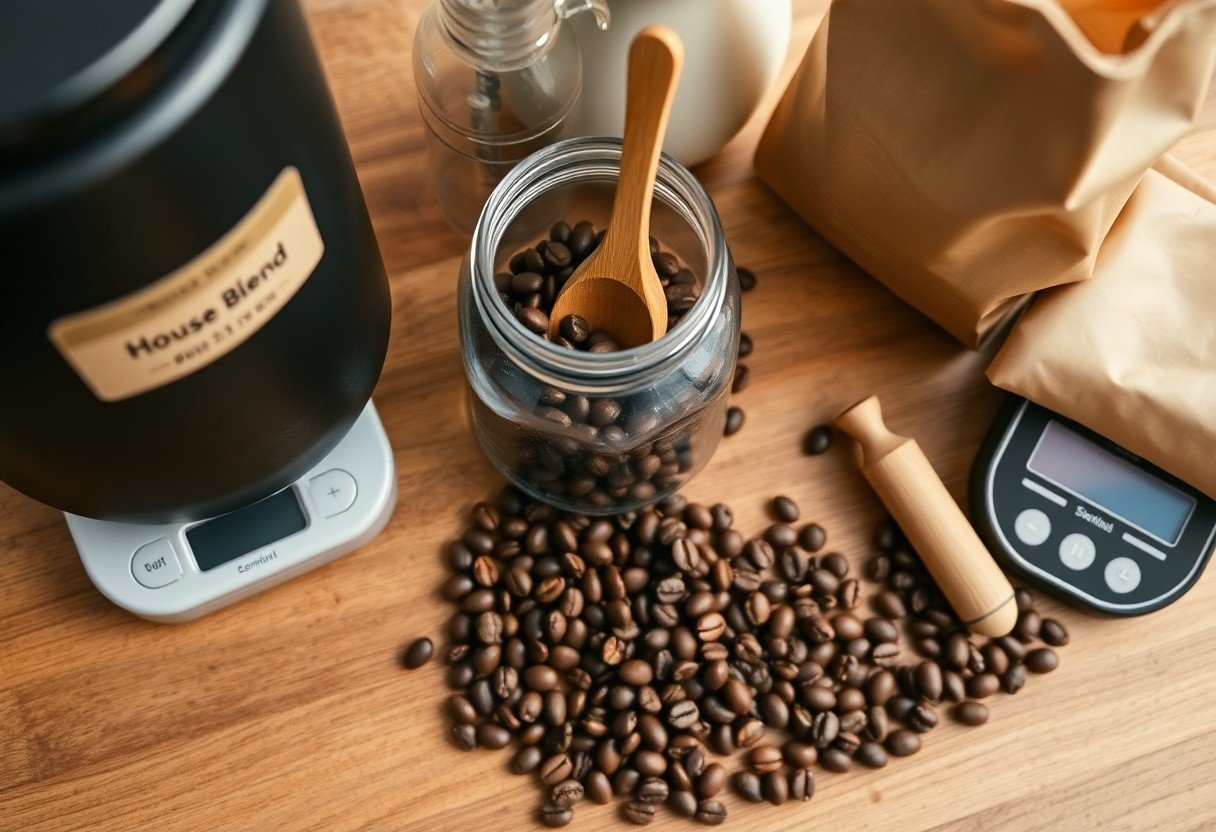
Plan your rotation using first-in, first-out so you brew beans while aromas are at their peak; you should label bags with roast dates and move newer lots behind older ones to avoid staling. You can keep a simple inventory log to track consumption rates and spot slow-moving lots.
Store opened bags in small, airtight, opaque containers at cool, stable temperatures to slow oxidation and light damage; you should portion beans into daily-use jars to limit repeated exposure. You will extend freshness by minimizing the time beans spend in open air.
Monitoring Roast Dates and Shelf Life
Track roast dates visibly on every bag so you prioritize older batches for daily blends and special offerings; you should aim to use most beans within two to three weeks for optimal aroma and mouthfeel. You can set alerts in your ordering system to flag approaching staleness.
Purchasing Appropriate Batch Sizes
Buy batch sizes that match your sales velocity to avoid long storage times, and coordinate with your roaster on realistic minimums so you receive fresher deliveries. You should pilot smaller lots if flavor drops before your stock rotates.
Adjust orders seasonally and after tasting sessions, and consider split shipments or more frequent, smaller runs to keep inventory turnover high; you should communicate expected demand to your roaster to tighten lead times and reduce on-hand aging.
Summing up
Taking this into account, store your house blend whole beans in an opaque, airtight container away from heat, light, and moisture. Buy smaller quantities, grind just before brewing, and avoid storing beans in the fridge or freezer for daily use; one-way-valve bags or sealed jars at room temperature preserve aroma best.
You will notice brighter flavors and steadier crema when you follow these habits: rotate stock by date, keep beans dry, and brew within two to three weeks of roast for optimal freshness.
FAQ
Q: What is the best type of container for storing house blend coffee beans?
A: Use an opaque, airtight container made of ceramic, glass, or stainless steel to block light and limit air exposure. Avoid clear containers that allow light to reach the beans. Keep beans in their original one-way-valve bag while sealed; transfer to an airtight container only after opening to reduce air contact.
Q: Should I buy whole beans or ground coffee for longer freshness?
A: Choose whole beans because they retain aroma and flavor much longer than pre-ground coffee. Grinding increases surface area and speeds oxidation. Grind only the amount you need right before brewing to preserve freshness.
Q: Where in the kitchen should I store coffee beans?
A: Store beans in a cool, dark, dry cabinet or pantry away from heat sources like ovens and direct sunlight. Avoid storing beans near windows or above the stove where temperature fluctuates. Do not store beans in the refrigerator because moisture and ambient odors can degrade flavor.
Q: Can I store coffee beans in the freezer to keep them fresh?
A: Freezing whole beans can preserve freshness for weeks to months when handled properly. Portion beans into airtight, sealed bags and remove as much air as possible before freezing. Defrost a single portion completely before using and avoid repeated freeze-thaw cycles to prevent condensation and flavor loss.
Q: How long do house blend beans stay fresh after roasting and after opening?
A: Whole beans are often at peak flavor roughly 3-14 days after roasting, depending on roast level and origin. Properly stored whole beans remain good for about 2-4 weeks at room temperature. Freezing can extend usable freshness to a few months, but quality diminishes gradually over time.
Q: What are common signs that coffee beans have gone stale?
A: Stale beans lose a bright aroma and produce a flat, muted cup. An off or rancid smell signals oxidation or oil breakdown. A greasy sheen on dark-roasted beans often indicates age and surface oil exposure, which can correlate with degraded flavor and less crema in espresso.
Q: What buying and portioning habits help keep house blend beans fresher longer?
A: Buy amounts you can use within two to four weeks of opening and check the roast date on the bag. Choose sealed bags with a one-way valve and avoid pre-ground coffee when possible. Portion opened bags into smaller airtight containers to limit repeated air exposure and use a first-in, first-out rotation for freshness.