
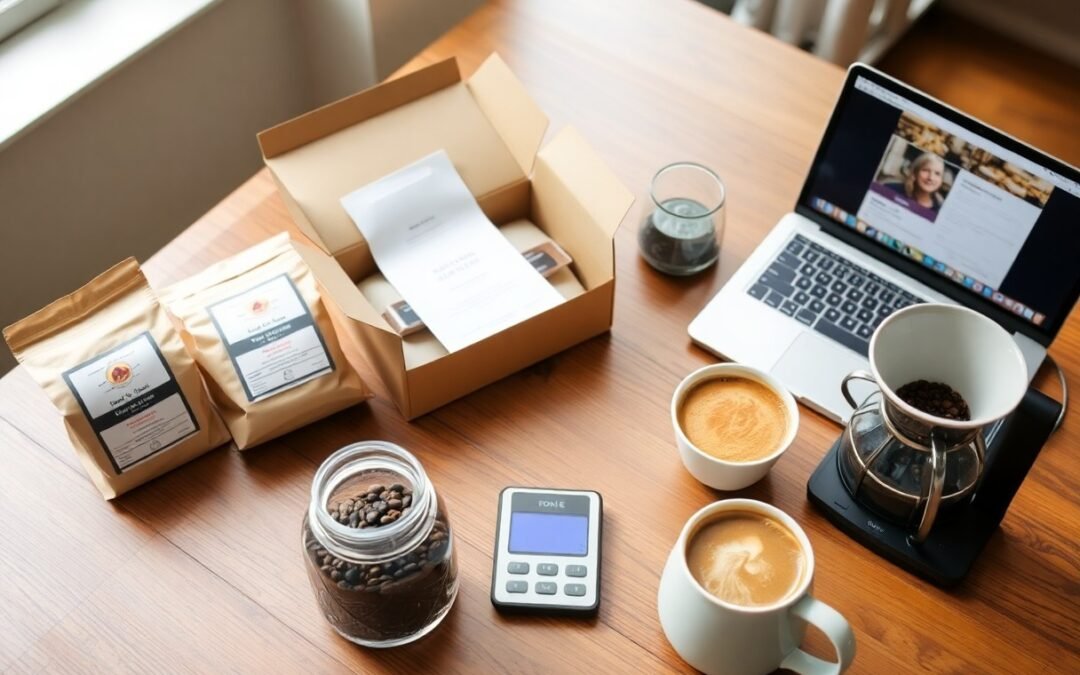
There’s a clear way to judge whether a specialty coffee subscription suits you: compare bean quality, cost per cup, roast consistency, convenience, and customer service to your brewing habits and budget.
Key Takeaways:
- Specialty subscriptions deliver fresher, higher-quality beans and broader roast variety than grocery options, worth it for drinkers who prioritize flavor and exploration.
- Cost varies widely; some plans offer better per-cup value than cafe purchases while others cost more than mainstream supermarket brands.
- Flexible plans, trial boxes, and pause/cancel policies let occasional buyers test flavor and convenience before committing to recurring charges.
Understanding the Subscription Options
Subscription choices blend curated samplers and single-roaster plans; you can consult comparative testing like 11 Best Coffee Subscriptions, Tested & Reviewed (2026) to see how editors weigh variety, freshness, and value.
You should compare frequency, bag size, and price per ounce so the subscription matches your consumption and keeps beans fresh without overspending.
Curation Services vs. Single-Roaster Models
Curation services send a rotating mix of roasters and origins, so you discover new flavors without hunting; you benefit if variety and education matter more than consistency.
Single-roaster plans focus on one producer’s profile and traceability, giving you consistent roast style and potential perks from loyalty; you accept less variety for predictability and relationship with the roaster.
Customization: Roast Profiles and Grind Preferences
Customization options let you select roast level and grind size so deliveries match your brew method, and you can choose whole-bean if you prefer maximum freshness.
Consider specifying grind settings for espresso, drip, or French press and smaller bag sizes if you want to sample without committing to a single profile; you can always adjust preferences as your taste evolves.
The Cost-Benefit Analysis
You will pay a clear premium for curated, single-origin beans and reliable deliveries, but that premium buys freshness, variety, and traceability that you rarely get from mass-market options.
Consider how often you drink coffee and whether you value discovery over price; a subscription makes sense if you consume enough to avoid stale bags and you appreciate guided selections.
Price Per Ounce: Subscription vs. Local Retail
Compare per-ounce costs by including small-batch premiums and roast-date freshness; subscriptions can be pricier than bulk supermarket beans but competitive with local specialty shops once you factor quality and consistency.
Factoring in Shipping Costs and Member Discounts
Account for shipping fees, delivery cadence, and any minimums when calculating true cost, since recurring shipping can negate perceived savings from member discounts.
Calculate a break-even by adding shipping per shipment to the bag price and dividing by ounces; run the math at your preferred frequency to see whether discounts or waived fees actually tilt the balance in your favor.
Quality and Freshness Standards
Standards for specialty coffee mean you expect clear cupping scores, controlled storage, and batch tracking so you receive beans that showcase origin and roast intent rather than stale flatness.
Roast-to-Ship Timelines and Peak Flavor Windows
Timing matters: you’ll usually taste peak sweetness and aromatics within the first two weeks after roast, so subscriptions that ship within 3-10 days of roasting give you the most consistent cup for filter and espresso.
Sourcing Ethics and Specialty Grade Certification
Traceability is something you should check-good subscriptions list farms, harvest dates and farmer partners so you can verify origin stories and judge whether the premium you pay reaches producers.
Certification standards mean specialty grade coffee is typically 80+ on SCA scales, while organic or fair-trade labels address different issues, so you should weigh labeling against direct-trade transparency when assessing ethical claims.
Transparency about farm prices and premiums lets you see real impact, so prioritize subscriptions that publish what farmers receive or describe long-term partnerships rather than relying solely on seals.
The Discovery and Education Factor
Discovery through a subscription exposes you to beans outside your usual picks, accelerating familiarity with regions, processing methods, and flavor families you might otherwise miss.
Learning comes from repeated exposure and curated context; you develop sharper instincts about roast levels and origin traits that change how you evaluate every cup.
Accessing Exclusive Micro-Lots and Rare Origins
Subscriptions often secure micro-lots and small-batch harvests that single-bag purchases can’t access, giving you limited-run coffees with specific farmer stories and experimental processes.
Roasters rotate those rare lots into curated drops, so you experience unfamiliar varietals and processing styles that broaden your sense of what quality and uniqueness look like.
Enhancing Your Palate with Professional Tasting Notes
Notes supplied with each bag teach you sensory anchors-acidity descriptors, texture cues, and flavor markers-so you learn to evaluate systematically rather than guessing.
Guides that accompany tasting notes include brew recipes and common fault flags, helping you replicate intended profiles and tell origin character apart from roast or extraction issues.
Practice cupping alongside the notes and logging your impressions, and you’ll calibrate expectations, sharpen descriptive language, and build reliable ordering preferences for future subscriptions or cafe visits.
Potential Drawbacks to Consider
Some subscribers find the convenience and curated selections come with trade-offs: inconsistent roast profiles, variable shipping dates, and higher per-pound cost compared with careful bag-by-bag buying. You should compare roast dates, cancellation terms, and price per ounce before committing to a plan that may not match your routine.
The Risk of Flavor Mismatch and Palate Fatigue
If you rely on a steady flavor profile, rotating offerings can produce clashes with your preferences and lead to palate fatigue when bright or experimental beans arrive back-to-back. You can reduce this by setting clear preferences, rating shipments, or choosing subscriptions that allow you to opt into blends or familiar origins.
Managing Excess Inventory and Delivery Overlap
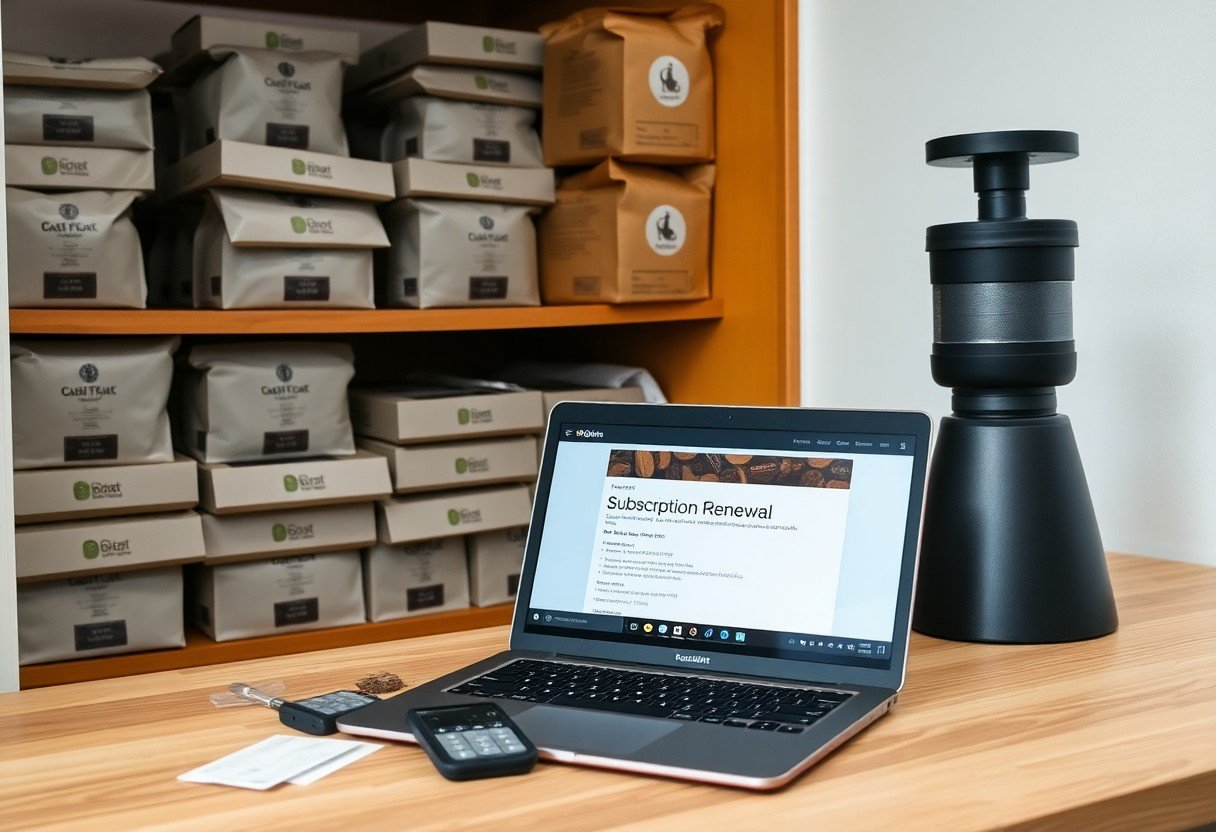
When multiple shipments pile up, freshness and storage become immediate concerns that affect brew quality; you should monitor roast dates and plan consumption so beans aren’t kept past peak. You may need to reorganize pantry space or prioritize certain bags to preserve flavor.
Consider adjusting shipment frequency, skipping deliveries, gifting surplus bags, or freezing unopened packages to avoid waste; each tactic preserves usability but requires attention to thawing and grind timing to retain optimal taste.
Assessing the Convenience Value
Convenience gives you regular shipments so you skip store runs and keep beans fresher at home; this saves time if you brew daily and prefer never running out.
Cost can erode convenience when subscription premiums outpace what you’d pay per bag, so you should compare per-ounce pricing and factor shipping into the equation.
Automation and the Reliability of Home Delivery
Delivery options let you align frequency with how much you drink, but carrier delays and seasonal slowdowns still affect timeliness and freshness.
Tracking and clear notifications let you plan storage and avoid stale beans, while dependable roasters will offer re-ships or credits for missed or damaged orders.
Flexibility: Pausing, Skipping, and Cancellation Policies
Policies on pausing, skipping, and cancelling vary widely, so you must read terms to avoid unexpected charges or minimum commitment periods.
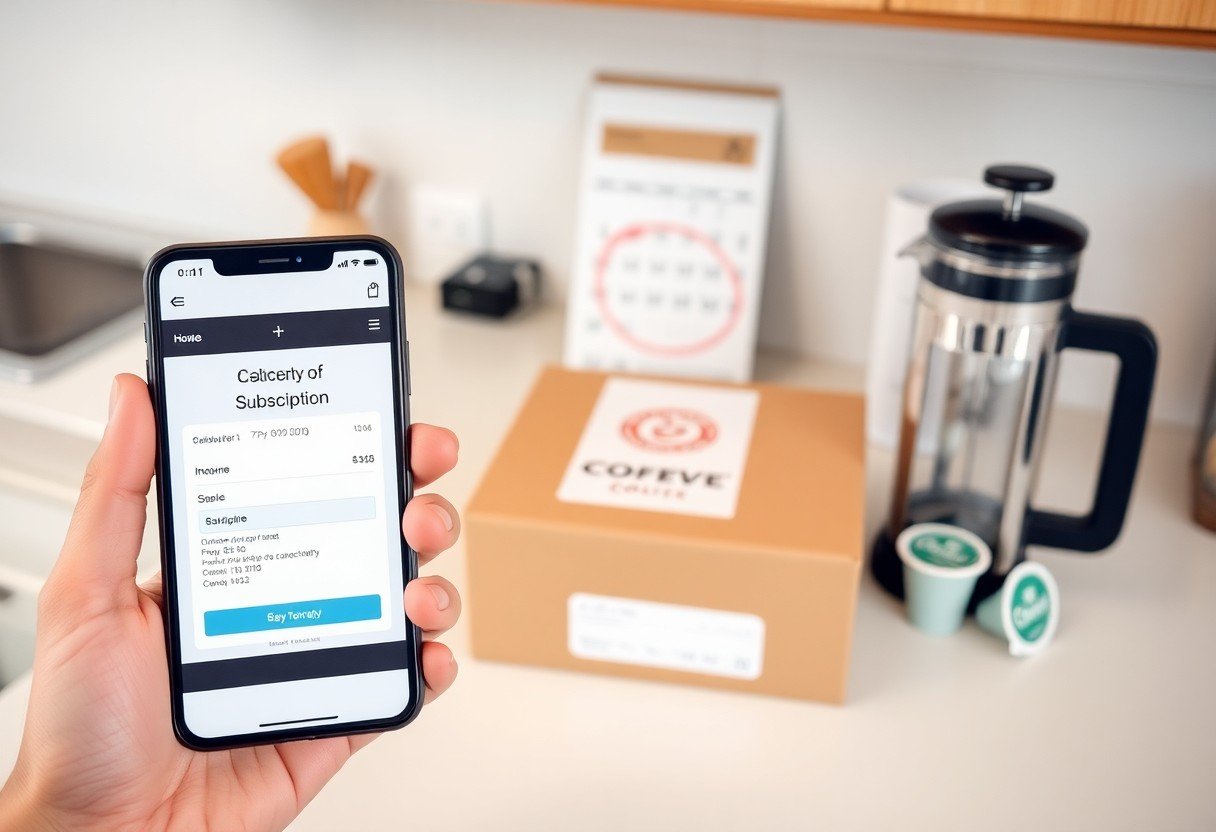
Customer portals often let you swap roast profiles, change grind size, or adjust cadence, yet some plans restrict edits close to shipment dates.
When you schedule updates before the billing cutoff, you avoid leftover stock and extra fees; contact support promptly if policy language is unclear.
To wrap up
Following this, you can weigh cost against convenience: subscriptions deliver fresher, curated beans and predictable deliveries but may cost more than occasional specialty purchases. You should consider how often you drink coffee and whether you value variety or a single favorite roast.
You will likely find a subscription worth it if you brew daily and enjoy tasting new origins; you should skip it if you drink rarely or prefer choosing single bags locally.
FAQ
Q: What are specialty coffee subscriptions?
A: A specialty coffee subscription is a recurring service that delivers freshly roasted, high-quality beans to your door. Subscribers choose frequency, grind type, and sometimes origin or flavor profile. Many roasters include tasting notes, roast dates, and brewing tips.
Q: Are specialty coffee subscriptions worth the cost?
A: Subscriptions can be worth the cost if you value freshness, variety, and convenience. Typical prices run $12-$20 per 12-ounce bag, which often equals or beats cafe prices when you factor in single-serve expenses. Value depends on how much you care about specialty-grade beans, willingness to experiment, and how often you brew at home.
Q: How much fresher is subscription coffee compared to store-bought?
A: Many specialty roasters roast-to-ship within 1-7 days and print roast dates on the bag. Supermarket beans can sit in warehouses for weeks or months before purchase, which flattens aroma and acidity. Freshly roasted beans retain volatile oils and nuanced flavors that make noticeable differences in espresso and pour-over extraction.
Q: Do subscriptions offer better quality and variety than local shops?
A: Quality and variety vary by provider. Some subscriptions focus on single-origin micro-lots, direct-trade offerings, or experimental releases that small shops rarely stock. Local roasters and cafes can match or exceed that quality when you live near a skilled roaster, and they often let you sample before buying.
Q: Can I customize grind, roast level, and delivery frequency?
A: Most subscriptions allow grind options for espresso, drip, or whole bean and let subscribers set delivery cadence. Some roasters offer roast-level choices and tasting flights for sampling. Pause, skip, or cancel options are common, but cancellation policies and minimum commitment periods vary across companies.
Q: What are common downsides or red flags to watch for?
A: Long shipping times and vague roast dates undermine freshness claims. Subscription services that hide origin, processing methods, or farm relationships often offer lower traceability and less consistent flavor. Rigid auto-renewal terms, limited customer support, and overpriced standard blends compared to single-origin options are other warning signs.
Q: How should I choose the right subscription for my needs?
A: Start by defining budget, brew method, and taste preferences such as fruity, chocolatey, or nutty profiles. Look for clear roast dates, transparent sourcing information, sample packs, and flexible plan management. Read user reviews, try a one-off or short-term plan, and compare per-ounce price against local cafe or grocery alternatives before committing.