
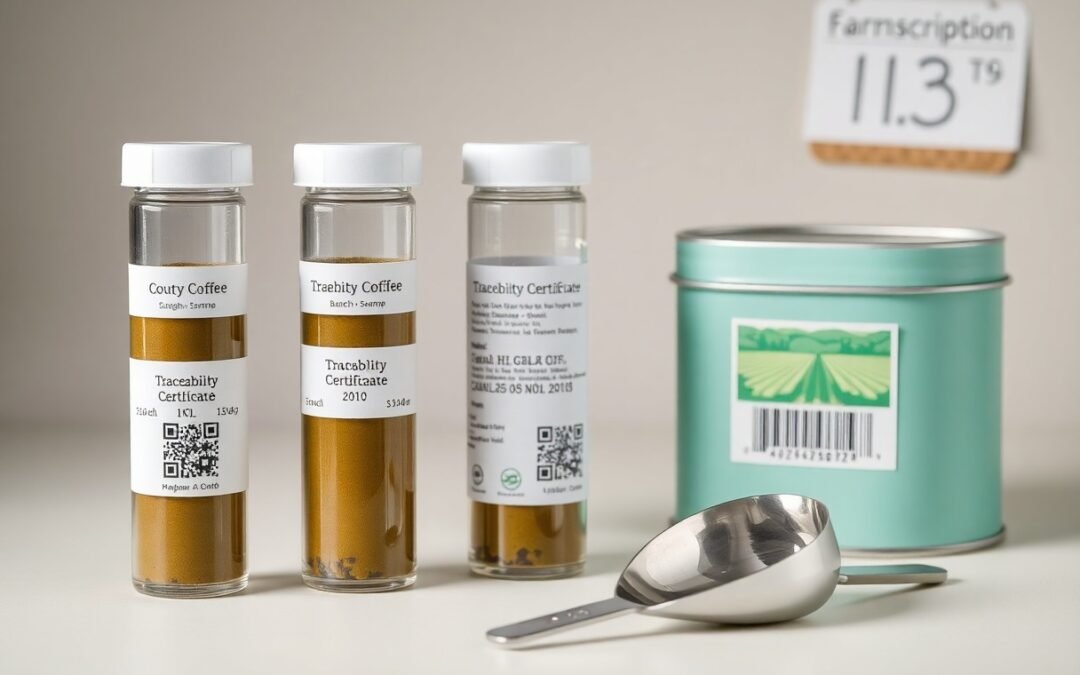
Most specialty coffee subscriptions ship beans days after roasting, so you get peak freshness and clear origin notes; you also receive tasting guides, roast profiles, and farmer stories that refine your palate and clarify provenance.
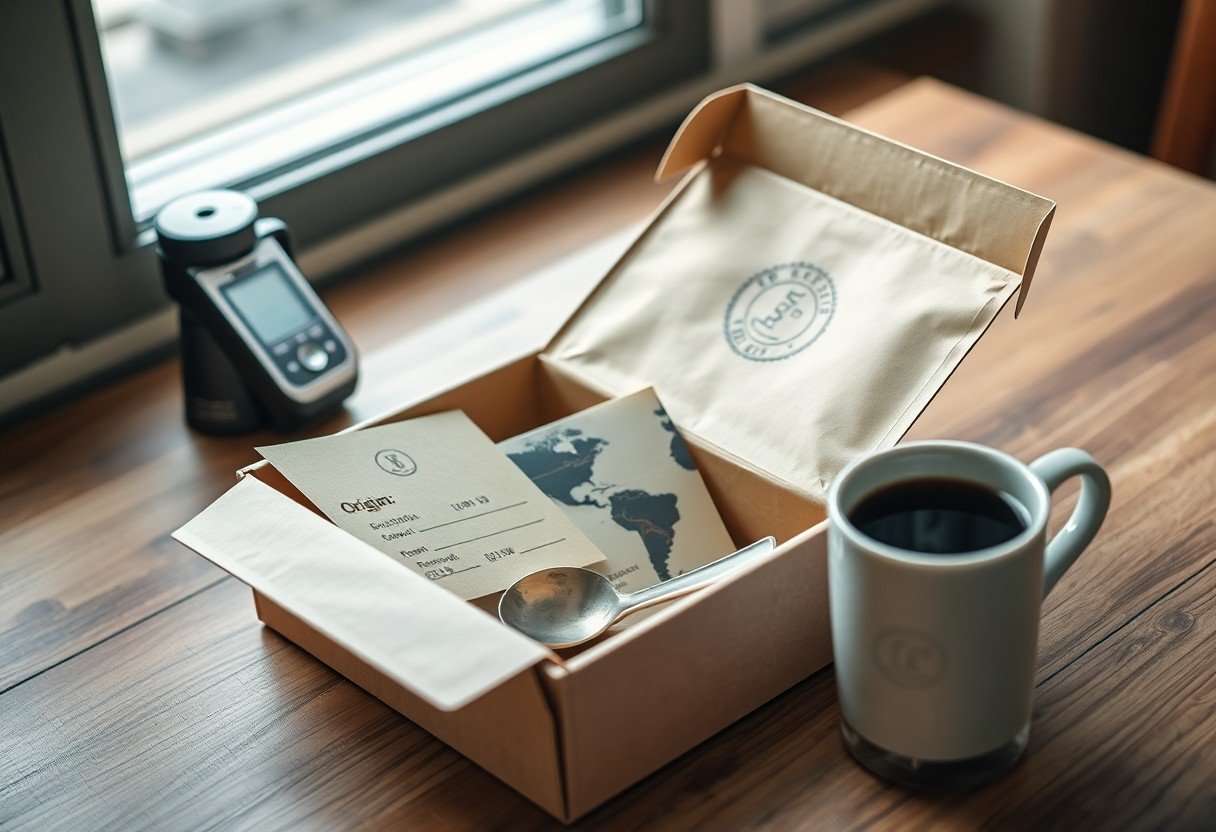
Key Takeaways:
- Specialty subscriptions use direct relationships and traceability to source micro-lots, farm stories, and harvest dates that connect drinkers to origin.
- Roast-to-order schedules, short ship windows, single-bag packaging, and roast-date transparency preserve peak freshness and predictable flavor.
- Curated rotations, tasting notes, and concise brewing guidance let subscribers explore terroir, seasonal varieties, and build a refined palate over time.
The Logistics of the Roast-to-Order Model
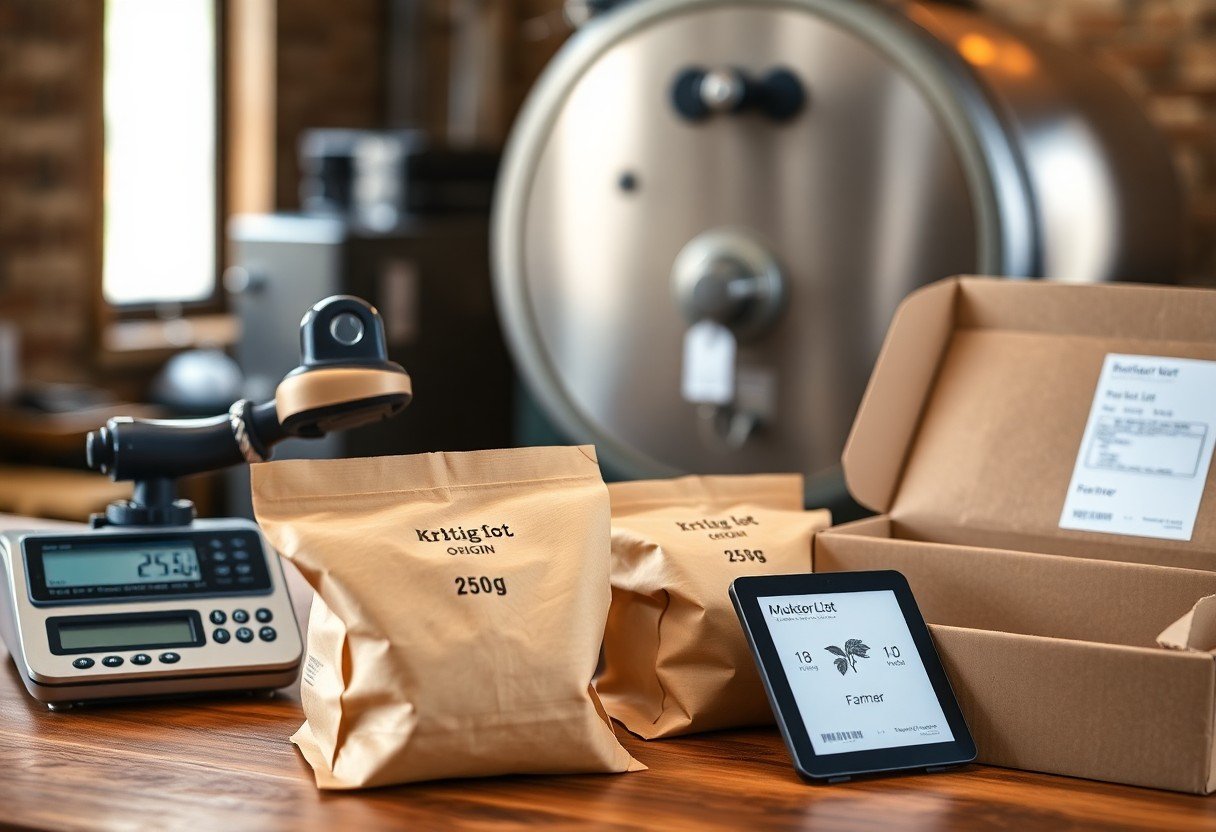
Operations in a roast-to-order system squeeze holding times by syncing roast schedules with subscription demand, so you receive beans near their peak. Roasters coordinate small batches, carrier pickups, and fulfillment windows to reduce inventory age while maintaining consistency across profiles.
Scheduling tight cutoffs and predictable ship days allows you to plan consumption around peak freshness. Roasters use demand forecasting and rolling production runs to balance artisan timing with the realities of shipping, keeping turnover high and staling low.
Minimizing the Temporal Gap Between Roaster and Consumer
You benefit when roast dates align with dispatch: same-week roasting and prioritized packing compress the time oxygen can act on oils and aromatics. Local micro-fulfillment centers further shorten transit for distant subscribers.
Speed matters in each leg of the chain, so you see investments in carrier selection, batch prioritization, and clear cutoff times. Those operational choices shave days off delivery and preserve the cup’s intended clarity and sweetness.
Nitrogen Flushing and One-Way Valve Technology
Valve design lets CO2 escape after roasting without admitting oxygen, which means you get fresher-tasting coffee for longer. Roasters pair valves with careful sealing so you open a bag that reflects the roast profile rather than oxidation.
Nitrogen flushing displaces residual oxygen before sealing, reducing the oxidative reactions that dull flavors; you notice brighter acidity and more pronounced aromatics when packs leave the roaster with minimal oxygen exposure.
Packaging choices demand precise timing: you benefit when roasters purge with high-purity nitrogen immediately before sealing and fit reliable one-way valves to handle degassing. Those controls-gas flow, valve placement, and fill pressure-determine how effectively the system limits oxygen without trapping excess CO2 that can deform bags or accelerate off-gassing during transit.
Sourcing for Terroir and Traceability
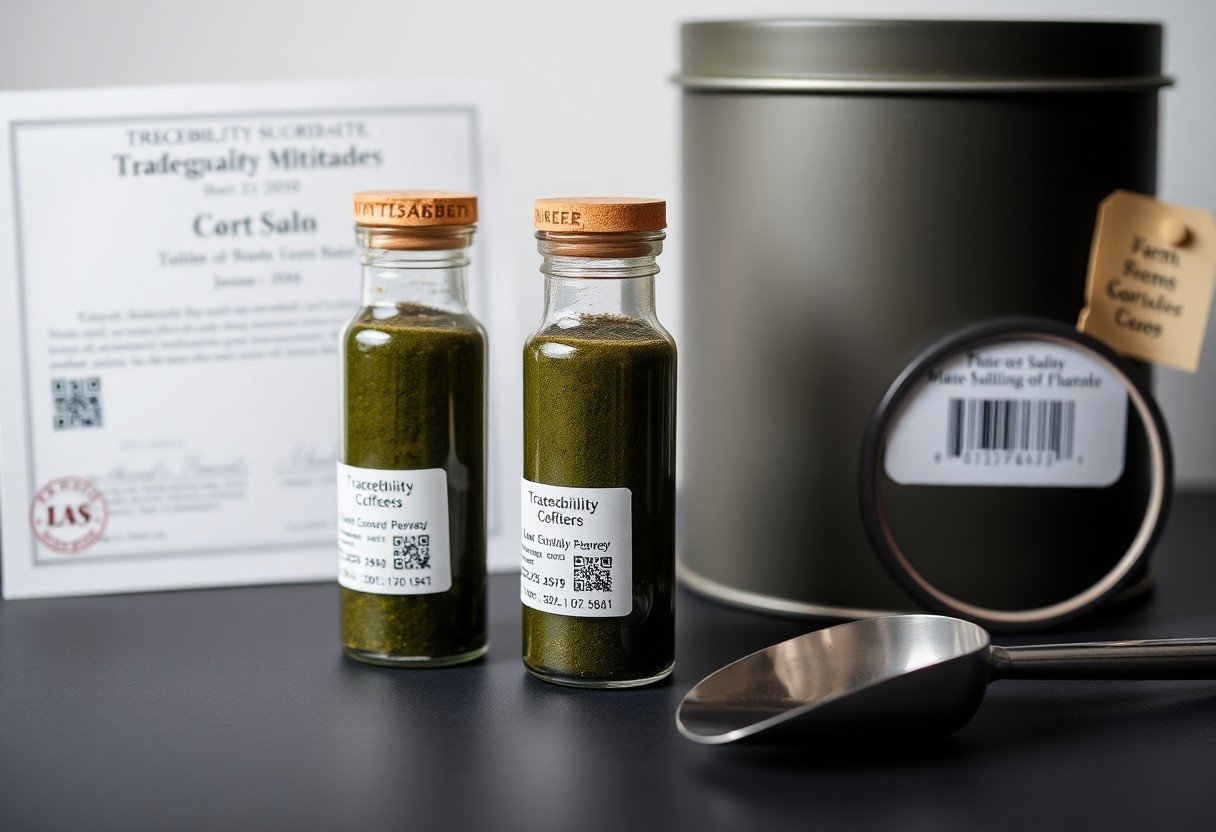
Sourcing focuses on cataloguing altitude, varietal, processing and harvest windows so your subscription matches both flavor and freshness expectations. You can compare farm profiles and shipment dates to understand how origin shapes each bag.
Traceability provides batch IDs, origin stories and harvest dates so you can confirm provenance and roast recency. You receive QR links or detailed tasting notes that tie each cup to a specific farm and farmer.
Direct Trade Relationships and Farm-Level Transparency
Direct trade relationships shorten the chain so you see price premiums and quality feedback flow back to producers, and you benefit from fresher dispatches. You also access farm-level records-photos, processing details and crop reports-that build trust in every delivery.
Selecting Micro-lots That Define Regional Profiles
Selecting micro-lots emphasizes single-varietal and process-driven lots that showcase regional profiles so you taste distinct floral, fruit or chocolate notes tied to place. You receive small-batch roasts and limited releases that protect seasonal nuance and peak freshness.
Beyond cup scores, roasters weigh processing method, elevation and harvest timing when choosing micro-lots, so you experience clearer flavor signatures and shorter time-to-cup. You can track seasonal shifts and develop a palate rooted in specific origins.
The Science of the Peak Freshness Window
You track how flavor compounds evolve after roast so you can time shipments to land in subscribers’ hands during that narrow sensory peak; roast date, bean density and processing all shift that curve.
Peak freshness balances CO2 release with retained volatiles so that when you brew, acids, sugars and aromatics sing during extraction rather than fading into flatness.
Managing Degassing and Volatile Aromatic Compounds
Degassing schedules control pressure in the bag and protect delicate aromatics, so you plan resting periods before sealing to avoid staled or overly carbonated profiles on arrival.
Aroma profiling helps you predict when fruity esters or floral top notes will be strongest, enabling you to label bags with recommended brew dates that guide subscribers toward optimal cups.
Optimizing Shipping Schedules for Ideal Brewing Timelines
Scheduling shipments around each coffee’s peak window ensures subscribers receive beans at their sensory apex rather than in a post-peak slump.
Routes and transit times alter temperature and agitation exposure, so you choose carriers and timing that minimize variability and protect arrival quality.
Packaging with one-way valves, inert flushing and insulated boxes extends the practical freshness window and, combined with reliable tracking, lets you guarantee a predictable brew date for your subscribers.
Curating the Sensory Experience
You receive curated boxes that pair roast date, varietal, and tasting prompts so each shipment reads like a tasting flight; see how subscriptions manage roast-to-door logistics in this article: How Coffee Subscriptions Ensure Freshness, and you can track origin and processing notes while beans are at peak.
Digital Cupping Notes and Detailed Origin Narratives
Cupping notes guide you through aroma, acidity, body, and finish with sensory anchors and comparison points so you can record scores and see how single-origin traits map to your palate.
Customizing Flavor Profiles Through Algorithmic Matching
Algorithms analyze your ratings, roast preferences, and flavor descriptors so you receive coffees that align with your tastes and evolve as you try new lots.
Data from your tasting history, delivery cadence, and stated origin interests feed models that predict which lots or blends you’ll prefer, while simple controls let you bias shipments toward citrus, chocolate, or floral notes.
Sustainability and the Ethical Supply Chain
Subscriptions give you clear line-of-sight into sourcing, so origin stories and certifications become part of every delivery. You receive fresher coffee while being able to assess environmental and labor practices, creating ongoing accountability between roasters and producers.
Consistent ordering through subscription models reduces overproduction and spoilage by matching roast and shipping schedules to actual demand. You benefit from peak-flavor beans and suppliers avoid costly waste that undermines both sustainability and livelihoods.
Providing Economic Stability for Small-Scale Producers
You create predictable revenue streams when you commit to recurring purchases or prepay for seasonal lots, which softens price volatility for farmers. This predictability helps households plan, invest in processing, and prioritize quality.
Long-term subscription relationships often unlock credit and technical support for cooperatives, enabling tangible improvements in drying, storage, and traceability. Your ongoing demand translates into measurable gains in both quality and income for smallholders.
Reducing Carbon Footprints Through Streamlined Distribution
Streamlined distribution funnels shipments through regional hubs and coordinated roast schedules, cutting redundant transport and storage stages. You see lower emissions per bag as fewer transit legs and optimized loads reduce fuel use across the chain.
Direct fulfillment practices-consolidated packing, regional batching, and optimized routing-let you trace and compare carbon metrics alongside origin details, making the emissions impact of your subscription choice transparent and actionable.
Bridging the Gap Between Roaster and Home Brewer
Roasters include roast dates, origin notes, and recommended brew windows so you can plan optimal extraction and taste coffee as the roaster intended.
Packages often contain sample grinds and freshness tips that let you test single-origin profiles at home and adjust grind size, dose, and temperature for immediate results.
Technical Brewing Guides for Specific Varietals
Grind tables and timed recipes show you how to treat a Gesha versus a chocolate-forward blend: adjust dose, bloom length, and pour rate to emphasize clarity or body in each cup.
The Role of Subscription Communities in Coffee Education
Forums and comment threads let you ask specific questions about drip ratios or espresso profiling and receive practiced tips from roasters and home baristas so you can refine technique.
Tasting notes shared in community cuppings teach you to identify citrus, floral, or cocoa cues in origin coffees and to replicate those markers by adjusting water chemistry and extraction time.
Members-only live sessions and Q&As connect you directly with farmers and roastmasters so you can probe processing methods, ask about micro-lots, and apply that insight to brewing at home.
Summing up
With this in mind you see how specialty coffee subscriptions bind farm-to-cup traceability, roast-date scheduling, and curated micro-lots to deliver freshness and a sense of origin. You receive beans roasted close to shipment, tasting notes and producer stories that let you assess provenance, and flexible frequency that preserves peak flavors. You gain a consistent ritual that connects you to growers and terroir with each cup.
FAQ
Q: How do specialty coffee subscriptions keep beans fresh from roast to cup?
A: Subscriptions schedule roasts to match delivery windows so beans are roasted close to the shipment date. Roasters print roast dates and often hold beans only days before sending, which reduces staling time. Packaging with one-way degassing valves and oxygen-reducing gases slows oxidation during transit. Fast shipping options and predictable delivery cadence shorten the time between roast and brewing.
Q: In what ways do subscriptions preserve and communicate origin information?
A: Most specialty services list country, region, farm, and lot or lot code for every offering. Producer profiles, harvest dates, and processing method appear on labels or online pages to connect flavor to place and practice. QR codes or batch pages provide certificates of analysis, cupping scores, and photos that trace a bag back to a producer. Transparency tools let subscribers compare origins and make informed choices.
Q: How do roast schedules and packaging designs protect flavor compounds?
A: Roasters align roast dates with subscription runs so volatile aromatics remain intact at delivery. Freshly roasted beans emit CO2; one-way valves prevent oxygen ingress while allowing gas escape, preserving crema potential. Low-oxygen packing and light-blocking materials limit odor and UV damage that degrade lipids and aromatics. Proper storage instructions included with shipments help maintain those compounds after arrival.
Q: How do subscriptions showcase single-origin and micro-lot diversity rather than generic blends?
A: Curated subscription plans often rotate single-origin lots and highlight micro-lots to expose drinkers to distinct terroirs and processing styles. Detailed tasting notes, altitude, varietal, and farmer stories accompany each release so subscribers can track how origin influences cup profile. Limited runs and small-batch releases emphasize traceability and encourage exploration of specific farms instead of anonymized commodity beans.
Q: How do delivery frequency and grind options affect freshness and final extraction?
A: Shorter delivery intervals reduce the time beans sit after roasting, preserving peak aromatic intensity for drip, espresso, or pourover. Grind-on-demand or grind-to-order services minimize surface area exposure and extend usable life for subscribers who want convenience. Guidance on dose and extraction paired with proper grind setting helps preserve flavor balance and avoids overextraction from stale grounds.
Q: How do subscription roasters maintain ethical sourcing while emphasizing origin quality?
A: Many specialty subscriptions source through direct relationships, paying premiums for quality lots and documenting those trades on product pages. Contracts or long-term agreements with producers support consistent quality and enable investments in processing or milling that improve cup clarity. Third-party certifications and in-house audits appear alongside origin notes so subscribers can assess both quality and supply-chain practice.
Q: What features should consumers look for to verify a subscription actually captures freshness and origin authenticity?
A: Look for clear roast dates printed on every bag and options for roast-to-order or frequent delivery. Check for detailed origin metadata: farm, lot, varietal, processing, and harvest date. Seek batch pages, cupping scores, and producer information that show traceability rather than vague marketing claims. Evaluate packaging quality, shipping speed, and whether the service offers grind-on-demand if you prefer pre-ground coffee.