
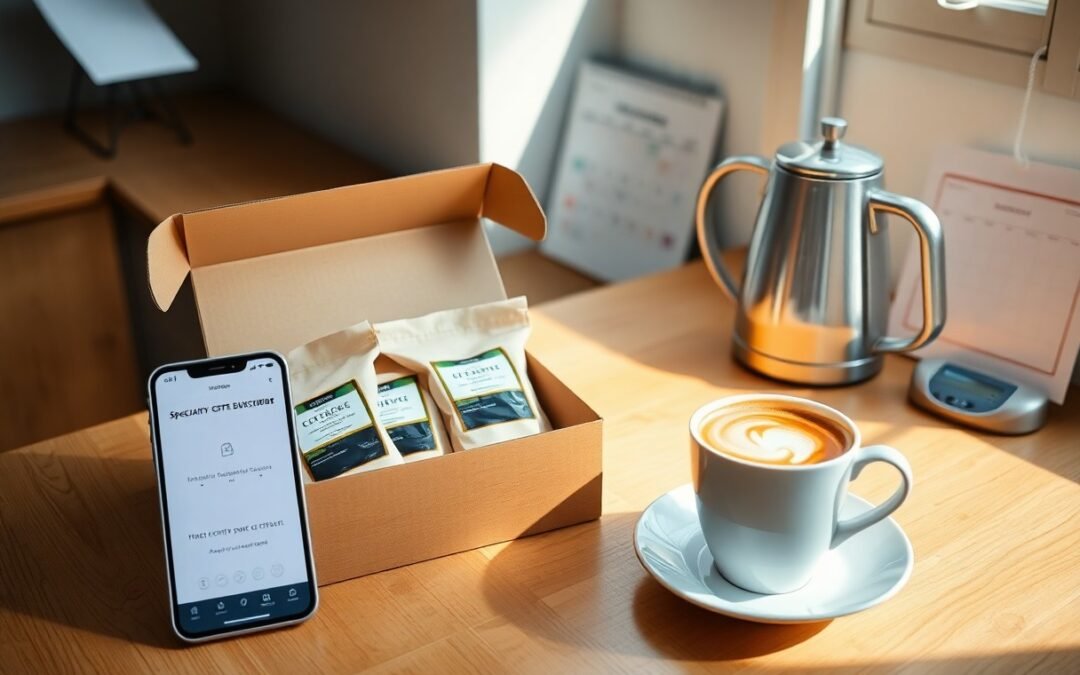
Subscription models deliver consistent roast quality and delivery so you can plan mornings; compare options in Coffee Subscription vs. Buying Bags: Which Is Right for You? and decide whether predictability suits your taste and budget.

Key Takeaways:
- Specialty coffee subscriptions increase morning predictability by automating deliveries and supplying higher-quality beans, though roast profile changes and occasional freshness issues can still disrupt consistency.
- Higher bean quality and curated tasting notes improve daily coffee satisfaction, but subscription cost and commitment may not suit every budget or shifting taste preferences.
- Flexible plans that allow grind, frequency, and style preferences determine long-term success; lack of customization or delivery delays undermines the subscription’s reliability.
Understanding the Specialty Coffee Subscription Model
Subscriptions curate rotating roasts and predictable delivery windows so you can rely on fresh beans without micromanaging orders.
Monthly preferences let you tailor grind, frequency, and roast profile, helping you dial in a morning routine that consistently hits your flavor targets.
Sourcing Ethics and Specialty Grade Standards
Ethical sourcing means you can trace beans to farms that receive premiums and transparent practices, which often improves both quality and social outcomes.
Standards like 80+ cupping scores and defect counts give you measurable criteria when evaluating offers, so you assess value rather than marketing claims.
The Mechanics of Direct-to-Door Logistics
Shipping cadence and roast-to-door timing determine freshness, so you should check roast dates, transit times, and whether companies roast to order.
Couriers and fulfillment partners influence consistency: you will notice differences in delivery windows, package handling, and temperature exposure that affect cup quality.
Packaging choices-valve bags, insulation, and small-batch boxing-affect oxygen and heat exposure, so you should prefer subscriptions that prioritize barrier materials and clear shelf-life guidance.
The Dilemma of the Unpredictable Morning Cup
You count on a reliable cup but variations in roast date, packaging, and preparation mean your mornings swing between bright clarity and muted disappointment.
Morning inconsistency pushes you toward stronger blends, more sugar, or instant fixes, turning a simple ritual into repeated trial-and-error rather than a predictable pleasure.
Identifying Points of Failure in Mass-Market Supply Chains
Mass-market distribution stretches time from roast to shelf, so you often receive beans long after the peak aromatics have dissipated.
Shelf rotation and broad logistics expose your coffee to heat, light, and fluctuating storage, meaning what looks fresh on the label rarely performs that way in your cup.
The Rapid Degradation of Pre-Ground Freshness
Grinding multiplies surface area and accelerates the loss of volatile compounds, so you notice pre-ground coffee tasting flat within hours compared with beans you grind yourself.
Oxygen contact oxidizes the oils that carry flavor and aroma, so you end up drinking stale notes that cannot be recovered once those volatiles are gone.
Time after grinding works against you: to preserve peak aroma you would need immediate brewing or specialized inert packaging that most mass systems simply do not provide.
How Subscriptions Solve the Freshness Equation
Subscriptions align roast cadence with your brewing rhythm so you consistently receive beans near their flavor peak. You control frequency and often see roast dates, which reduces time spent with beans that have lost aromatics on supermarket shelves.
Timing lets you avoid the long tail of post-roast degradation by matching deliveries to your consumption rate, so you brew inside the sweet spot rather than after it has faded.
Roast-to-Ship Timelines and Peak Flavor Windows
Roasters using subscriptions commonly ship within 48-72 hours of roast so you can hit the 3-14 day window where many origins show their best clarity; you choose cadence to sync with that curve and prevent extended storage.
Small-Batch Precision vs. Industrial Roasting
Small-batch operations roast tens of kilos at a time, letting you taste distinct origin notes and receive consistent profiles; you notice brighter acids and nuanced sweetness when batches are small and fresh.
Industrial roasting focuses on volume, which can mask delicate flavors under uniform profiles and longer storage; you may sacrifice traceability and peak aromatics for supply scale.
You should favor subscriptions that list batch size and roast date so you can compare how much precision and freshness you’re actually getting versus large-scale offerings.
Curating the Palate Through Expert Selection
You rely on experienced roasters and cupping panels to pre-select beans that match your habitual preferences, so each delivery reduces guesswork. These experts assess origin, processing, and roast to prioritize clarity and balance, sending you lots that align with how you like acidity, sweetness, and body.
Tasting notes translate complex farm data into sensory promises you can trust; the subscription communicates what to expect and how to brew for consistency. When you follow those cues, mornings become more predictable because the beans were chosen to perform well within your routine and equipment.
Accessing Rare Micro-lots and Seasonal Origins
Micro-lots expose you to experimental or single-estate harvests that most retail channels never reach. Curators scout these tiny lots so you can explore unique varietals and processing methods without hunting them down yourself.
Seasonal origins rotate with harvest calendars, giving you fresher, traceable beans that reflect a moment in a region’s harvest. You receive narratives about crop conditions and tasting windows, which helps you set expectations and savor limited runs.
Algorithmic Matching for Individual Flavor Profiles
Algorithmic profiles combine your explicit ratings, chosen brew methods, and consumption pace to recommend beans that match your flavor map. You get fewer surprises in the cup because the system filters options based on patterns in your past feedback.
Machine learning refines suggestions as you rate shipments and log brews; hybrid models still consult human cuppers to catch nuance machines miss. You benefit from both scale and sensory expertise, so recommendations steadily hone in on what consistently pleases you.
With inputs like cupping scores, roast points, and brewing parameters, the algorithm can suggest adjustments-grind size, dose, or a different roast-to help you reproduce tasting notes at home. You can tune preferences directly, accelerating the match between subscription selections and your ideal morning cup.

Analyzing the Economic and Convenience Value
Subscription plans often lower your per-cup cost when you factor in bulk pricing and predictable shipping, and they let you forecast monthly coffee spend so you avoid surprise splurges at cafes.
Cost-per-Cup Analysis: Subscription vs. Local Cafe
Comparing a specialty subscription to local cafe purchases shows that brewing at home with whole beans typically costs less per cup, though your equipment and grind choice affect results; you should tally beans, filters, and energy to see the true per-cup number.
Eliminating the “Out of Coffee” Scenario
Keeping a steady delivery schedule removes the last-minute scramble for beans, so you can stick to your routine and maintain consistent brew quality without emergency cafe runs.
Practical controls like pause, skip, and frequency adjustments let you match supply to consumption patterns, and you can select roast profiles and package sizes that prevent waste while ensuring you never run dry.

Critical Limitations of the Subscription Solution
Subscriptions can promise predictability, but you still face roast-date gaps and one-size-fits-all scheduling that may leave beans past peak. When deliveries arrive on a fixed cadence you lose the freedom to chase new roasts, adjust frequency for life changes, or experiment without building up excess supply.
Expect billing cycles and minimum commitments to complicate adjustments, forcing you to skip, pause, or pay for more than you need. Your fridge or pantry becomes part of the subscription equation, and you must actively manage inventory to avoid stale coffee or wasted bags.
The Requirement for Proper Home Grinding Equipment
Home grinders vary widely, and you need a quality burr grinder to get consistent extraction from specialty beans. Inconsistent grind size produces uneven flavors, so you’ll want a grinder that offers repeatable settings for your preferred espresso, pour-over, or AeroPress recipes.
Buying a capable grinder often requires a larger initial outlay than you expect, but cheap blade models won’t reveal the beans’ nuances. You should factor in maintenance, grind retention, and motor heat, since those elements directly affect freshness and cup quality.
Navigating Shipping Variables and Transit Times
Shipping windows and carrier handling control roast-to-cup time, and you’ll detect flavor loss when transit adds multiple days. You should prefer subscriptions that display roast dates and offer scheduling flexibility or faster shipping to keep beans closer to peak.
Carrier choice influences exposure to temperature swings and delays, so you should look for insulated packaging, local roasters, or pickup options; tracking shipments helps you reschedule deliveries around vacations or weather that could extend transit.
Conclusion
Presently you can achieve more predictable mornings with a specialty coffee subscription that supplies consistent roast profiles, scheduled shipments, and curated beans. You should assess freshness, grind options, cost, and delivery frequency to match your routine; subscriptions lower decision fatigue and raise average quality but do not eliminate brewing skill and equipment limits, so you must manage storage and technique to get the results you expect.
FAQ
Q: Is a specialty coffee subscription the panacea for predictable morning coffee?
A: A specialty coffee subscription can solve many morning uncertainties by delivering beans on a regular schedule, but it is not a universal cure. Subscriptions provide steady supply, clearer roast dates, and options for grind or whole-bean, which reduces last-minute runs to the store. Variability still occurs due to roast profiles, seasonal harvests, and your brewing consistency, so predictable mornings require both reliable delivery and consistent brewing technique.
Q: How does a subscription improve consistency in flavor and supply?
A: Regular deliveries remove the supply gap that causes coffee-free mornings and allow you to set roast preferences and grind options that match your equipment. Many roasters roast to order and label roast dates, so you receive fresher beans than typical retail. Consistent grinding, dosing, water temperature, and brew time at home are also needed to translate that freshness into repeatable cup results.
Q: Will a specialty subscription save money compared with buying coffee at cafés or grocery stores?
A: Subscriptions often offer per-bag discounts and lower per-cup cost than daily café purchases, but overall savings depend on your drinking habits and choice of subscription. Typical specialty 12-ounce bags range from about $12 to $20; subscriptions may reduce that by 10-20% and remove impulse buys. Shipping costs, customs for international beans, and higher-end microlot prices can erode savings compared with mass-market grocery beans.
Q: How fresh is the coffee delivered, and how long will it stay good?
A: Reputable roasters ship within days or a week of roast date, which gives you much fresher beans than many supermarket options. Whole beans are at their tastiest from roughly a few days after roast up to two to four weeks, depending on roast level and storage. Ground coffee loses volatile flavors faster, so choose whole-bean if you want longer freshness and grind just before brewing; store beans in an airtight container in a cool, dark place.
Q: What subscription features matter most when choosing a service?
A: Flexible cadence options (weekly, biweekly, monthly), adjustable bag size, whole-bean or grind choices, visible roast dates, and an easy pause or skip policy are the most practical features. Look for clear tasting notes, origin and processing information, trial packs, and transparent pricing including shipping. Customer service and the ability to change or cancel without penalty make long-term commitment easier to manage.
Q: Will a subscription limit my ability to discover new coffees or support local cafés?
A: Subscriptions can increase discovery by rotating single-origin lots and offering sampler packs, but they can also lock you into a narrower set of offerings if you choose a single recurring bag. Many roasters include rotating blends and guest lots to keep variety high. Support for local cafés can continue alongside a subscription; subscriptions replace convenience and home routine more than the social or immediate experience of visiting a café.
Q: Who benefits most from a specialty coffee subscription and who should skip it?
A: Home brewers who value freshness, consistent supply, and control over roast and grind will gain the most from a subscription, especially if they already own a grinder and brewing gear. People who prefer café ritual, want instant walk-in variety, or dislike recurring charges might find subscriptions unnecessary. Occasional drinkers should compare single purchases versus subscription frequency before committing.