
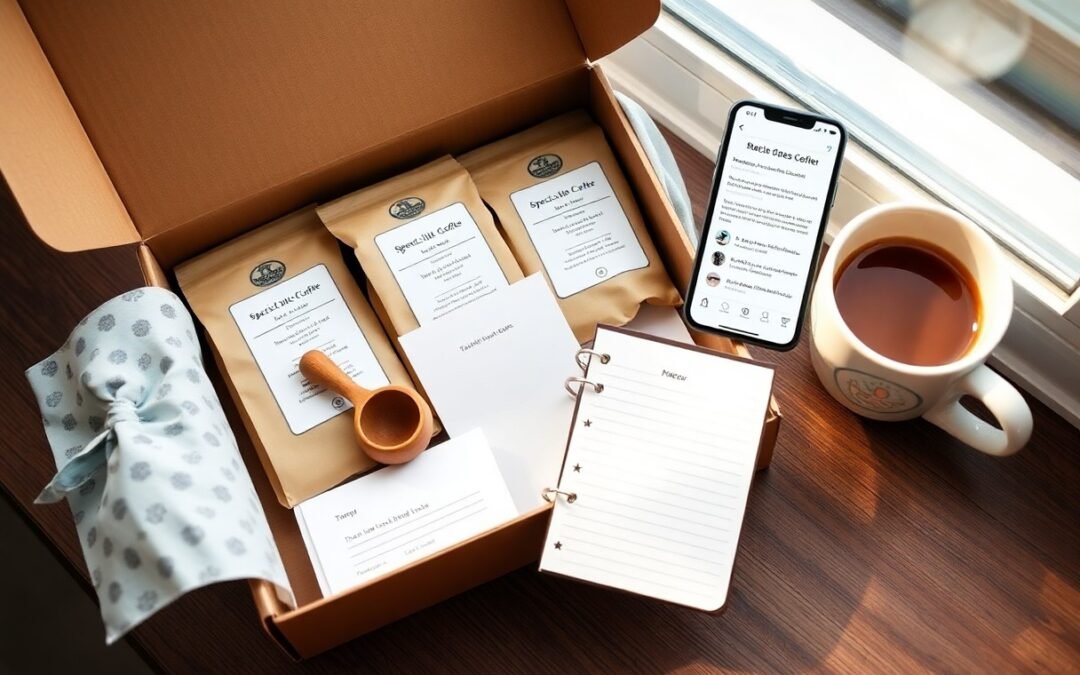
subscription reviews show your tasting notes and process; you assess flavor, roast, freshness, and value, compare to top options like Best Coffee Subscriptions 2026, and give clear recommendations for readers.
Key Takeaways:
- Structure the review with clear sections: subscription details (plans, price, frequency), coffee specifics (origin, roast date, tasting notes), and service experience (delivery, packaging, customer support).
- Provide objective sensory descriptions and practical brewing tips; list brewing method, dose, grind setting, and include photos to help readers replicate results.
- Disclose any affiliations, identify the ideal customer (beginner, home barista, gift), and end with a concise pros/cons list and a short recommendation.
Identifying Key Factors for an Objective Review
Consider focusing on measurable attributes so you can compare subscriptions fairly: sourcing transparency, roast date reliability, packaging, grind options and cost per cup; use consistent brewing to isolate quality differences.
- Origin and farm traceability
- Bean variety and processing
- Roast date and freshness
- Packaging and grind options
- Price, shipping, and customer service
Determining bean quality and origin transparency
Evaluate supplier disclosures and tasting notes, check for single-origin or blend specifics, and sample beans against published descriptors so you can confirm claims through your palate and notes.
Assessing roast date freshness and consistency
Check roast dates on every bag and compare flavor over successive shipments to determine how freshness impacts your extraction and notes.
Document your tasting dates, brew parameters and grind setting so you can correlate freshness with flavor changes. Thou record timestamps and photos to back up your observations.
How-to Structure Your Subscription Analysis
You should define evaluation criteria-freshness, roast consistency, curation, and cost-and state the order you’ll address them so readers follow your reasoning.
Break the analysis into digestible chunks and provide a one-line summary for each section so you can skim or dive deeper as needed.
Creating a logical narrative for the reader
Organize sections around the customer journey-unboxing, brewing, tasting, and value-so you guide readers through the actual experience.
Use narrative details like tasting notes, brewing variables, and comparisons to prior boxes so you give context and strengthen credibility.
Utilizing formatting for improved readability
Headings and bullet lists let you present roast profiles, tasting notes, and shipping cadence for quick scanning.
Highlight key verdicts with bold text and mark aroma and flavor descriptors in italics to help you spot takeaways quickly.
Include a compact comparison table for subscription tiers, shipping frequency, and price per cup so you make value comparisons effortless.
Essential Tips for Sensory Evaluation
Practice cupping with a consistent routine so you can compare beans objectively and calibrate your palate with reference coffees; log your impressions in a consistent format. You should focus on clarity in descriptors to help readers follow your judgments.
- You cup using the same water and vessel every session.
- You clear your palate between samples with neutral crackers or water.
- You note aroma, acidity, body, flavor, and aftertaste for each cup.
Standardizing your brewing parameters
Set precise dose, grind, water temperature, and brew time so you reproduce each sample consistently and so you can report exact settings to readers; record equipment and any adjustments you make.
Describing acidity, body, and flavor notes accurately
Focus on concrete descriptors like citrus, stone fruit, or chocolate and tie acidity type to clear examples so you avoid vague language; note whether acidity is bright, winey, or mellow across sips.
Use consistent terminology and simple intensity scales for body-thin, medium, full-and relate mouthfeel to familiar textures so you help readers imagine the cup; document sweetness, bitterness, and aftertaste interactions you observe.
Compare your notes to common foods or beverages and include brief intensity ratings so you give readers practical reference points. Any clear examples of citrus acidity or syrupy body will make your review more actionable.
Critical Factors in Subscription Logistics
Logistics determine how reliably you receive fresh beans, so you track delivery windows, carrier consistency, and regional service gaps when assessing a subscription. You should also inspect packaging methods for roast-date preservation and crush resistance to protect aroma and flavor.
- Delivery windows and cut-off dates
- Real-time tracking and carrier reliability
- Packaging insulation, seals, and box strength
- Customs, regional delays, and insurance options
Compare shipping fees, handling charges, and whether seasonal or remote surcharges apply before assigning value. Knowing how delivery fees and transit time affect per-cup cost helps you weigh value.
Evaluating shipping speed and packaging durability
Assess average transit times against roast dates and weekend holds so you can expect peak freshness on arrival. You should verify packaging-vacuum bags, tack seals, insulated liners, and sturdy cartons-to ensure beans survive rough handling.
Reviewing customer service and account flexibility
Service responsiveness shows whether missed shipments or roast issues will be resolved promptly; you can test response speed via email, chat, or social media interactions. Quick, clear replies indicate a subscription that will protect your purchase.
Check pause, skip, and cancellation policies so you avoid unwanted shipments and fees when travel or budget changes occur. You should also review refund and replacement procedures for damaged or stale deliveries.
Flexibility extends to billing changes, gift subscriptions, and address updates, all of which reduce friction as your needs change; you should prioritize providers that let you adjust grind, frequency, and quantity without penalty.
How-to Capture Professional Visual Content
Use consistent color temperature and uncluttered backgrounds to keep focus on the coffee; shoot in RAW and set white balance manually so you can correct color accurately later. You should keep ISO low, employ a tripod for sharpness, and tether to a monitor for instant framing and exposure checks.
Set up key and fill lights to reveal texture while avoiding harsh reflections on bags or tins; control spill with flags and diffusers. You should test exposures and maintain consistent edits so gallery images read as a cohesive review.
Photographing the unboxing experience
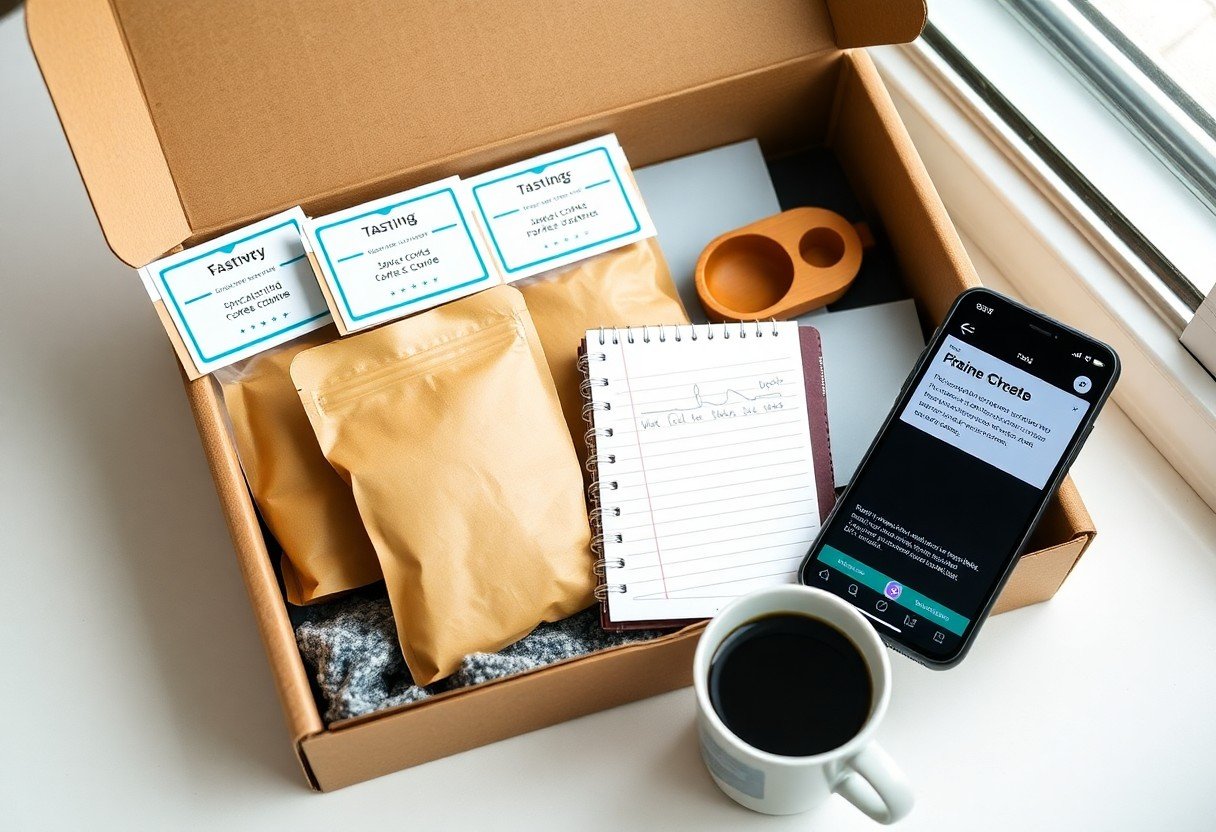
Frame the box at a slight angle and include hands to add scale and narrative; use a neutral backdrop so labels and inserts pop. You should sequence shots-closed box, opening, reveal, product layout, and close-ups of tasting notes or roast dates.
Arrange props sparingly-scales, a tasting spoon, or a simple cloth-to imply ritual without cluttering the frame. You should keep lighting consistent across shots so thumbnails and detailed images match in tone.
Using video to demonstrate bean texture and bloom
Shoot short clips at 60-120 fps to show bean movement when poured and to slow bloom action; keep clips under 30 seconds for social platforms. You should stabilize the camera and use a macro or short telephoto for close texture work.
Capture sound separately when possible so you can amplify the subtle pour or crackle and record a clean voiceover describing tactile impressions. You should edit between tight texture shots and wider brewing context to guide viewer attention.
Adjust exposure during bloom to avoid blown highlights on rising CO₂ and shoot a flat profile for grading so you can enhance crema and bean sheen naturally; you should note frame rates and focal lengths in your review for transparency and reproducibility.
Tips for Building Authority and Audience Trust
You should document tasting methods, source details, and consistent scoring so readers can replicate your process and judge your conclusions; present photos, roast dates, and brew parameters alongside candid notes.
- Use a consistent scoring rubric
- Disclose sourcing and roast dates
- Include clear photos and brew data
- Note limitations and retest when needed
Recognizing that trust grows from transparency, you must correct mistakes promptly, update reviews with new findings, and keep sponsorships and affiliate links visible to maintain credibility.
Disclosing potential conflicts of interest
When you receive paid samples, discounts, or affiliate commissions, disclose them prominently at the top of the review and in post metadata so readers can judge impartiality; state whether compensation influenced your evaluation.
Engaging with community feedback and questions
Offer clear channels for questions-comments, email, or social-and set expectations for response time so readers feel heard and understand how to follow up for clarifications.
Respond publicly when possible, clarify tasting language, and publish follow-up notes or edits so you demonstrate accountability and show readers that their input shapes more accurate, trustworthy reviews.
Summing up
Upon reflecting on how to share a balanced specialty coffee subscription review online, you should focus on clarity, honesty, and useful specifics. Describe flavor profiles, roast dates, delivery consistency, and value; include photos and tasting notes; disclose any affiliate ties. Use concise headings, rating scales, and a summary pros/cons to help readers decide. You will build trust by combining objective details with your personal experience.
FAQ
Q: Where should I post a review of a balanced specialty coffee subscription?
A: Choose platforms that match your audience and format. Post long-form reviews on a personal blog or Medium for detailed tasting notes and brewing guides. Share short-form videos and reels on Instagram, TikTok, or YouTube Shorts to reach casual viewers. Use Reddit (r/Coffee), coffee-focused forums, and specialty coffee Facebook groups for peer feedback and discussions. Add the review to product pages or review sites where the subscription is sold to help buyers decide.
Q: What structure makes a review clear and fair?
A: Use a consistent structure so readers can compare reviews easily. Start with a brief summary and overall rating, then list subscription details: plan options, price, delivery frequency, and roast dates. Include tasting notes, brewing method used, grind settings, and cup score across acidity, body, sweetness, balance, and aftertaste. Finish with packaging and freshness observations, value judgment, pros and cons, and a concise recommendation for specific drinkers or brewing styles.
Q: How do I describe flavor and balance in an understandable way?
A: Define technical terms before using them so readers without tasting experience can follow. Describe acidity (brightness), sweetness, body (mouthfeel), and aftertaste, then explain how those elements combine to form balance. Use concrete flavor cues such as citrus, chocolate, caramel, berry, or floral and pair them with intensity and duration. Offer a simple numeric or star score for each attribute and one overall score to summarize the tasting.
Q: What visual and media elements improve a subscription review?
A: Include high-quality photos and short videos that show packaging, roast date, bean size and color, and a brewed cup. Photograph unboxing and any included information cards to show transparency about origin and roast profile. Use natural light, a clean background, and close-ups for texture. For video, show a quick grind-to-brew sequence, two-second cup pour, and a tasting clip to convey aroma and mouthfeel visually.
Q: How should I disclose free samples, affiliate links, or sponsorships?
A: Place clear disclosure at the top of the review and repeat it where a purchase link appears. Use direct language such as “This subscription was provided for review” or “This post contains affiliate links; I may earn a commission.” Describe any conditions attached to the sample, like editing control or time limits on the review. Maintain honest impressions and explain when feedback is based on a single batch versus multiple deliveries.
Q: How do I optimize a review so it reaches interested readers?
A: Use searchable keywords in the title and first paragraph, such as the subscription name plus “review,” “freshness,” “flavor profile,” and “price.” Add descriptive alt text for images and timestamps for video chapters covering roast details, tasting, and final verdict. Use platform-appropriate tags and hashtags, cross-post snippets with links to the full review, and include a clear call to action like asking readers to comment with their brewing method. Track engagement metrics to refine future reviews.
Q: How should I handle comments, follow-ups, and updates after posting?
A: Monitor comments and respond promptly to brewing questions or clarifications about your tasting process. Update the review if you receive a different roast batch, discover packaging inconsistencies, or try other subscription tiers. Invite readers to share their photos and experiences to build community examples. Correct any factual errors publicly and add an “Updated” note with the date so readers see the review remains current.