
Comparison of roast profiles, price, frequency, and sourcing helps you choose the subscription that matches your taste, budget, and brewing routine.
Key Takeaways:
- Subscriptions vary by coffee type, sourcing transparency, roast profiles, and price; choose single-origin for distinct flavors or blends for consistency.
- Customization and discovery options differ: some subscriptions offer grind size, roast-date freshness, sampler boxes and curated tasting notes, while others focus on a single recurring bag.
- Delivery cadence and trial/cancellation policies influence value: compare shipping costs, introductory offers, and flexibility to match consumption and budget.
The Evolution of the At-Home Specialty Coffee Experience
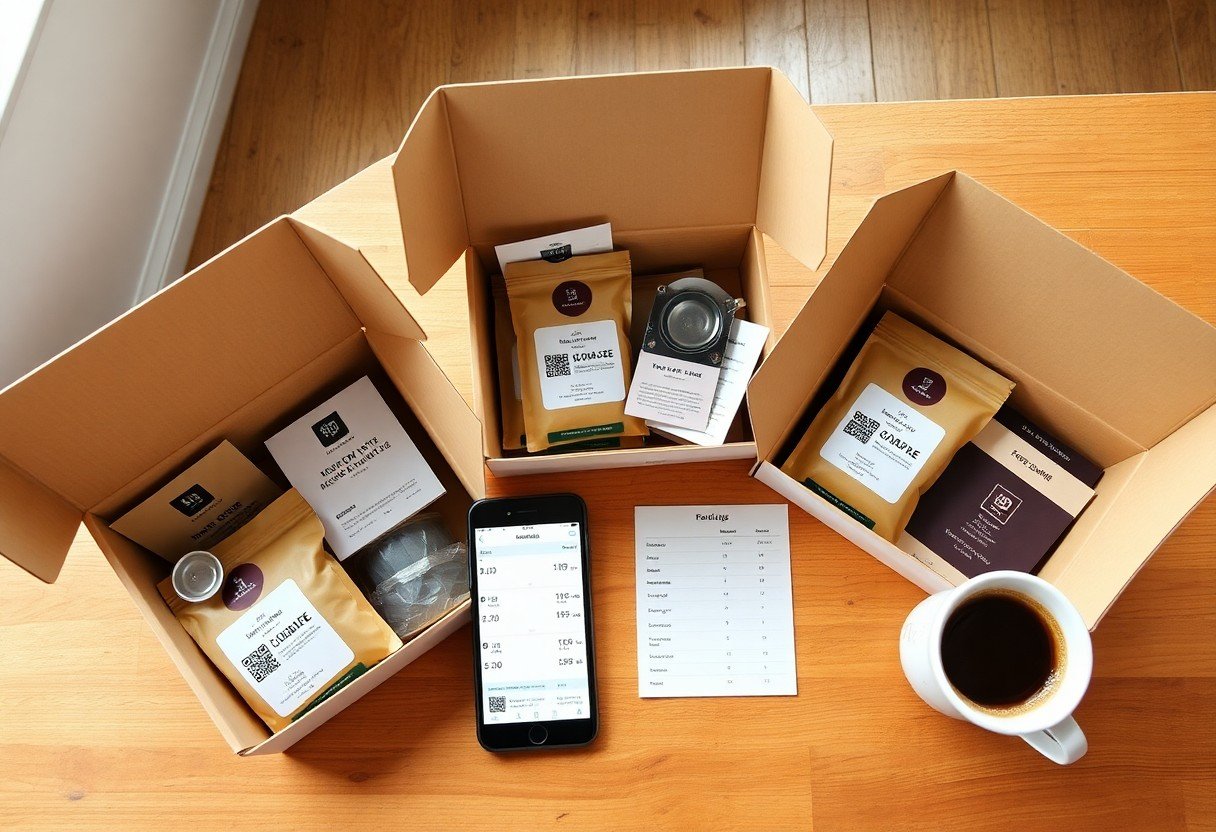
Home espresso and pour-over setups now mirror café equipment, so you can dial brewing variables precisely and taste beans roasted and shipped within days.
Small-batch roasters and curated subscriptions make exploration effortless, letting you refine preferences without sorting through supermarket options.
Defining the Subscription Advantage
Subscriptions remove guesswork by delivering measured bags, roast dates, and tasting notes, enabling you to compare regions and roast profiles systematically.
Control over frequency, grind, and portion size lets you minimize waste while aligning every delivery with how you actually brew at home.
Understanding the Direct-to-Consumer Model
Direct-to-consumer brands source, roast, and ship directly, so you receive fresher cups and clearer provenance that help you assess quality.
Pricing models and flexible plans let you pause, swap origins, or adjust quantities, which helps you optimize cost and flavor for your routine.
Key Metrics for Evaluating Premium Services
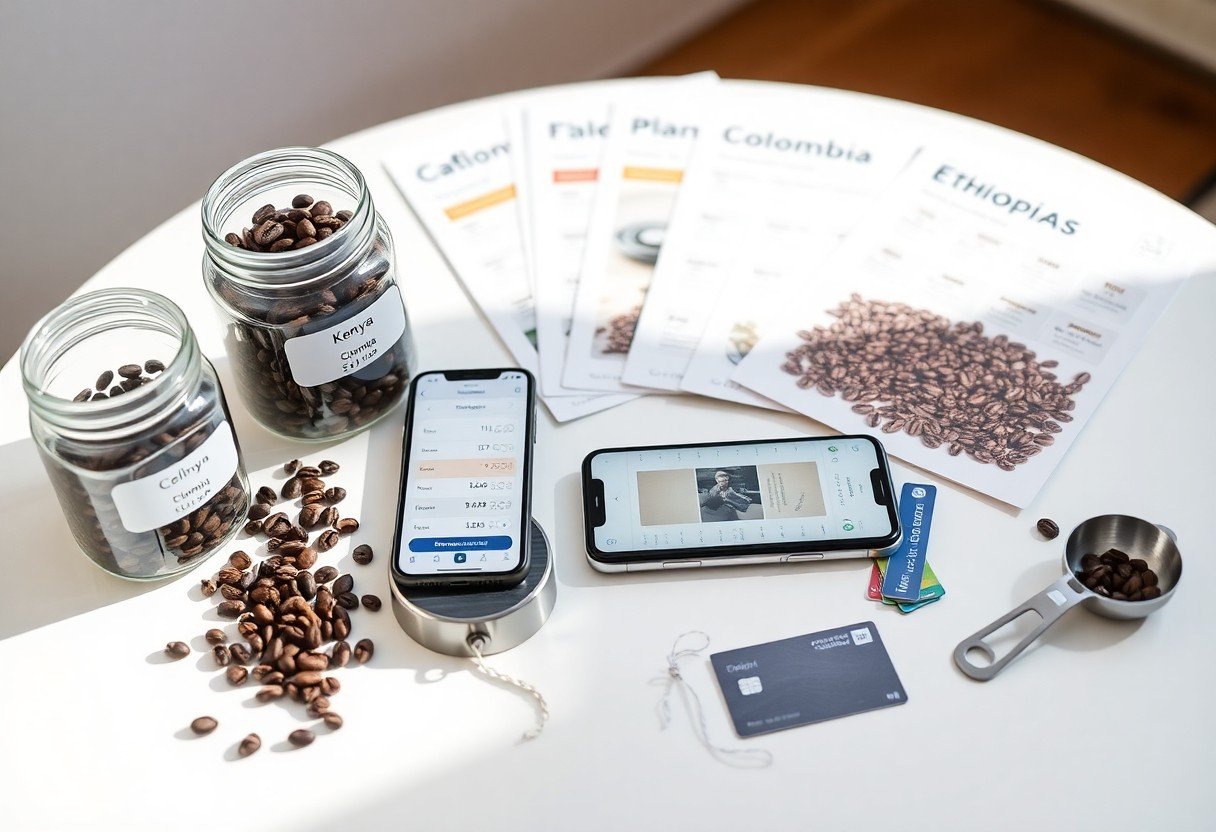
Price per bag and cost per cup give you a straightforward basis for comparison, letting you judge whether tasting variety justifies the subscription fee. You should weight introductory discounts against long‑term pricing and shipping fees to see true value.
Delivery reliability and roast‑to‑door timing determine freshness and convenience you’ll actually experience. You should check flexibility for skip, pause, or frequency changes so the service adapts to your usage patterns.
Roasting Profiles and Flavor Palette Customization
Roasters who offer multiple roast gradients let you match beans to your preferred brew method and flavor intensity, so you control acidity, body, and sweetness. You should look for sample packs or single‑origin offerings to refine your palate.
Options for personalized flavor notes, grind adjustments, and tasting flights help you dial in consistent results at home. You should prioritize services that track your feedback and adjust future selections based on what you actually enjoy.
Sourcing Ethics and Bean Origin Transparency
Traceability of farms and cooperatives lets you verify ethical claims and assess whether premiums reach producers; you should expect clear origin stories and payment terms. You can favor subscriptions that publish farm names, harvest dates, and processing methods.
Certifications like Fair Trade or organic provide signals, but you should look for direct‑trade reports, price breakdowns, and farmer interviews to determine real impact and fairness in the supply chain.
Analyzing the Multi-Roaster Marketplace
Marketplace offerings let you sample multiple roasters in one subscription, with flexible frequencies and profiles; compare cost and variety in Affordable Coffee Subscriptions: 15 Best Picks for 2026.
You can prioritize tasting diversity, price, or roast transparency when choosing between single-roaster loyalty and multi-roaster sampling plans.
Trade Coffee: Personalized Algorithmic Matching
Trade uses a short tasting quiz and algorithm to match you with roasters, then refines selections based on the ratings you give each shipment.
Mistobox: Curated Selections from Boutique Roasters
Mistobox offers curated menus from small roasters so you can pick profiles you like without committing to full subscriptions from a single house.
Explore pause and swap options that let you adjust deliveries, roast levels, and frequency so you receive beans that suit your brewing routine and taste shifts.
Leading Single-Roaster and Educational Subscriptions
Single-roaster subscriptions give you a focused experience from one house, highlighting seasonal lots and consistent roast techniques so you can follow terroir and processing through time. You gain roast-date transparency and predictable flavor profiles that make brewing adjustments straightforward.
Educational subscriptions pair curated beans with guided lessons and tasting exercises so you improve your sensory vocabulary and brewing skills. You receive structured kits, tasting notes and feedback mechanisms that turn tasting into a repeatable learning process.
Blue Bottle: Consistency in Single-Origin Excellence
Blue Bottle sends you single-origin lots with tight quality control and clear roast dates, letting you rely on consistent sweetness, clarity and clarity of origin in each shipment. You get approachable beans that suit common brewing methods and consistent tasting notes to refine your preferences.
Driftaway: Elevating the Palate Through Focused Tasting Kits
Driftaway personalizes your boxes after a tasting quiz so you receive curated sample kits that reveal differences in acidity, body and finish; you log scores and the service adapts future selections to your feedback. This iterative approach accelerates palate development through side-by-side comparisons.
You can tweak grind, strength and sample sizes while the profile updates with every box, so shipments progressively match what you enjoy; this feedback loop helps you distinguish varietal and processing characteristics and improves long-term selection accuracy.
Global Exploration and Niche Sourcing Models
Global sourcing exposes you to farms across continents, so you taste how altitude, soil, and local processing shape acidity, body, and sweetness in every shipment. You can use that exposure to refine preferences and prioritize origins that match your flavor goals.
Regions with niche sourcing focus on micro-lots and producer stories, giving you access to rare varieties and distinct processing techniques that larger roasters rarely feature. You can balance the desire for consistent favorites against the thrill of discovering unique, limited releases.
Atlas Coffee Club: Regional Focus and Cultural Context
Atlas centers each delivery on a single country, letting you learn cultural context through tasting notes and origin cards that guide how you brew and evaluate each cup. You can rely on their rotating country focus to build a comparative sense of global flavor profiles.
Focus on regional storytelling means you connect with producers and local practices, so you appreciate nuances beyond score-like processing styles and harvest timing that affect final taste. You can compare Atlas’ education-forward approach with subscription models that prioritize variety or consistency.
Bean & Bean: Prioritizing Sustainability and Gender Equity
Bean & Bean prioritizes certified sustainable farms and women-led cooperatives, so you receive beans vetted for environmental standards and social impact. You can expect clear sourcing notes and evidence of premiums paid to producer groups.
Sustainability at Bean & Bean includes compostable packaging and multi-year partnerships that stabilize incomes for growers, allowing you to support more predictable supply chains and community programs. You can weigh slightly higher costs against verified social and environmental benefits.
Details about certifications, the share of women-owned lots, and how premiums are allocated are published on their site, enabling you to verify claims and select the plan that best aligns with your ethical and tasting priorities.
Logistics, Pricing, and Long-term Value
Shipping cadence directly affects bean freshness and storage needs; set delivery frequency to match your consumption so you avoid stale coffee or excess inventory.
Costs extend beyond the bag price: include grind fees, shipping, and potential discounts for longer commitments when assessing whether a subscription saves you money over time.
Subscription Flexibility and Shipping Efficiency
Flexible skip, pause, and frequency options let you tailor deliveries to your habits so you avoid waste and unexpected charges while maintaining fresh beans.
Carrier reliability and packaging matter for roast integrity, so you should choose services that use quick transit and protective packaging to preserve aroma and flavor.
Evaluating Cost Per Ounce Across Premium Tiers
Price per ounce can double or triple between core blends and single-origin micro-lots; you should calculate effective cost by dividing total monthly spend by ounces delivered to compare tiers fairly.
Higher-tier offerings may justify their premium if you value rarity or consistent cupping scores, but you should weigh tasting notes, roast level, and frequency against the extra cost.
To wrap up
You should weigh roast style, frequency, and budget when comparing specialty coffee subscriptions. Single-origin options suit tasting exploration, custom plans suit precise preferences, and curated boxes save time. Look for clear roast dates, sample sizes, and flexible skip/cancel policies to match your routine. Prioritize the aspects that matter most so each delivery fits your daily cup.
FAQ
Q: What types of specialty coffee subscriptions are commonly offered?
A: Specialty coffee subscriptions typically fall into a few clear categories: roaster-curated samplers that rotate beans from different origins, single-origin programs focused on one farm or region, blend subscriptions optimized for espresso or daily brewed coffee, micro-lot or limited-release boxes for rare beans, and convenience-focused plans that prioritize cost and consistency. Roaster-curated samplers suit drinkers who want variety and discovery. Single-origin options appeal to those who prefer tracing flavors to a specific country, region, or farm. Blend subscriptions fit espresso users seeking consistent crema and balance. Micro-lot boxes target collectors and tasting-focused home baristas willing to pay premium prices.
Q: How do pricing and portion sizes differ between popular subscriptions?
A: Pricing usually ranges from about $10-$30 per 12-16 oz bag depending on roast quality and rarity, with micro-lot options often exceeding $40 per bag. Lower-cost plans keep prices near commodity-roast levels but limit origin transparency. Mid-tier subscriptions frequently include single-origin beans roasted within a week of shipping and cost roughly $15-$25 per bag. High-end or specialty micro-lot services charge premiums for limited availability, direct-trade relationships, and detailed farm stories. Quantity options commonly include 8 oz, 12-16 oz, and 1 lb bags, and per-cup cost decreases with larger bag sizes or multi-bag discounts.
Q: How important is roast profile customization and how do subscriptions handle it?
A: Roast profile matters for both flavor preference and brewing method. Many subscriptions let subscribers choose general profiles such as light, medium, or dark roast and will tailor selections accordingly. Some roasters provide tasting notes and recommended brewing methods, while others offer curated surprise boxes with no customization. Espresso-focused plans typically favor darker blends or specific roast curves tuned for espresso machines. Home brewers who need precise control should select services that allow roast-level selection and provide roast dates for freshness tracking.
Q: What delivery frequency and flexibility options should I expect?
A: Standard delivery cadences include weekly, biweekly, and monthly shipments, plus one-off gift purchases. Most reputable subscriptions allow skipping a delivery, delaying the next shipment, or changing frequency from the account dashboard. Automatic recurring billing is common, so subscribers should review how far in advance changes must be made to avoid unwanted shipments. Trial subscriptions or introductory boxes are useful for testing frequency and portion sizes before committing to ongoing deliveries.
Q: How do grind options and device compatibility vary across services?
A: Service offerings range from whole-bean only to multiple grind settings for pour-over, drip, French press, AeroPress, and espresso. Whole-bean options preserve freshness and are recommended for users with a dedicated grinder. On-demand grind choices are convenient for those without grinders but can accelerate staling; ordered grind should match the brewing method exactly for best extraction. Subscribers with automatic espresso machines should confirm grind fineness and dosing recommendations, and manual-brew hobbyists should look for grinders that allow adjustable particle distribution separately from the subscription.
Q: How can I judge origin transparency, roast date accuracy, and ethical sourcing?
A: Quality-focused subscriptions usually include roast dates on packaging and product pages, origin information down to region or farm, and notes about processing methods. Look for listings that show farmer names, lot numbers, or direct-trade relationships when provenance matters. Certifications such as organic or Fair Trade provide baseline assurance but do not replace traceability and transparency about pricing to producers. Freshness is best assessed by roast date within one to three weeks of shipment for light roasts and up to four weeks for darker roasts.
Q: What customer service, cancellation, and satisfaction policies should influence my choice?
A: Clear cancellation and pause policies reduce the risk of unwanted recurring orders; top services allow cancellations from the account area with at most one billing cycle notice. Satisfaction guarantees or first-box refunds indicate confidence from the roaster and help mitigate dissatisfaction. Shipping terms such as free shipping thresholds, return windows, and replacement policies for damaged goods differ widely and should be reviewed before subscribing. Responsive customer support with multiple contact channels is helpful when adjusting grind, frequency, or resolving quality issues.