
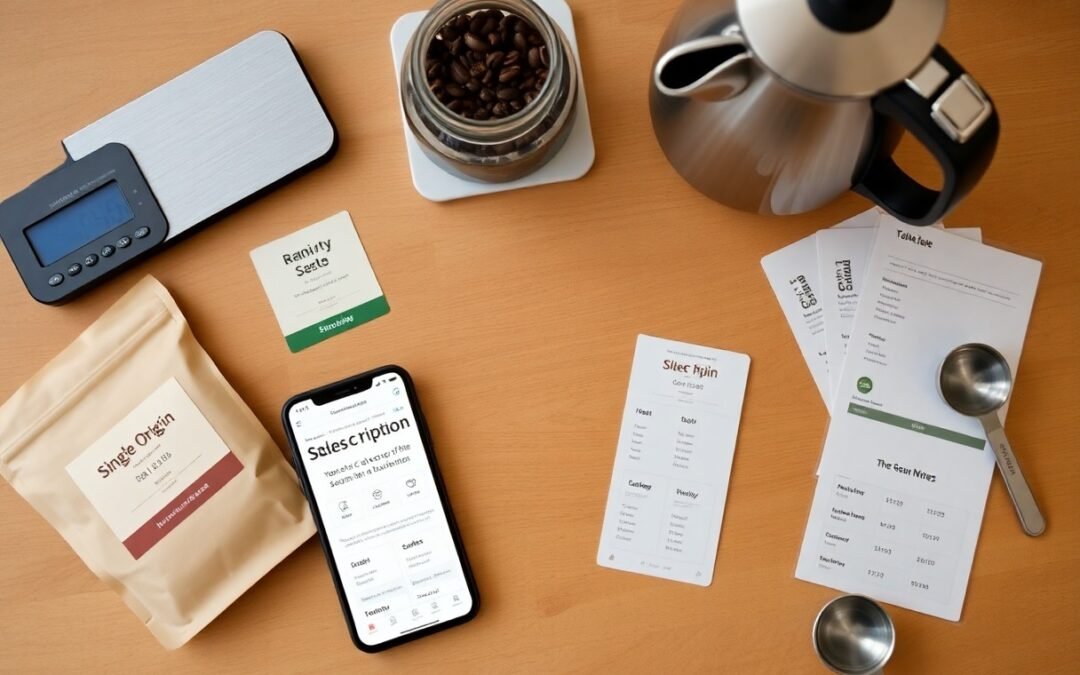
Many coffee options claim premium status, but you can pick a specialty subscription that matches roast quality, origin transparency, grind choices, and delivery frequency while keeping monthly costs in check by comparing sample sizes and cancellation policies.
Key Takeaways:
- Match beans to your brew and flavor preferences: choose the right grind and bag size for your method, and pick roasters that list roast dates and origin so freshness and quality are transparent.
- Set a clear per-bag and per-cup budget: calculate cost per cup (bag weight ÷ grams per brew), include shipping and discounts, and compare value versus single-origin premium pricing.
- Prioritize subscription flexibility and trials: choose plans with pause/skip options, adjustable frequency, and sample packs; take recurring discounts only if your consumption preserves freshness.
Understanding Specialty Coffee Grading Factors
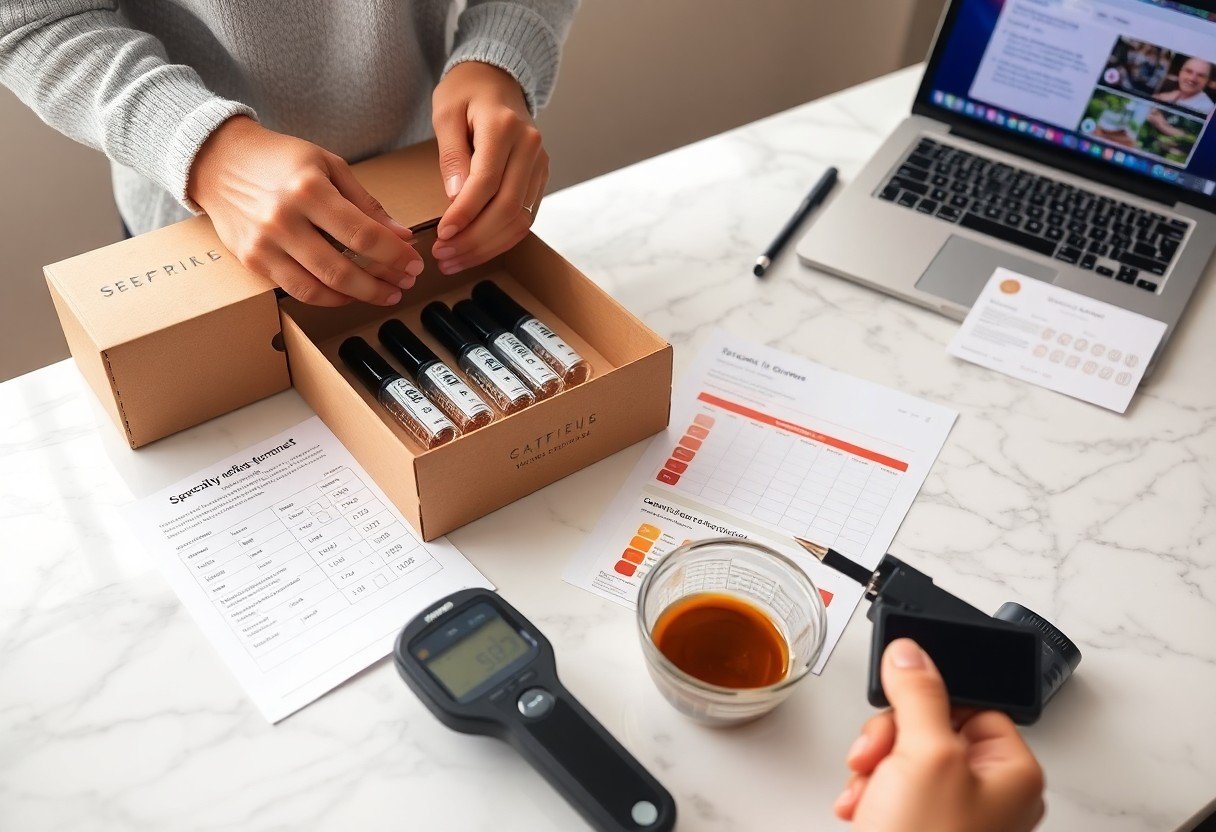
Grading systems combine cupping scores, defect counts, and traceability so you can compare value; community threads like To my frugal coffee drinkers who love premium … highlight real buyer tradeoffs.
- Score: look for 80+ to confirm specialty status.
- Defects: fewer defects mean greater consistency for your subscription.
- Sourcing: direct trade or clear origin notes help you judge ethical premiums.
Perceiving how scores and sourcing map to price helps you avoid paying for negligible gains.
Analyzing Bean Quality and Sourcing Standards
Assess cup score, origin transparency, and farmer relationships so you can decide whether a higher subscription price matches measurable quality and traceability.
Identifying Roast Freshness and Packaging Integrity
Check the roast date, one-way valve, and seal type so you receive beans at peak flavor and reduce the chance of stale deliveries.
Monitor ideal use windows (two to four weeks post-roast), prefer whole-bean shipments, and choose opaque, resealable bags to keep aroma and value intact for your cups.
How-to Define Your Personal Palate Preferences
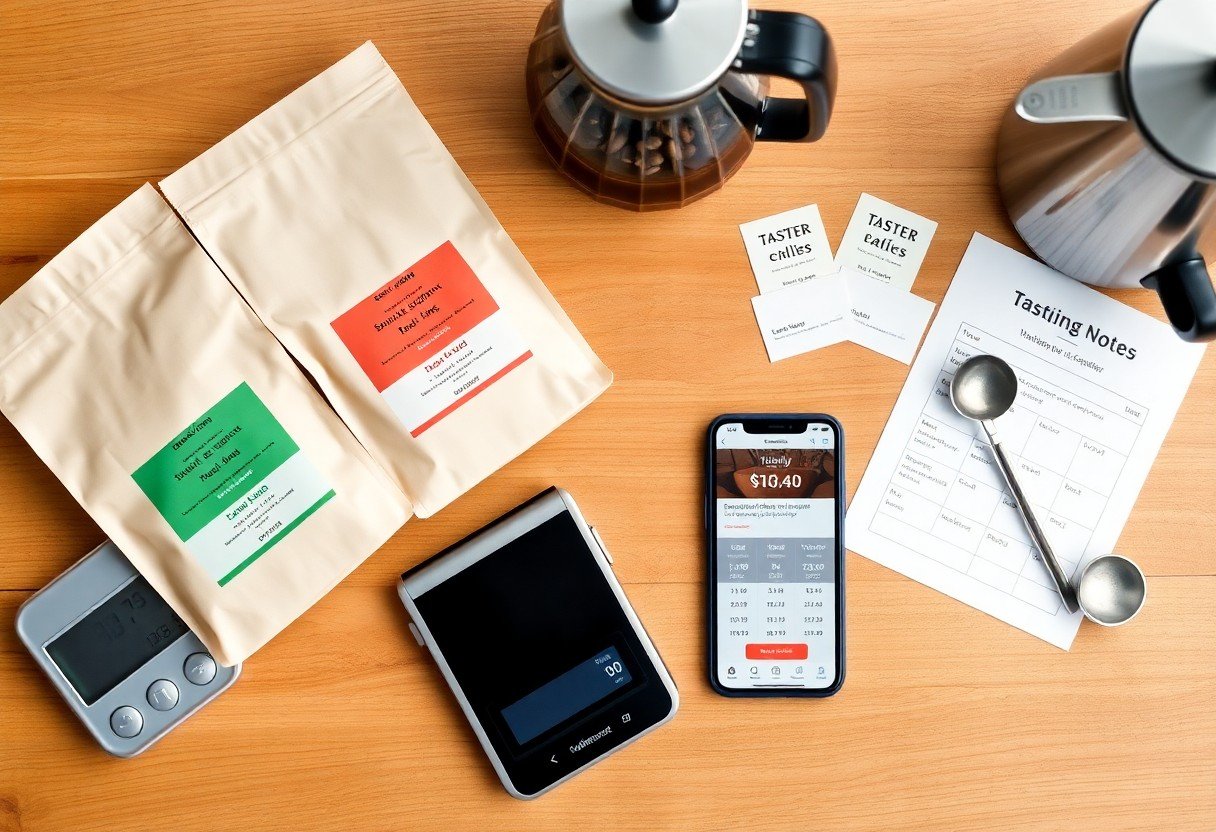
You should sample small pours side-by-side, noting acidity, sweetness, body and finish so you can tell a roaster which attributes you enjoy and which to avoid in a subscription.
Identify your preferred brewing methods and keep a simple tasting log that records grind, water ratio and flavor notes; that record helps you choose subscriptions that match how you actually drink coffee.
Selecting Between Single-Origin and Blends
Single-origin coffees reveal clear regional character, so if you favor bright, fruit-forward or floral notes you’ll want subscriptions that rotate distinct origins.
Blends provide consistency and balance, which suits everyday brewing and budget planning; you can alternate blends for regular use and single-origins for tasting sessions.
Determining Roast Level and Flavor Profiles
Light roasts highlight origin-driven acidity and delicate fruity or floral notes, so choose them if you prefer clarity and use pour-over or drip methods.
Medium roasts offer a sweeter, fuller body that works across filter and espresso methods, and you’ll often find they represent the best everyday compromise between nuance and approachability.
Dark roasts emphasize toasted, chocolatey or smoky notes and lower perceived acidity, so pick them if you prefer bolder, heavier cups and ask for roast dates and sampler options to confirm your preference.
Evaluating Subscription Pricing Models
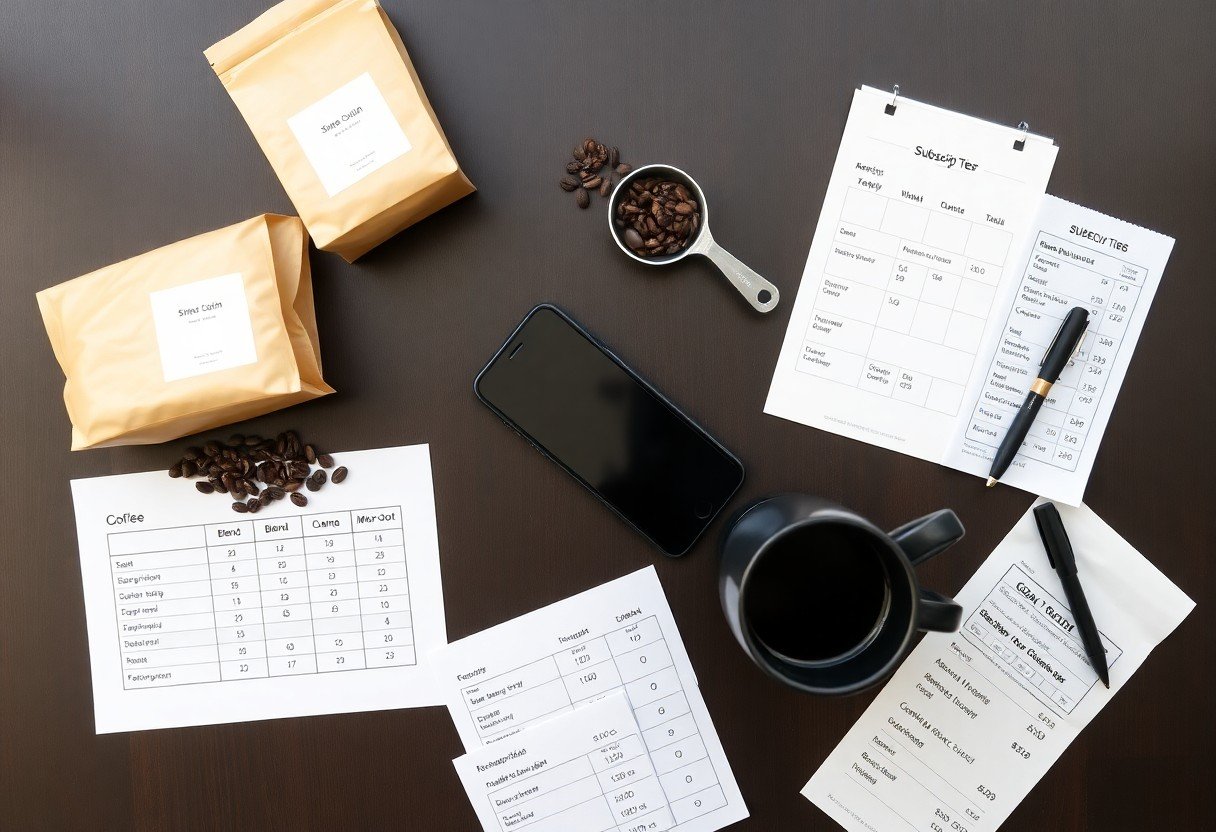
Compare per-bag and per-cup pricing so you can determine what you actually pay for origin, roast, and consistent freshness.
Balance subscription tiers by matching included services to your habits so you avoid paying for extras you won’t use.
Assessing Shipping Costs and Delivery Frequency
Check shipping fees against order size and frequency so you can spot hidden costs that inflate the per-cup price.
Adjust delivery cadence to match your consumption and reduce per-shipment costs without accumulating stale beans.
Shipping cost breakdown
| Factor | What to check |
|---|---|
| Flat vs. per-item fees | Whether a flat fee or per-bag charge raises unit cost |
| Free-shipping threshold | If you can meet the minimum without overbuying |
| Expedited or international charges | How much speed or distance adds to each order |
| Subscription bundling | If combined orders (beans + gear) lower overall shipping |
Comparing Bulk Discounts and Membership Perks
Weigh bulk discounts against how quickly you consume beans so you don’t sacrifice freshness for a lower unit price.
Opt for memberships when perks like store credits, exclusive roasts, or equipment discounts align with purchases you already make.
Consider contract length, cancellation terms, and perk expiration so you can calculate true long-term savings for your routine.
Discounts and perks at a glance
| Type | When it benefits you |
|---|---|
| Volume discount | You brew daily and finish bags quickly |
| Loyalty credits | You consistently repurchase and use credits for new beans |
| Exclusive releases | You value access to limited single-origin lots |
| Member equipment discounts | You plan to buy a grinder or brewer from the roaster |
Essential Tips for Maximizing Subscription Value
Compare price-per-ounce, roast-date clarity, and shipping when you judge subscription value.
- Pick roasts with clear roast dates and origin information.
- Choose bag sizes and grind options that match how you brew.
- Check shipping fees, skip/pause policies, and cancellation terms before subscribing.
Knowing how these pieces affect flavor and total spend helps you pick the subscription that fits your routine and budget.
Utilizing Trial Offers and Sample Kits
Sample trial offers and sample kits let you test roast profiles, processing styles, and freshness before you commit. Try small packs of single-origin and blends, note roast dates across shipments, and assess which flavors suit your palate. Use trial discounts to lower upfront cost and avoid extended plans that don’t match your preferences.
Managing Flexible Scheduling to Reduce Waste
Adjust delivery frequency and bag size to align with how often you brew so your beans arrive fresh. Pause shipments during travel and use skip options instead of letting beans sit, which cuts waste and unnecessary expense.
Set a simple log of how many grams you use per day, then calculate the ideal cadence and bag size; combine shipments with a friend to split shipping costs, or choose fewer larger bags if you brew heavily, and store beans airtight in a cool, dark spot to preserve freshness between deliveries.
How-to Verify Roaster Transparency and Credibility
Verify the roaster’s sourcing pages for farm names, origin photos, and price paid so you can judge whether their claims match verifiable data rather than marketing language.
Ask customer service for roast dates, traceability reports, or producer profiles when information is sparse, and factor responsiveness and detail into your subscription value assessment.
Reviewing Direct Trade and Ethical Sourcing Claims
Assess direct-trade statements by looking for named farms, payment terms, and evidence of long-term relationships so you can favor roasters that show concrete commitments over vague promises.
Researching Roaster Reputation and Certifications
Compare third-party certifications, lab-testing disclosures, and independent reviews to confirm consistent quality and ethical practices before you commit to a plan.
Check industry memberships, award histories, and how transparently the roaster publishes cupping notes and roast profiles; these details help you separate reputable roasters from opportunistic brands when choosing a subscription.
To wrap up
Summing up, you can balance quality and cost by prioritizing roast freshness, single-origin or well-rated blends, and flexible delivery options with trial-sized plans. Compare per-cup price, check roast dates, use introductory offers, and set delivery frequency to match consumption. Choose a roaster with transparent sourcing and easy pause/cancel policies so you enjoy premium coffee without overspending.
FAQ
Q: What defines a premium specialty coffee subscription and why do prices vary?
A: Premium specialty coffee subscriptions typically source beans scored 80+ on a 100-point scale, offer single-origin or microlot lots, provide traceability to farms or cooperatives, and roast to order in small batches. Prices vary because higher scores and single-origin microlots cost more to purchase, direct-trade or fair-pay practices raise farmer compensation, small-batch roasting and careful packaging increase per-unit costs, and shipping fresh beans quickly adds expense. Some subscriptions include curated tasting notes, cupping reports, or producer stories that raise perceived value without always raising cup quality.
Q: How do I calculate the true cost per cup so I can set a sensible budget?
A: Calculate cost per cup by dividing the bag price (including subscription discounts and shipping) by estimated number of cups per bag. Use 10-18 grams per cup depending on brew method; for example, a 340 g (12 oz) bag at 15 g per cup yields about 22 cups. Add recurring costs such as grinder wear, filters, and electricity if you want full lifetime cost, but those usually add only pennies per cup. Set a weekly or monthly coffee budget first, then test different bag sizes and frequencies until the per-cup cost fits that budget.
Q: Which subscription frequency and grind options reduce waste while keeping coffee fresh?
A: Choose delivery frequency that matches your consumption: weekly or biweekly for heavy drinkers, monthly for lighter drinkers. Whole-bean options preserve freshness longer than pre-ground; select grind-on-demand only if the roaster offers it for your brew style. Smaller bag sizes (e.g., 100-250 g) reduce stale leftover risk for single-drinker households. Use the subscription’s pause, skip, or swap features to avoid accumulating beans you won’t finish.
Q: How can I compare quality across subscription services without falling for marketing jargon?
A: Compare roast dates and ask for roasting frequency to confirm freshness. Look for clear origin and producer information, cupping scores or independent tasting notes, and whether the roaster lists processing methods and lot sizes. Seek sample packs or single-bag purchases to test quality before committing. Read third-party reviews focused on consistency, and check whether the roaster offers refunds or replacements for off flavors.
Q: What practical strategies let me enjoy premium beans while keeping costs down?
A: Try sampler packs or monthly rotating selections to identify favorites before committing to larger bags. Split larger bags with a friend or household member to get a lower per-gram price without wasting beans. Use first-order discounts and loyalty credits but disable automatic upsells you won’t use. Buy directly from small local roasters to cut some shipping costs, or choose subscription tiers that omit premium extras like gift packaging to reduce price.
Q: How much should I spend on equipment to taste the difference without overspending on gear?
A: A quality burr grinder, a kitchen scale, good kettle, and proper filters deliver the biggest improvements for most brew methods; these items are affordable in mid-range models and produce reliable extraction. Expensive espresso machines or specialty gear can improve results but matter less than fresh beans and consistent grind and dose. Allocate most of your budget to beans at first, then upgrade equipment gradually based on the brewing method you use most.
Q: How do I evaluate a subscription before committing long-term and avoid buyer’s remorse?
A: Test with a single bag or sample box first and keep a tasting log to judge consistency over several shipments. Review the subscription’s terms for pause, skip, and cancel policies and verify shipping costs for future orders. Check customer service responsiveness with a quick pre-purchase question and read refund or satisfaction guarantees. Track cost per cup across a month to ensure the subscription fits your budget before switching to a longer plan.