
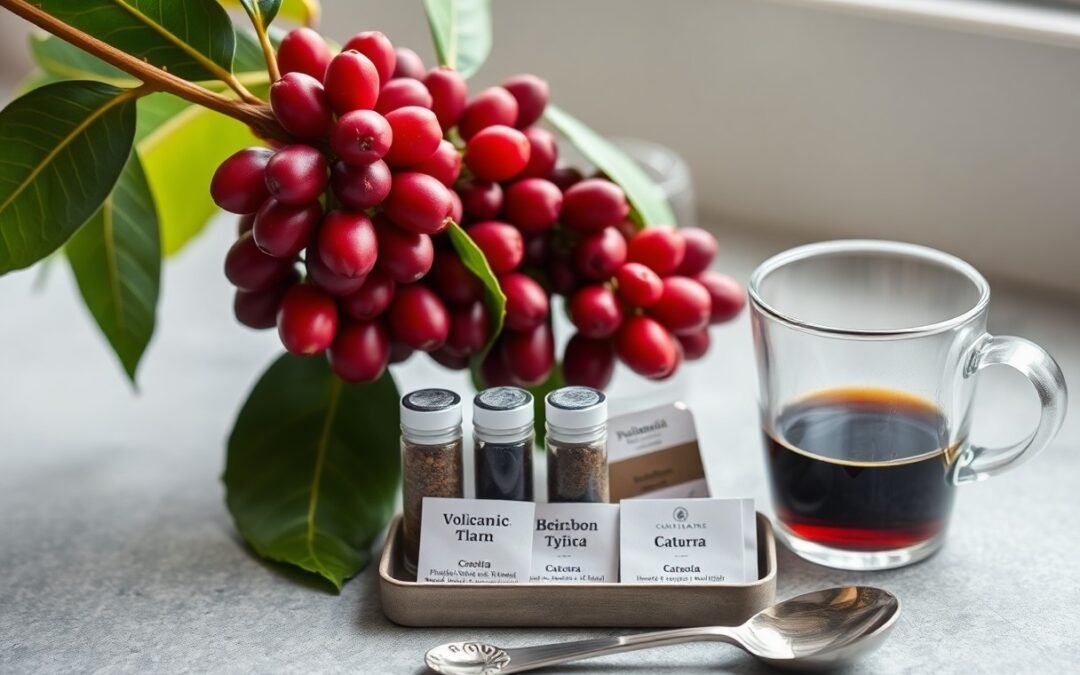
Many people find house blend coffee irresistibly aromatic because careful bean selection, balanced roasting, and blended origins give you layered sweetness, bright acidity, and warming spice; learn more at What Is House Blend Coffee? Everything You Need to Know to refine your brewing.
Key Takeaways:
- Balanced bean selection-dominantly Arabica paired with complementary varieties-builds a layered flavor base of sugars and oils that produce floral, fruity, and chocolatey aromatics.
- Controlled roast profile unlocks volatile compounds via Maillard reactions and caramelization, with medium to medium-dark roasts maximizing aroma without masking origin characteristics.
- Freshness and handling matter: small-batch roasting, a short degassing window, airtight storage, and correct grind-to-brew timing preserve volatile oils and deliver a highly aromatic cup.
The Alchemy of Blending: Crafting a Complex Profile
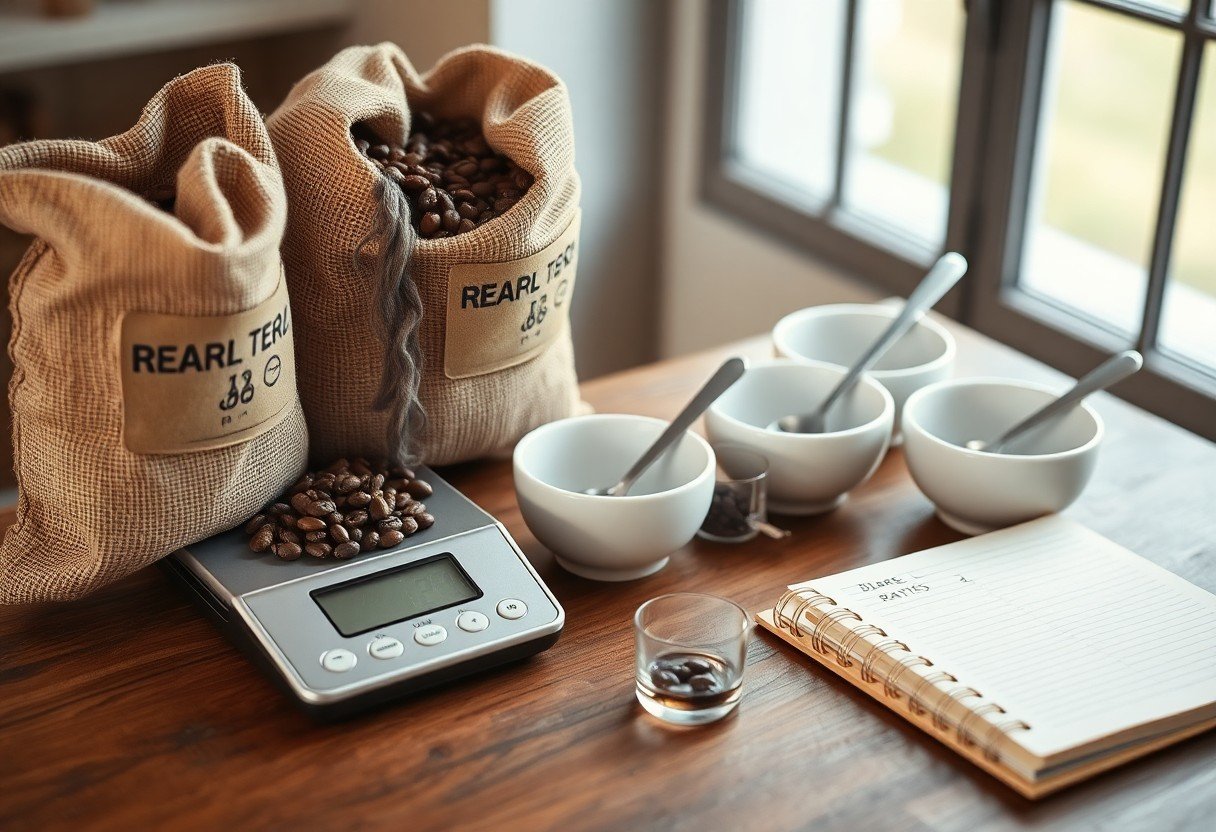
Blending lets you combine aromatic signatures so the cup reveals layers rather than a single note, marrying bright citrus, chocolate, and spice into a coherent whole. Sensory mapping guides which beans amplify floral esters or suppress harsh phenolics, giving you a consistently inviting aroma across batches.
Roasters manipulate roast degree and bean ratios so you can control volatile release without flattening the blend’s character. Small adjustments in development time and post-roast rest change how oils and sugars present, allowing you to design a perfume-like complexity that greets the nose.
Harmonizing Diverse Regional Characteristics
Origins offer you contrasting flavor building blocks-Ethiopian florals, Central American brightness, Brazilian sweetness-that, when combined, produce an aromatic synthesis richer than any single source. Thoughtful pairing minimizes clashes and accentuates complementary volatile compounds that make the blend smell layered and intriguing.
Balancing Acidity, Body, and Sweetness
Acidity, body, and sweetness interact to shape perceived aroma, so you must balance them to avoid sharpness or thinness that masks fragrance. Adjusting bean proportions lets you tune mouthfeel and lingering sweetness, which in turn enhances the aromatic perception when you cup the coffee.
Technique such as targeted roast profiling, proportional tweaking, and cupping iterations gives you practical levers to refine that balance; small changes alter solubles and aroma intensity, helping you achieve the desired expressive bouquet consistently.
Roasting Mastery: Developing Volatile Compounds
Roasting forces chemical transformations that create the volatile bouquet you expect from a house blend. You control heat and time to liberate esters, aldehydes and phenols that produce floral, nutty and chocolate notes without tipping into burnt or ashy characters.
Control of the roast curve preserves delicate aromatics while encouraging formation of melanoidins and caramelized sugars. You adjust drum speed, airflow and ramp rates to shape how volatiles are formed and released into the cup.
The Maillard Reaction and Caramelization
Maillard chemistry produces melanoidins and hundreds of aroma precursors that give you toasted, savory and complex brown notes. You manage temperature windows to promote these reactions while limiting bitter byproducts.
Sugars undergo caramelization into furans and lactones that provide sweet, brown-sugar and toffee aromas; you favor slow development phases to deepen scent without charring the beans.
Precision Heat Application for Maximum Scent Intensity
Precision in heat application means exact ramp rates and hold points so you can maximize volatile formation at specific temperatures. You rely on repeatable profiles to reproduce the aromatic signature you want.
Timing the approaches to first and second crack lets you bias the roast toward brighter floral volatiles or deeper roasty notes; you tune those moments in seconds, not minutes, to shift aroma balance.
Monitoring bean temperature, airflow and moisture in real time gives you the data needed to refine profiles; you pair sensor logs with cupping feedback to lock in the scent intensity that defines your blend.
The Role of Essential Oils: The Carriers of Fragrance
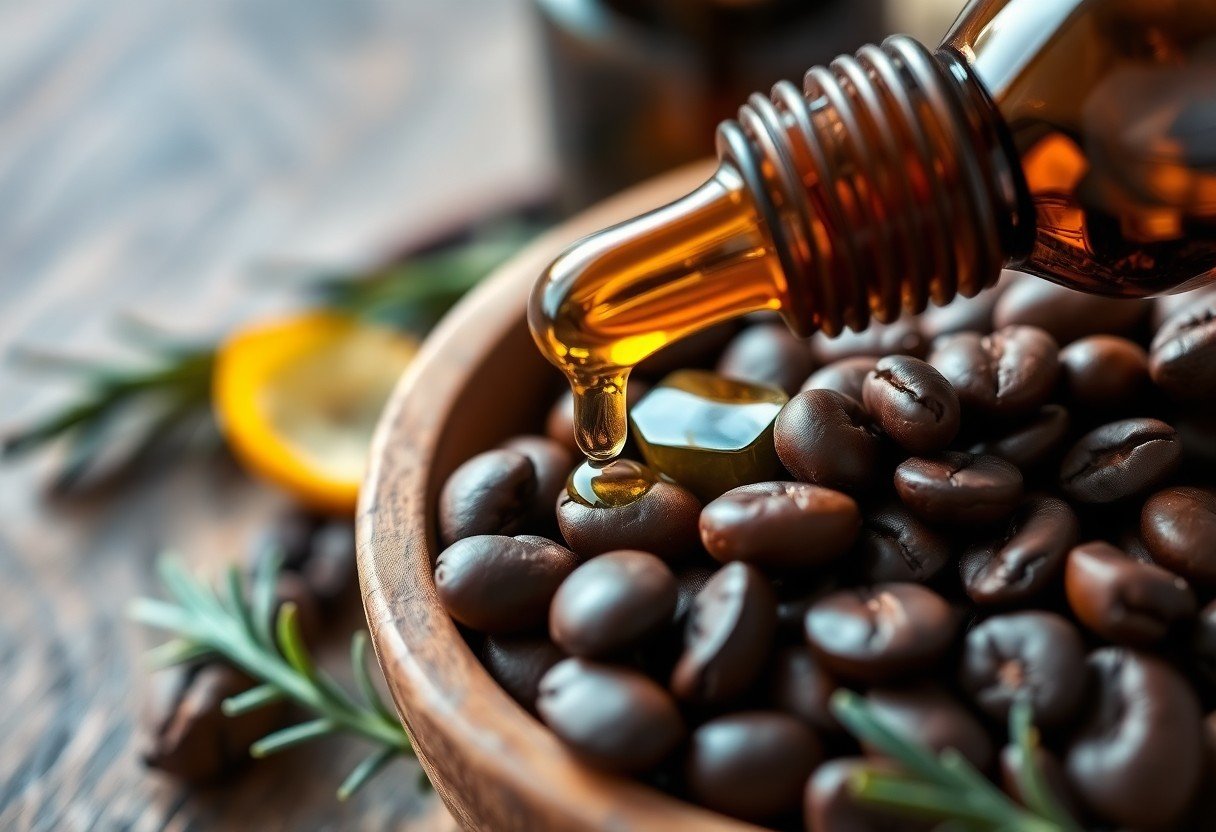
Oils concentrate the volatile compounds that give house blend coffee its complex aroma, and you detect floral, fruity, and caramel notes as they evaporate during brewing.
Roasting drives oil development and releases bound aromatics so you experience a fuller bouquet when beans are ground fresh.
Surface Oil Migration During the Roast
Heat causes oils to move from bean interiors to the surface, and you notice a sheen on darker roasts as aromatic compounds concentrate outward.
Chemical Stability and Aromatic Longevity
Oxygen exposure breaks down some volatile molecules, so you lose bright top notes if beans are left open but retain heavier sweet and roasted aromas longer.
Storage in airtight, low-light conditions slows oxidation and preserves vital oils, ensuring you can enjoy the blend’s signature scent over days rather than hours.
Terroir and Genetic Heritage: The Foundation of Scent
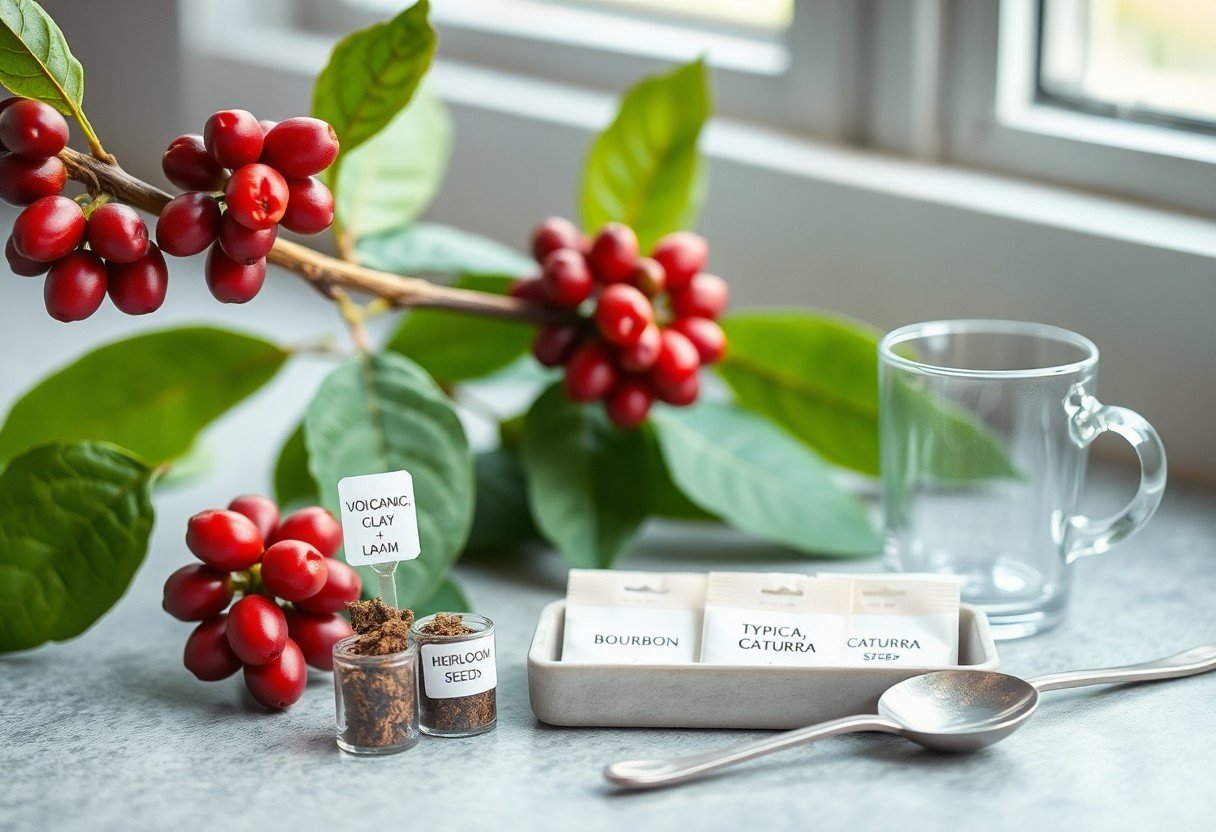
Genetics shape volatile pathways in each coffee line, so you can trace floral, citrus, or cocoa notes back to varietal enzymes and metabolite patterns.
Soil and microclimate interact with those genes, letting you detect mineral, tea-like, or brown-sugar undertones influenced by pH, organic matter, and microbial communities.
Varietal Influence on Primary Aromas
Heirloom varieties often release jasmine and bergamot aromatics, while newer hybrids tend toward nutty, caramel, and stone-fruit profiles, so you use blends to balance forward notes.
High-Altitude Cultivation and Nutrient Density
Altitude slows cherry maturation and concentrates sugars and acids, so you notice brighter acidity, clearer floral top notes, and more defined aromatic clarity when you cup high-grown beans.
Cool nights and strong daytime radiation increase phenolic complexity and sugar density, giving you more pronounced aromatics, heightened single-origin character, and a lingering finish.
Freshness and Degassing: Preserving the Olfactory Peak
Roast date matters: you want beans that have rested long enough to release surface CO2 while still holding volatile aromatics, targeting the brief window when scent is most expressive.
Freshness hinges on storage after degassing, so you should shield beans from heat, light, and moisture to keep the olfactory peak intact for days to weeks depending on roast and origin.
Managing Carbon Dioxide Release Post-Roast
You should monitor degassing by smell and timing, venting sealed containers briefly in the first 48-72 hours for darker roasts and allowing lighter roasts a few extra days to stabilize.
Allowing beans to off-gas in a one-way valve bag or loosely closed container prevents pressure build-up, and you should grind just before brewing so trapped aromatics are released into your cup.
Protective Packaging and Oxygen Control
Sealed packaging with a one-way valve and oxygen-barrier foil sustains aroma by letting CO2 escape without admitting oxygen, so you should prioritize roasts packaged this way.
Nitrogen-flushed or vacuum-packed options reduce oxygen exposure and lengthen shelf life, yet you will still want to open fresh bags within weeks and avoid repeated air exposure.
Consider transferring opened beans into a small airtight container and storing it in a cool, dark spot so you only expose a limited amount to oxygen each time you brew, preserving scent longer.
Summing up
Upon reflecting, you see that careful sourcing of complementary bean varieties, measured roast profiles, and precise blending unlock complex volatile compounds that produce irresistible aroma. Your senses detect bright acidity, sweet caramel, and roasted oils released by freshness and grind, so the house blend smells inviting and layered.
FAQ
Q: What are the main reasons house blend coffee beans smell so aromatic?
A: Aroma comes from a complex mix of volatile compounds created during roasting, including aldehydes, ketones, pyrazines, and esters. Roast level and bean composition determine which compounds dominate, producing floral, fruity, caramel, chocolate, or toasty notes. Oil-bearing compounds in the beans carry many of these aromatics and release them when grounds warm during brewing. Skilled blending and roasting layer these scents to create a consistently appealing nose.
Q: How does bean origin influence the aroma of a house blend?
A: Origin gives each bean a distinct aromatic fingerprint: Ethiopian coffees commonly present jasmine and berry florals, Central American beans often offer citrus and caramel tones, and Indonesian lots tend toward earthy, spicy notes. Altitude, soil, varietal genetics, and microclimate shape precursors in green beans that become specific aromatics when roasted. Combining origins lets roasters mix complementary scents for a richer overall aroma.
Q: In what way does the roast profile affect aromatic characteristics?
A: Roast time and temperature control formation and degradation of volatile molecules. Shorter, lower-temperature roasts preserve delicate fruity and floral esters, while higher temperatures and longer roasts drive Maillard reactions and caramelization that create brown sugar, chocolate, nutty, and toast-like aromas. Roasters tune the profile to highlight desirable scent notes without burning away fragile compounds.
Q: Why do blends often smell more complex than single-origin coffees?
A: Blending combines beans that contribute top, middle, and base aromatic notes, similar to composing a fragrance. Bright, acidic beans add lively, citrus or floral top notes; mid-bodied beans contribute caramel and stone-fruit character; deeper-bodied beans supply chocolatey or nutty base tones. Thoughtful blending and consistent sourcing produce layered, balanced aromas that read as more complex than a single-origin profile.
Q: What effect do coffee processing methods have on aroma?
A: Processing alters sugars and fermentation compounds in the cherry, which translate into different aromatic precursors in the green bean. Natural (dry) processing commonly yields fruity, wine-like aromatics because sugars ferment on the fruit; washed processing tends toward cleaner, brighter notes with clearer acidity; honey processing preserves sweetness and subtle fruit character. Roasters select processing styles that support the desired aromatic identity for the house blend.
Q: How important are freshness and storage for preserving aroma?
A: Freshly roasted beans contain the highest concentration of volatile aromatics and deliver the fullest scent. Oxygen, heat, light, and moisture cause rapid loss of volatiles and development of stale or cardboard-like odors. Packaging with one-way valves, storing beans in cool, dark conditions, and grinding immediately before brewing help retain the blend’s aromatic intensity.
Q: How do brewing methods influence the aroma experienced in the cup?
A: Brewing temperature, grind size, and extraction determine which aromatic compounds are released and concentrated in the brew headspace. Immersion methods such as French press tend to emphasize body and oil-derived aromas; pour-over and drip methods often highlight clarity and bright aromatics. Using water at appropriate temperatures (around 92-96°C), clean equipment, and freshly ground beans maximizes the house blend’s aromatic expression.