
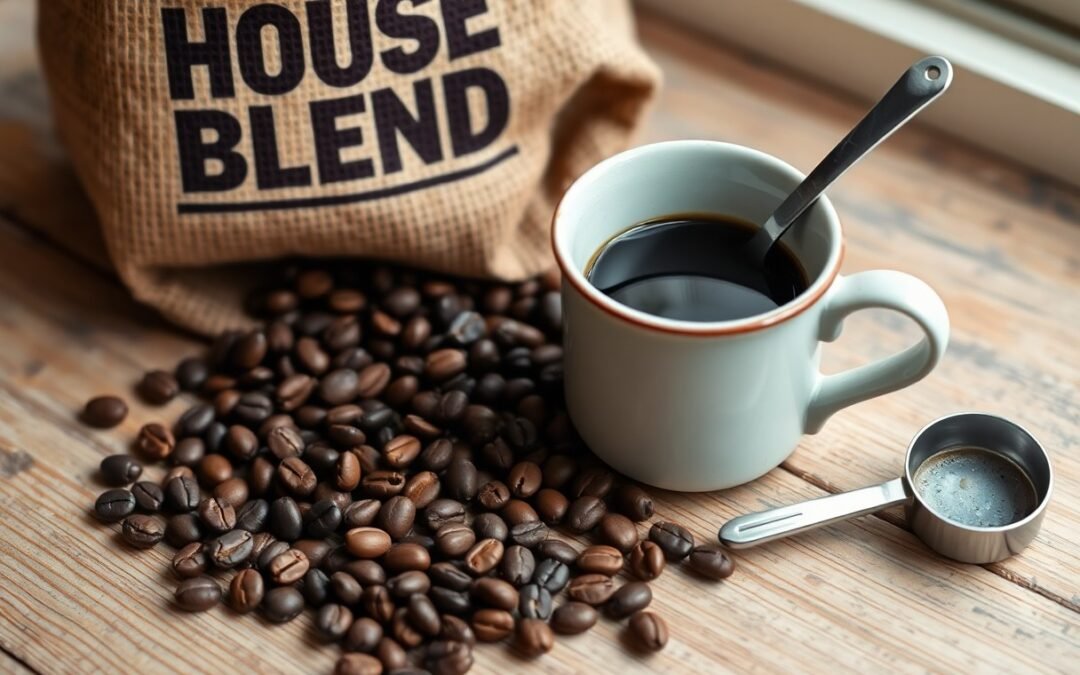
Just try a quality house blend and you’ll discover balanced acidity, layered flavors, and consistent roast that let you brew reliably soulful coffee you can tailor with grind and ratio for café-quality cups at home.
Key Takeaways:
- House blends combine beans from multiple origins to create balanced, layered flavors and consistent cups.
- Bean origin, roast profile, and freshness influence sweetness, acidity, and body more than the “blend” label.
- Personal taste and brewing technique determine whether a blend delivers a “soul-warming” brew; blends excel at versatility across espresso, filter, and milk-based drinks.
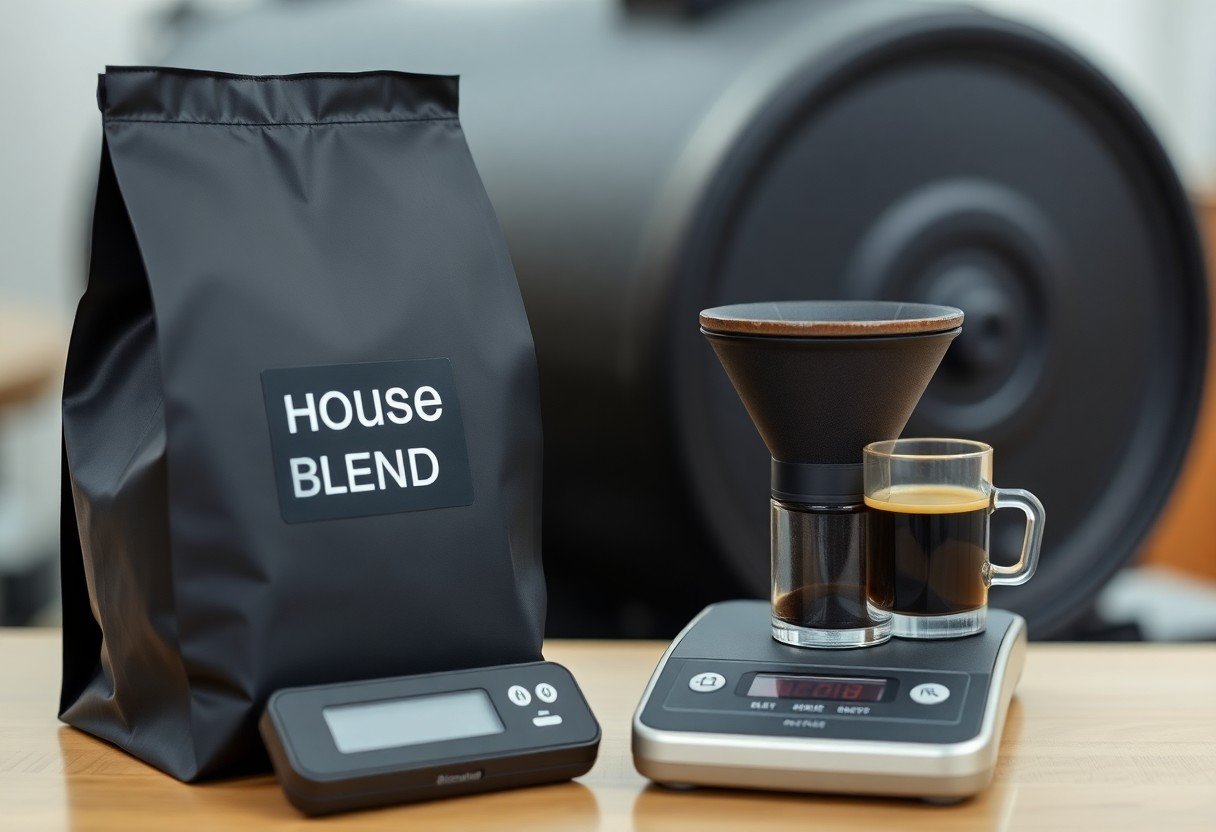
Defining the House Blend: The Roaster’s Signature
Roaster’s house blend embodies the recipe and roast choices you return to for comfort, balancing origin characteristics so each cup feels familiar yet nuanced.
Every batch teaches you how the roaster tames acidity, sweetness, and body into a reliable profile that anchors your daily ritual.
The Philosophy of Intentional Blending
You learn to taste intent when blends are built with purpose, as each component is chosen to complement rather than compete.
Blenders test proportions so you receive consistent notes-cocoa, fruit, or floral-while adapting subtly to seasonal beans.
Creating a Unique Brand Identity Through Flavor
Flavor becomes your brand’s handshake, a recognizable profile that customers recall before they see your logo.
Through careful sourcing and roast curves you craft signatures that invite loyalty and social chatter about your cups.
Branding via taste lets you tell stories about origin and technique, giving customers reasons to choose your house blend over anonymous alternatives.
The Science of Balancing Flavor Profiles
Science shows you how subtle shifts in origin, roast, and extraction interact to shape balance in the cup. You learn to combine contrasting beans so acidity provides lift while body and sweetness round out the finish, creating a coherent, soul-warming brew.
Harmonizing Acidity, Body, and Sweetness
Acidity gives clarity and should play with body and sweetness rather than overpower them. You adjust roast level, grind size, and brew ratio to tame sharpness, preserve syrupy mouthfeel, and let natural sugars harmonize with bright notes.
Achieving Year-Round Consistency Despite Seasonal Harvests
Roasters build blends that absorb seasonal variability so you experience a steady house profile even when single-origin lots shift. You rely on regular cupping, reserve base lots, and tweak proportions to keep signature traits intact through harvest changes.
You track incoming green-bean characteristics, run small test roasts, and document roast curves so adjustments are precise; by maintaining backbone lots and clear quality metrics you reproduce familiar flavor week after week.
Sourcing Strategies for Superior Blends
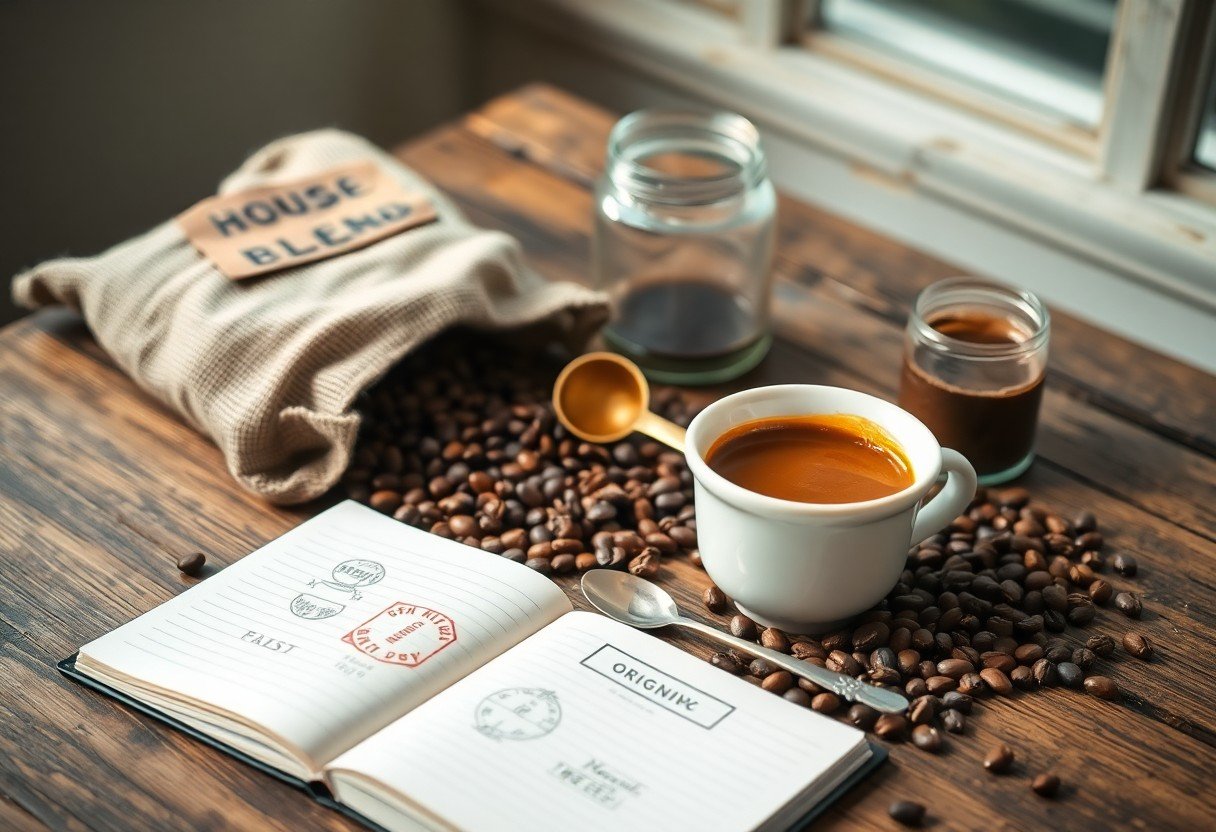
Sourcing specialty lots from diverse micro-regions gives you a broader palette of flavors to blend, allowing precise control over acidity, body and finish. You can prioritize farms that document processing variables and cupping results so each component contributes predictably to your house character.
Direct relationships with producers let you secure priority access to exceptional lots and clarify provenance, which helps you justify flavor choices to customers and staff. You should insist on lot-level traceability to avoid surprises during scale-up.
Selecting Complementary Coffee Origins
You should pair bright Ethiopian lots with chocolatey Central American beans to balance clarity and sweetness, adjusting roast and ratios to suit your desired cup. Testing small trial blends reveals how origin contrasts behave under your profile, letting you refine a signature blend efficiently.
The Role of High-Quality Component Beans
Single-origin components give you dependable flavor anchors; select beans with clean cup profiles so they support complexity without masking nuance. You will find that well-structured base beans make it easier to introduce accent lots without destabilizing the blend.
Processing choices affect clarity and mouthfeel, so you must inspect fermentation and drying records and taste for consistency; consistent processing helps you blend predictable, soulful cups that customers return for. You can then tweak roast points to harmonize the assembled flavors.
The Roasting Process: Crafting Synergy
Roasting shapes how component beans interact, and you monitor color, aroma, and crack timing to harmonize acidity, sweetness, and body into a consistent house blend that warms the cup.
When you tweak roast degree across origins, you create contrast-brighter light roasts against sweeter medium notes or deeper-bodied darker beans-so the blend reads as a cohesive, soul-soothing brew.
Pre-Roast vs. Post-Roast Blending Techniques
Pre-roast blending lets you predict how each variety will respond to heat, so you set ratios to preserve desired acidity and sweetness while targeting a reproducible final profile.
Post-roast blending gives you the flexibility to mix distinct roast levels for immediate cupping feedback, allowing you to correct balance, emphasize aroma, and refine body without re-roasting.
Developing Complex Aromatic Compounds
Developing complex aromatics relies on controlled Maillard reactions and sugar caramelization, which you steer with precise time and temperature to coax floral, nutty, and fruity notes from the blend.
Balancing the roast curve around first and second crack helps you layer volatile compounds so acidity and body coexist, producing nuanced aromatics that persist in the cup.
Careful cooling and brief resting preserve those delicate volatiles; you allow CO2 to stabilize so scent compounds integrate and the blend delivers the rounded, soul-warming aroma you intended.
Why House Blends Excel for the Daily Ritual
House blends offer a balanced, familiar cup that slots into your morning routine, delivering consistent sweetness, measured acidity, and a comforting body that complements toast, pastries, or a quick black pour.
Daily use rewards you with efficiency and predictability, so you spend less time tweaking variables and more time enjoying a dependable, soul-warming brew.
Versatility Across Various Extraction Methods
You can dial house blends across drip, pour-over, French press, and espresso with minor adjustments, because their blended origins smooth extreme flavors and broaden extraction windows.
When you experiment with grind size, dose, or brew time, those steady flavor anchors let you fine-tune texture and brightness without losing the core character.
Reliability and Palate Accessibility for Every Occasion
Your guests and household members will find the cup approachable, as house blends aim for crowd-pleasing sweetness and restrained bitterness that suit diverse palates.
Taste consistency means you can serve the same comforting experience from Monday through Sunday, whether you brew for a quick pick-me-up or a slow weekend ritual.
Blend design also allows roasters to target flavor families-nutty, chocolate, fruity-so you can select a house mix that aligns with preferred notes while still enjoying reliable performance across brew methods.
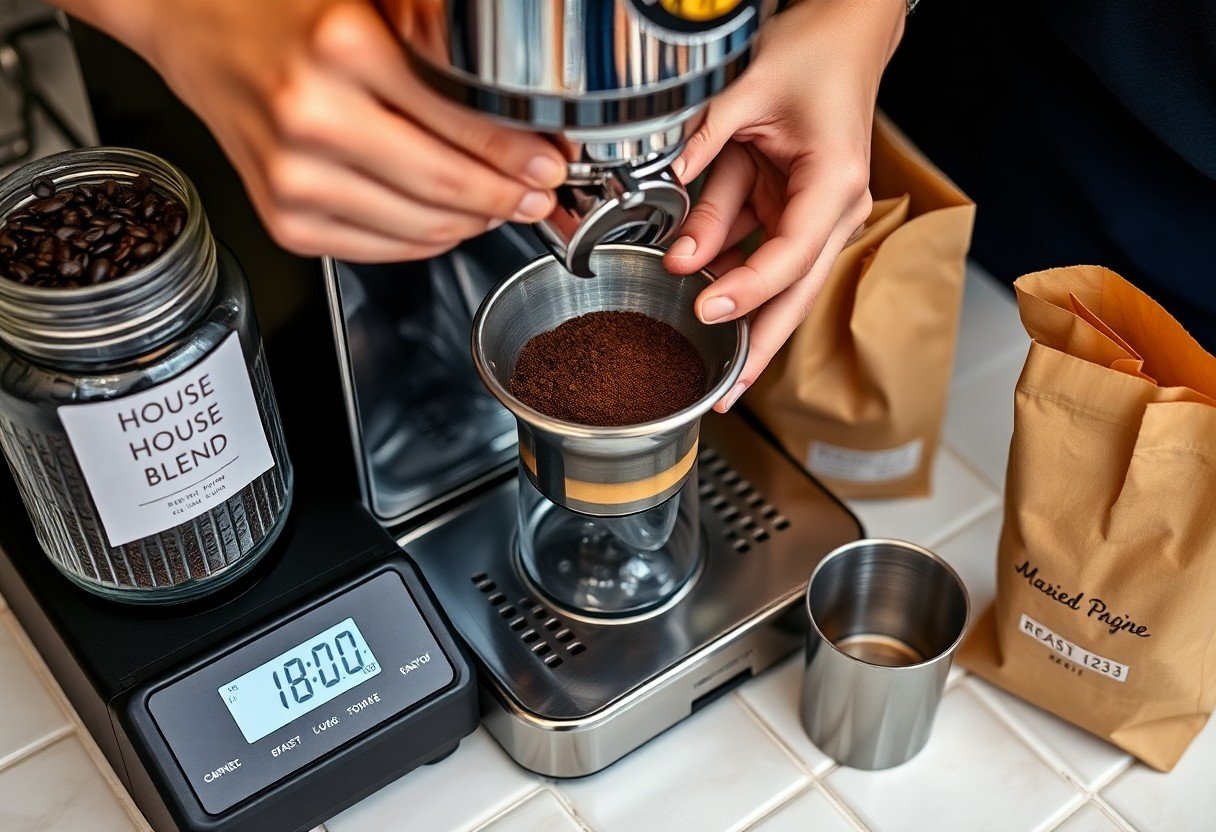
Identifying a Premium House Blend
Identify blends where you can detect clarity of origin notes and a harmonious balance; such blends pair single-origin character with consistency, giving you a dependable base for brewing.
Scan labels for roast date, origin combinations, and bean grade so you can prioritize freshness and traceability over marketing terms when choosing your next bag.
Decoding Tasting Notes and Roast Profiles
Taste for specific cues: citrus brightness, chocolate sweetness, or floral lift will guide your choice toward blends that suit your palate and preferred brew method.
Compare roast profiles-light for clarity, medium for balance, darker for body-so you can match grind size and extraction to reveal the blend’s intended flavors.
Evaluating Freshness and Bean Integrity
Check roast dates, one-way valves and airtight packaging to ensure you buy beans before significant staling reduces aromatic complexity and crema potential.
Inspect beans for uniform size, even color and intact surfaces; you can avoid blends with excessive chipping or uneven roast that produce inconsistent extraction.
Smell the beans and you will quickly distinguish fresh, lively aromas from flat or cardboard notes, letting you confirm freshness before you grind and brew.
Final Words
On the whole you can find that house blend coffee beans often deliver consistent balance, flavor complexity, and approachability that make each cup soul-warming. You should test single-origin and blends to see how your palate responds, and adjust roast and grind for best results. Follow practical brewing tips at Master the Art of Home Brewing Your House Blend Coffee to perfect technique and enjoy a sublime cup every morning.
FAQ
Q: What exactly is a house blend and why do roasters create one?
A: A house blend is a consistent mix of two or more coffee origins roasted to produce a balanced, signature cup that represents a roaster’s style. Roasters create blends to combine complementary flavors-such as brightness from one origin and body from another-so the final brew delivers complexity and approachability. Blends allow control over season-to-season variability in single origins and help maintain a dependable taste profile for customers who want a familiar experience.
Q: Are house blend beans truly the secret to a sublime, soul-warming brew?
A: House blends can be the key to a sublime, soul-warming brew when they are thoughtfully composed and freshly roasted. A well-made blend highlights harmonious flavors, comforting aromas, and balanced acidity and body that many people associate with a warming, satisfying cup. Personal preference, brewing technique, and bean freshness determine whether a blend delivers that specific soulful experience for any individual.
Q: How do house blends compare with single-origin coffees in flavor and character?
A: House blends prioritize balance and consistency, while single-origin beans showcase distinct regional or farm-specific characteristics. Blends often present layered flavors and a more rounded mouthfeel because they mix beans with different strengths. Single-origin coffees tend to offer more pronounced, unique notes that highlight terroir, which some drinkers prefer for clarity and traceability.
Q: What should I check on the label or ask the roaster when choosing a house blend?
A: Look for roast date, roast level description, tasting notes, and any origin information the roaster provides. Ask the roaster about the blend’s goals-whether it targets sweetness, chocolatey body, bright citrus, or a balanced daily cup-and whether components change seasonally. Fresh roast dates and transparent origin or process details help predict how the blend will taste at home.
Q: Which brewing methods make house blends shine the most?
A: Pour-over and drip methods tend to highlight clarity and delicate notes in a blend, producing clean flavor separation. French press and AeroPress bring out fuller body and deeper, warming characteristics, which work well for blends designed for comfort and richness. Espresso concentrates sweetness and texture, turning many house blends into creamy, soul-warming shots or milk-based drinks.
Q: How does roast level and bean freshness affect the soul-warming quality of a blend?
A: Roast level shapes the balance between origin flavors and roast-derived notes: lighter roasts retain more origin brightness, medium roasts balance brightness and body, and darker roasts increase caramelized, warming flavors. Freshness matters because roasted coffee releases aromatic compounds that fade over weeks; a blend tastes most vibrant within two to four weeks after roast for most brew methods. Proper storage in a cool, dark place in an airtight container slows flavor loss and preserves that warming aroma.
Q: Can I recreate a coffee shop’s house blend at home and get the same soul-warming result?
A: Recreating a shop’s house blend is possible if you source similar beans, match roast level, and control grind, dose, water temperature, and brew time. Start by buying the same beans from the roaster or asking for component ratios and roast style, then use a scale and timer to replicate the barista’s recipe. Tweak grind size and brew parameters to suit your equipment and taste until the cup delivers the comforting warmth and balance you want.