
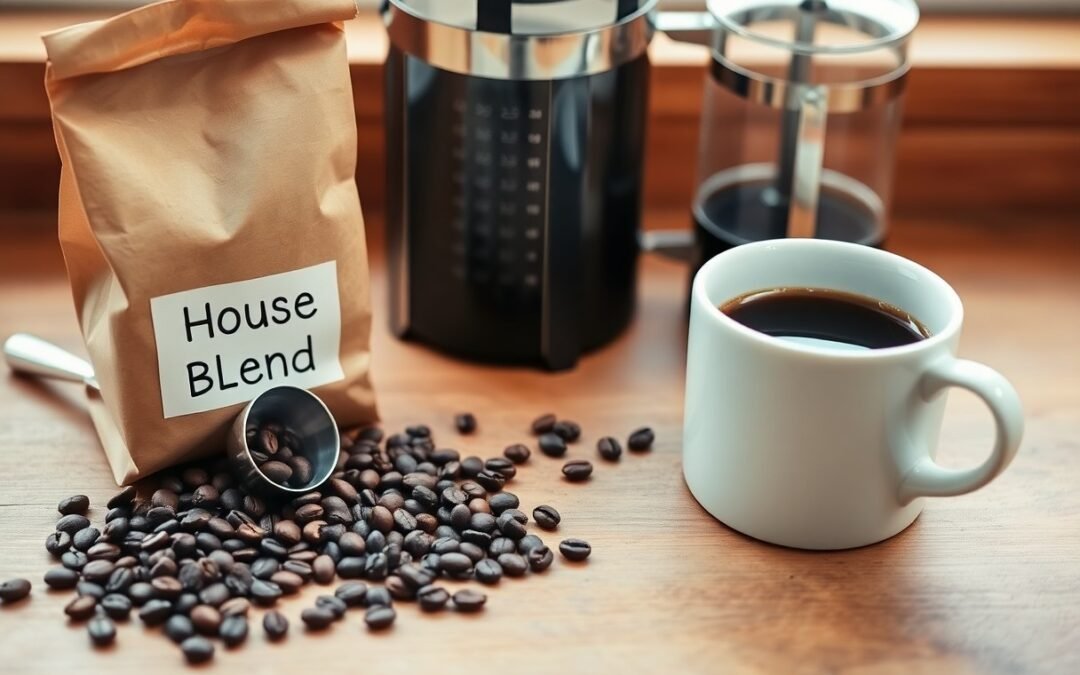
Most mornings you rely on house blend coffee beans for consistent flavor, balanced body, and reliable caffeine that quietly anchors your ritual.
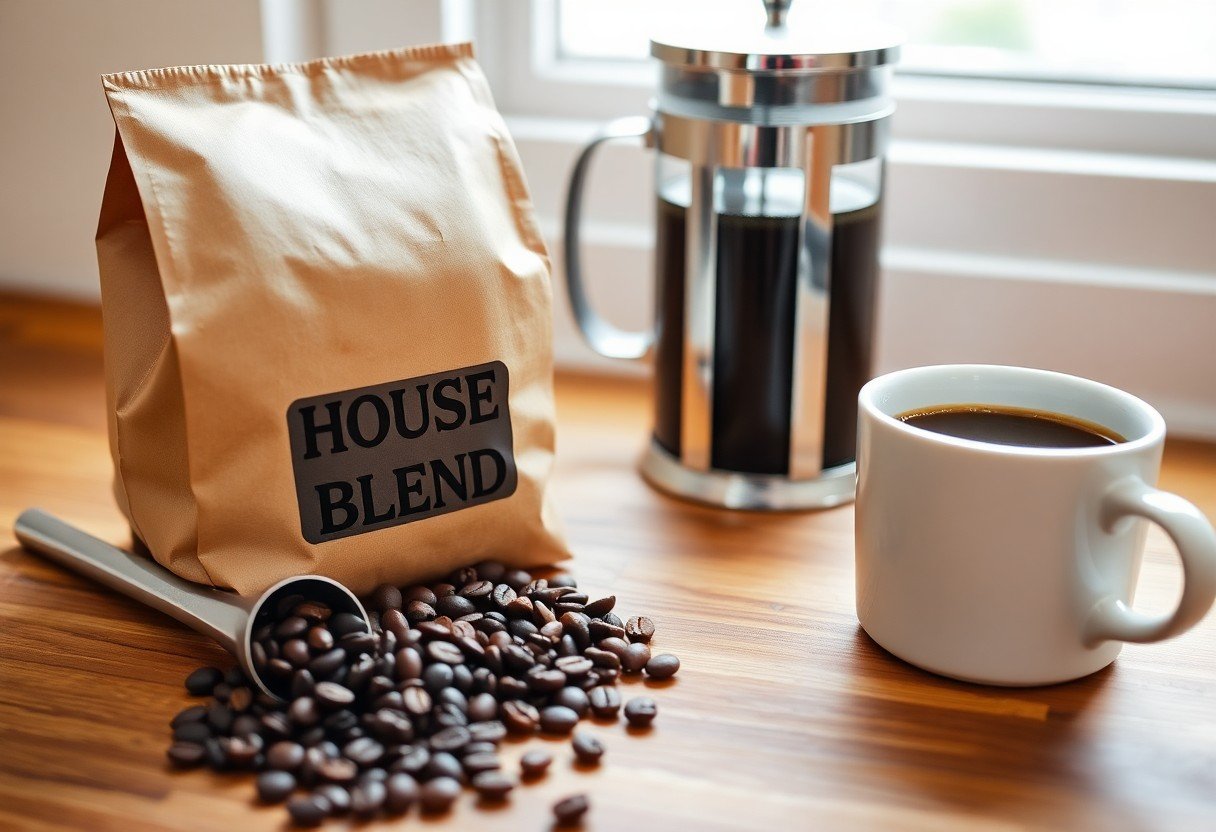
Key Takeaways:
- House blends offer a balanced, versatile flavor profile that suits a wide range of palates and works well both black and with milk.
- Consistent bean selection and roast profiles make house blends a reliable choice for predictable morning results.
- Affordable pricing and broad availability lower the barrier to entry for specialty coffee while preserving the comfort of daily ritual.
Defining the House Blend
House blends are crafted combinations of beans chosen to produce a signature cup that you recognize each morning. They mix origins and roast levels so the final brew balances sweetness, acidity, and body in a way that fits broad preferences rather than spotlighting a single terroir.
Blending lets roasters tune a dependable profile by adjusting bean ratios and roast curves; you benefit from a familiar flavor even when individual lots vary between harvests.
The Philosophy of Balance Over Single-Origin Purity
You often prefer a coffee that performs well across methods and moods, and a house blend delivers that reliable middle ground. It trades singular origin extremes for a cohesive, crowd-friendly profile that still rewards attention to detail.
Balance appears when the blend’s components are chosen to complement each other so you experience depth without sharp edges, making the cup suitable whether you brew drip, pour-over, or espresso.
Achieving Year-Round Consistency in Flavor Profiles
Consistency results from pairing stable base beans with rotating accent lots so you notice the same core character across seasons; roasters tweak proportions and roast to hold the signature notes you expect.
Rotations are guided by systematic cupping and inventory planning, allowing roasters to swap lots without surprising you, because the blend’s architecture absorbs lot-to-lot differences.
Seasonality is managed by anchoring the blend with dependable origins-often Brazilian or Colombian-for body while introducing brighter, seasonal coffees in small percentages; you perceive only subtle shifts as roast profiles and percentages are adjusted to preserve the house identity.
The Roaster’s Craft: Science and Artistry
Roasters dial roast curves so you experience clarity across acidity, sweetness, and body, turning raw potential into a dependable morning signature.
Science pairs thermal profiling with cupping data so you can predict how floral, nutty, or chocolate notes will develop in a house blend and maintain consistency batch to batch.
Strategic Sourcing for Complementary Tasting Notes
Sourcing single-origin lots with contrasting densities lets you design blends where you can emphasize brightness without losing mouthfeel.
Regional diversity provides you choices: high-altitude lots for crisp acids and lower-grown lots for syrupy sweetness that you can use to round the finish.
The Precision of Post-Roast vs. Pre-Roast Blending
Pre-roast blending applies chemistry during heat exposure so you can create integrated flavors that emerge from bean interaction rather than from a single origin.
Post-roast blending allows you to pair separately roasted components so you can preserve standout roast levels and correct imbalances after tasting.
Testing small-batch blends side-by-side lets you decide whether the cohesion of pre-roast mixes or the clarity of post-roast combinations better matches your house profile.
Economic Advantage and Accessibility
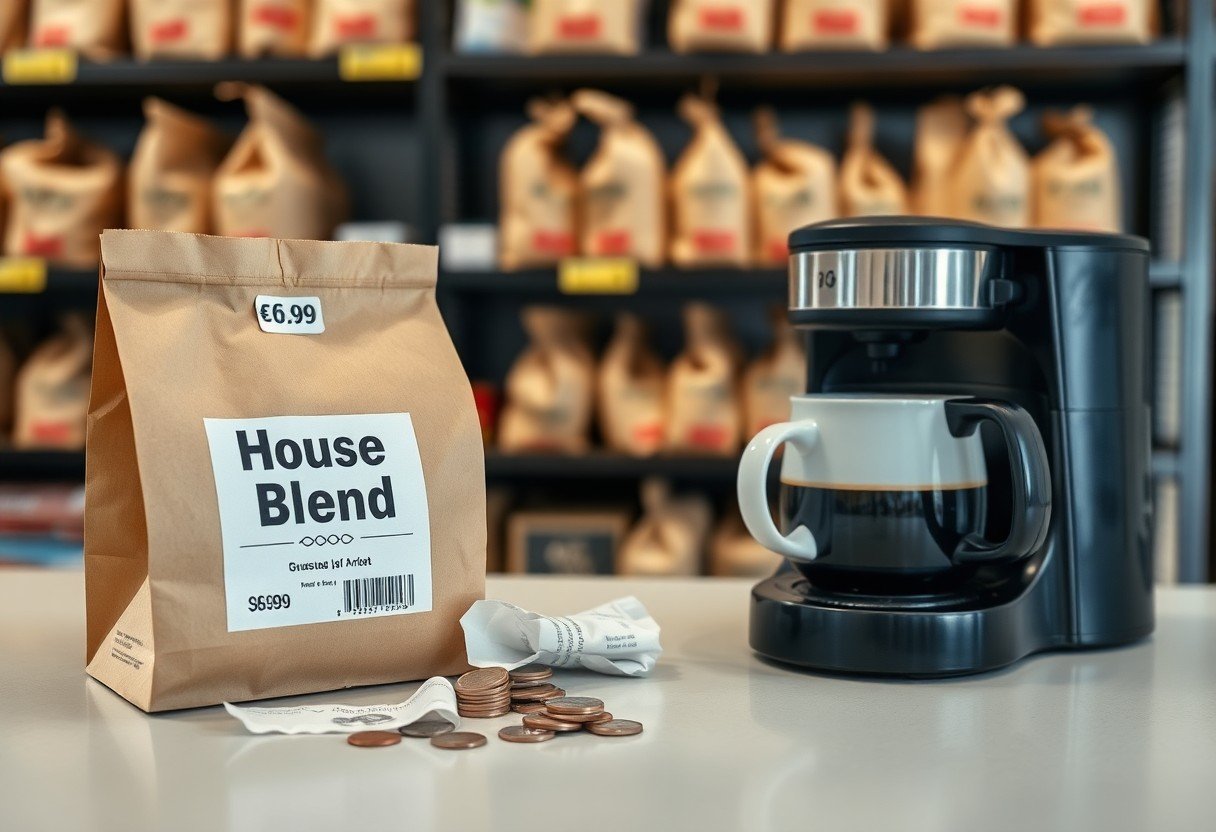
Cost matters when you brew every morning, and house blends let you enjoy consistent, well-balanced cups so you can prioritize routine without splurging on single-origin curiosities.
Tap local roasters by choosing house blends; you can follow examples like Your morning ritual, elevated. House-roasted beans meet … to see how approachable pricing and community sourcing make quality more accessible to you.
Delivering Premium Quality at a Sustainable Price Point
Quality-focused roasters blend beans to achieve complexity and consistency, so you get nuanced cups that suit your drip, pour-over, or espresso setup without forcing you into premium price tiers.
Why House Blends Represent the Best Value for Daily Drinkers
Every sip from a well-made house blend reminds you that predictability saves time and money, letting you dial in a reliable recipe that reduces waste and keeps your mornings smooth.
Beyond immediate savings, you can lock in value with subscriptions or bulk purchases, and you benefit from roasters optimizing blends for the brewing methods you use most often.
Versatility Across Brewing Methods
House blends adapt to filter, immersion, and pressure methods, giving you consistent flavor whether you’re using a drip machine, Chemex, or lever espresso. Their balanced profiles let you tweak grind and brew ratios to highlight brightness or body without losing the core character you expect each morning.
Optimizing Profiles for Drip, Pour-Over, and Espresso
Adjusting grind, dose, and brew time helps you coax the ideal sweetness from a blend: coarser for drip, medium-fine for pour-over, fine and compact for espresso. Roast choices shift emphasis, so you can favor clarity for pour-over or more integrated crema and body for espresso-based drinks.
Structural Integrity When Paired with Milk and Sweeteners
Milk transforms acidity and mouthfeel, so you test blends for midrange weight and caramel or cocoa notes that remain identifiable once dairy or syrups are added. You want a profile that keeps origin clarity while offering enough sweetness to balance milk.
Testing small adjustments – dialing extraction, tempering milk temperature, or cutting syrup – lets you preserve clarity and finish. You can also tweak blend ratios toward darker components for lattes or lift single-origin brightness when you prefer lighter, less sweet milk drinks.
Supply Chain Resilience and Sustainability
Supply decisions for house blends often prioritize continuity, so you see roasters blending beans from multiple origins to maintain flavor when yields shift. This approach reduces shortage risk and keeps your morning cup consistent without sacrificing traceability or ethical commitments.
You can assess a roaster’s sustainability through certifications, long-term contracts, and investments in farmer resilience; those practices lower environmental impact while securing dependable access to the beans you prefer.
Mitigating the Impact of Seasonal Crop Fluctuations
Seasonal harvest swings force roasters to adapt blends and sourcing windows, and you benefit when they use reserve stocks or adjust roast profiles to smooth subtle taste changes without disrupting your routine.
Local crop insurance and forward-purchase agreements help producers absorb bad seasons, so your choice of house blends supported by such policies sustains supply and fair compensation for growers.
Supporting Diverse Growing Regions Through Multi-Origin Sourcing
Multi-origin sourcing allows roasters to combine beans from varied microclimates, which spreads production risk and preserves complexity in your cup even when one region underperforms.
Regional cooperatives and direct contracts improve traceability and farmer income, meaning you back conservation and community resilience by choosing house blends that transparently list their contributing growing areas.
The Psychological Role of the Reliable Ritual
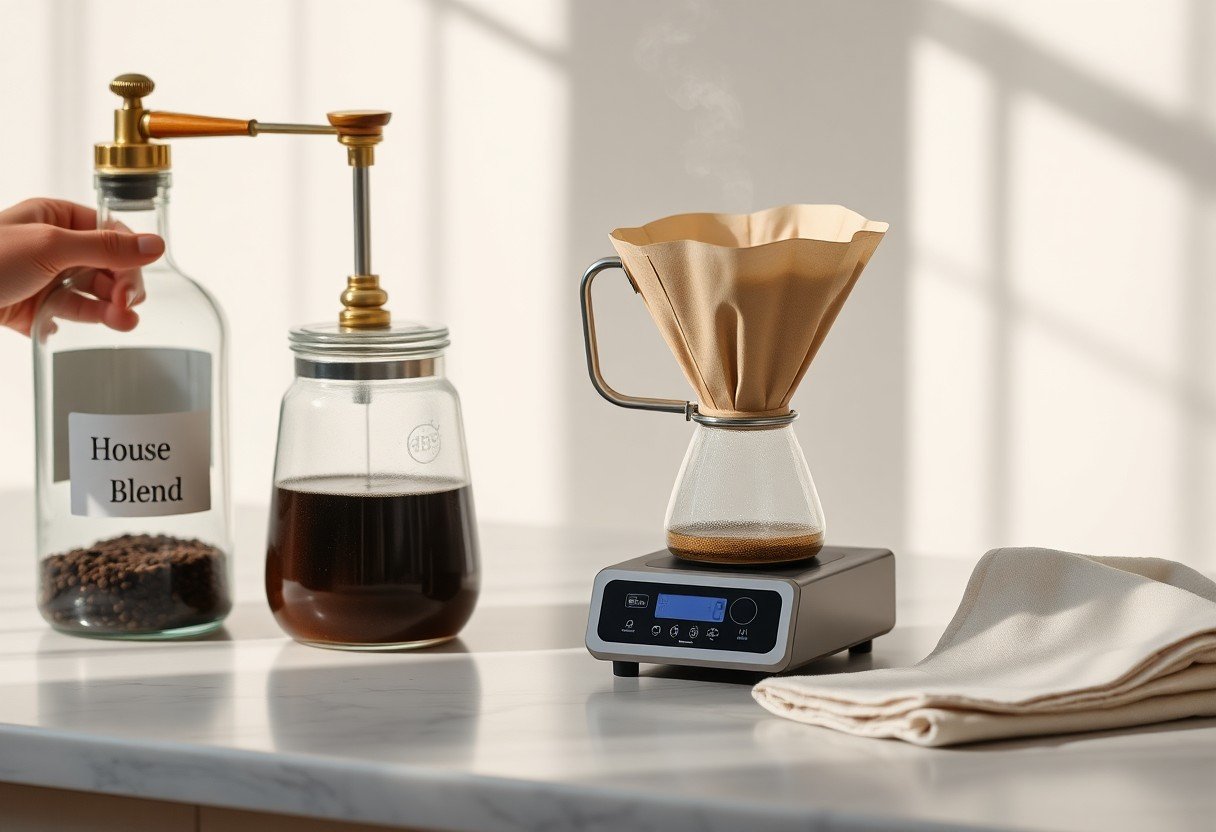
Morning cues from a familiar cup help you shift mental gears, signaling the transition from sleep to focused action without extra effort.
Habit gives your brain a predictable anchor, and you use that predictability to conserve willpower and start the day with clearer priorities.
The Comfort of Sensory Familiarity in Morning Routines
Smell of the same roast activates memories and mood in seconds, so you feel steadier before tasks multiply.
Textures of the brew and the warmth of the mug confirm safety and routine, letting you face the morning with less internal noise.
How House Blends Anchor the Identity of Local Roasteries
Local shops craft a signature blend that you recognize, so choosing that cup becomes a way to express local taste and loyalty.
Branding through consistent roast profiles trains your expectations, and you reward that consistency by returning and recommending the roastery.
You then notice how single blend choices shape community rituals: tasting notes, packaging, and barista style all reinforce the roastery’s personality and your habitual attachment.
To wrap up
Drawing together the evidence, you can see that house blend coffee beans often serve as the dependable backbone of morning rituals by delivering balanced flavor, consistent roast, and predictable caffeine that suit varied preferences. You benefit from their affordability, easy availability, and the stabilizing role they play in daily routines, making them genuine unsung heroes for those who value familiarity and efficiency.
FAQ
Q: What exactly are house blend coffee beans?
A: House blend coffee beans are proprietary mixes created by roasters to deliver a balanced, consistent flavor profile that represents their brand. Roasters select beans from different origins and roast them to harmonize acidity, body, sweetness, and aroma so customers experience a reliable cup every time.
Q: How do house blends differ from single-origin coffees?
A: Single-origin coffees showcase characteristics of one region, farm, or lot, resulting in more distinct and sometimes volatile flavor notes. House blends combine multiple origins to mask flaws, smooth extremes, and provide a more approachable, crowd-pleasing cup that performs well across brewing methods.
Q: Why could house blends be called the unsung heroes of morning rituals?
A: House blends deliver predictability and comfort, two qualities many people rely on at the start of the day. Consistent flavor, forgiving extraction tolerance, and compatibility with milk-based drinks allow busy routines to produce satisfying results without extra effort or experimentation.
Q: How do roast levels and bean selection influence a morning cup from a house blend?
A: Roast level controls sweetness, acidity, and body; medium roasts highlight balanced acidity and clarity while medium-dark roasts increase caramelized sugars and roundness. Bean selection adds specific notes-Central American coffees often bring bright citrus and chocolate, while Brazilian or Sumatran beans add nutty, earthy, or low-acidity backbone to support those brighter flavors.
Q: Which brewing methods suit house blends best for morning routines?
A: Drip machines and pour-over work well for clarity and convenience, delivering predictable extraction that highlights a blend’s balance. Espresso and automatic milk-based machines benefit from the blend’s consistency, producing steady crema and harmonizing with milk for lattes and cappuccinos. French press emphasizes body and mouthfeel if a fuller cup is desired.
Q: How should I choose and store house blend beans to keep mornings great?
A: Choose freshly roasted bags with a clear roast date and a roast profile that matches your taste-look for medium to medium-dark for morning cups. Store beans in an airtight container in a cool, dark place away from heat and moisture, and grind just before brewing to preserve flavor and aroma.
Q: Can I customize a house blend to suit personal morning preferences?
A: Home baristas can adjust grind size, dose, water temperature, and brew time to fine-tune strength and extraction without changing the beans. Mixing a small portion of a brighter single-origin into your house blend or blending two roast levels from the same roaster can shift acidity and sweetness to better match your preferred morning profile.