
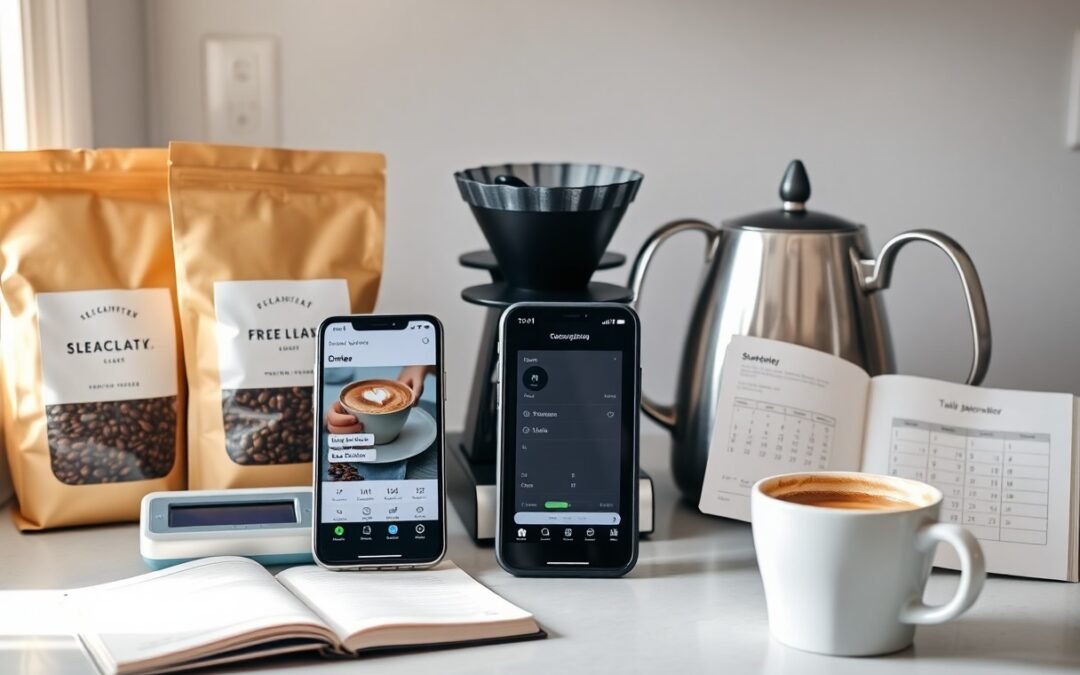
This guide helps you choose a specialty coffee subscription based on roast preference, delivery frequency, budget, and brewing method, with clear criteria and quick tips so you can pick a plan that fits your daily routine and taste.
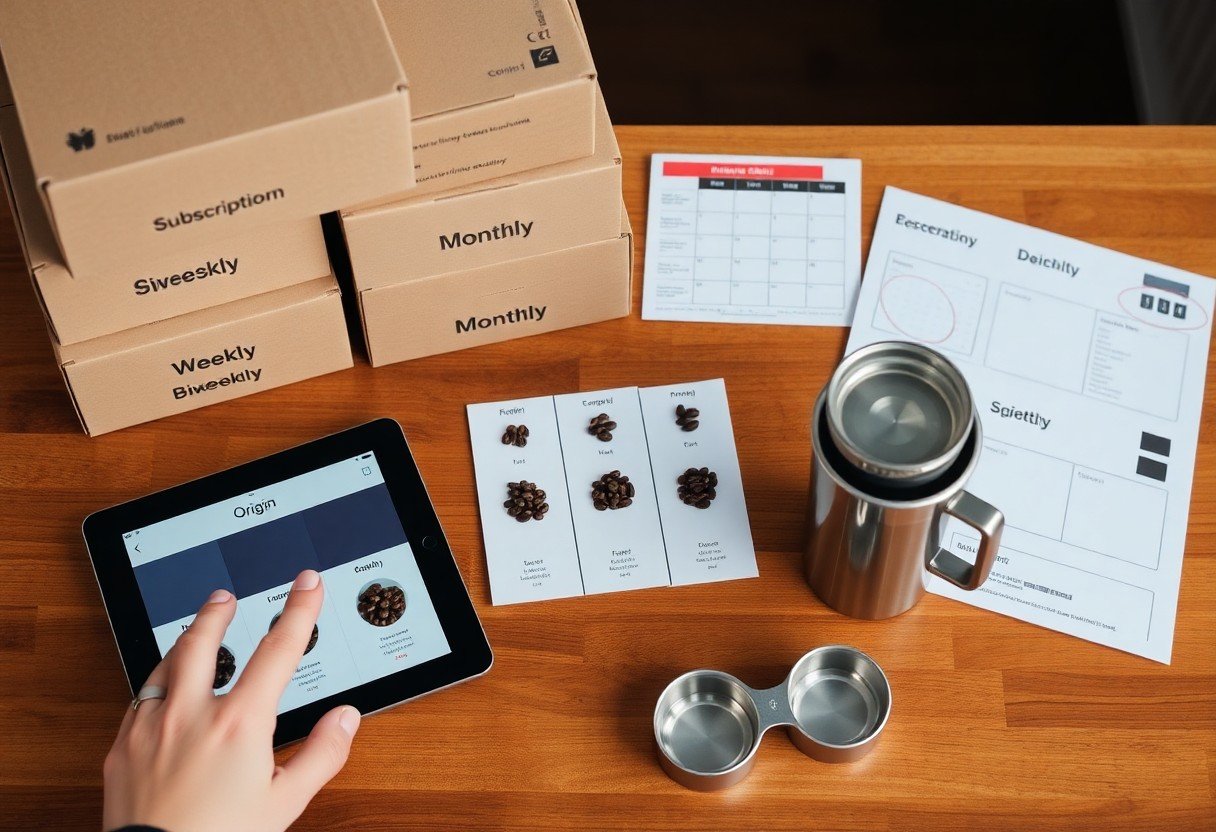
Key Takeaways:
- Define your coffee profile: preferred roast level, tasting notes or origins, brew method, and whole-bean vs ground choices.
- Pick subscription cadence and flexibility: choose delivery frequency, easy skip/pause options, grind settings, and sample or intro boxes to refine choices.
- Verify freshness, cost, and sourcing: check roast dates, transparent origin info, ethical sourcing practices, and clear per-ounce pricing.
Analyzing Your Daily Coffee Consumption Habits
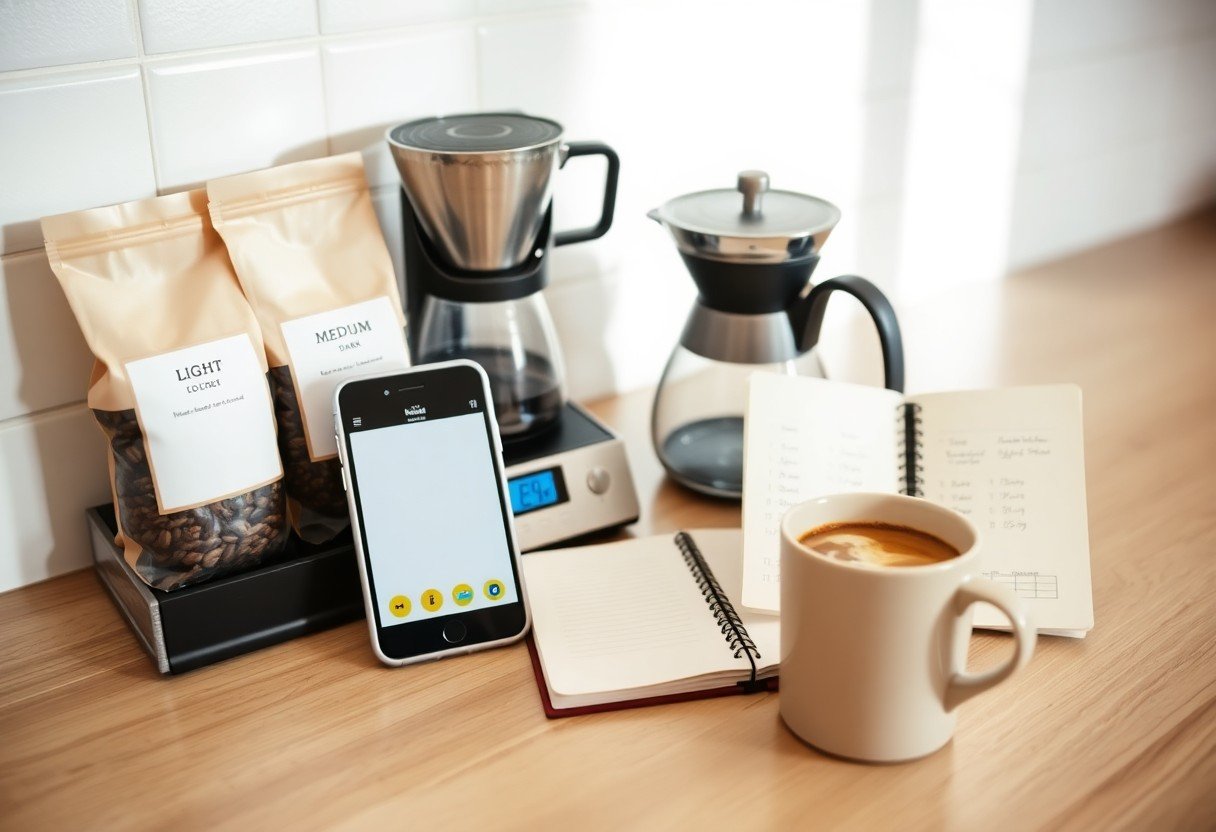
You can log when and how you drink coffee across a week to spot patterns – morning rites, midday boosts, or communal pots will determine frequency and roast preference.
Tracking your energy peaks and whether you prefer one strong cup or several small ones helps you choose shipment cadence and roast intensity that fit your routine.
Determining your weekly volume and bag size needs
Estimate how many cups you brew weekly, then convert to grams (roughly 15-18g per 12oz cup) so you can calculate how many bags you’ll need.
Choose bag sizes that match your consumption rhythm – pick smaller bags if you want variety or larger ones if you and your household drink the same roast daily, ensuring you can store beans properly.
Identifying your preferred brewing methods and equipment
List every brewing device you use and note whether you grind at home; if you do, you can opt for whole-bean subscriptions, while preground suits basic drip setups.
Match roast profiles and grind sizes to each method: you need fine for espresso, medium for pour-over, and coarse for French press, then set subscription grind options accordingly.
Adjust expectations for travel mugs or office machines that favor sturdier blends, and consider sampler boxes so you can test compatibility with your gear before committing.
Key Factors in Selecting Bean Origins
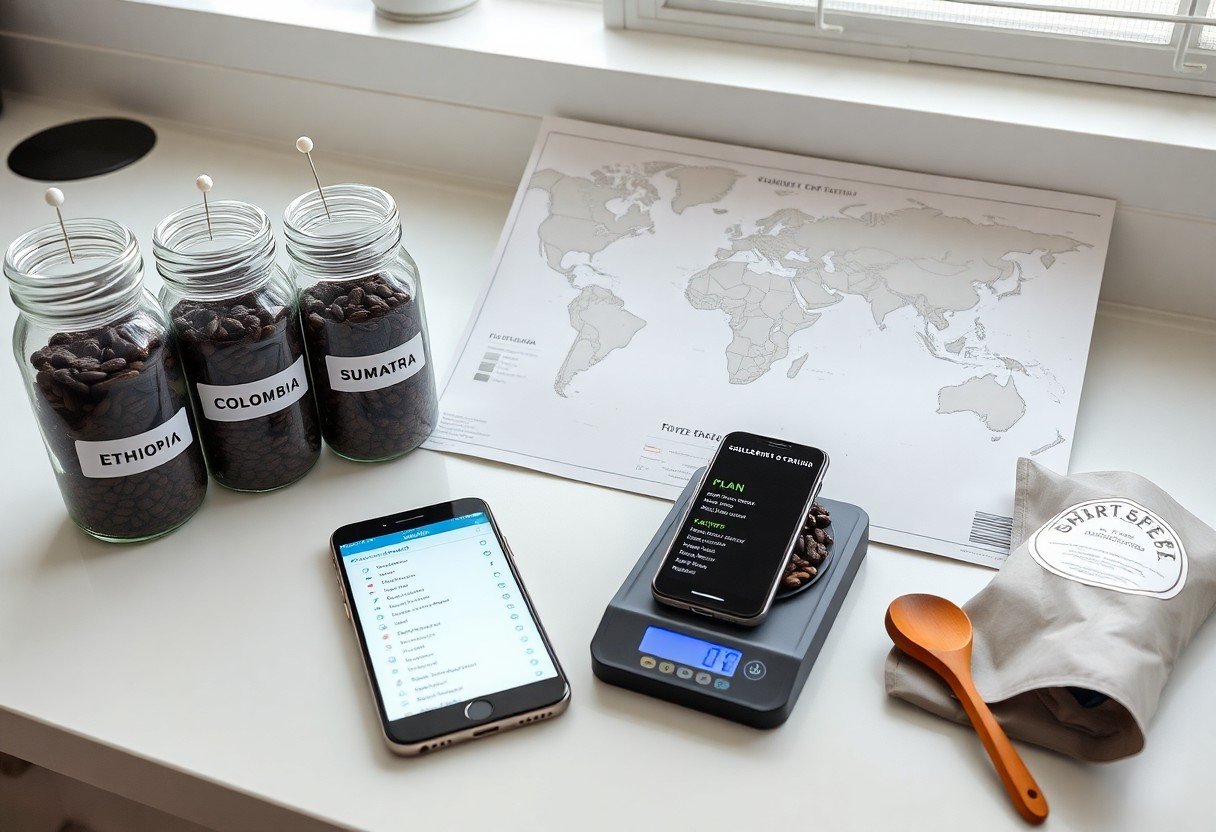
Consider how origin shapes acidity, body, and sweetness so you can match beans to your daily brews and morning routine. Look for roasters who list harvest dates and producer info to gauge freshness and ethical sourcing.
- Origin specificity – single farm, micro-lot, or regional blend
- Harvest season and roast date for freshness
- Producer transparency and certifications
Compare how each factor aligns with your taste preferences and brewing frequency. This helps you choose origins that fit both flavor curiosity and practical convenience.
Distinguishing between single-origin and curated blends
You will notice single-origin offerings highlight a specific farm or region, revealing distinct tasting notes and seasonal variation that reward exploration.
Blends aim to provide balance and consistency across shipments, which suits a steady daily habit while letting you rely on familiar flavor profiles.
Understanding regional flavor profiles and processing methods
Regional signatures vary: African coffees often show bright fruit and floral notes, Central American beans lean citrus and chocolate, and Asian lots can be earthy and full-bodied, so you should sample by region to find your preferences.
Processing styles – washed, natural, honey – alter sweetness, body, and ferment character, so you should note processing on labels to predict how a coffee will taste once roasted and brewed.
Altitude and varietal further shape clarity and complexity, so you should compare tasting notes and try sampler packs to pinpoint which combinations of region and method suit your cup.
How to Choose the Ideal Roast Profile
You can refine your subscription by matching roast profile to your brew method and taste: light roasts highlight origin notes, while dark roasts boost body and bittersweet caramelization. Check curated guides like Best Coffee Subscriptions 2026 to compare roast-specific plans and sample options.
Matching roast levels to your extraction style
Consider your extraction when picking roast: pour-over and AeroPress favor lighter to medium roasts, while espresso and stovetop methods often suit medium-dark to dark beans. Test small bags to dial grind, dose, and time until the roast and method align with your preferred balance.
Exploring the nuances of light, medium, and dark roasts
Light roasts preserve acidity and floral or fruity notes that you can accentuate with slower pours and slightly cooler water; you may need a finer grind to extract sweetness. Roasts labeled as light will reward precision and highlight single-origin characteristics.
Medium roasts offer a sweeter, more rounded cup that adapts well across drip, pour-over, and espresso, so you can tweak brew variables instead of swapping beans; dark roasts push chocolate, smoke, and body, which suits bolder, milk-based drinks if you prefer richer flavors.
Evaluating Subscription Flexibility and Logistics
Check which delivery windows and package sizes the service offers so you can match shipments to how much coffee you actually drink; shorter intervals preserve freshness while larger bags reduce packaging waste if you consume more.
Balance cost, commitment length, and customer support responsiveness when assessing logistics so you avoid surprise charges or long notice periods if your schedule changes.
Assessing delivery frequency and shipping reliability
Consider whether weekly, biweekly, or monthly shipments fit your consumption and storage capacity, and pick a cadence that keeps beans fresh without creating clutter.
Track carrier performance, estimated transit times, and weather-related protections the roaster provides so you can expect consistent arrivals and fast replacements for missed or damaged packages.
Managing account features like pausing and customization
Test the account dashboard to confirm you can easily pause, skip, or change delivery dates; easy controls mean you can adapt deliveries around travel or changes in consumption.
Customize grind size, roast preference, and single-origin versus blend selections within the subscription so each shipment aligns with your brewing method and taste.
Confirm notice periods, minimum order commitments, and how credits or refunds are handled so you can pause or change plans without unexpected fees.
Expert Tips for Verifying Roaster Quality
You should prioritize clear origin notes, tasting descriptors, and consistent roast profiles so you can match a subscription to your palate and brewing habits.
- Roast date visibility
- Packaging and storage method
- Origin and farmer attribution
- Freshness guarantees and return policy
This helps you compare options quickly and flag vague claims or inconsistent freshness policies before you commit.
Checking for roast dates and freshness guarantees
Look for explicit roast dates on each bag, shipping windows measured from roast day, and stated freshness guarantees so you know how long beans stay at peak flavor for you.
Researching ethical sourcing and direct trade transparency
Ask whether roasters name farmer partners, disclose pricing, and describe traceability practices so you can judge the depth of their direct-trade claims.
Compare origin reports, payment details, and on-farm photos across brands to see which roasters consistently show how premiums reach producers and what you can expect from each subscription.
Verify claims by requesting producer testimonials, audit summaries, or certification details when you want concrete proof that ethical premiums benefit the growers you care about.
How to Refine Your Subscription Over Time
Refine your deliveries by tracking which roasts you finish first and which you leave untouched; adjust frequency and bag size so you never run low or waste beans that stale before you brew them.
Monitor how your brewing routine and seasonal offerings shift your preferences, and schedule occasional single-origin trials to broaden your palate without disrupting what you already enjoy.
Utilizing trial periods and sample packs
Try short trial plans and curated sample packs so you can test roast levels, origins, and processing styles; these small commitments reveal what consistently suits your morning cup before you lock into a full plan.
Providing feedback to calibrate your flavor preferences
Tell your roaster about the flavors, acidity, and body you like, including any dislikes, so they can recommend beans or adjust future boxes to better match your taste profile.
Provide regular tasting notes after each shipment-include your brew method, grind size, and specific impressions-to give actionable data that sharpens recommendations and keeps each delivery moving closer to what you prefer.
Summing up
Taking this into account, you can match grind and roast options, delivery cadence, origin and tasting notes, sample flexibility, and price to your daily routine and equipment. Test small orders, verify freshness and sourcing transparency, and confirm pause or skip policies. This method helps you secure a subscription that fits your taste, schedule, and budget without surprises.
FAQ
Q: How do I choose the right delivery frequency and bag size for my coffee consumption?
A: Track how many cups you brew per day for two weeks to estimate monthly consumption. Choose bag sizes that match that estimate-smaller bags for daily grinding and larger bags for occasional brewers. Select a cadence that prevents long storage times: weekly or biweekly for heavy drinkers, monthly for light drinkers. Pick a subscription with pause, skip, or frequency-adjustment options so you can fine-tune shipments after a few months.
Q: Should I subscribe to whole-bean coffee or pre-ground?
A: Choose whole beans if you own a grinder and value peak freshness and aroma; grinding just before brewing preserves volatile flavors. Opt for pre-ground if convenience and time-saving are top priorities, and match the grind size to your brewer type. Confirm that the subscription offers custom grind settings or an option to switch between whole-bean and ground as your routine changes.
Q: How do I select a roast profile that fits my taste?
A: Identify flavor traits you prefer: light roasts emphasize acidity, floral and fruity notes; medium roasts balance sweetness and body; dark roasts emphasize chocolate, caramel, and roast-driven flavors. Order sampler packs or split shipments to try multiple roast levels without committing. Check roast dates and tasting notes so you can compare freshness and expected flavor characteristics side by side.
Q: What are the pros and cons of single-origin versus blends for a subscription?
A: Single-origin subscriptions highlight specific regions and micro-lots, offering clarity and seasonal variety in cup character. Blends provide consistency and a balanced profile across shipments, which suits repeatable daily drinking. Consider alternating between single-origin boxes for tasting education and blend boxes for dependable morning cups.
Q: How can I balance budget constraints with coffee quality?
A: Calculate cost per ounce or per cup rather than focusing only on monthly price to compare value accurately. Watch for hidden costs like shipping fees and grinder add-ons that change total cost. Look for roasters that post roast dates and origin details; those practices often indicate better inventory control and quality even at moderate price points.
Q: What should I look for regarding ethical sourcing and transparency?
A: Look for roasters that publish producer names, regions, processing methods, and coop or farm relationships. Certifications such as Organic or Fair Trade add standard verification, while direct-trade or single-farm disclosures can show closer relationships and price premiums to growers. Ask for information on price paid, traceability, and any social or environmental projects linked to the coffee.
Q: How do I test a subscription and ensure it fits my lifestyle long term?
A: Start with a trial, one-off box, or sampler to test flavor, roast, and delivery speed. Verify cancellation, pause, and grind-change policies before subscribing to avoid rigid commitments. Read customer reviews and send a pre-subscription question to assess responsiveness and support quality; good customer service makes adjustments easier as your preferences evolve.