
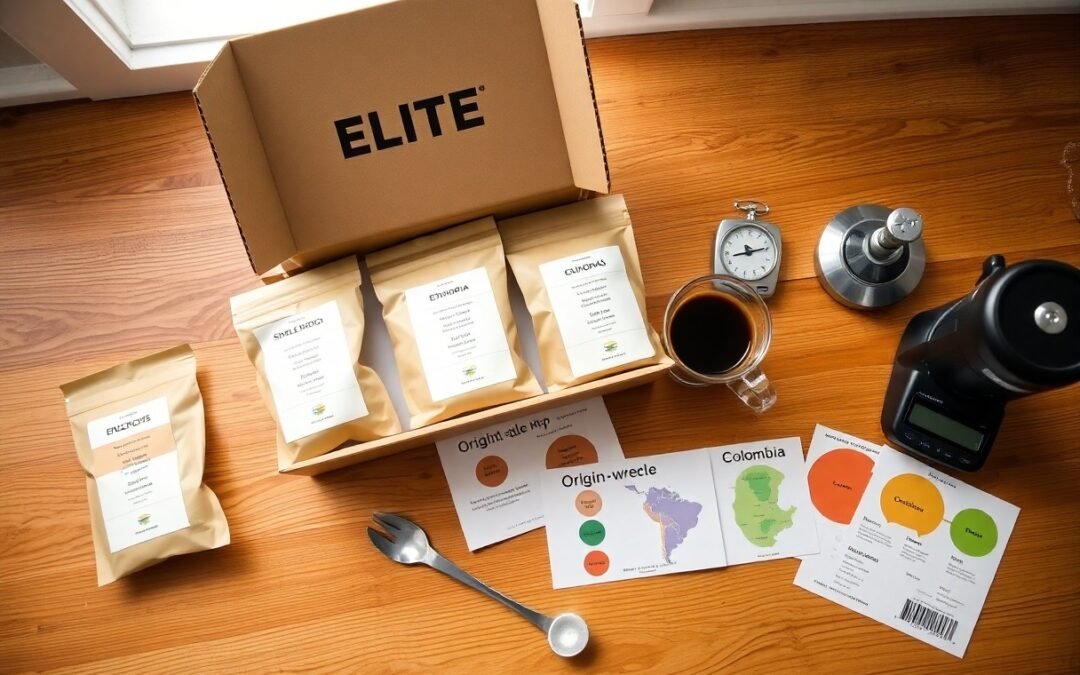
It’s clear that a curated elite coffee subscription can sharpen your tasting skills by exposing you to diverse origins, roast profiles, and tasting notes; consistent guided sampling and clear tasting guides train your palate so you identify subtle acidity, body, and aroma with confidence.
Key Takeaways:
- Elite coffee subscriptions expose drinkers to diverse origins, processing methods, and roast profiles, which speeds up the development of a refined flavor vocabulary.
- Curated tasting notes, brewing instructions, and occasional expert feedback teach sensory techniques, but meaningful skill growth requires deliberate, repeated practice and side-by-side comparisons.
- Subscription value varies by curation quality and price, so consistent improvement depends on choosing services that prioritize education and on active engagement with the samples.
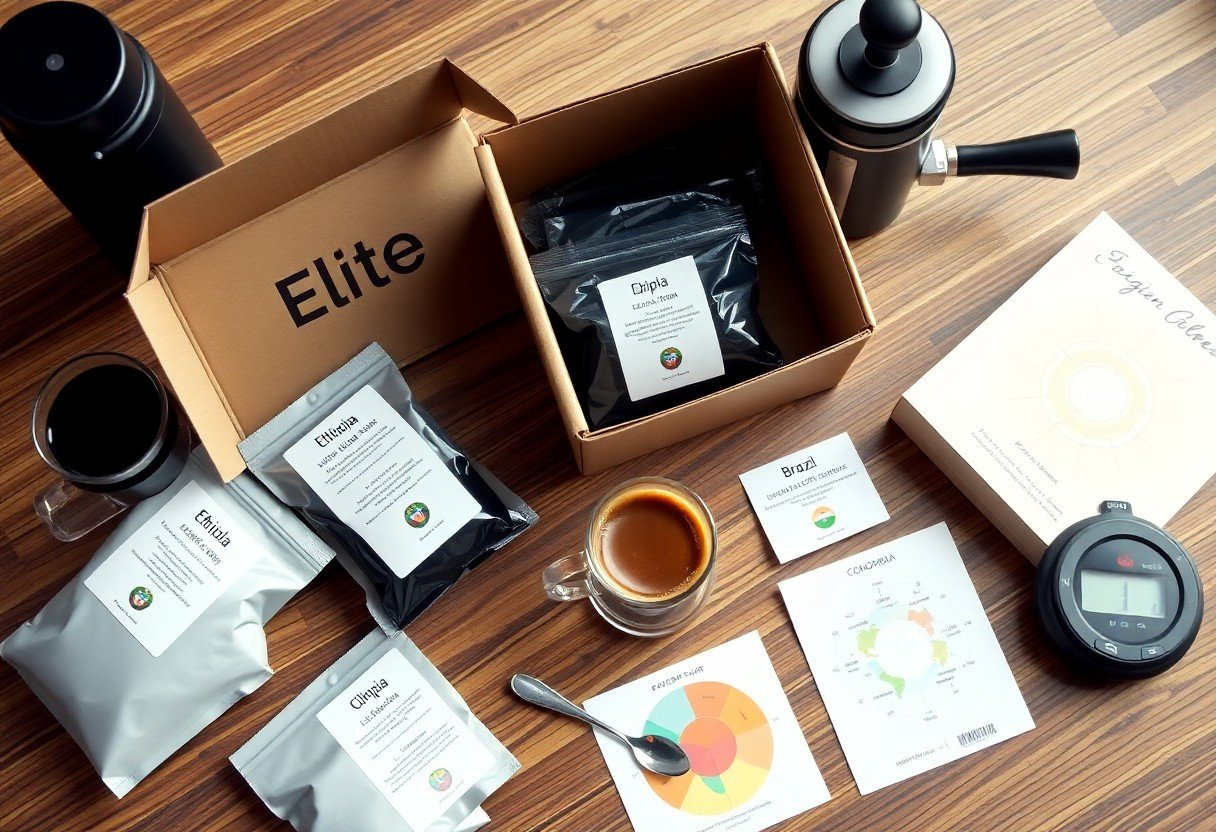
The Anatomy of an Elite Coffee Subscription
Subscription models deliver curated micro-lots with tasting notes, roast profiles and grain-to-cup stories that train you to discern nuance. You receive timed shipments that let you compare vintage, processing and freshness, steadily expanding the sensory vocabulary you use to name acidity, body and finish.
Quality controls and traceability often accompany each bag so you can connect cupping scores to origin and process. You build comparative tasting memory by sampling consistent roast levels, which accelerates your ability to pick out varietal and terroir signatures.
Sourcing Standards for Rare Micro-Lots
Farmers producing microlots focus on experimental varietals and meticulous processing, and the subscription gives you access to those rarities. You learn how fermentation, drying technique and altitude shape flavor, making it easier to identify floral, citrus or chocolate notes in a blind cup.
Direct trade documentation usually accompanies rare lots, so you can review harvest dates, lot sizes and farmer notes with each shipment. You gain context for cupping results and can correlate tasting impressions with concrete farm practices, refining your analytical palate.
The Impact of Small-Batch Roasting Precision
Roasters working in small batches tweak roast curves to reveal origin traits rather than mask them with heavy development. You notice subtle shifts in sweetness, acidity and mouthfeel as profiles emphasize first crack timing and tailored drop temperatures for each micro-lot.
Precision over time, temperature and airflow preserves volatile aromatics that signal origin and processing. You become adept at separating roast-driven flavors from inherent bean characteristics by comparing identical beans roasted to different profiles.
Tasting side-by-side samples trains your memory faster than isolated cups, so you should brew identical recipes and note differences in aroma, clarity and aftertaste. You can then refine grind and dose to audition specific attributes and catalog them for future selections.
Cultivating a Professional Sensory Palette
Practice structured tasting sessions with your subscription boxes so you train recall for aromas, textures, and aftertastes using consistent brew methods and scoring forms.
Palate development accelerates when you cup weekly, compare lots side-by-side, and log specific descriptors so patterns become memorable rather than vague.
Utilizing the Coffee Taster’s Flavor Wheel
Use the flavor wheel as your translation guide, pointing at categories while you taste to align sensations with standardized terminology.
Explore outer-ring descriptors during focused tastings to widen your vocabulary and spot subtle notes that initially seem indistinct.
Distinguishing Nuance in Acidity, Body, and Sweetness
Focus on single variables by adjusting grind or dose so you can isolate how acidity, body, and sweetness shift with extraction.
Notice mouthfeel differences by swallowing and spitting across brews, which trains you to separate tactile body from perceived sweetness and balance.
Compare bright, high-acid coffees with low-acid, syrupier ones to learn how acidity interacts with sweetness and how roast level alters perceived body.
The Educational Value of Curated Shipments
Curated shipments accelerate your palate training by delivering labeled contrasts-seasonal micro-lots and single-origin samples let you link tasting notes to specific beans, processing, and roast choices so you learn patterns faster.
Interpreting Expert Cupping Notes and Origin Stories
Expert cupping notes teach you which sensory targets to test, guiding your focus to acidity, body, and flavor layers so you can reproduce and verify descriptors in your own brews.
Interpreting Cupping Notes
| Descriptor | How you evaluate |
|---|---|
| Acidity | Sip for brightness and front-mouth lift |
| Body | Assess mouthweight and coating |
| Aroma | Smell dry grounds, then brewed cup |
The Role of Comparative Tasting in Skill Acquisition
Side-by-side tastings force you to isolate variables quickly, sharpening your ability to detect differences in roast level, origin characteristics, and processing effects across similar cups.
Comparing controlled pairs trains you to form mental templates for fruitiness, sweetness, and finish, speeding up recall so you judge future coffees with greater confidence.
Comparative Tasting Guide
| Practice | Benefit to you |
|---|---|
| Blind pairs | Reduces bias and reveals true sensory differences |
| Dose/grind changes | Shows extraction impact on balance |
| Alternate origins | Highlights terroir and processing signatures |
Tasting structured sets weekly helps you calibrate memory and vocabulary; track scores and notes so you can chart progress and refine the criteria you use to judge cups.
Practice Tips
| Action | Why it helps |
|---|---|
| Score consistently | Measures improvement over time |
| Rotate origins | Expands reference points |
| Review notes | Solidifies sensory associations |
Terroir and the Science of Flavor Profiles
Terroir imprints tasting cues on beans, so you learn to separate soil-driven minerality from altitude-driven brightness while tracking how seasonal patterns and sun exposure shift sweetness, body, and aroma across origins.
Regional Influences and Environmental Factors
Altitude alters bean development and you taste it as brighter acidity and lifted florals in high-grown lots versus fuller body and chocolatey notes from lower elevations.
- Soil: your perceptions of minerality and weight often trace back to clay, volcanic ash, or loam.
- Microclimate: your cup reflects local humidity and shade patterns that shift ripeness and acidity.
- Seasonal weather: your sense of sweetness and body follows rainfall and sun during cherry maturation.
Knowing how those variables interact sharpens your ability to isolate origin characteristics when you taste side by side.
Exploring Rare Varietals and Experimental Processing
Heirloom genetics and novel fermentation methods force you to recognize nuances beyond typical citrus-chocolate descriptors, teaching you to identify tea-like florals, tropical esters, or savory herbal notes.
Tasting micro-lots repeatedly in focused pours builds your descriptive vocabulary and confidence, since you learn to map how anaerobic fermentations, extended maceration, or unique drying protocols reshape acidity, sweetness, and finish for you.
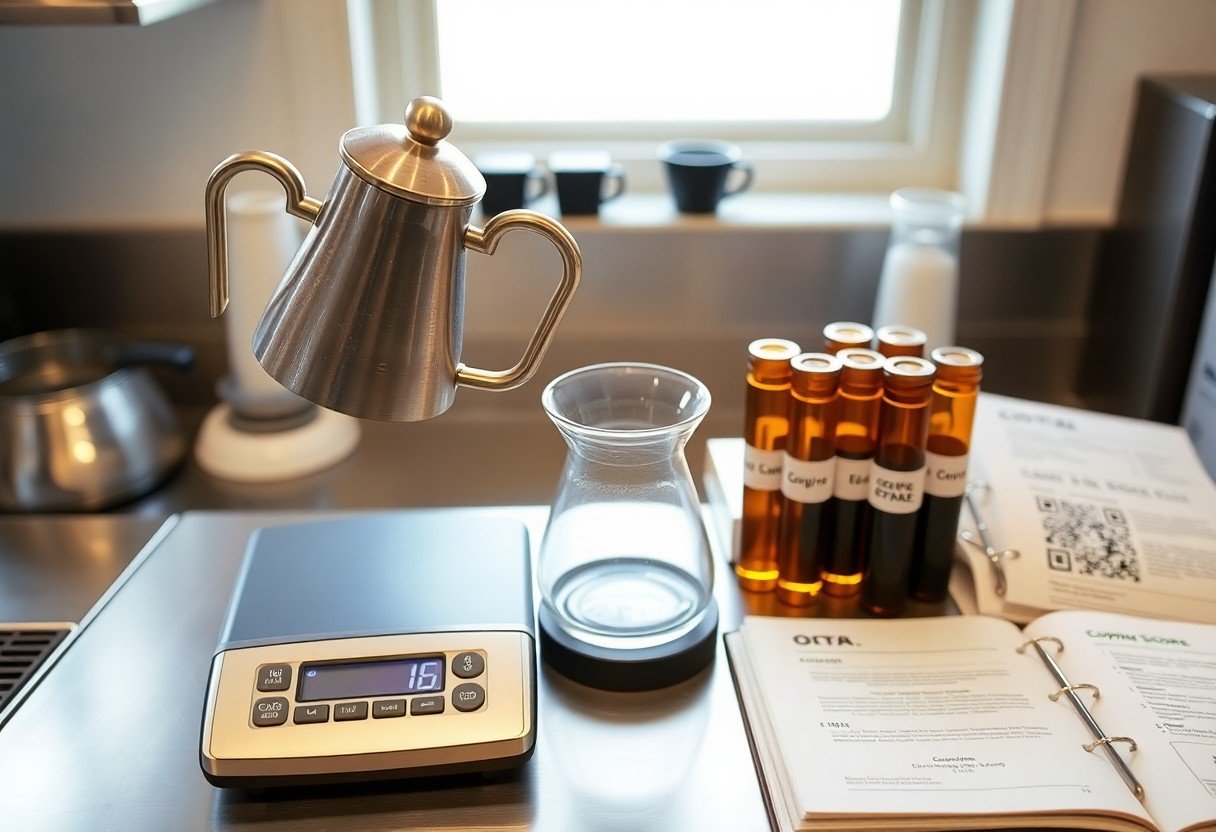
Precision Brewing for Maximum Expression
Precision in brewing routines and recipe sharing from an elite subscription trains you to detect subtle shifts in acidity, sweetness, and texture by controlling variables tightly.
Consistent logkeeping and standardized equipment let you repeat successes and eliminate guesswork so each cup highlights the bean’s intended profile.
The Impact of Water Chemistry and Thermal Stability
Mineral composition and pH shape perceived sweetness and clarity, so a curated subscription often provides water recipes or filters that help you maintain ideal TDS and thermal stability.
Optimizing Extraction Variables for Elite Beans
Adjusting grind size, dose, brew ratio, and contact time for a single origin reveals its signature notes; you isolate the best balance by changing one variable at a time and tasting deliberately.
Taste as you tweak, aiming for 18-22% extraction and using a scale and timer to ensure repeatability while you make incremental grind or dose adjustments to refine flavor balance.
The Path to Olfactory Mastery
Practice smelling coffee several times per day, isolating single notes and repeating them until you can name them without visual cues.
Consistency in brief, focused sessions helps you link aromas to memories and adjust for brewing variables that alter perception.
Developing Sensory Memory and Identification
Expose yourself to aroma kits and single-origin samples, building a mental catalogue that you can call up during cupping.
Compare similar coffees side-by-side, noting differences in acidity, sweetness, and aftertaste to sharpen identification and vocabulary.
Transitioning from Passive Consumption to Active Evaluation
Shift your intent when you sip: slow down, breathe through the nose, and focus on specific attributes rather than finishing the cup quickly.
Score each brew with simple metrics-aroma, balance, body, finish-to track progress and identify consistent preferences you can refine.
Record tasting notes and environmental details so you can reproduce positive outcomes and isolate factors that mask or reveal flavors.
Final Words
Considering all points, you can develop consistent tasting skills and broader flavor awareness through curated, frequent exposure to single-origin beans, processing styles, and tasting notes. You will still need practice, note-taking, and occasional guided feedback to refine recognition, but an elite subscription offers structured variety that accelerates your journey to becoming a confident flavor savant.
FAQ
Q: Can an elite coffee subscription really turn me into a flavor savant?
A: An elite coffee subscription can accelerate sensory learning by delivering a wide range of well-documented beans and guided tasting instructions. Regular exposure to distinct origins, processing methods, and roast profiles builds pattern recognition in aroma and flavor. Guided cuppings, tasting wheels, and comparative samples shorten the learning curve compared with random tasting at cafés. Consistent practice and active note-taking remain necessary for deep, long-lasting improvement.
Q: What subscription features matter most for improving tasting skills?
A: Curated single-origin lots with clear provenance and roast dates provide the most useful learning material. Inclusion of sample-sized bags or flight packs encourages side-by-side comparisons without waste. Detailed tasting notes, cupping protocols, access to expert commentary, and aroma kits help train both smell and taste. Opportunities for feedback, community cuppings, or live sessions add targeted guidance that accelerates progress.
Q: How much time and practice does it take to notice real improvement?
A: Consistent, focused practice of 15-30 minutes per tasting session, three times per week, produces noticeable improvements within 3-6 months. Progressive exercises-such as blind comparisons of two variables at a time-build discrimination faster than unstructured drinking. Periods of rest and palate resets between sessions prevent fatigue and preserve sensitivity. Tracking progress with notes and a flavor wheel reveals measurable gains over time.
Q: Will receiving exotic or rare beans automatically improve my palate?
A: No. Rare beans can expand your exposure but do not guarantee skill development without structured comparison and attention to brewing consistency. Roast level, grind, water chemistry, and extraction differences can mask origin characteristics unless you control those variables. Guided tasting prompts and side-by-side samples reveal the meaningful differences that train the palate.
Q: What practical exercises and tools should accompany a subscription for best results?
A: Cupping protocols, a basic aroma kit, a standardized flavor wheel, and a consistent brewing setup (scale, grinder, kettle) form the core toolkit for improvement. Blind tastings, concentration exercises with single aromas, and systematic note-taking sharpen both detection and descriptive ability. Repeating the same coffee across different roast levels or brews teaches how variables alter perception. Short quizzes or checklist-based sessions help solidify learning.
Q: Can a subscription help me identify origin, processing, and roast profile reliably?
A: With regular, structured practice a subscriber can learn to recognize common origin markers, processing effects, and roast-driven flavors. Learning progresses from broad categories (fruit-forward vs. chocolatey) to finer distinctions (specific regional notes) as exposure increases. Confounding factors such as roast inconsistency or brewing errors will slow progress unless controlled. Expert-guided comparisons speed up accurate identification.
Q: Is an elite coffee subscription a better investment than classes or café tastings?
A: Subscriptions deliver repeated, curated exposure at a lower cost per tasting and allow practice in your own environment, which is imperative for skill building. Formal classes and guided cuppings provide concentrated expert instruction and immediate feedback that can correct bad habits faster. Combining a subscription for regular practice with occasional classes or masterclasses offers the most efficient path to becoming a flavor-savvy taster.