
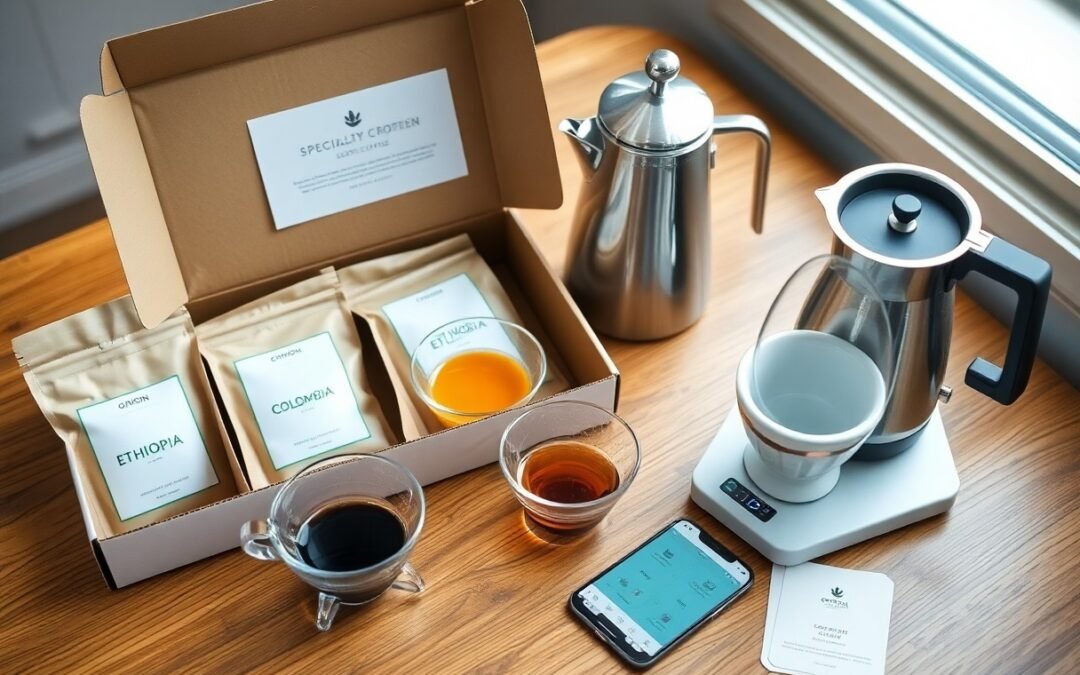
It’s likely your morning brew lacks nuanced flavor without a specialty coffee subscription, since you encounter limited bean variety, sparse origin details, and one-size-fits-all roast profiles; curated subscriptions deliver diverse beans, clear provenance, and tasting notes that sharpen your palate.
Key Takeaways:
- Specialty subscriptions supply freshly roasted, single-origin or micro-lot beans with tasting notes that reveal acidity, body, and flavor nuance missing from commodity blends.
- Regular shipments introduce new origins and roast profiles plus brewing tips, shortening the learning curve and expanding at-home tasting variety.
- Higher per-bag price often translates to more consistent cup quality and less waste, making morning coffee a reliable, enjoyable ritual rather than a hit-or-miss grab.
Defining Nuance in the Specialty Coffee Scene
You identify nuance when acidity, aroma, and mouthfeel interact so individual flavors resolve across sips rather than merging into a single blunt note.
Nuance relies on consistent sourcing, precise roasting, and controlled brewing-elements a specialty subscription often prioritizes so you can taste intended complexity.
The Role of Terroir and Origin in Flavor Complexity
Terroir shapes sugar development and aromatic precursors; when you sip, origin often reads as stone fruit, floral, cocoa, or herbal signatures.
Origin transparency in subscription offerings lets you compare regions side by side, helping you refine the cues you use to assess balance and clarity.
How Processing Methods Dictate Sensory Clarity
Processing method determines how fruit and fermentation flavors translate: washed tends toward clarity, natural amplifies fruitiness, and honey lands between-so you can select preferred style.
Fermentation length and microbial activity amplify or mute acidity and body; as you cup, bright esters or subdued notes reveal processing choices.
Sensory practice deepens with exposure, and a curated subscription cycles varied processes to help you map specific processing traits to tasting descriptors.
Freshness as the Foundation of Quality
Freshness defines what you taste first in the cup: bright acids, volatile aromatics and clearer origin notes that stale beans quickly mute.
You notice a subscription’s advantage in roast-to-door timing, which keeps beans inside their flavor window instead of on slow turnover shelves.
Understanding the Degassing Window and Peak Aroma
Degassing releases CO2 and allows volatile aromatics to bloom, so you want to brew when gases have eased but scent compounds remain vibrant.
Timing affects extraction balance because you can miss peak aroma if beans sit too long, leaving a flatter, less nuanced cup.
Why Grocery Store Shelves Compromise Bean Integrity
Grocery outlets often store beans under variable light and temperature conditions, so you frequently end up with muted notes and accelerated oxidation.
Packaging choices at scale prioritize shelf life and appearance over controlled gas release, which means you as a buyer receive beans that have lost fragile oils and aromatic complexity.
The Curation Advantage of Specialty Subscriptions
Subscriptions deliver a curated rotation of single-origin and specialty blends so you don’t default to the same supermarket bag. You discover producers, processing methods and regional nuance that reshape how your morning brew behaves.
Curated shipments include roast dates, tasting notes and brewer recommendations so you extract intended flavors at home. You gain steady access to small-batch roasts that invite experimentation instead of repeating predictable, mass-produced cups.
Accessing Rare and Seasonal Micro-lots
Micro-lots come from specific plots and experimental processes, and subscriptions give you early access before wider release. You sample limited fermentations and varietals that rarely reach retail shelves.
Seasonal drops follow harvest cycles, so you receive beans at peak expression and taste distinct sweetness, acidity and aromatics. You learn to recognize vintage shifts across months and regions.
Expert Selection vs. Conventional Mass Production
Experts taste, score and select lots for clarity, balance and roast compatibility so every shipment suits the brewing methods you use. You benefit from cupping panels and roaster judgment that filter out inconsistent lots.
Contrast that with conventional mass production, where uniformity and shelf stability often trump floral complexity or delicate sweetness. You usually encounter blends engineered for long distribution instead of seasonally expressive cups.
Beyond selection, specialist subscriptions track traceability and cultivate direct relationships with farmers, which improves processing care and transparency. You brew with more confidence knowing provenance, grind and temperature recommendations were considered.
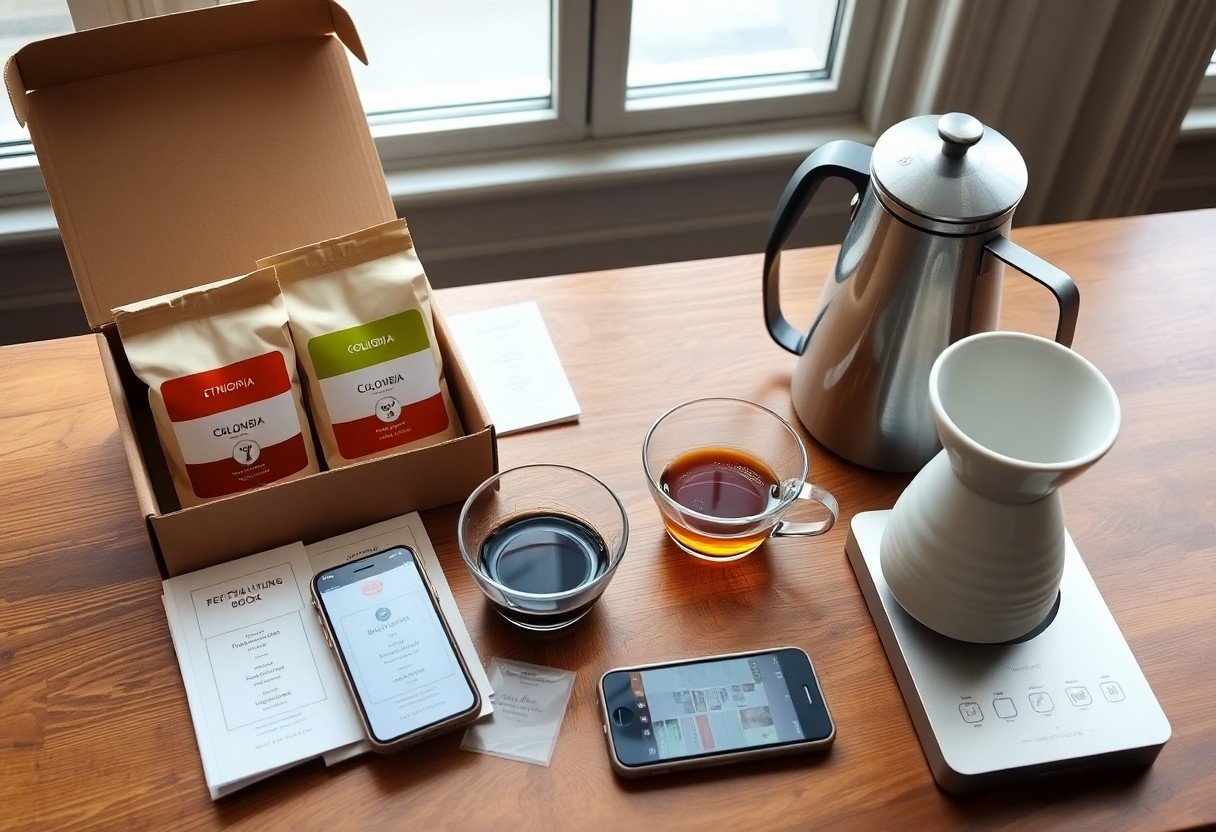
Refining Your Palate Through Diversity
Sampling beans from varied origins sharpens your ability to discern acidity, sweetness, and body, and a subscription keeps those comparisons regular.
Tasting weekly from different roasters trains your memory so you can spot regional and processing signatures that single-source supermarket coffee hides.
Exploring the Spectrum of Roast Profiles
Light roasts highlight origin character and bright acidity, while darker roasts mute those notes and amplify caramel and bitters; you learn preference by sampling across the spectrum.
Utilizing Tasting Notes to Identify Subtle Characteristics
Using tasting notes from your subscription, you can match descriptors-citrus, stone fruit, cocoa-to what you detect, training your vocabulary and palate simultaneously.
Practice cupping short flights, focus on one attribute per sip, and record what you notice so recurring subtleties become unmistakable in your morning brew.
Ethical and Economic Considerations
Within this chapter you weigh how subscription models move money and accountability through the supply chain, so you can judge whether premium flavor gains actually translate into fair returns for producers.
Supporting Direct Trade and Sustainable Farming Practices
Choosing a subscription that publishes sourcing details lets you favor roasters who pay above-market rates and invest in sustainable practices, which you can track through certifications and price transparency.
Evaluating the Cost-Per-Cup Value of Premium Beans
Assessing cost-per-cup forces you to compare the real expense of specialty beans against your usual buy: factor bag size, brew yield, and waste to see if improved taste justifies the extra outlay.
Calculating with simple figures-bag cost, cups per bag, and brewing losses-gives you a clear cents-per-cup number, allowing you to tweak subscription frequency or grind size to bring value in line with your budget and taste expectations.
Optimizing Your Home Brewing Ritual
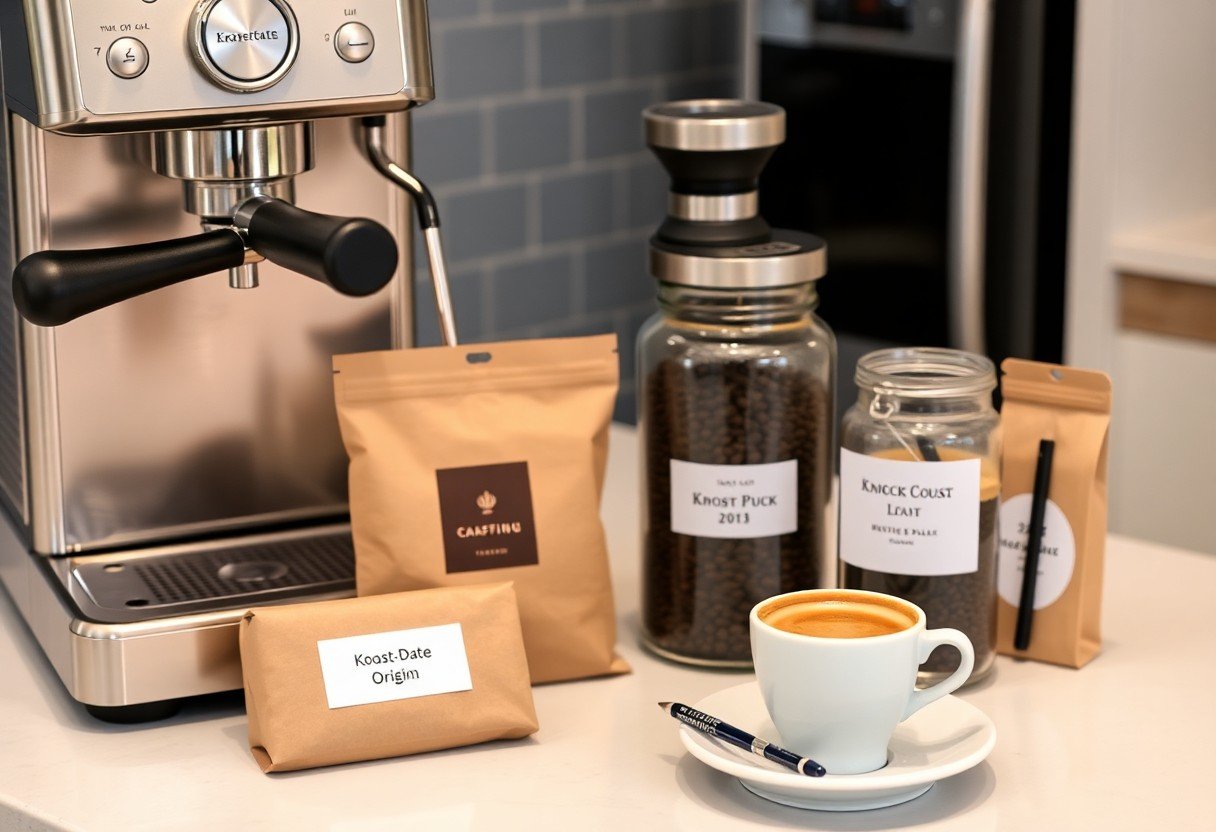
Adjust your pre-brew routine so you control grind, dose, and water temperature every time; a specialty subscription supplies consistent beans, letting you refine extraction without chasing freshness. You will notice small tweaks in grind and yield translate into clearer flavors and fewer wasted cups.
Set a dedicated station with scales, thermometer, and a log so your experiments become repeatable; you can compare roast dates, brew ratios, and tasting notes between deliveries. Keeping gear and records in one place reduces variability and accelerates improvements to your daily cup.
Tailoring Delivery Frequency to Consumption Rates
Match your subscription cadence to how many cups you brew weekly by calculating grams per cup and multiplying by days; this prevents stale beans or excess stock. You should adjust shipments when guests increase consumption or when single-origin preferences require fresher batches more often.
Maintaining Consistency with Small-Batch Roasts
Rotate single-origin and blend batches steadily so you can learn each profile; small-batch roasts change quickly after roasting, and you need consistent sampling to dial in grind and extraction. You will get more predictable results when you commit to shorter intervals between tasting and adjustment.
Track roast dates, grind settings, water chemistry, and extraction yields in a simple log so you reproduce successes; this data lets you order the same roast profiles or tweak shipment size based on how long beans stay optimal. Your ability to compare notes across deliveries makes consistency tangible.
Final Words
To wrap up, you can broaden your coffee palate with a specialty subscription that supplies fresh, single-origin beans, curated roast profiles, and tasting notes. You can also develop nuance at home through careful brewing and local roasters, but subscriptions accelerate exposure to variety and provenance. Choose the option that matches how much discovery you want in your morning brew.
FAQ
Q: What is a specialty coffee subscription?
A: A specialty coffee subscription delivers curated, high-quality beans from small or artisanal roasters on a recurring schedule. Subscriptions typically include roast dates, origin and processing details, and tasting notes to help you identify specific flavor characteristics. Many plans let you choose roast level, grind size, and delivery frequency to match your brewing routine.
Q: Will a subscription make my morning brew more nuanced?
A: It can add noticeable nuance by exposing you to a wider range of origins, processing methods, and roast profiles than a single grocery-bought bag. Regular tasting of different coffees trains your palate to detect acidity, body, sweetness, and specific flavor notes. Brewing guidance provided by roasters helps you reproduce those subtleties at home.
Q: How does roast date and freshness affect flavor nuance?
A: Freshly roasted beans retain volatile aromatics that create clearer, more complex flavors and dynamic cup profiles. Flavor development changes rapidly in the weeks after roast, so roast-date transparency matters if you want the brightest, most nuanced expression. Proper storage and grinding immediately before brewing preserve those delicate notes.
Q: Does rotating variety beat mastering a single favorite bean?
A: Rotating variety broadens your tasting vocabulary by highlighting contrasts in origin, processing, and roast that a single coffee might hide. Mastering one bean helps you perfect extraction and consistency, but sampling many coffees reveals subtle differences and helps you identify which attributes you prefer. A balanced approach-rotating while practicing consistent brewing-yields the best learning curve.
Q: Are specialty coffee subscriptions worth the extra cost?
A: Value depends on how much you care about flavor discovery, transparency, and convenience. Direct-roaster subscriptions often justify higher prices through fresh roasting, sourced-traceability, and detailed guidance that mass-market beans lack. Adjusting grind, frequency, and portion sizes can keep cost per cup reasonable.
Q: What should I look for when choosing a subscription?
A: Look for clear roast dates, origin and processing information, flexible grind and delivery options, and transparent sourcing practices. Customer reviews, straightforward pricing, and the ability to pause or customize shipments reduce risk. Prefer roasters that provide tasting notes and brewing tips to help you extract nuance.
Q: Can I get the same nuance from a local roaster or café instead?
A: Local roasters and cafés often offer comparable quality and let you taste before committing to a bag. Subscriptions extend that reach by delivering remote or seasonal discoveries you might not find locally, while local purchases support nearby businesses and enable in-person guidance. Combining both approaches gives the broadest exposure and the best chance to refine your palate.