
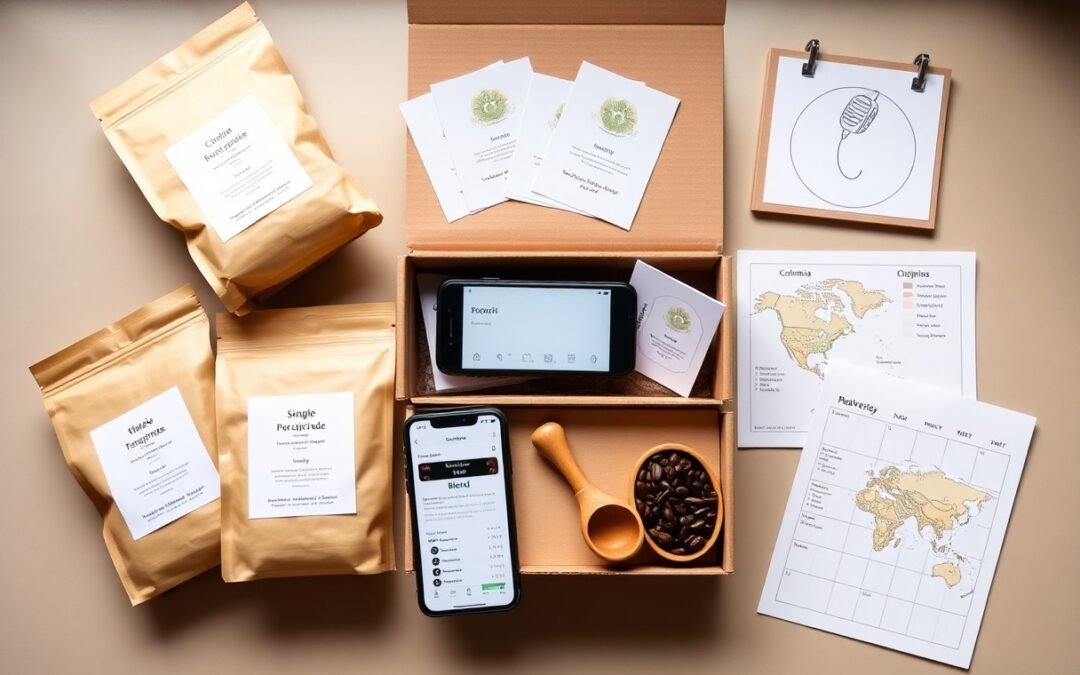
You pick roast, grind, origin, delivery cadence, and flavor preferences to tailor each shipment; this guide provides clear steps to refine beans, packaging, and add-ons for a consistently excellent cup.
Key Takeaways:
- Choose flavor profiles, roast levels, grind size, and brewing method preferences up front; use sampler boxes or small shipments to refine choices before committing.
- Set delivery cadence, bag size, and pause/skip options to match your consumption and storage capacity while minimizing stale coffee.
- Compare producers’ transparency, tasting notes, and price tiers; prioritize subscriptions with easy swaps between single-origin and blends and clear shipping costs.
Assessing Key Factors for Your Flavor Profile
You should weigh origin, processing, roast, freshness, and tasting notes when tailoring a subscription, since each shifts acidity, body, and sweetness in the cup.
- Origin (region, altitude)
- Processing method (washed, natural, honey)
- Roast level (light, medium, dark)
- Freshness and roast date
- Tasting notes you prefer
Recognizing how those elements interact helps you set filters and delivery frequency so your subscription consistently matches your palate.
Identifying preferred roast levels and tasting notes
Taste light, medium, and dark roasts against sample tasting notes to pinpoint whether you prefer bright acidity, chocolatey sweetness, or fuller body, then save those preferences in your subscription profile.
Analyzing brewing methods to determine ideal bean characteristics
Consider that pour-over highlights clarity and origin-specific notes, while espresso demands concentration and often favors blends or darker roasts for balance.
Match grind size, dose, and roast to your brewer-coarse for immersion, medium for drip, and fine for espresso-to preserve the tasting notes you want in each brew.
Adjust subscription filters toward higher-density, washed lots for bright, tea-like clarity or toward darker-roasted blends when your brewing method emphasizes body and sweetness.
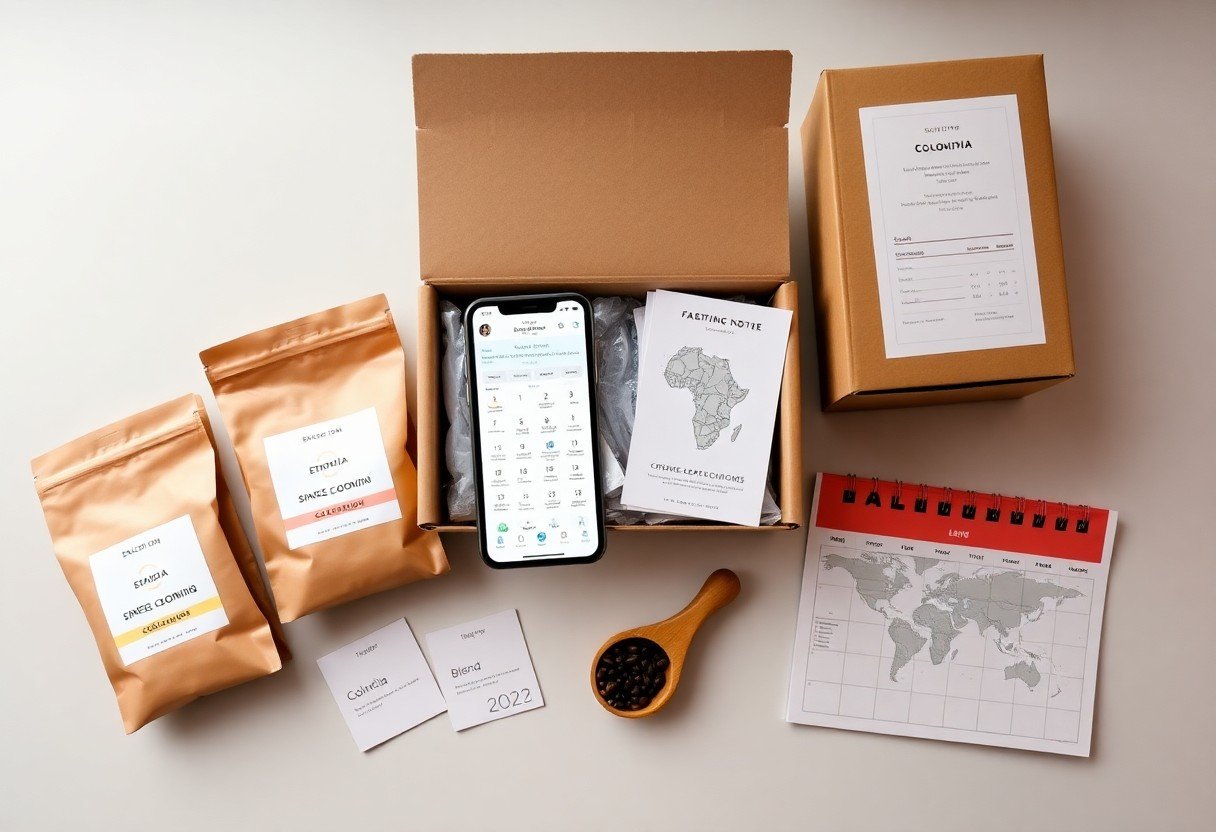
How-to Navigate Subscription Models and Curation Styles
Subscription models differ by frequency, customization, and the level of tasting guidance you receive; match one to how experimental you want to be and how often you brew.
Choose flexible plans if your routine or taste changes, and use skip or pause features so you control deliveries and avoid waste. Check trial sizes and billing cadence to test roasts without long-term commitment.
Differentiating between roaster-direct and multi-roaster platforms
Roaster-direct platforms give you direct access to a single team’s roast style and sourcing notes, so you can build familiarity with consistent profiles. Multi-roaster services broaden your exposure, which helps when you want variety and to discover new favorites.
Selecting between rotating single-origins and signature blends
Single-origins highlight terroir and seasonal character, ideal when you want to trace how growing conditions shape flavor across harvests. Signature blends prioritize balance and predictability, suiting the cup you rely on every morning.
Consider alternating subscriptions: rotate single-origin deliveries for tasting education and keep a signature blend as your everyday staple so you enjoy discovery without sacrificing a familiar cup.
Expert Tips for Optimizing Delivery Logistics
Optimize how you receive beans by aligning bag sizes, roast profiles, and delivery cadence with your household consumption and storage habits. Use past delivery data to adjust intervals and avoid both shortages and surplus.
- Match bag size to weekly grams consumed.
- Pause or skip shipments before trips.
- Schedule deliveries on predictable weekdays for fresher rotation.
Calibrating shipment frequency based on daily consumption
Track your daily coffee use by measuring grams per brew and counting cups for two weeks; convert to weekly needs and set shipments to arrive with a modest buffer. You should test shorter cadences and smaller bags rather than letting beans sit unused.
Utilizing flexible scheduling to prevent coffee surplus
Adjust delivery dates in your subscription dashboard to pause, skip, or shift shipments for vacations and low-use periods, and choose smaller bags when consumption drops. You can also sync deliveries with expected guests or seasonal brewing changes to avoid backups.
Tweak notification settings and hold options so you get alerts before each shipment and can cancel or delay if supply is high. After a couple cycles of testing, refine frequency and bag size to match your consumption and keep coffee consistently fresh.
How-to Customize Grind and Packaging Specifications
Choosing between whole bean and precision-ground options
If you switch between brew methods, whole beans give you the flexibility to dial grind size for each session while precision-ground saves time for a single, consistent method. You can set your subscription to deliver whole beans for experimenting or request pre-ground tailored to espresso, drip, or French press when you want convenience.
Whole-bean deliveries let you preserve volatile aromatics until the moment of grinding, and you can adjust grind fineness through your grinder or by updating subscription preferences. You should match grind size to brew time and extraction to avoid under- or over-extraction.
Selecting specialized packaging to preserve volatile aromatics
For preserving delicate aromatics, prioritize one-way degassing valves, multi-layer foil, and opaque materials that block light and limit oxygen exposure while allowing CO2 to escape. You can select smaller bag sizes or single-serve pouches to reduce headspace and keep each portion fresher across the delivery cycle.
Choose resealable, high-barrier laminates or nitrogen-flushed micro-packs that list roast and pack dates so you can time consumption for peak flavor. You should also consider insulated or insulated outer packaging if shipments cross warm climates or long transit times.
Vacuum-sealed or nitrogen-flushed options paired with low oxygen transmission rate films extend peak aroma by limiting oxidative loss; you can request packaging specs from your roaster and schedule more frequent, smaller shipments if you prioritize maximum freshness.
Pro Tips for Refining Your Long-Term Experience
Implementing a tasting journal to guide future selections
Keep a tasting journal that records date, origin, roast level, brew method and concise flavor notes so you can track patterns and fine-tune subscription choices; consult community guides like How to Launch a Profitable Coffee Subscription for ideas on rotations and trial strategies.
- Date and roast level
- Brew method and yield
- Flavor notes and score
Log quick scores after each cup and review entries monthly to spot consistent favorites, then set preferences or pause profiles that don’t match your palate.
Using loyalty perks and exclusive micro-lot access
Explore membership tiers and point systems to redeem tasting bags and early drops; prioritize trials for single-origin or limited releases so you can decide which small lots deserve a permanent spot in your rotation.
This helps you secure limited runs, stretch credits toward tasting-size purchases, and communicate preferences with the roaster so your subscription adapts to the best micro-lot offers.
Summing up
Upon reflecting, you can tailor subscriptions by prioritizing roast level, origin, grind, and delivery frequency to match rituals and equipment. You should test single-origin samples, set flexible delivery, and use roast-date info to ensure freshness. You will refine preferences by tracking flavor notes and asking for swaps. A clear budget and communication with roasters guarantee consistent satisfaction and let you build a personalized, reliable specialty coffee routine.