
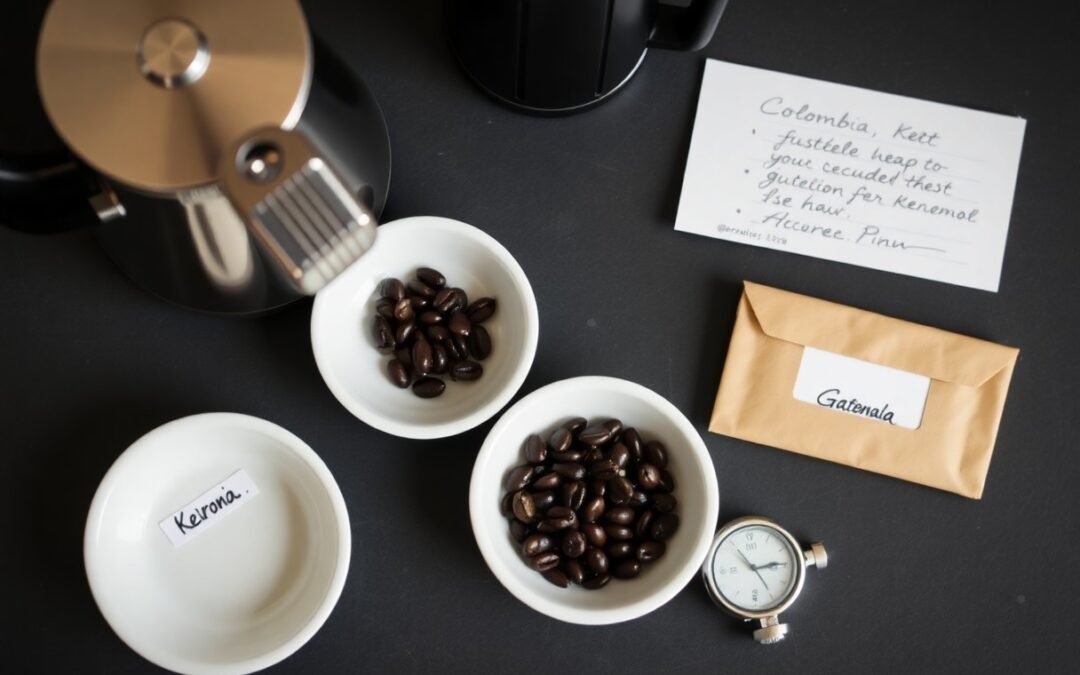
Coffee opens up endless possibilities when you learn to blend beans; you combine roast levels, origins, and grind size to craft a signature cup tailored to your palate and brewing method.
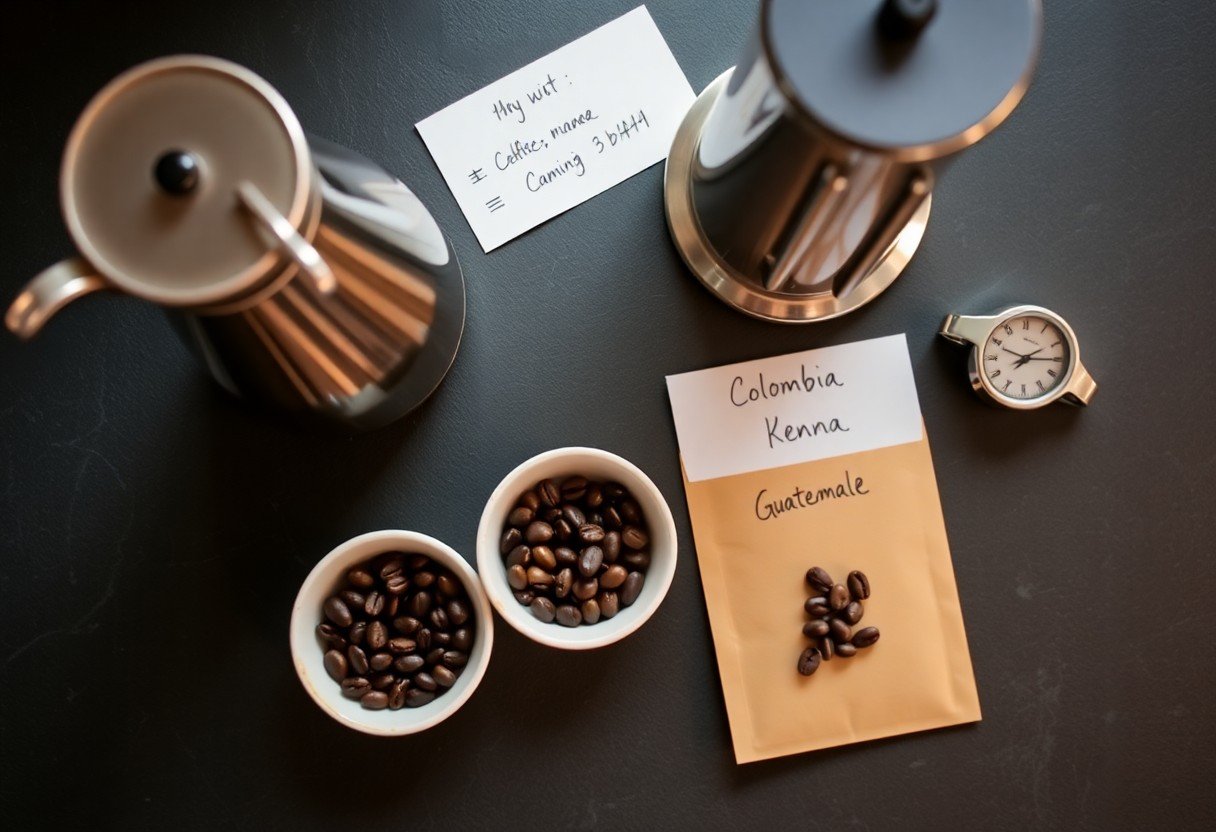
Key Takeaways:
- Choose a base bean that provides the core profile you want (chocolatey, nutty, floral) and add 10-30% of contrasting beans to introduce brightness, sweetness, or body.
- Match roast levels and grind size to your brew method; roast similarly for harmony or mix light and dark for complexity, then adjust grind to control extraction and mouthfeel.
- Test small 50-200 g batches, document bean origins, roast degree, ratios, and brewing variables, and iterate in 5-10% ratio changes until the blend consistently hits your preferred flavor balance.
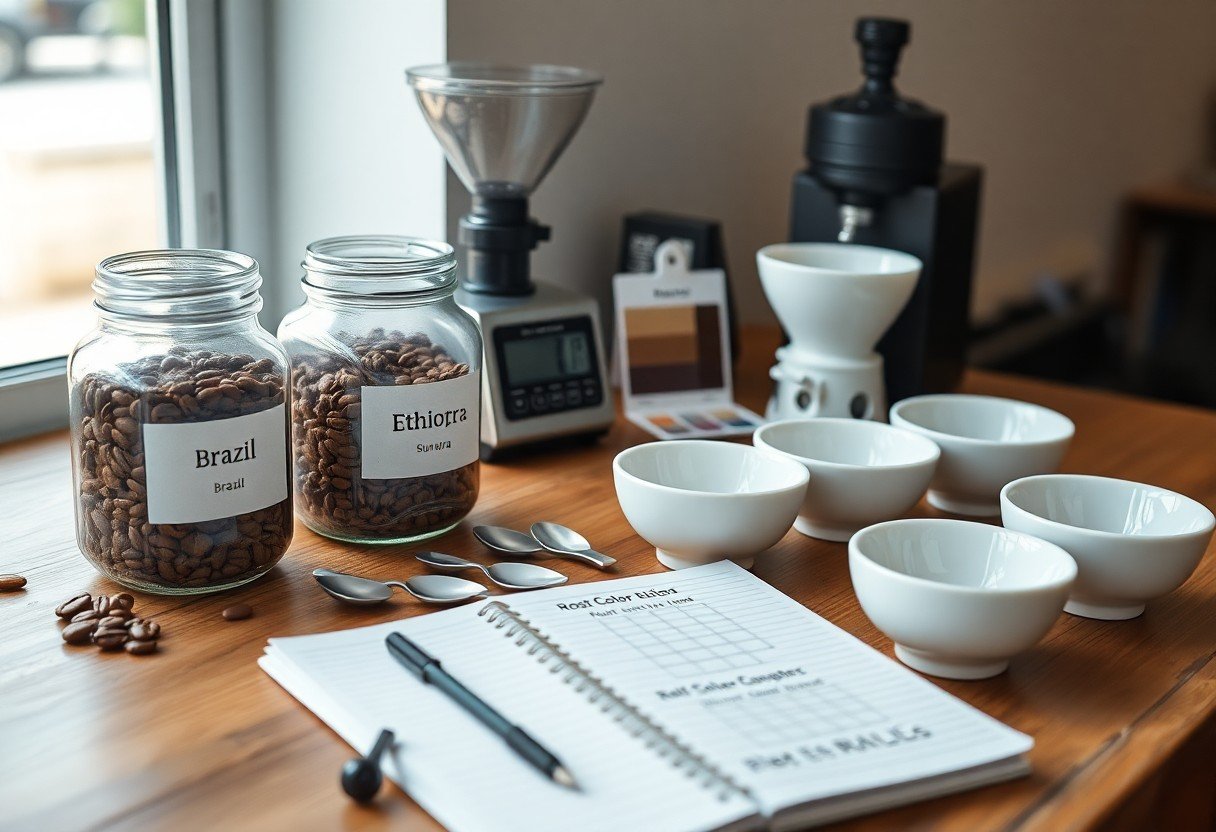
Essential Factors for a Balanced House Blend
Balance between acidity, body, and sweetness guides how you combine beans to target a consistent cup profile; you should decide which component leads and which supports to achieve harmony. You will find that clarity, finish, and brew method all influence how those elements present in the final cup.
- Origin and variety: complementary flavor roles
- Roast level: preserving or shaping notes
- Processing: clarity, fruitiness, or body
- Bean ratio: proportion for balance and consistency
- Brew method: final cup extraction considerations
Taste examples side-by-side and take structured notes on acidity, sweetness, body, and finish. After you compare those notes against your target profile, adjust ratios and roast choices until the blend meets your goals.
Evaluating Origin Characteristics and Terroir
Origin determines dominant flavor building blocks, so you should assign beans roles-accent, base, or sweetness-based on their natural profile. You can use processing styles to accentuate fruitiness or clarity when composing the blend.
Altitude, soil, and microclimate shape acidity and clarity, so you should favor higher-grown lots for brightness and lower-elevation beans for added weight. Your tasting notes will reveal which origins need roast tweaks to sit well together.
Assessing Roast Levels and Flavor Development
Roast level dictates how much origin character remains versus caramelized sweetness and roast-derived bitterness, so you should select a roast range that preserves desired notes while adding body. Your roast targets must be repeatable to maintain consistency across batches.
Monitor first crack timing, bean color, and aroma development, and cup roast samples while they cool to detect shifts in acidity and aftertaste. You should log profiles and sensory notes to reproduce the same balance at scale.
Compare medium-light, medium, and medium-dark roast samples side-by-side and cup them to judge sweetness, acidity, and finish; you should use those comparisons to refine both roast targets and bean ratios for your signature house blend.
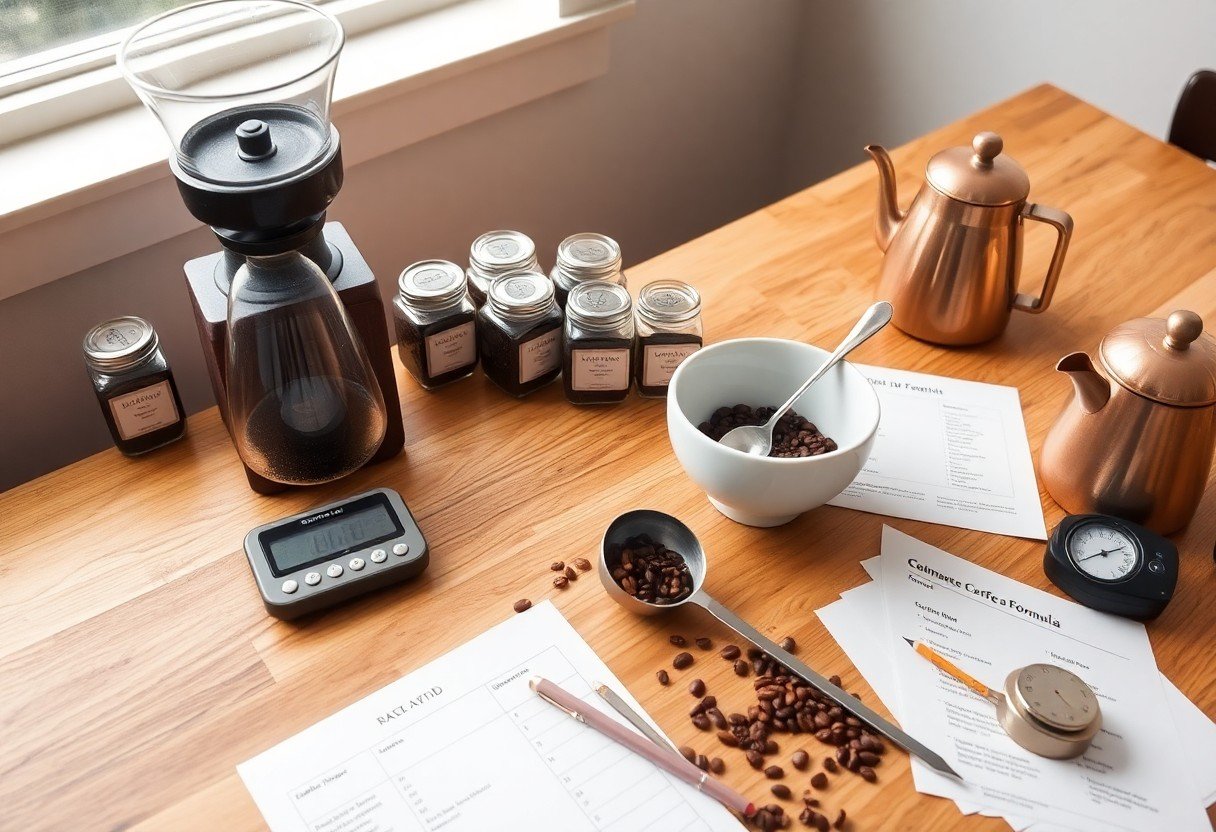
Required Tools for Precision Blending
Tools you gather should include a high-precision scale, a quality burr grinder, tasting cups, and airtight containers so you can replicate recipes and track changes; consult a practical guide like How to Create Custom Coffee Blends for ratio examples and testing methods.
Utilizing High-Accuracy Digital Scales
Scales with 0.1 g resolution let you measure single-origin components precisely so you can test small ratio changes and note effects on cup profile; place a tare vessel and log each weight for repeatable batches.
Implementing Air-Tight Storage Solutions
Containers you choose should be opaque, airtight, and stored in a cool, dry spot so beans stay stable between trials and you avoid masking subtle differences during cupping sessions.
Seal one-way valve bags and airtight jars let you degas freshly roasted beans while preventing oxygen ingress, so you can rest roasts before blending and keep test samples consistently fresh for accurate comparisons.
How-To Step 1: Selecting Your Component Beans
Start by listing the flavor qualities you want-body, acidity, sweetness, and aroma-and choose beans that reliably deliver those traits so you can target specific roles in the blend; you will track roast level and origin for repeatability.
Choose beans with contrasting strengths so one provides mouthfeel while another brightens or perfumes the cup, and plan to run small-batch tests so you can adjust ratios based on tasting results.
Choosing a Foundation for Body and Depth
Pick a base bean known for steady body, often medium-dark roasted Central or South American lots, to give your blend a solid backbone you can build upon.
Match that foundation with a slightly sweeter or nutty partner if you want more roundness, and you should roast the base a touch darker than accent beans to retain presence after blending.
Identifying Accent Beans for Aromatic Complexity
Sift lighter-roasted African or floral specialty lots for high-toned aromatics that will punctuate your blend without overwhelming its structure, and you should start with low percentages.
Balance citrus, floral, or fruity accents against the base to target the aroma profile you prefer, while you document how each increment shifts the cup.
Taste each candidate both solo and in tentative blends, noting volatile aromatics on the nose and finish so you can decide which accents survive brewing variables and deserve a place in the final recipe.
How-To Step 2: Calculating the Perfect Ratios
Calculate your target blend by choosing a base bean around 70-85% and assigning the remainder to accents that add brightness, body, or sweetness; measure by weight for consistency.
Use simple fractions to translate percentages into grams for each roast batch and label small sample bags so you can track results across trials.
Using the Base-to-Accent Percentage Method
Balance flavor by making the base do most of the heavy lifting while accents shift acidity or aroma; try 80/20 as a starting point and tweak from there.
Performing Incremental Taste Testing
Start with tiny adjustments-change an accent by 5-10% and brew the same way so you isolate differences; take notes on aroma, acidity, body, and finish.
Taste each variant side-by-side using the same water, dose, and brew time so you can detect subtle effects and decide which percentages to keep.
Adjust further by repeating the smallest successful change across larger batches, then converge on the ratio that consistently gives the cup profile you prefer.
How-To Step 3: Processing and Grinding the Blend
You separate and label roast batches before mixing, sample small roast variations to find balance, and decide whether to blend pre-roast for integrated roast behavior or post-roast for precise flavor control; degas roasted beans for 24-72 hours and grind only what you need to preserve aroma.
Measure batch sizes on a scale, record roast profiles and grinder settings, and grind in short bursts to avoid heat buildup; store leftover grounds in airtight containers away from light and humidity.
Mastering Pre-Roast vs. Post-Roast Techniques
When you blend before roasting, account for differing bean densities and adjust the roast curve; when you blend after roasting, taste each lot separately and combine proportions to highlight desired notes without masking acidity or body.
Calibrating Grind Size for Brewing Methods
Adjust grind size to match your method: espresso needs very fine, pour-over prefers medium-fine, drip machines use medium, and French press calls for coarse; rely on visual and tactile cues-powdery, salt-like, or chunky-rather than numbers alone.
Fine-tune by changing one grinder step at a time, timing extractions and noting flavor shifts; aim for balanced extraction where sharp acidity softens toward sweetness without bitter overtones, and keep detailed notes to replicate successful settings.
Expert Tips for Flavor Refinement
You should taste small changes after each tweak: adjust grind by a notch, alter brew ratio by 5-10%, and note how flavors shift.
- Dial in roast: add darker beans for body, lighter for brightness.
- Adjust extraction: coarser grind reduces bitterness, finer boosts sweetness.
- Modify water temp and bloom time to shape acidity and clarity.
Recognizing subtle shifts lets you craft a consistent house blend that matches your palate.
Documenting Results in a Cupping Journal
Track each trial with date, roast level, grind setting, brew ratio, and water temperature so you can compare objectively.
Note tasting scores, descriptors, and anomalies; over time patterns reveal which combinations produce desired sweetness or acidity.
Balancing Bitterness and Acidity
Taste for balance by sampling brews that vary only one factor at a time, such as grind size or water temperature.
Adjust extraction to reduce harsh bitterness-coarser grind, cooler water, or shorter brew time-and increase brightness by using higher-acid beans or slightly hotter water.
Consider blending a small percentage of a bright, high-acid bean with a sweeter, low-acid lot to smooth edges while preserving clarity.
Conclusion
To wrap up, you can craft a signature house blend by defining the flavor profile you want, selecting complementary beans, choosing roast levels, and adjusting grind and ratios for balance. You should cup small test batches, tweak proportions, and note results until the blend matches your taste. Consistent sourcing and simple records will keep your blend replicable cup after cup.
FAQ
Q: What is a house blend and why create one at home?
A: A house blend is a consistent, signature mix of coffee beans combined to achieve a preferred balance of flavor, body, acidity, and aroma. Making one at home lets you tailor taste to your preferences, control bean quality, and adjust strength and sweetness without relying on purchased blends.
Q: How do I choose beans and origins when building a blend?
A: Choose one or two base beans that provide body and sweetness, such as a Brazilian or Sumatran, then add an accent bean for brightness or complexity, such as an Ethiopian or Kenyan. Select beans with complementary tasting notes and check origin, processing method, and freshness to predict how they will interact.
Q: Which roast levels should I use in a blend and how do they interact?
A: Combine roast levels to create balance: light roasts contribute acidity and floral or fruity notes, medium roasts add caramel sweetness and clarity, and dark roasts deliver body and chocolatey or smoky tones. Test blends with varying proportions of roast levels to find the profile that suits your brewing method.
Q: What starting ratios work best for testing a new house blend?
A: Start with a simple guideline like 50% base, 30% midnote, 20% accent, then taste and adjust in 5-10% increments. Use a digital scale to weigh beans by mass, document each batch, and only change one variable at a time so you can identify which adjustment affects the cup.
Q: How should I grind and mix beans to keep a consistent blend?
A: Grind whole beans immediately before brewing to preserve volatile aromatics, and grind the entire blended batch to the correct particle size for your brewing method. For consistency across batches, pre-weigh and premix whole beans in the target ratio and store that blended whole-bean mix rather than grinding separate components each time.
Q: What is the best way to store a custom house blend to preserve freshness?
A: Store whole-bean blends in an opaque, airtight container kept in a cool, dry place away from direct sunlight and heat. Buy or blend in quantities you will use within two to four weeks for peak freshness and avoid frequent opening of the container.
Q: How do I adjust a house blend for different brewing methods and taste preferences?
A: Adjust grind size, dose, and brew time to suit espresso, pour-over, French press, or drip; espresso usually prefers more body and darker components, while pour-over highlights brighter, more acidic notes. Modify bean ratios to increase sweetness, acidity, or body based on tasting notes and keep a log of changes and results to refine the blend systematically.