
Most beginners find choosing a coffee subscription overwhelming; you should prioritize roast profile, grind options, delivery frequency, budget, and tasting notes to ensure fresh, enjoyable specialty coffee.
Key Takeaways:
- Roast level and grind options – identify your preferred roast (light, medium, dark) and confirm the subscription offers whole-bean or matched grind settings for your brewer.
- Frequency, bag size, and budget – choose delivery cadence and portion sizes that match your consumption and costs; verify pause, skip, and cancellation flexibility.
- Flavor profiles and sourcing transparency – try sampler or single-origin boxes to find favorite tasting notes and favor roasters that list origin, processing, and roast date.
Defining Your Personal Coffee Preferences
You can map your tastes by listing acidity, body, sweetness, and favorite flavor notes-citrus, chocolate, or floral-to guide subscription choices and tasting focus.
Think about your brewing method, how often you brew, and whether you want variety or consistency; those practical details narrow suitable subscription plans and grind options.
Identifying your preferred roast profile
Light roasts highlight origin character with brighter acidity and more floral or fruity notes, which you’ll detect most in pour-over or filter brews.
Dark roasts emphasize caramelized, chocolatey, and smoky flavors with fuller body, making them better suited to espresso and milk-based drinks if you prefer rounder sweetness.
Exploring regional flavor notes and origins
Origin influences flavor strongly: Ethiopian lots often present jasmine and berry, Kenyan coffees bring vivid citrus and winey acidity, and Colombian beans tend toward balanced nutty sweetness.
Single-origin choices let you focus on distinct regional traits, while blends offer consistency and complexity-pick the approach that matches how much variety you want.
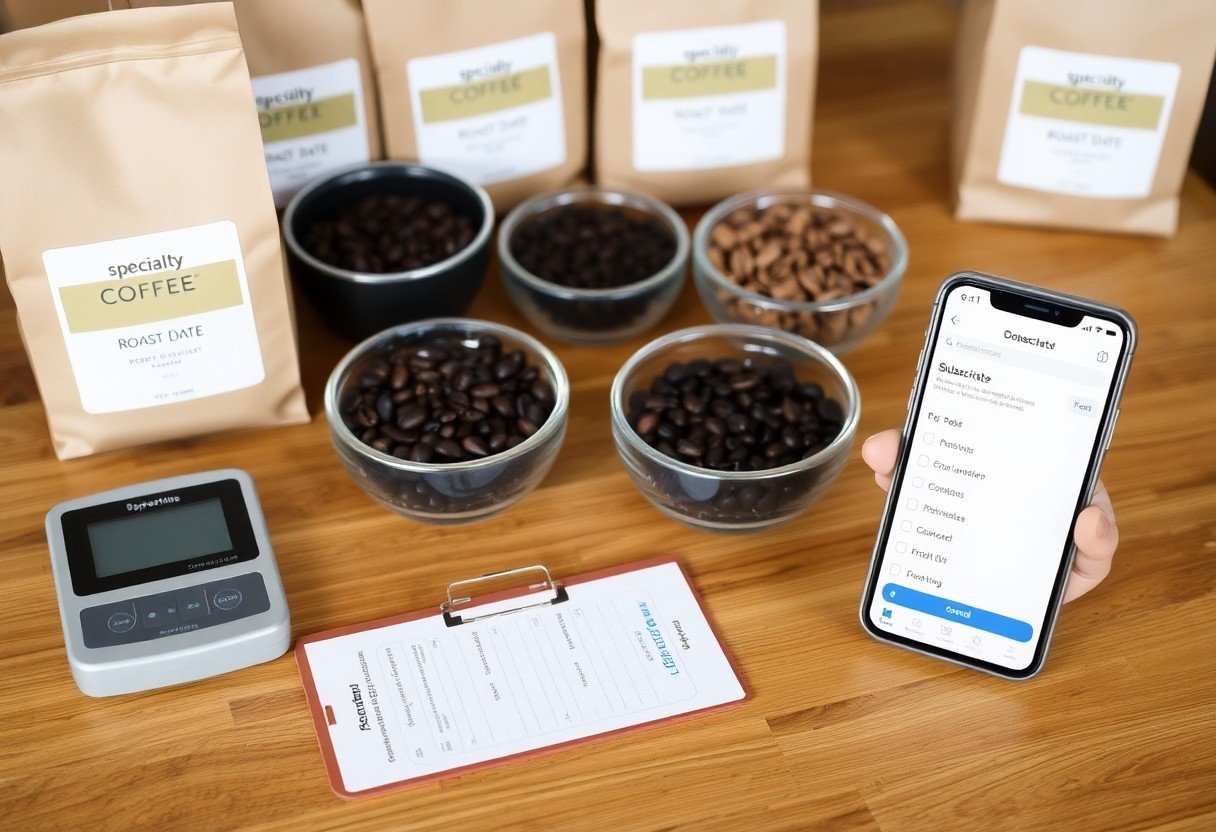
Tasting side-by-side helps: brew small samples, note aroma and flavor differences, and track roast dates so you can connect origin and freshness to the profiles you prefer.
Crucial Factors in a Quality Subscription
Subscription options differ by roast style, grind size, and delivery frequency; you should match these with your brewer and taste goals.
Consider whether the provider posts roast dates, offers customizable deliveries, and includes tasting notes. The subscription should prioritize clear roast-date labeling and flexible frequency.
- Roast-date transparency
- Grind and delivery flexibility
- Sourcing and ethics
Assessing roasting frequency and bean freshness
Check how often beans are roasted and how long shipments take; you should expect week-old roast dates for optimal flavor and adjust frequency to match your consumption.
Evaluating sourcing ethics and direct trade transparency
Ask whether farms receive fair prices, if direct-trade relationships are documented, and if the roaster shares origin stories you can verify when choosing a subscription.
Verify certifications, published premiums, and traceable lot numbers so you can confirm ethical claims and support producers whose practices align with your values.
How to Navigate Different Subscription Models
Choose a cadence and size that match how you brew so you avoid stale beans or surplus. You can start with a conservative quantity and increase frequency as your preferences lock in, and many services let you swap grind or pause shipments as you learn what you like.
Comparing single-roaster and multi-roaster platforms
Compare single-roaster subscriptions for consistent roast profiles and deep farm-to-cup stories with multi-roaster platforms that send a wider variety of origins and roasters; you may sacrifice uniformity for quicker discovery of your favorite styles.
Single-roaster vs Multi-roaster
| Single-roaster | Multi-roaster |
| You get consistent flavor, direct producer notes, and predictable roast levels. | You get rotating origins, broader tasting range, and faster exposure to new roasts. |
| You can develop a relationship with one roaster and fine-tune orders. | You can compare profiles across roasters before committing to favorites. |
| You may see less variety month to month. | You may encounter uneven roast consistency between shipments. |
Curated discovery vs. recurring favorites
Decide if you want surprises or stability: curated discovery sends new beans and tasting notes so you expand your palate, while recurring favorites deliver the same bag each shipment so your morning cup stays predictable.
Subscription discovery often includes options to rate shipments so the service refines selections for you, and recurring plans let you lock in grind, roast level, and delivery cadence to match your brewing routine.
Practical Factors for Long-Term Satisfaction
Practical choices like price, shipping area, and bean storage affect how satisfied you will be with a subscription, so weigh costs against quality and convenience.
- Price and value per bag
- Shipping reliability and reach
- Storage recommendations and roast dates
- Return, pause, and cancellation terms
Consider trial options and customer reviews to test beans and service before committing long term.
Customization of delivery frequency and volume
Adjust how often and how much you receive to match your consumption; choose weekly, biweekly, or monthly deliveries and set bag sizes so you don’t waste beans or run dry.
Flexibility in pausing or skipping shipments
Pause features let you skip deliveries when you’re away or stocked up, so you avoid buildup or stale coffee and manage costs better.
After you pause, check whether you need to reactivate manually or if shipments resume automatically, and verify how credits, refunds, or rescheduling are handled so you can plan confidently.
Expert Tips for Optimizing Your Experience
Focus on consistent tasting notes when you compare subscription options; track roast date, origin, processing, and recommended grind so you can judge freshness and expected flavors.
- Choose frequency and bag size that match your consumption.
- Pick subscriptions that offer grind choice and clear tasting notes.
- Look for flexible pause, swap, or sample options before committing.
Any subscription that lets you pause deliveries, adjust grind, and sample single-origin bags will help you refine your palate and dial in what you enjoy.
Utilizing tasting cards to refine your palate
Use tasting cards included with many subscriptions to map what you taste against the roaster’s notes; note acidity, sweetness, body, and finish so you can compare beans across shipments and time.
Matching your brew method to the subscription type
Match the subscription type to how you brew: opt for lighter single-origin profiles for pour-over and filter, and choose blends or darker roasts if you plan to pull espresso; pick grind flexibility if you switch methods often.
Experiment with one variable at a time-grind size, dose, or brew time-so you can identify how a subscription’s beans respond to your V60, Aeropress, or espresso machine and refine your routine accordingly.
How to Assess the Overall Value Proposition
Compare total cost per shipment, including shipping and extra fees, with roast date, cupping score, and origin transparency so you can determine whether you pay for genuine quality or mainly for convenience.
Balance long-term discounts and commitment terms with your need to pause or swap deliveries so you can adapt as your tastes evolve. You should weigh sampler packs, grinder deals, and return policies to decide if the perks justify a higher monthly price.
Analyzing price per bag against bean rarity
Calculate price per bag normalized to roast weight and servings so you can compare offers directly; expect microlots and rare processing methods to cost more, and require roast dates, origin notes, and quality scores before accepting steep premiums.
Access to member-only educational resources
Assess whether member resources match your learning style: if you prefer video demos, guided tastings, or concise brew sheets, choose the subscription that supplies that format so you can improve efficiently.
Use community forums and scheduled Q&A to get tailored feedback on your grind, dose, and extraction so you can correct errors between shipments and build consistent technique.
Attend sample lessons or workshops to evaluate instructor expertise, update cadence, and content clarity; you should prioritize subscriptions that provide actionable recipes, troubleshooting checklists, and printable guides you can apply immediately.
Conclusion
To wrap up, you should match subscription frequency and grind options to your routine, prioritize clear roast and origin information, and start with a small plan to explore flavors without overspending. Compare sourcing transparency, sample sizes, and cancellation terms before committing. You will refine preferences over a few deliveries and settle on a service that fits your taste, budget, and brewing habits.
FAQ
Q: What exactly is a specialty coffee subscription and how does it differ from regular coffee delivery?
A: A specialty coffee subscription sends small-batch, high-quality beans sourced and roasted with attention to origin, processing, and roast date. Many subscriptions include tasting notes, origin information, and roast dates that mainstream offerings usually omit. Freshness is a common focus, with frequent roast-and-ship cycles instead of long warehouse storage. Some programs offer curated samplers or single-origin options for people who want to explore different beans.
Q: How should a beginner choose a roast profile and learn flavor preferences?
A: Start by sampling light, medium, and dark roasts through a sampler box to identify which one you prefer. Pay attention to tasting notes like fruity, nutty, chocolate, or floral while brewing the same bean with the same method; this isolates flavor differences. Keep simple tasting notes that include roast level, brewing method, and perceived flavors to track patterns. Communicate preferences to the subscription service if they offer customization or tasting-guided selections.
Q: What grind and packaging options should I look for based on my brewing method?
A: Choose whole-bean delivery if you have a grinder; whole beans retain freshness longer and allow grind adjustment for different brews. Select pre-ground options only if the subscription offers the correct grind size for your method, such as coarse for French press, medium for drip, and fine for espresso. Look for vacuum-sealed bags with one-way valves and clear roast dates to ensure freshness during delivery and storage. Some services provide portioned doses or sample packs that simplify trying different settings without waste.
Q: How often should I schedule deliveries to keep coffee fresh without overstocking?
A: Match delivery frequency to your consumption: weekly or biweekly for daily drinkers, every three to four weeks for casual drinkers. Aim to consume beans within two to four weeks of roast date for peak flavor, although whole beans can remain acceptable beyond that if stored correctly. Pause, skip, or change cadence features add flexibility when travel or changing consumption patterns occur. Store unopened bags in a cool, dark place and grind only what you need each day to preserve flavor.
Q: What subscription features matter most for beginners who want flexibility and learning support?
A: Look for trials or sampler boxes, clear roast dates, and detailed tasting notes to learn what you like. Customization options for roast level, grind size, and frequency help tailor deliveries as your preferences evolve. Easy account controls for pausing, skipping, or canceling prevent unwanted shipments. Educational resources such as brew guides, customer support, and community feedback help build brewing confidence quickly.
Q: How do I evaluate price versus quality and get good value without overspending?
A: Compare price per ounce including shipping rather than only the bag price to understand true cost. Check origin transparency and whether the roaster lists farm, cooperative, or processing details; traceable beans often command higher prices for ethical sourcing and consistent quality. Consider small-batch roasted coffee as an investment in flavor and freshness, and use sampler packs to test quality before committing to larger orders. Balance frequency and bag size to minimize waste while keeping costs manageable.
Q: How can I experiment and refine my subscription choices over the first few months?
A: Start with a curated sampler or a flexible monthly plan that allows easy swaps between single-origin and blends. Record tasting impressions, grind size, and brew method to spot trends and make targeted changes. Adjust roast level, origin, or grind based on notes and request recommendations from the roaster if they offer expert guidance. Gradually shift to larger bags or specialty picks once you identify consistent favorites and a stable consumption rate.