
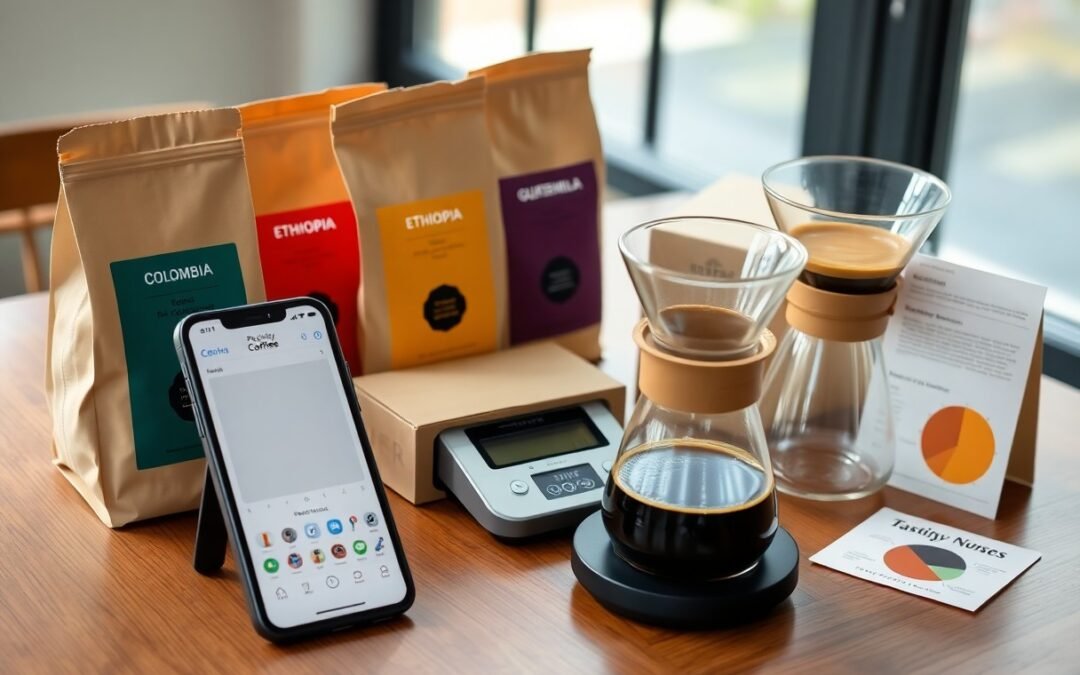
You can pinpoint the ideal monthly specialty coffee subscription by assessing roast profiles, bean origins, grind options, roast frequency, and sample policies to match your palate and routine.
Key Takeaways:
- Define your taste: identify preferred roast level, tasting notes, origin regions, and brewing method to narrow subscription matches.
- Choose subscriptions that show roast dates, offer freshness-guaranteed shipping, provide grind options, and include sample or trial boxes to test coffees.
- Compare price per ounce, delivery frequency, swap and pause policies, and sourcing transparency; prioritize clear origin and tasting notes over flashy marketing.
Identifying Your Personal Coffee Flavor Profile
Consider which flavors you reach for most – bright acidity, chocolate sweetness, fruity clarity, or heavy body. Use tasting notes from past bags to map patterns and prioritize traits you want more or less of.
Taste using the same brew method for fair comparisons and jot what you like about each cup – aftertaste, mouthfeel, and balance. Apply those notes to filter subscriptions by flavor descriptors and roast tendencies.
Distinguishing Between Light, Medium, and Dark Roasts
Compare roast levels: light preserves origin fruit and acidity, medium balances sweetness and body, dark highlights caramel, smoke, and a fuller mouthfeel. Match your palate to roast profile so subscription selections align with expected flavors.
Recognizing Regional Tasting Notes and Origin Characteristics
Explore origin signatures: East African coffees tend toward citrus and berry, Central and South American beans often show chocolate, nut, and caramel, while Asian coffees may present earth, spice, and herbal notes. Use these cues when selecting plans.
Identify single-origin offerings to isolate regional traits and try blends when you prefer consistency; check producer notes and tasting descriptions for clearer expectations.
Sample subscription flights or sampler packs to compare regional profiles side-by-side, and keep a brief cupping journal to refine what each origin reveals across roasts and harvests.
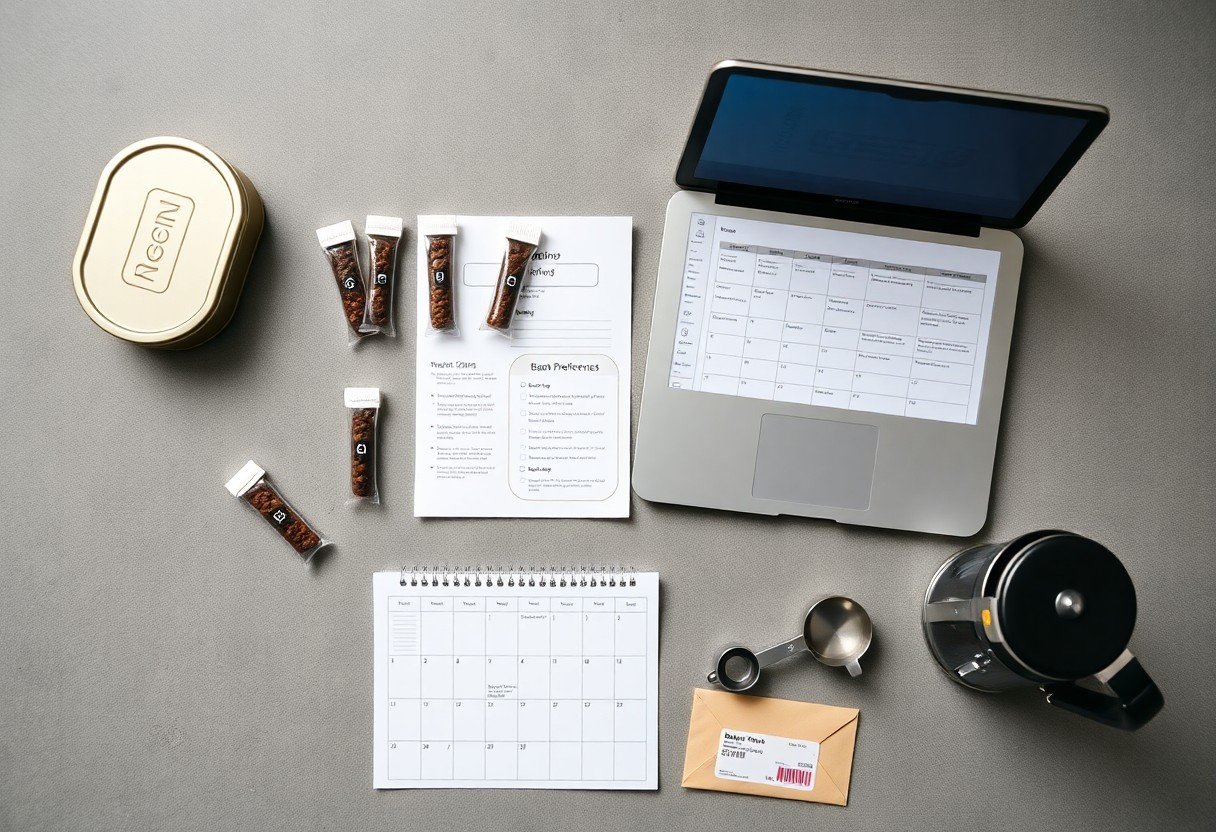
Key Factors to Evaluate in a Subscription Provider
Check whether the roaster discloses origin, roast date, and tasting notes, offers grind and delivery frequency options that match your setup, and allows you to pause or cancel easily; customer reviews and return policies reveal real-world reliability.
- Transparent sourcing and roast dates
- Flexible grind, frequency, and subscription length
- Consistency guarantees and freshness policies
- Clear pricing, shipping terms, and support
Knowing which of these factors you prioritize makes comparing providers quicker and helps you pick a plan that fits your brewing habits and budget.
Assessing Variety Versus Consistency in Monthly Shipments
Consider if you want monthly surprises of single-origin microlots or a dependable house blend; choose providers that let you toggle between sampler boxes and steady shipments so you and your routine stay satisfied.
Analyzing Price Points and Shipping Logistics
Balance subscription tiers against per-ounce cost and sample-to-bag ratios so you can see the real price for beans you actually drink, not just the headline rate.
Compare shipping frequency, transit times, and whether carriers deliver on roast-day freshness-check if you qualify for free shipping and whether regional hubs reduce transit time to preserve flavor.
Estimate total monthly expense by adding shipping, any packaging fees, and potential customs charges if you order internationally, then divide by the cups you brew weekly to judge true affordability.
How-to Determine the Ideal Delivery Frequency
Assess your weekly coffee usage and the number of brew sessions you do to pick a cadence that prevents both running out and hoarding beans. You should balance variety with consistency so shipments match how quickly you go through a bag.
Gauge whether you prefer rotating origins or sticking to favorites; frequent deliveries suit variety seekers, while monthly shipments work if you favor depth with single origins and longer tasting windows.
Aligning Shipment Dates with Your Consumption Rate
Match shipment dates to your consumption patterns by calculating how many grams you use per day and ordering just enough to arrive before you hit the last scoop; adjust for guests, travel, or gift needs.
Ensuring Maximum Freshness and Degassing Periods
Account for roast dates and the coffee’s degassing window when choosing frequency-aim for deliveries that arrive after the initial off-gassing but while the beans are still within their peak flavor window.
Schedule subscriptions with vendors who publish roast dates and offer one-way-valve packaging so you receive beans that have rested appropriately and will peak on your brew days.
Check typical rest recommendations: many coffees taste best after the first 24-72 hours of degassing, while some single origins open more over a week; target deliveries timed two to seven days post-roast to brew at peak.
Expert Tips for Vetting Roaster Transparency
You can judge a roaster by how openly they publish origin stories, producer names, harvest dates, processing methods and tasting notes; clear shipment windows and lot numbers are also good signs that the operation values traceability.
- Look for lot-level origin and producer names
- Check for harvest/roast dates and batch numbers
- Demand evidence for direct-trade or certified claims
Knowing which specific documents or pages to request-traceability reports, photos, mill records or payment terms-lets you separate genuine transparency from marketing speak.
Investigating Sourcing Ethics and Direct Trade Relationships
Ask roasters how they build relationships: who negotiates prices, whether premiums reach farmers, and if contracts or visit reports exist; you should expect clear answers about payment timetables and quality incentives.
Verifying Roast-on-Order Standards and Packaging Quality
Inspect product pages for roast-on-order claims, visible roast dates, and shipping windows; you should also evaluate packaging features like one-way valves, nitrogen flushing, and resealable bags to preserve freshness.
Compare stated roast-to-ship timelines with customer reviews and ask for proof of same-week roasting when freshness matters most; your subscription should show roast dates on each shipment and detail storage recommendations.
How-to Choose Between Single-Origin and Blends
Single-origin coffees reveal terroir-driven flavors, so you can target subscriptions that prioritize distinct citrus, floral, or chocolate notes tied to specific farms or regions. Blends emphasize crafted balance and mouthfeel, making them better when you want predictable results across brewing methods.
Exploring the Nuance of Seasonal Single-Farm Lots
Seasonal single-farm lots often display the harvest’s peak traits, so you can chase bright acidity, jammy fruit, or honeyed sweetness as they appear through the year. Subscription tasting notes and crop reports help you time deliveries to match your preferred profile.
Finding Balance and Reliability in Signature House Blends
Signature house blends are created to deliver consistent body, acidity, and finish, so you can rely on a familiar cup without frequent surprises. You should favor blends when daily stability or food pairing performance matters more than singular origin storytelling.
Consider choosing subscriptions that include origin ratios, roast ranges, and sample packs so you can test how a blend performs with your brewing method; that data makes it easier for you to confirm which house style suits your palate.
Factors for Selecting the Correct Grind and Quantity
Grind choice and bag weight determine freshness and extraction; you should compare single-origin vs blends and choose bag sizes that match your brew frequency – explore curated options like Best Coffee Subscriptions 2026 to see common presets.
- Grind options: whole bean, espresso, drip, French press
- Bag sizes: 8 oz, 12 oz, 2 lb
- Delivery cadence: weekly, biweekly, monthly
Consider which grind and monthly weight fit your routine and storage; choose smaller bags if you brew alone or larger when you host. Knowing how many days between shipments preserves flavor and prevents stale leftovers.
Matching Grind Size to Your Specific Brewing Equipment
Match your grind to equipment: coarse for French press, medium for most drip brewers, fine for espresso and Aeropress with short immersion, and adjust when grind uniformity affects extraction; you should confirm available presets from the roaster.
Calculating Monthly Ounces to Prevent Coffee Waste
Estimate monthly ounces by tracking cups: a standard 8-oz cup uses roughly 0.36 oz (10 g) of coffee, so multiply your daily cups by that and by 30 to set a baseline for subscription size.
Adjust your estimate for strength preferences, extra mugs for guests, and any espresso shots; plan shipments to arrive before you run low and store beans in a cool, dark place to minimize waste.
To wrap up
Now you can match roast profiles, grind options, and origin notes to your palate by sampling single-origin flights and blend selections from reputable roasters. Compare subscription flexibility, delivery frequency, and bean freshness guarantees; taste small batches before committing and prioritize transparent sourcing and roast dates for consistent quality.
FAQ
Q: How do I identify my coffee taste profile?
A: Start by noting flavors you enjoy in other foods and drinks, such as fruity, chocolate, nutty, floral, or caramel notes. Brew the same bean using different methods (pour-over, French press, espresso) to see how acidity, body, and sweetness change. Keep a short log of beans you like and dislike, recording roast level, origin, and tasting notes to spot patterns. Try sampler packs or cupping sets from several roasters to compare profiles side by side.
Q: Which roast levels and origins match common taste preferences?
A: Light roasts highlight origin-specific flavors: citrus, floral, and bright acidity often come from Ethiopia or Kenya. Medium roasts balance sweetness and acidity with chocolate and caramel notes common in Colombia and Central America. Dark roasts reduce acidity and increase roast-forward flavors like bittersweet chocolate and smoky notes, often from Brazil or blends. Choose roast level based on whether you prefer brightness and complexity or richer, heavier flavors.
Q: Single-origin, blends, or variety subscriptions-which should I choose?
A: Single-origin subscriptions showcase unique regional flavors and seasonal harvests, good for tasting diversity and tracing origin stories. Blend subscriptions offer consistent flavor and balance, useful for daily drinking or espresso routines. Variety or rotating sampler subscriptions provide curated mixes and are ideal for exploring without committing to one style. Match your choice to how adventurous you want to be versus how consistent you want your cup.
Q: How can I evaluate freshness and roast-date transparency?
A: Look for a clear roast date printed on the bag and a stated ship window that keeps roast-to-door time within two to four weeks. Favor roasters that ship whole-bean and offer grind-on-demand options to preserve freshness. Check packaging details like one-way-valve bags and resealable closures. Ask the roaster about typical time from roast to ship if the information is not listed.
Q: What subscription features matter for my brewing method and grind needs?
A: Choose subscriptions that let you select whole-bean or specific grind sizes for espresso, pour-over, drip, or French press. Verify portion sizes match your consumption so beans stay fresh between shipments. Seek flexibility to change grind or frequency between deliveries and options for adjustments if your brewing habits shift. Confirm whether the roaster offers dosing guidance and tasting notes tailored to your brew method.
Q: How do I compare cost and value across subscriptions?
A: Calculate cost per ounce after shipping and compare to retail specialty prices; higher price can reflect direct trade and single-origin quality. Factor in extras like tasting notes, roast profiles, sampler options, or included shipping. Evaluate subscription flexibility: pause, skip, or cancel without penalty and trial-size options to reduce waste. Read customer reviews for consistency in roast quality and delivery reliability.
Q: What’s the best way to trial subscriptions and switch if one doesn’t fit?
A: Start with one-month samplers or first-box discounts to test roast style, grind accuracy, and delivery timing. Track how beans perform across your usual brew methods and whether tasting notes match reality. If a subscription doesn’t suit you, switch to a different plan with a short-term commitment or pause future shipments while trying another roaster. Prioritize roasters with clear policies for pauses, swaps, and customer support responsiveness.