

Brew the perfect cup of coffee by understanding the science behind its flavors. You can elevate your home brewing skills by exploring factors like bean selection, grind size, water temperature, and extraction time. By mastering these elements, you can create a coffee experience tailored to your taste preferences. This guide will help you unlock the rich and diverse flavors that coffee has to offer, ensuring each cup is a delightful journey.
From Bean to Brew: The Journey of Coffee
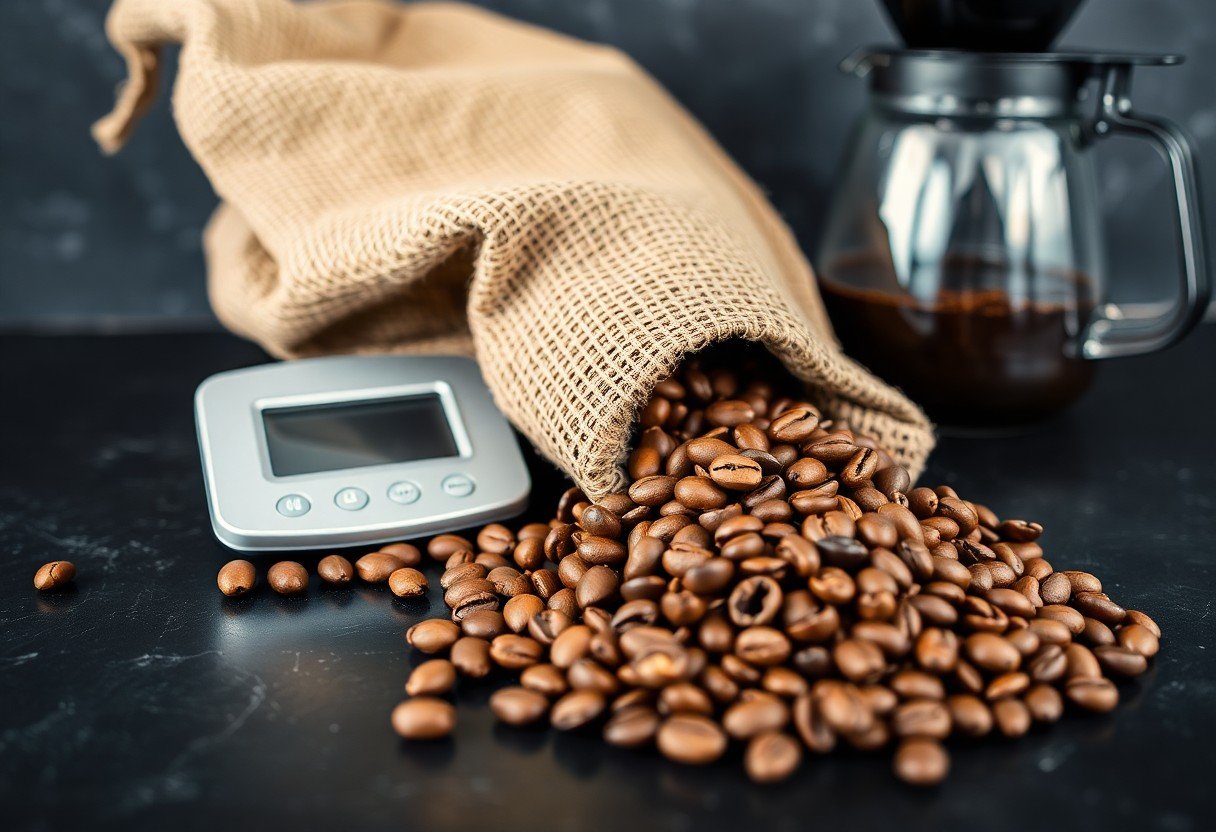
Understanding your coffee’s journey enhances your appreciation and enriches your brewing experience. The life of coffee begins in the lush plantations where beans are cultivated, uniquely influenced by climate, altitude, and soil. Each stage from farming to brewing directly impacts the final cup, unlocking a myriad of flavors that can transform your daily ritual into a sensory delight.
The Farming and Harvesting Process
Your coffee’s flavor starts with the farming and harvesting process. Coffee plants thrive in specific regions known as the coffee belt, where conditions are ideal. Farmers typically hand-pick ripe coffee cherries, ensuring that only the best beans are selected. This labor-intensive approach guarantees superior quality, with varieties like Arabica and Robusta being harvested at different times for optimal flavor development.
The Impact of Processing Methods on Flavor
Processing methods play a pivotal role in shaping your coffee’s flavor profile. Whether washed, natural, or honey processed, each technique imparts distinct characteristics to the beans. For example, washed coffees tend to highlight acidity and clarity, while natural processed beans deliver a fruitier and more complex taste. Control over the fermentation and drying processes further influences how flavors develop, leading to unique tasting notes.
The choice of processing method does more than influence flavor; it also affects body and aroma. In natural processing, whole cherries are dried in the sun, allowing sugars from the fruit to penetrate the beans, resulting in a fuller body and complex sweetness. Conversely, washed processing removes the cherry and mucilage before fermentation, leading to a clean cup with vibrant acidity. Notably, Ethiopian natural coffees often exhibit wild berry notes, while Colombian washed varieties emphasize chocolate and caramel undertones. Understanding these intricacies empowers you to select beans that align with your flavor preferences, elevating your brewing experience.
The Chemistry of Extraction: Unlocking Flavor Compounds
Extraction transforms coffee’s complexity into the cup you savor, allowing flavors to emerge through various chemical processes. By manipulating various factors like water temperature, grind size, and brew time, you can optimize the extraction of flavorful compounds while minimizing undesirable tastes. Mastering these aspects can lead to a richer, more balanced coffee experience, revealing hidden depths of flavor that elevate your home brew.
Understanding Solubility and Temperature
Factors Influencing Solubility
| Factor | Effect on Extraction |
|---|---|
| Water Temperature | Higher temperatures increase solubility, extracting more flavors faster. |
| Particle Size | Finer grounds enhance extraction rate, while coarser slows it down. |
| Water Quality | Minerals enhance solubility, while impurities can introduce off-flavors. |
The Role of Time and Grind Size
Extraction is not just about temperature but also involves time and grind size. Longer brew times allow more flavor compounds to dissolve, but excessive duration can lead to bitterness. Conversely, a finer grind increases surface area, promoting faster extraction. Finding the right balance between grind size and brew time is vital to achieve a well-rounded cup. For example, a French press might use a coarser grind with a longer steep time, while espresso requires a finer grind and shorter extraction period to avoid over-extraction.
Water Quality: The Unsung Hero of Coffee Brewing
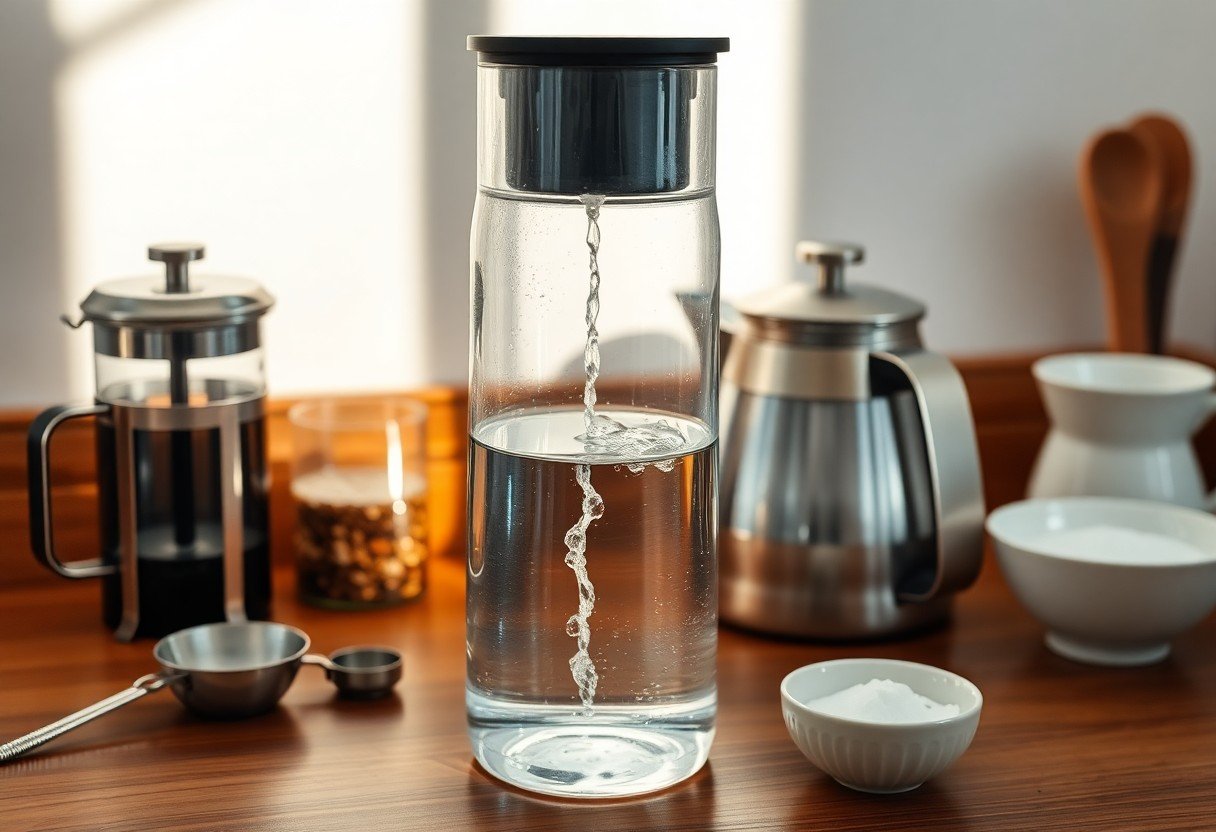
Water plays an often underestimated role in brewing coffee, significantly influencing the extraction process and the resulting flavor profile. The quality of your water can make or break your cup, as minerals and contaminants affect not only taste but also how well coffee compounds dissolve during brewing. Understanding water’s properties equips you to enhance your coffee experience by selecting the right type and quality for your brew.
Importance of Mineral Content in Water
The mineral composition of water directly impacts the extraction of flavors from coffee grounds. Essential minerals like calcium, magnesium, and bicarbonate help balance acidity and enhance richness, while impurities can lead to off-flavors. Using water with optimal mineral content can elevate your brew, bringing out nuanced flavors that tap water often masks. Balancing these minerals allows you to achieve a smoother, more satisfying cup.
How pH Levels Affect Extraction and Taste
pH levels play a significant role in coffee brewing, influencing the extraction of acids and bitter compounds. Water with a pH level around 7 is generally ideal, promoting a balanced flavor profile. Water that’s too acidic (below 7) can lead to over-extraction, amplifying sour notes, while alkaline water (above 7) may under-extract, resulting in a flat or dull taste.
Finer nuances become apparent as you adjust pH levels. For instance, a slightly lower pH can highlight bright, fruity flavors in certain coffee beans, enhancing their natural acidity and liveliness. Conversely, aiming for a higher pH can promote a smoother, rounder taste by softening acidity. Experimenting with different pH values in water allows you to discover new dimensions in flavor, tailoring each cup to your preference.
Tools of the Trade: Choosing Your Coffee Equipment
Selecting the right coffee equipment can elevate your brewing experience significantly. From the type of brewer to the grinder, every tool contributes to the final flavor profile. Consider your brewing style—whether you prefer a simple drip machine or an intricate espresso machine. Invest in quality tools that suit your needs and enhance your ability to extract rich, complex flavors from your coffee beans.
Exploring Different Brewing Methods: From Pour Over to Espresso
Diving into various brewing methods can unlock an array of flavors in your coffee. Pour-over techniques emphasize manual control, allowing you to adjust the water flow for optimal extraction. Espresso machines force water through finely-ground coffee, creating a concentrated shot brimming with depth. French presses and AeroPress devices offer alternative approaches, each delivering unique taste profiles. Experimenting with these methods can help you discover your preferred taste.
The Importance of Grinder Quality and Consistency
The grinder plays a pivotal role in determining the quality of your brew, as it influences extraction efficiency and flavor clarity. A consistent grind size ensures even extraction, preventing uneven flavor profiles that can arise from both too fine and too coarse particles. Investing in a burr grinder can provide superior results over blade grinders, as burrs produce uniform particle sizes, allowing you to accurately control the brewing process.
Precision in Practice: Mastering the Brewing Process
Achieving the perfect cup of coffee hinges on precision throughout the brewing process. Every variable, from water temperature to brew time, significantly affects the flavor and aroma of your coffee. By honing in on every step from grinding to pouring, you can uncover the depth of flavors hidden within your beans. Mastering these elements requires practice and experimentation, pushing you closer to coffee perfection with each brew.
Key Variables to Control for Optimal Results
To unlock the ultimate flavor experience, focus on key variables such as grind size, water temperature, brew time, and coffee-to-water ratio. Each aspect plays a vital role in extraction; for instance, a coarser grind may require longer brew time while finer grinds steep faster. Water temperature typically ranges from 195°F to 205°F, where exceeding this range can lead to bitterness. Adjust these elements according to your preferences to find the ideal balance.
Common Brewing Mistakes and How to Avoid Them
Avoiding common brewing mistakes can elevate your coffee. Issues such as inconsistent grind size, improper water temperature, and incorrect brew time lead to uneven extraction, affecting flavor. Ensuring your grind matches your brewing method is imperative. Overheating water can scald the coffee, while too low a temperature may result in under-extraction. Maintaining a consistent coffee-to-water ratio is also vital for balanced taste.
Inconsistent grind sizes often stem from using the wrong grinder; burr grinders provide uniformity compared to blade grinders. Neglecting water quality can introduce unwanted flavors; opting for filtered water is advisable. Overextending brew time or failing to time your extraction can cause bitterness or weak flavor profiles. By addressing these missteps, you can refine your process and work towards brewing a consistently remarkable cup of coffee each time.
To wrap up
Summing up, understanding the science behind coffee allows you to unlock a world of flavor for your ultimate home brew. By paying attention to factors such as grind size, water temperature, and brewing time, you can tailor each cup to your taste preferences. Experiment with different methods and beans to discover how each element influences your coffee experience. With knowledge and practice, you can elevate your brewing skills and enjoy a consistently delicious cup of coffee every time.
FAQ
Q: What are the main factors that influence the flavor of coffee?
A: The flavor of coffee is influenced by several factors including the type of coffee bean, the roast level, the grind size, water temperature, and brewing method.
Q: How does the roast level affect coffee flavor?
A: The roast level determines the acidity, sweetness, and bitterness of coffee. Light roasts maintain fruity and floral notes, while dark roasts emphasize chocolatey and smoky flavors.
Q: Why is grind size important in brewing coffee?
A: Grind size affects extraction rates. A finer grind increases surface area, leading to quicker extraction, while a coarser grind slows it down. Matching grind size to the brewing method is crucial for balanced flavor.
Q: What role does water temperature play in brewing coffee?
A: Water temperature impacts extraction efficiency. Ideally, water should be between 195°F to 205°F (90°C to 96°C). Too hot can lead to bitterness, while too cold can result in under-extraction.
Q: How can I enhance the flavor of my home brewed coffee?
A: To enhance flavor, use fresh, high-quality beans, adjust grind size, experiment with brewing times, and ensure proper water temperature. Additionally, ensure your equipment is clean to avoid unwanted odors.