
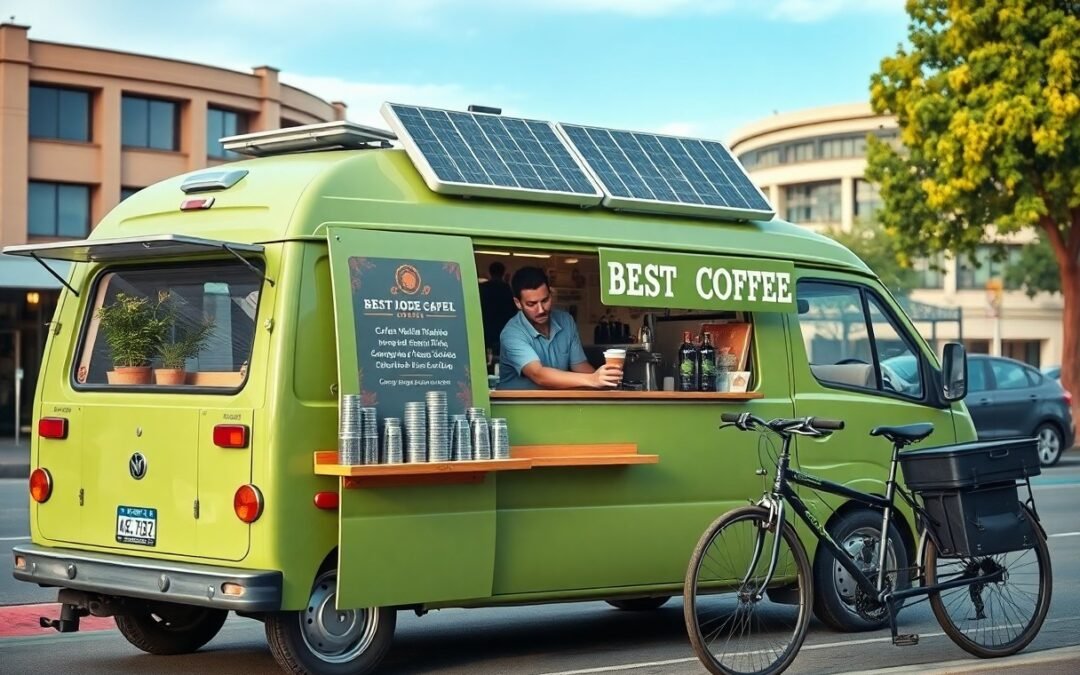
Sustainability guides your choices as you seek Adelaide’s best coffee van with eco vibes; this concise how-to shows you how to find and enjoy a low-impact, high-quality coffee experience. You will learn where to locate vendors using responsibly sourced beans, how to identify refillable-cup and waste-reduction practices, what questions to ask baristas, and simple habits to reduce your footprint while supporting local green businesses for consistently great coffee.
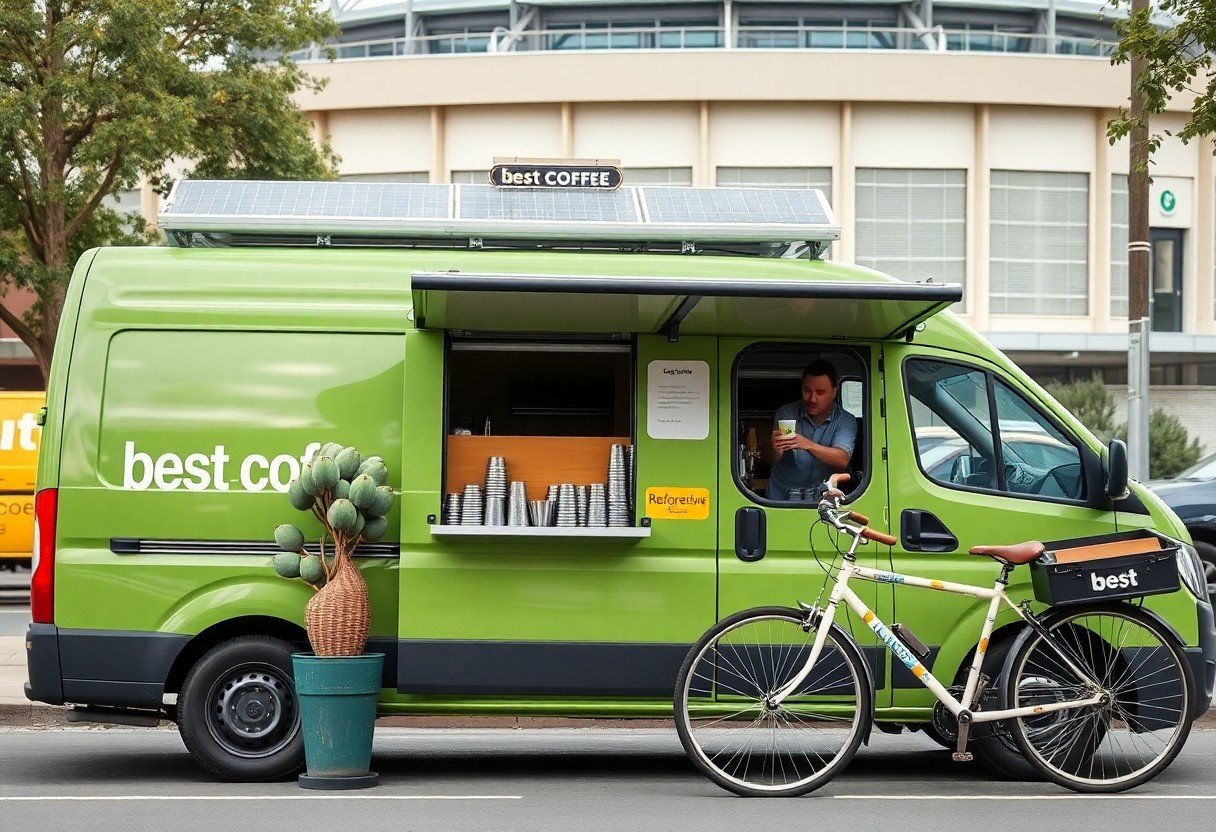
Understanding Eco Vibes
As you gauge a coffee van’s eco vibes, focus on the tangible systems behind the aesthetics: rooftop solar paired with a lithium battery bank that powers the espresso machine and grinder, water-saving tampers and low-flow rinse nozzles, plus clear waste streams for compost, recycling and landfill. Vans that replace diesel generators with hybrid power not only cut onsite emissions but also reduce noise and fuel costs during long service runs, making the experience cleaner for you and everyone around the van.
You’ll also notice operational choices that signal real commitment: beans sourced with transparent traceability, reusable-cup incentives, and clear signage explaining how to dispose of cups or food scraps. When a van displays certification logos (Fairtrade, Rainforest Alliance, or direct-trade notes) and labels compostable items with the conditions required for industrial composting, you can make smarter, low-waste choices on the spot.
Defining Sustainable Practices
Energy-wise, sustainable vans prioritise solar arrays, efficient inverters and battery storage to run grinders and espresso machines during service peaks; fuel-only generators are used only as backup. Water efficiency shows up as measured-dispense systems for milk steaming and pull-based rinsing that reduce waste water, while closed-loop greywater capture for non-potable uses stops runoff at events.
For materials and sourcing, choose vans that use certified beans, compostable or reusable-servingware and local suppliers for milk and pastries to cut transport emissions. Pay attention to the fine print: many “compostable” cups require industrial composting at temperatures above 58°C, so you should verify whether event organisers or local councils accept those streams rather than assuming home composting will suffice.
The Importance of Eco-Friendly Choices
Making eco-friendly choices at the van level reduces your immediate environmental footprint and influences supply-chain practices upstream: when you favour vendors that pay fair prices to farmers or use compostable packaging, you help scale demand for regenerative practices and better waste infrastructure. Those upstream shifts matter because packaging and energy are the largest portions of a mobile café’s environmental impact.
On a practical level, your choices affect the social experience as well-less noise, cleaner air, and reduced pile-up of single-use waste around festival sites and urban markets. You also gain from vendors that disclose their practices, since transparency makes it easier for you to consistently choose lower-impact options without guesswork.
If you plan to attend major local events like the Adelaide Fringe or market days at the Central Market, note that organisers increasingly require waste-management plans and favour low-waste vendors; by choosing compliant, eco-minded vans you support smoother operations and help keep event sites cleaner for everyone.
How-To Choose the Right Coffee Van
You should match the van’s capacity and systems to the events you plan to run: a single-group machine and 60-80-cup-per-hour setup works for pop-ups and markets, while festivals or corporate catering often need a two-group or dual-machine layout capable of 120-200 cups per hour. Assess how the van manages energy (solar array size, inverter rating, battery kWh), water (tank litres and on-site refill options), and waste (graywater containment and composting bins) so your service stays efficient and compliant with Adelaide Council health rules.
Prioritise vendors that provide transparent specs and service records: ask for machine make/models, maintenance logs, fuel consumption for generators, and a sample menu with portion sizes. Compare total cost of hire or purchase including registration, insurance, and likely modifications to meet sustainability goals such as a 1-3 kW rooftop PV system or a 5 kWh battery pack for several hours of off-grid operation.
Factors to Consider
Evaluate power and equipment first: a 2,000-3,000 W espresso machine with a 2-group head will demand a robust inverter and at least 3-5 kWh of battery storage for several hours without generator support. Water capacity matters too-200 L tanks often support a half-day at markets, but multi-day events require on-site water access or larger tanks. You should also check waste handling (separate organics bins, graywater storage rated to local codes) and refrigeration capacity if you plan to serve milk-based or food items.
- Serving rate: estimate cups/hour (60-200) to size staff and equipment.
- Energy setup: solar (1-3 kW) + battery (2-8 kWh) or a low-emission generator.
- Water & waste: tank litres, pump specifications, and compliant graywater containment.
- Menu constraints: storage for bulk beans (kg), milk refrigeration (litres), and space for plant-based options.
- Mobility & access: vehicle length, setup footprint, and site-level entry requirements.
Any final choice should balance expected daily throughput, ecological upgrades you want to prioritize, and the permit or site constraints you’ll face in Adelaide.
Tips for Researching Local Vendors
Start by compiling a short-list of vendors and request technical specs and references-ask how many events they’ve served annually (top vendors often list 150-200 events/year), view photos of their van’s waste systems, and request proof of council health certificates and insurance. Visit at least one event to sample coffee and observe queue flow, staff efficiency, and whether compost and recycling streams are clearly managed; taste tests plus operational observation reveal more than online reviews alone.
- Demand machine and energy specs, plus maintenance logs and a health certificate.
- Request references and ask how vendors handled problems at high-traffic events.
- Compare per-event pricing and what’s included (barista, cups, compostable serviceware).
- Insist on an on-site trial for large hires to test throughput and menu execution.
Recognizing long-term reliability and transparent reporting will prevent surprises on busy event days.
When you need deeper assurance, conduct a site inspection checklist during a vendor visit: confirm amperage requirements at peak, check for visible solar panels or battery enclosures, and verify storage temperatures with a quick thermometer reading; quantify their waste diversion rate-ask what percentage of disposables are compostable or recycled, and whether they have a documented vendor sustainability policy.
- Inspect electrical hookup points and generator emissions if used.
- Measure fridge temps and water tank fill levels during the visit.
- Ask for a copy of their waste diversion or sustainability statement with metrics.
Recognizing these measurable indicators helps you pick a vendor that aligns with your sustainability standards.
Tips for an Eco-Conscious Coffee Experience
You can reduce waste and emissions with small, repeatable choices: carry a 350-500 ml reusable cup (fits most takeaway sizes), choose plant milks like oat or soy when available, and ask the van if they compost coffee grounds-industrial composting breaks down certified compostable cups and liners in roughly 90-180 days. When you plan your stop, pick vans that roast locally or source within a 50 km radius to lower transport miles and support the regional economy.
Use peak-times strategically: many coffee vans serve 100-300 customers a day, so bringing your own cup once a week can avoid dozens of disposables over a month. Combine actions for measurable impact-switching to a reusable cup and choosing composting for grounds can divert hundreds of single-use items and organic waste each year.
- Bring a reusable cup and a small metal or silicone straw to eliminate single-use disposables.
- Ask for an oat or soy alternative; oat usually has lower water footprint than almond and is a popular choice in Australian cafés.
- Request leftover espresso puck collection if the van partners with local community gardens or composting services.
- Favor coffee vans that publish sourcing details or partner with local roasters for shorter supply chains.
Selecting Sustainable Ingredients
You should pick beans with clear provenance: look for single-origin lots or microlots that publish farm or cooperative names and cupping scores (specialty coffee typically scores 80+ on the SCA scale). Choosing beans with certifications such as Fairtrade, Rainforest Alliance, or organic is one indicator, but direct-trade listings and farm-level traceability often provide better insight into farmer pay and environmental practices.
Choose milk and syrup options based on lifecycle impact and local availability; oat milk is widely available and often produced within Australia, cutting transport emissions compared with imported alternatives. For sweeteners, sourcing local honey or raw sugar reduces food miles, and making simple house syrups from local cane sugar or fruit can lower additive packaging and plastic waste.
Engaging with Ethical Brands
You can evaluate a roaster or supplier by the transparency of their supply chain: brands that publish origin farms, grade different lots, and disclose premiums paid to farmers give you a clearer ethical signal. Seek out vendors who report paying premiums above commodity prices-many direct-trade arrangements include 10-30% premiums or fixed-price contracts that stabilize farmer income.
Look for roasters and van operators who invest in farmer training, traceability platforms, or community projects; evidence of investment in soil health, agroforestry, or water management indicates regenerative practices beyond basic certification. When a vendor commits to local roasting, reusable cup discounts, and composting partnerships, you get a combined social and environmental benefit that’s easy to quantify.
Ask three direct questions at the van: Where were these beans grown? Do you roast locally or buy local-roasted lots? What happens to the used grounds and disposable cups-are they composted or recycled? Those answers let you prioritize vendors who align with ethical pay, low food miles, and circular-waste systems.
Recognizing that consistent small choices-your reusable cup, a certified or traceable bean, and support for local roasters-compound into measurable reductions in waste and embodied emissions over time.
Enjoying Your Coffee in an Eco-Friendly Way
When you step away from the van, small choices shape the sustainability of the moment: request a single or double shot instead of a grande to curb consumption and waste, ask for plant-based milk (oat or soy) which many vans stock and often price at a modest upgrade of $0.30-$0.50, and decline the lid if you’ll be drinking on-site. Pairing these ordering tweaks with a quick check of the van’s disposal options – recycling, compost or mixed-waste bins – will keep more material out of landfill while you enjoy your cup.
Find a spot that supports low-impact behaviour: sit near a labeled compost or recycling station, use a personal napkin or a small towel instead of single-use paper, and if you order a pastry bring your own fork or decline cutlery. In practice, people who bring a reusable cup and cutlery can reduce their single-use item count by roughly 260 items a year if they buy coffee five days a week, so these habits add up quickly.
Best Practices for Waste Reduction
Separate materials at the point of disposal: peel cardboard sleeves from cups, rinse or stack recyclable lids, and place soiled paper items in the appropriate organics bin if available. If the van offers compostable cups, confirm they accept industrially compostable items – industrial composting facilities process these differently than home compost, so simply putting them in street recycling can contaminate loads.
Ask the barista about their waste streams and partnerships – many eco-minded vans in Adelaide participate in council green-waste collections or TerraCycle-style takeback programs for coffee pods and packaging. When those options aren’t available, prioritise reusables and decline extras (stirrers, sugar sachets) to avoid creating hard-to-process waste in the first place.
Embracing Reusable Options
Pick the right reusable for your routine: a 350-500 ml stainless-steel vacuum-insulated mug is ideal for most orders, retaining heat for 4-6 hours and being robust enough for a daily commute, while a glass or BPA-free Tritan cup suits shorter outings and lets you see drink levels. Collapsible silicone cups are lightweight and compact if you bike around the city, and a spare lid clipped to your bag avoids last-minute disposable purchases.
Make reusables part of the transaction: present your cup before the barista starts the pour to avoid single-use contact and ask about in-van rinsing policies – some vendors will give a quick water rinse so you don’t need to carry a dirty cup far. Vendors often offer a 10-20% discount for customers who bring their own cup, so you save money as well as waste.
Care and hygiene keep reuse practical: rinse your cup immediately after use and do a weekly deep clean with a baking-soda paste or a diluted vinegar soak to remove oils; inspect silicone seals and lid threads for trapped grounds and replace worn gaskets to prevent leaks. If you use your reusable every workday, a simple routine (rinse→dry→deep-clean weekly) preserves taste and extends the life of the item, making the environmental payback even greater.
Exploring Local Eco-Friendly Events
Finding Community Gatherings
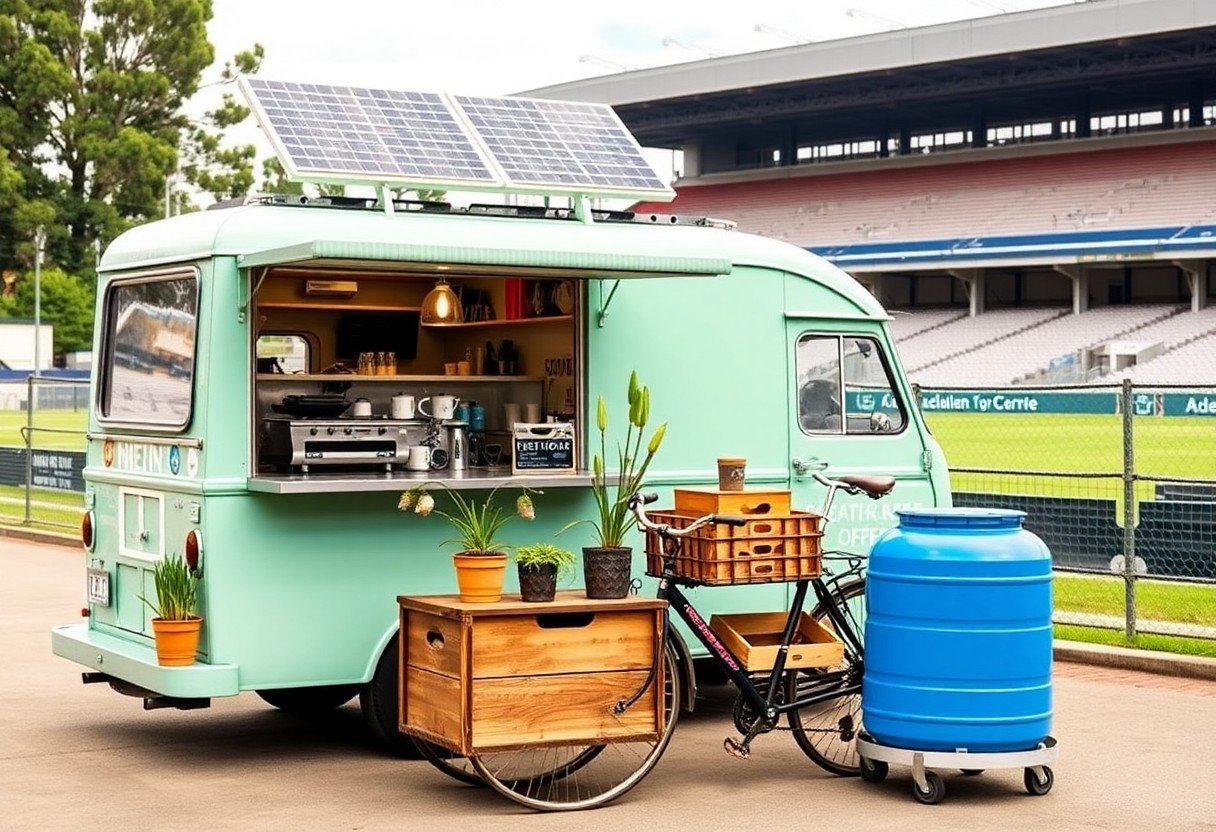
Start by scanning the City of Adelaide and Green Adelaide event calendars, plus platforms like Eventbrite and local Facebook groups, where weekly markets, beach clean-ups and sustainability workshops are regularly posted; Clean Up Australia Day in March is a reliable annual opportunity to join hundreds of local volunteers and meet organisers. Seek out farmers’ and producer markets-Adelaide Central Market and smaller weekend farmers’ markets often host seasonal stalls and sustainability-themed pop-ups where vendors are happy to talk supply chains and packaging choices.
Prioritise events that demonstrate operational sustainability: look for visible waste stations, vendor BYO cup policies, or repair and swap stalls. Repair Café pop-ups and tool libraries typically run workshops of 15-40 people where you can bring a broken cafetière or grinder and learn hands-on fixes, which makes conversations more practical and memorable than a standard networking meet-up.
Networking with Other Eco Enthusiasts
When you arrive, introduce yourself to stallholders and volunteer coordinators with a specific ask-offer to host a small coffee tasting at their next meeting or ask about volunteer roles that align with your van’s capabilities; volunteering shifts of 2-4 hours will get you into the core group faster than casual attendance. Collect contact details and add people to a single mailing list so you can coordinate pop-ups, share surplus beans, or invite collaborators to future events without scattering follow-ups across multiple apps.
Follow up within 48 hours via a concise message that references a shared conversation or problem you discussed, then propose one clear next step such as a collaborative weekend market or a demo on composting coffee grounds. Join or form dedicated channels-WhatsApp groups, a Meetup cohort, or a Facebook group-so you can post short, actionable opportunities (swap meets, volunteer rosters, guest-speaker slots) that keep momentum between in-person gatherings.
To deepen partnerships, offer tangible value: bring a small sustainability demo to meetings (how to set up a simple grounds-composting station), propose a cross-promoted event where you supply coffee in exchange for table space, or run a 10-15 minute micro-workshop on reducing single-use waste that highlights your van’s systems (solar, greywater reuse, composting). These practical collaborations convert acquaintances into repeat partners and create measurable outcomes-shared events, reduced waste at stalls, and higher attendee retention at future gatherings.
Supporting Sustainable Initiatives
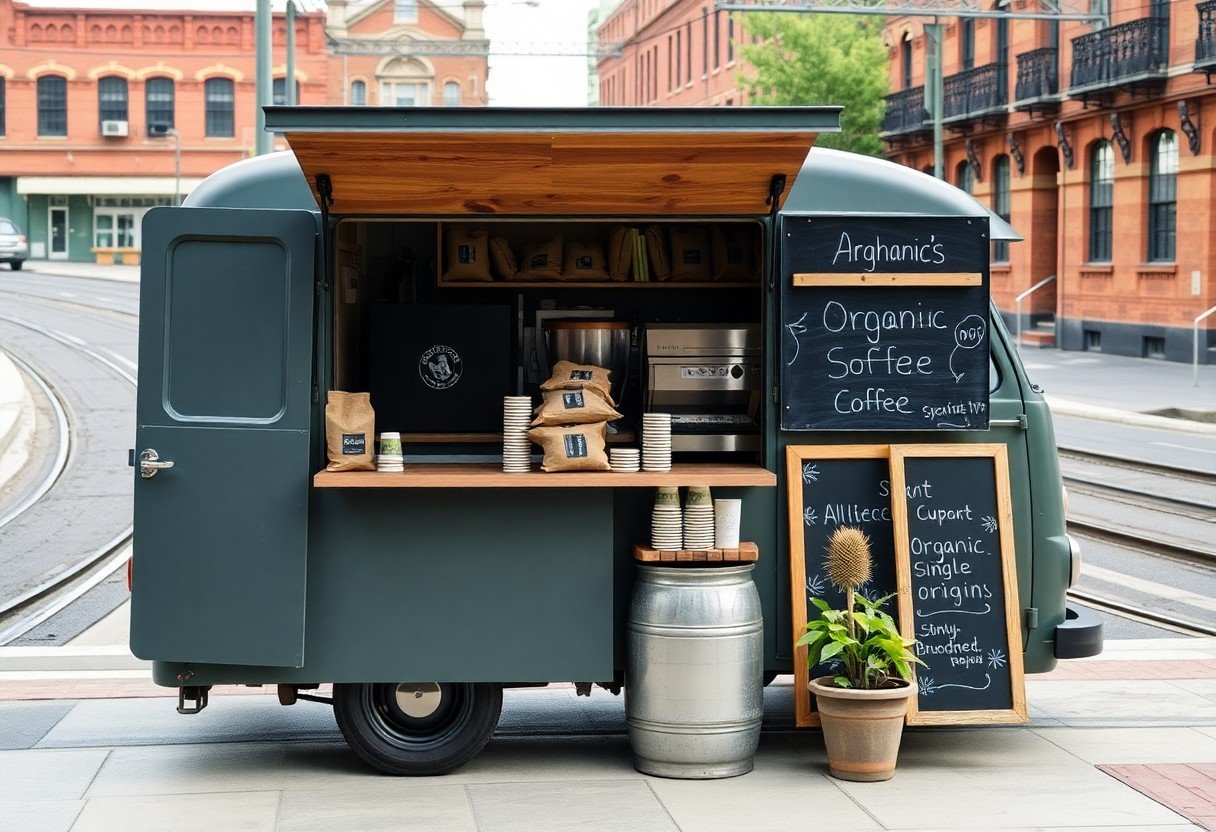
You can shift the impact of a single coffee run into measurable community benefit by backing local pilots and behaviour-change campaigns: if 200 regular customers switch to a reusable cup once a week, you avoid about 10,400 single-use cups a year (200 × 1 × 52), which at roughly 10 g per cup equals ~104 kg of material diverted. Use simple metrics-cups avoided, kilograms diverted, and weeks of the pilot-to make your case when speaking to operators, council officers, or event organisers.
Engage with existing programs by offering specific, time-bound actions rather than vague support: propose a three-month reusable-cup trial, run a fortnightly waste audit, or coordinate volunteer shifts for a weekend market. Small, documented wins (for example, a 12-week pilot that records a 30-50% reduction in single-use items) are the currency councils and funders respond to when deciding to scale initiatives.
How to Advocate for Local Changes
You should use formal consultation channels when possible-submit short, evidence-based proposals during council budget or policy consultations and attach simple data sheets showing potential impact (transactions per week, expected cup reductions, pilot duration). For instance, a 12-week composting trial serving 300 customers a week would potentially divert 3,600 disposable items (300 × 12), a clear metric to include in your submission.
Mobilise neighbours and regulars to back petitions or attend ward meetings, but pair that community support with concrete asks: request a trial kerbside organics collection point for mobile vendors, ask for temporary signage to improve separation rates, or propose a permit condition that rewards vendors using certified reusable systems. Councils act faster when you present a budget-neutral pilot with measurable KPIs.
Partnering with Local Organizations
You can amplify a coffee van’s sustainability by linking with three types of partners: municipal programs (waste and sustainability teams), tertiary institutions (student sustainability offices and environmental clubs), and specialist service providers (local composters, waste auditors, or reusable cup suppliers such as KeepCup). A short collaboration-students conducting a four-week audit and a composter offering discounted pickup-gives you reliable baseline and outcome data to show funders.
Look for co-funding and in-kind support: many councils and universities offer small grants, promotional channels, or volunteer networks that reduce operating costs and increase visibility. For example, a six-month partnership between a mobile vendor and a community composter can be structured as a pilot with shared branding, volunteer-days for outreach, and monthly progress reports to stakeholders.
Begin by drafting a one-page proposal that lists objectives, a simple measurement plan (transactions, cups avoided, kg diverted), a three-month timeline, and role descriptions; then reach out to the university sustainability office, the City of Adelaide grants team or a local composter with that document. Offer to host a single audit day and share results publicly-data-backed pilots make it straightforward for partners to commit resources.
To wrap up
Conclusively, when you pursue a sustainable coffee-van experience in Adelaide you should prioritize vendors that use ethically sourced beans, offer discounts for reusable cups, and adopt low-impact operations-solar power, energy-efficient equipment, compostable or no single-use packaging, and local suppliers. By asking about origin, waste practices, and certifications you reinforce demand for eco practices and make your daily coffee a positive environmental choice.
Plan your visits by checking van schedules or following them on social media, carry a reusable cup, and support vans that transparently report their sourcing and waste-management. Engage with operators by giving constructive feedback, participating in loyalty programs, and recommending them to friends so your choices encourage wider adoption of eco vibes across Adelaide’s coffee scene.