
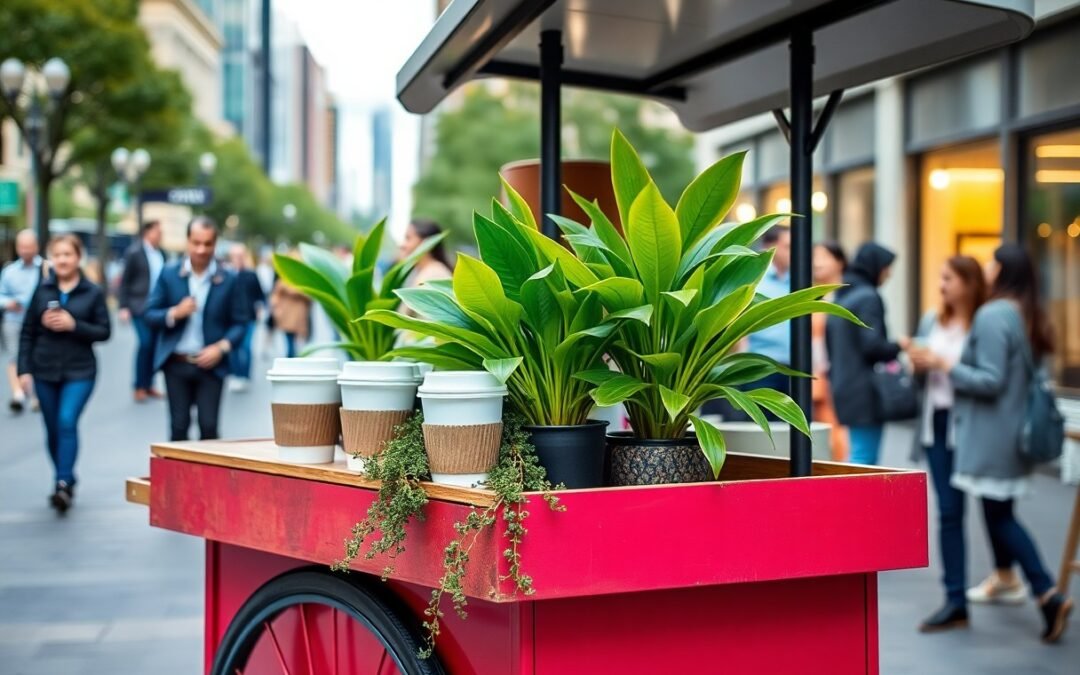
You may have noticed a shift in Adelaide’s mobile coffee scene, where sustainability is becoming an imperative focus for many vendors. As you sip your favorite brew, you’ll discover how local entrepreneurs are redefining coffee culture by integrating eco-friendly practices. From compostable cups to ethically sourced beans, these innovative approaches are not only delightful to your palate but also beneficial for the environment. Dive into this post to explore how sustainability is transforming your coffee experience in Adelaide.
The Rise of Mobile Coffee Culture in Adelaide
Historical Context
Adelaide’s coffee culture has evolved significantly over the last few decades. From the early days of traditional cafés in the 1990s to the burgeoning interest in specialty coffee in the 2000s, the transformation has been remarkable. As the city embraced a more cosmopolitan lifestyle, a diverse array of coffee offerings began to emerge, paving the way for the mobile coffee movement. Early innovators capitalized on the burgeoning café scene, introducing mobile options that appealed to commuters and event-goers alike.
By the mid-2010s, food trucks and pop-up stalls became more popular, coinciding with a growing demand for convenience and artisanal products. As this trend grew, many baristas and coffee enthusiasts began to explore mobile setups, enhancing accessibility to quality coffee and further embedding mobile coffee into the local culture. Today, you can find everything from retrofitted vans to sleek, modern carts serving specialty coffee across the city.
Current Trends and Popularity
The current mobile coffee landscape in Adelaide showcases a blend of creativity and sustainability. Many vendors focus on eco-friendly practices, utilizing biodegradable cups and locally sourced ingredients to meet the expectations of a conscious consumer base. With pop-up bars at markets and festivals, mobility has become synonymous with eclectic offerings that reflect both local tastes and the broader Australian coffee trend. You might encounter innovative concoctions, such as cold brew cocktails or dairy-free options, catering to a diverse range of preferences.
This shift towards artisanal and sustainable coffee experiences has led to a notable increase in popularity among consumers eager for unique tastes. Mobile coffee businesses are not just selling caffeine; they are crafting an experience that aligns with contemporary values. As you stroll through various neighborhoods, it’s evident that the vibrancy of mobile coffee is tied to communal gatherings and local sourcing, enhancing your engagement with the community while savoring a quality brew.
Understanding Sustainability in the Coffee Industry
Environmental Impact of Coffee Production
Your morning coffee comes with an environmental price tag that often goes unnoticed. Coffee farming contributes to deforestation, as vast areas of land are cleared to make way for plantations, disrupting local ecosystems and harming wildlife habitats. According to the Rainforest Alliance, more than 50% of coffee farms are planted in areas that were once forested. Additionally, coffee cultivation is resource-intensive, requiring significant water usage, with some estimates suggesting it takes about 140 liters of water to produce a single cup of coffee. This extensive resource consumption highlights a pressing need for improved environmental management in coffee production.
Sustainable Practices in Coffee Sourcing
The Role of Mobile Coffee Vendors
Local Sourcing and Community Engagement
You will find that many mobile coffee vendors in Adelaide prioritize local sourcing as a way to reduce their carbon footprint while supporting the community. Farmers and suppliers within the region are increasingly recognized for their commitment to sustainable practices, allowing you to enjoy fresh, high-quality products. This creates a valuable connection between consumers and local growers, fostering a sense of community and strengthening local economies.
Your experience as a consumer is enriched by these vendors who actively engage with community initiatives. Events like local markets and festivals not only showcase local talent but also highlight the importance of sustainable practices. By participating in these gatherings, vendors raise awareness about environmentally friendly coffee sourcing and inspire you to think more about where your food and drinks come from.
Innovative Sustainable Practices on the Go
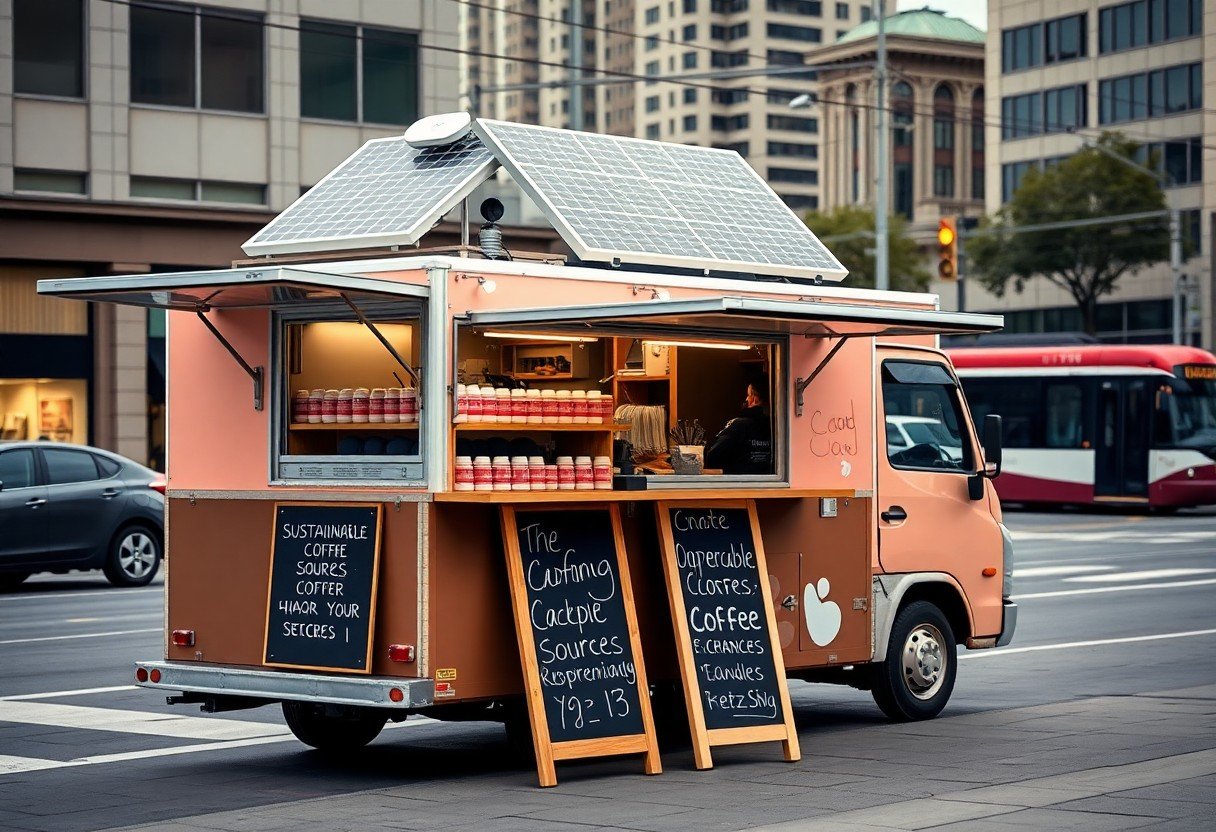
Mobile coffee vendors are at the forefront of incorporating innovative sustainable practices into their daily operations. For instance, many are adopting electric or biofuel-powered vehicles to minimize emissions while delivering their brews. On-site methods such as composting coffee grounds and using biodegradable cups further demonstrate their commitment to reducing waste, ensuring that even your takeout coffee has a minimal environmental impact.
Radical transparency is also becoming a popular trend among these vendors. Many now educate you about their process, from bean selection to brewing techniques, illustrating how each step plays a role in sustainability. By sharing this knowledge, you become more aware of the environmental implications of your choices, resulting in a more thoughtful coffee experience.
Case Studies: Successful Sustainable Mobile Coffee Businesses
Adelaide’s mobile coffee scene boasts several exemplary businesses paving the way for sustainability. These case studies illustrate how innovative practices can drive both ecological responsibility and business success.
- The Ethical Bean: Focuses on ethically sourced beans, with a zero-waste policy that reduces waste by 80%. They’ve reported a 25% increase in customer engagement due to their sustainability efforts.
- Green Cup Coffee: Utilizes biodegradable cups and straws, resulting in a 50% reduction in plastic waste. Their sales grew by 30% year-on-year after adopting sustainability practices, showcasing consumer preference for eco-friendly options.
- Local Roasters Mobile: Sources ingredients from local farms, ensuring that 90% of their supplies are sourced within 100 kilometers. This approach boosted their customer loyalty by 40% as clients appreciate supporting local economies.
- Sustainable Sip: Implements solar-powered equipment, leading to a 60% decrease in energy costs. This initiative has also attracted environmentally conscious customers, increasing their revenue by 20% in the past year.
Your understanding of sustainability will deepen through resources like the Sustainability Report 2022, which outlines industry trends and successful practices that may inspire your own ventures.
Profiles of Leading Vendors
Vendors like The Ethical Bean and Green Cup Coffee highlight the importance of integrating sustainability into their business models. These vendors prioritize eco-friendly practices while simultaneously enhancing their connection with customers who value social responsibility. Their stories demonstrate that aligning business goals with sustainable practices not only attracts a loyal customer base but also contributes positively to the environment.
The success of these vendors is reflected in metrics such as customer retention rates and increased foot traffic at events. By investing in sustainable solutions, they have effectively created a unique selling proposition that resonates with the modern consumer, positioning themselves as leaders in the mobile coffee industry.
Impact on Local Communities
The influence of successful mobile coffee vendors extends beyond their immediate sales figures; they actively engage with and uplift local communities. Many of these businesses create partnerships with local farmers and businesses, thus fostering a community-oriented approach that bolsters local economies. For instance, Local Roasters Mobile’s decision to collaborate with nearby farms not only supports local agriculture but also reduces transportation emissions.
Moreover, these vendors often participate in community events, offering internship opportunities to local youth interested in sustainability and entrepreneurship. Such initiatives enhance community engagement while inspiring the next generation of environmentally conscious entrepreneurs. This impact not only enriches local culture but also strengthens community bonds, highlighting the positive social effects of integrating sustainability into business practices.
Challenges and Opportunities for Sustainability
Common Barriers Faced by Vendors
Adelaide’s mobile coffee vendors encounter several obstacles in their quest for sustainability. One significant barrier lies in the initial investment costs for eco-friendly equipment and supplies, such as compostable cups and energy-efficient machines. Many small vendors may hesitate to spend on these items, viewing them as a financial risk rather than an investment in long-term sustainability. Additionally, the fluctuating prices of sustainable coffee beans can pose a challenge. Vendors often find that sourcing high-quality, ethically sourced beans can cut into their profit margins, making it difficult to balance sustainability with business viability.
Logistical challenges also complicate the transition to sustainable practices. For instance, the lack of a robust recycling infrastructure can lead to increased waste, negating efforts made with bioplastic or compostable products. Some vendors struggle to find reliable suppliers for sustainable materials, creating inconsistencies in their offerings. According to the Global Coffee Report March 2023 by Prime Group, these challenges are common across the industry, highlighting the need for ongoing dialogue and solutions among vendors to surmount these barriers.
Future Prospects for Sustainable Practices
Despite these challenges, the future of sustainability in Adelaide’s mobile coffee scene holds promising prospects. As consumer awareness around environmental issues grows, many customers actively seek out vendors who implement sustainable practices. This shift not only enhances the marketability of your business but can also foster loyal customer bases. Innovative startups are emerging, focusing on sustainable supply chains and packaging that cater to conscious consumers, revealing a growing market for eco-friendly options.
Moreover, collaborations among vendors and community initiatives can enhance resource-sharing, thereby reducing costs associated with sustainable practices. For example, co-op models where multiple vendors share delivery systems for eco-friendly supplies can prove beneficial. With local governments increasingly incentivizing sustainability initiatives, you may find that government support could further ease the transition, allowing you to take advantage of financial assistance or educational resources aimed at promoting sustainable business practices.
There’s a growing trend of partnerships with local farmers and artisans, allowing you to source ingredients directly from the community while reducing your carbon footprint. By engaging in these relationships, you not only strengthen your community ties but also enhance the overall sustainability of your operations. In this evolving landscape, the integration of sustainable practices is not merely an option but an crucial element that could define the future of mobile coffee culture in Adelaide.
Summing up
Upon reflecting on the infusion of sustainability into Adelaide’s mobile coffee culture, you can see how this shift is altering not only consumer preferences but also industry standards. You are witnessing an increasing number of local baristas prioritizing eco-friendly practices, from sourcing organic coffee beans to utilizing biodegradable packaging. This movement is not just beneficial for the environment; it also enhances your overall coffee experience, providing you with a product that aligns with ethical consumption and community support.
The integration of sustainable practices in mobile coffee ventures signals a broader trend towards responsible entrepreneurship. As you engage with these innovative businesses, you contribute to a growing market that values sustainability as an necessary component of its identity. Your choices encourage a more conscious consumer culture and promote awareness around environmental impacts, reshaping the landscape of coffee consumption in Adelaide for the better.