

With a discerning palate, you can explore the intricate layers that define an artisan coffee flavor profile. From the origin of the beans to the roasting technique, various factors contribute to the unique tasting notes you experience. Understanding these subtle nuances enhances your appreciation and transforms your coffee-drinking ritual into a refined experience. Dive into the details of acidity, body, and aroma, and discover how each element comes together to create the remarkable symphony of flavors in your cup.
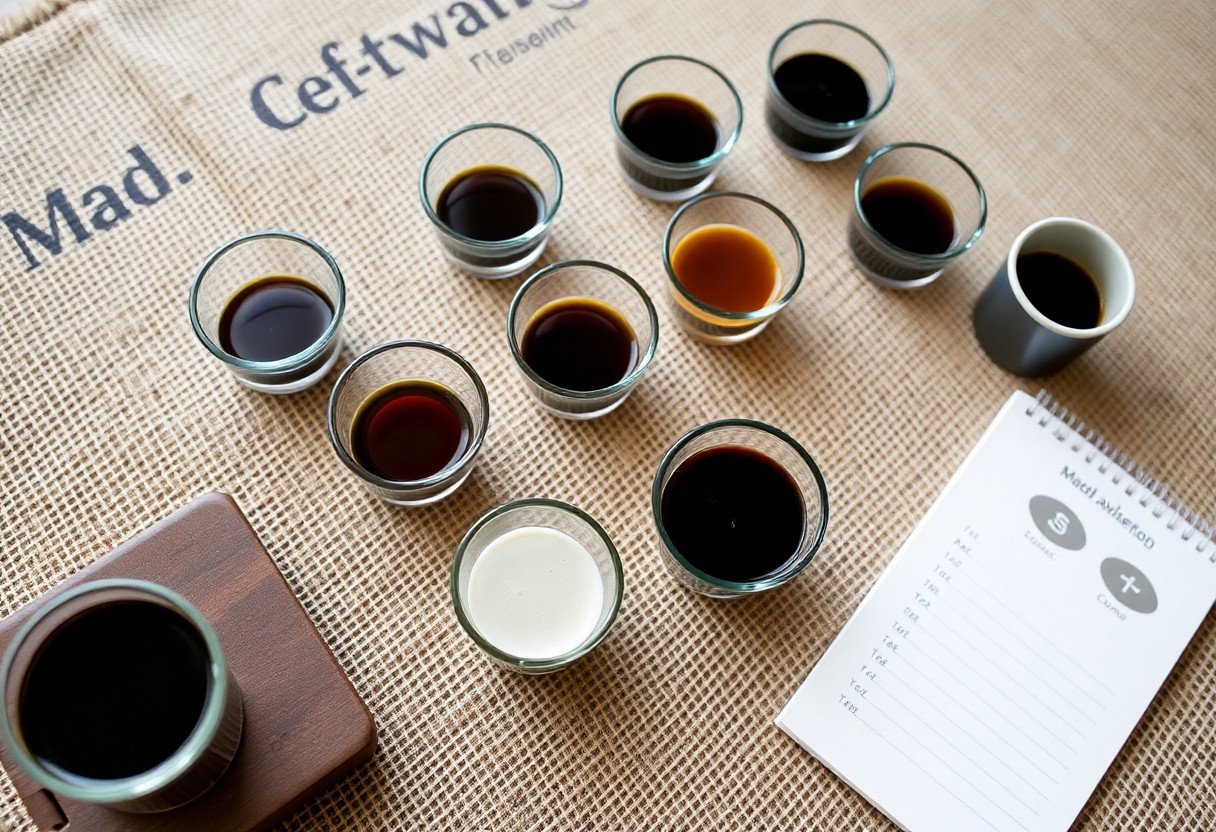
The Art of Sourcing: Cultivating Flavor from Terroir
Understanding terroir is imperative for appreciating how nuanced flavors develop in artisan coffee. This complex interplay of climate, altitude, soil composition, and local farming practices influences the sensory experience you derive from each cup. Coffee sourced from specific regions showcases distinct taste attributes, reflecting the local environmental conditions. By exploring these subtleties, you gain insights into why certain coffees resonate with your palate while others do not.
Geographic Orchards: The Role of Origin
Your coffee’s origin significantly shapes its flavor profile. Regions like Ethiopia and Colombia are renowned for unique characteristics that reflect their specific growing conditions. Ethiopian coffees often present vibrant floral notes and a bright acidity, while Colombian varieties tend to offer a smoother, balanced cup with chocolate undertones. By understanding these geographic nuances, you can better appreciate the complexity of each brew.
Varietal Influence: How Species Shape Taste
Different coffee varieties impact flavor in profound ways. Arabica beans, known for their sweetness and acidity, often deliver nuanced tasting notes, while Robusta emphasizes a stronger, earthy profile with higher caffeine levels. Each varietal’s genetic heritage contributes to its unique flavor attributes, directly affecting your coffee experience. By recognizing these distinctions, you can make more informed choices tailored to your taste preferences.
Diving deeper into varietals reveals how genetic differences create diverse flavor experiences. For instance, Geisha and Bourbon are two popular Arabica cultivars, each offering distinctive profiles: Geisha is celebrated for its jasmine and tropical fruit notes, whereas Bourbon often presents a rich, creamy mouthfeel accompanied by chocolate and caramel flavors. Understanding these variances allows you to explore and select coffees that align with your specific flavor preferences and enhance your overall coffee journey.
Roasting Alchemy: The Transformation of Beans
Roasting beans is more than a cooking process; it’s a complex transformation where green coffee beans undergo physical and chemical changes, creating distinct flavor profiles. This metamorphosis impacts acidity, sweetness, and body, ultimately defining your cup’s character. Mastering this art allows roasters to elicit the nuanced flavors locked within each bean, embracing origin characteristics while also imparting the unique roast signature.
Roast Profiles: Light, Medium, and Dark Explained
Each roast profile offers a unique experience, significantly influencing the flavor of your coffee. Light roasts maintain the original characteristics of the beans, highlighting brightness and acidity. Medium roasts balance sweetness and complexity, while dark roasts bring forth deep, bold flavors often accompanied by a smoky finish. Understanding these profiles helps you choose the perfect brew for your palate.
The Science of Temperature Control: Unlocking Aromas
Temperature control during roasting is vital in developing aromatic compounds in coffee. Different temperatures trigger various chemical reactions, affecting flavor development. Roasting at lower temperatures may enhance fruity and floral notes, while higher temperatures can create deeper, chocolatey flavors. Precision in temperature ensures that each unique flavor profile within the bean is fully expressed.
Temperature Effects on Flavor Development
| Low Temperature Roasting | Enhances fruity and acidic notes, preserving origin characteristics. |
| Medium Temperature Roasting | Balances sweetness and complexity, ideal for a well-rounded profile. |
| High Temperature Roasting | Creates deep, bold flavors with potential smoky undertones. |
Flavor Notes at Different Temperatures
| 160-190°C (320-374°F) | Preservation of higher acidity and fruitiness. |
| 190-210°C (374-410°F) | Development of caramelization, introducing sweetness. |
| 210-230°C (410-446°F) | Dark chocolate and nutty flavors become prominent. |
Brewing Mastery: Extracting the Essence
Artisan coffee brewing is an art form that transforms raw ingredients into a sensory experience. Mastering the brewing process allows you to uncover the depth of flavors hidden within each coffee bean. Techniques vary, yet the goal remains the same: achieve a cup that perfectly balances acidity, sweetness, and body. Fine-tune your brewing methods to extract the complete essence of your coffee, bringing its unique flavor profile to life.
Best Practices in Brewing Methods
Different brewing techniques can yield vastly different results in flavor and aroma. Experiment with immersion methods like French press for fuller body and clarity, or pour-over for bright, clean flavors. Pay attention to grind size and extraction time, as both significantly affect the final cup. Regularly calibrate your brewing gear to ensure consistency, adjusting parameters like brewing time and water-to-coffee ratio as needed.
Water Quality and Temperature: The Unsung Heroes
Water quality and temperature play pivotal roles in the brewing process. Optimal brewing water should be filtered, free from impurities and chlorine. Ideal temperature ranges between 195°F and 205°F (90°C to 96°C), allowing for the extraction of nuanced flavors without over-extracting bitterness. Proper water conditions can enhance or compromise the flavor of your coffee, making it an vital consideration during the brewing process.
Water Quality Factors
| Factor | Impact on Flavor |
|---|---|
| Mineral Content | Affects sweetness and body, enhancing flavor profiles. |
| pH Level | Impacts extraction; optimal pH around 6.5 to 7.5 for balance. |
| Filtration | Removes chemicals and impurities, maintaining true coffee essence. |
Using high-quality water can significantly elevate your coffee experience. For instance, elevated magnesium levels contribute to a fuller body and enhanced sweetness, while high calcium can promote smoothness. Consider that water with a balanced mineral composition will extract flavors more evenly, yielding a complex yet harmonious profile that showcases the specific characteristics of your beans. Aim for a chlorine-free, well-filtered water source to let the coffee shine.
Temperature Considerations
| Temperature | Extraction Effects |
|---|---|
| Below 195°F | Under-extraction; results in sour, weak flavors. |
| 205°F and above | Over-extraction; leads to bitterness and loss of subtleties. |
Sensory Evaluation: Discerning Subtle Notes
Understanding the sensory evaluation process allows you to discern the profound complexity of artisan coffee. By engaging your senses, you identify varying flavor profiles and aromas that elevate the coffee experience. This exploration involves closely examining the taste, aroma, and body, as each element contributes uniquely to the overall perception and enjoyment of your brew.
Identifying Flavor Notes: Taste, Aroma, and Body
To identify flavor notes in artisan coffee, focus on the tripartite experience of taste, aroma, and body. Taste draws on the primary flavors—acidity, sweetness, and bitterness—while aroma engages the olfactory senses, revealing layers of complexity. The body provides insight into the mouthfeel, whether it is light, medium, or full, all of which combine to create a distinctive tasting experience that resonates within your palate.
The Art of Cupping: A Professional’s Approach
The cupping process is integral to evaluating coffee quality, allowing you to compare different beans methodically. You begin by grinding the coffee, then steeping it in hot water before using a spoon to assess aroma, flavor, acidity, and aftertaste. This ritual not only enhances your understanding of flavor nuances but also helps identify defects, making it invaluable for roasters and enthusiasts aiming for the perfect cup.
The art of cupping employs a systematic approach, often involving established protocols like the SCAA standards, which specify precise grind size, water temperature, and steep time. You typically prepare multiple samples to compare characteristics side by side, which reveals subtle variations in taste profiles that might be missed otherwise. Engaging in this practice fosters a deeper connection to the craft, allowing you to appreciate the meticulous efforts behind each bean’s unique flavor journey.
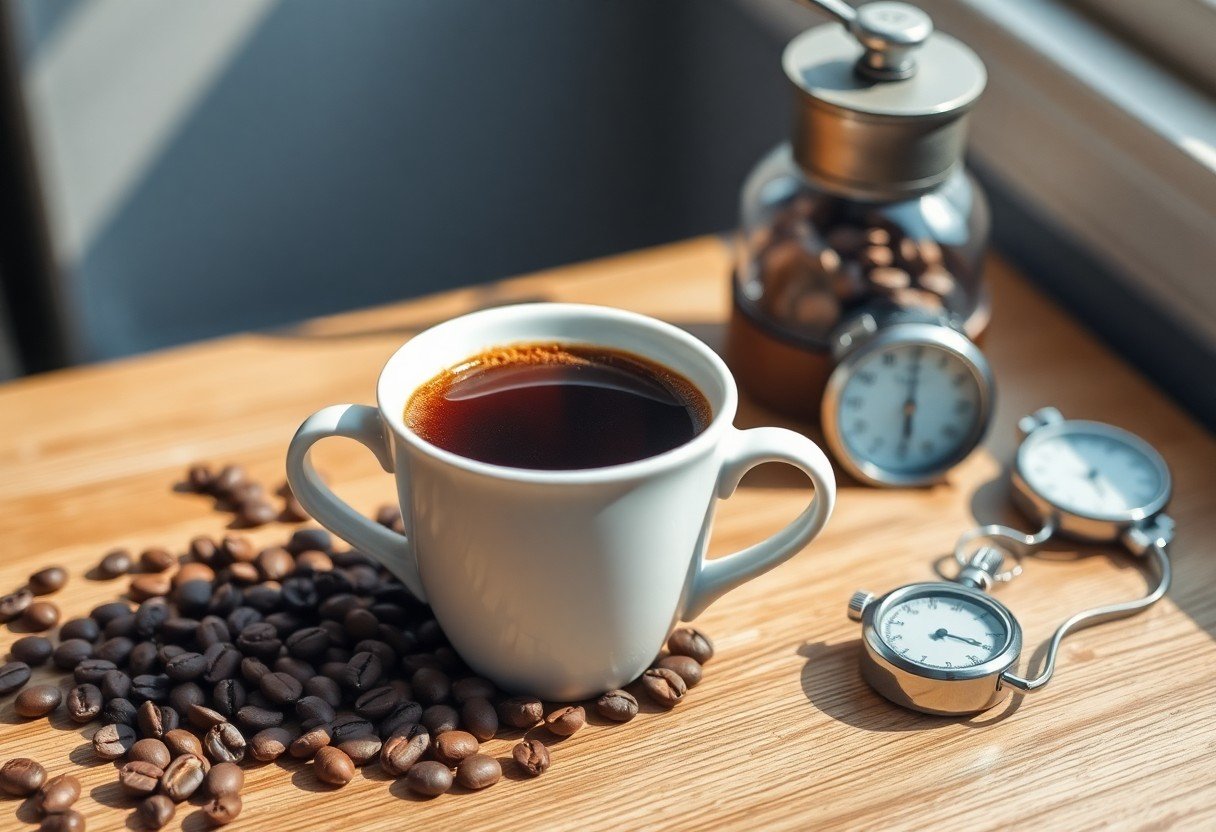
The Impact of Freshness: The Clock is Ticking
Freshness plays a vital role in the flavor profile of artisan coffee. As time passes, the aromatic compounds that define the quality and character of coffee begin to degrade, altering the taste experience. For optimal enjoyment, consuming coffee within two to four weeks of roasting is recommended to capture the full spectrum of flavors and aromas that a masterfully crafted brew offers.
Staling vs. Freshness: How Time Affects Flavor
As coffee beans age, they undergo a chemical transformation that leads to staling, causing a significant decline in flavor quality. You might notice a loss of brightness and complexity in older beans, with stale brews exhibiting flat and muted taste profiles. To maintain a vibrant flavor, prioritize using bean varieties that are freshly roasted, as freshness not only enhances complexity but also ensures delightful aromas that enhance the overall experience.
Packaging Innovations: Preserving Quality
Advancements in packaging technology have transformed how artisan coffee is stored and sold. Specialized bags with one-way valves allow gases to escape while preventing oxygen from entering, effectively prolonging freshness. Vacuum sealing and inert gas flushing are also common methods that protect flavor integrity by minimizing exposure to air and moisture, ensuring that each brew tastes as if it were just roasted.
Packaging innovations are significant in preserving the quality of artisan coffee. For instance, nitrogen-flushed bags minimize oxidation, a primary culprit in flavor degradation. Brands like Blue Bottle Coffee and Stumptown utilize these technologies to maintain optimal freshness during distribution. Furthermore, resealable packaging allows you to enjoy your coffee over an extended period without sacrificing flavor. This ingenuity not only elevates the beverage experience but empowers you to indulge in smooth, rich flavors with every cup.
Final Words
Hence, understanding the sublime nuances that define an artisan coffee flavor profile enables you to appreciate each cup more deeply. By paying attention to factors such as origin, processing methods, and roast levels, you can identify the unique notes and complexities that influence your experience. Engaging with the sensory attributes of aroma, acidity, body, and finish enriches your tasting journey, allowing you to savor the artistry behind each brew. Embrace this knowledge to elevate your coffee enjoyment and explore a world of nuanced flavors that artisan coffees offer.
FAQ
Q: What are the primary factors that influence an artisan coffee flavor profile?
A: The primary factors include the coffee bean variety, origin, processing method, roasting technique, and brewing method. Each element contributes to the final taste and aroma qualities of the coffee.
Q: How does the origin of coffee beans affect flavor?
A: Coffee beans from different regions possess distinct flavor characteristics due to climate, elevation, and soil composition. For instance, Ethiopian coffee often has floral tones, while Colombian coffee may present a balanced sweetness.
Q: What role does the roasting process play in flavor development?
A: Roasting transforms green coffee beans by developing sugars and acids, influencing flavor notes. Light roasts preserve more original flavors, while dark roasts tend to emphasize bitterness and boldness.
Q: How do different brewing methods impact the flavor profile?
A: Brewing methods like espresso, pour-over, and French press extract flavors differently. For example, espresso often delivers a concentrated and rich taste, while pour-over can highlight the subtleties of a coffee’s flavor notes.
Q: What sensory aspects should one consider when tasting artisan coffee?
A: When tasting, consider aroma, acidity, body, flavor, and aftertaste. Each aspect contributes to the overall experience and helps discern the complexity of flavors present in the coffee.