

Over the years, you can refine your skills in selecting the finest coffee roastery beans from Australia. This guide is designed to empower you with the knowledge needed to identify quality beans that suit your taste preferences and brewing methods. By understanding the nuances of coffee bean selection, from origin to roast profile, you can elevate your coffee experience and enjoy exceptional brews at home.
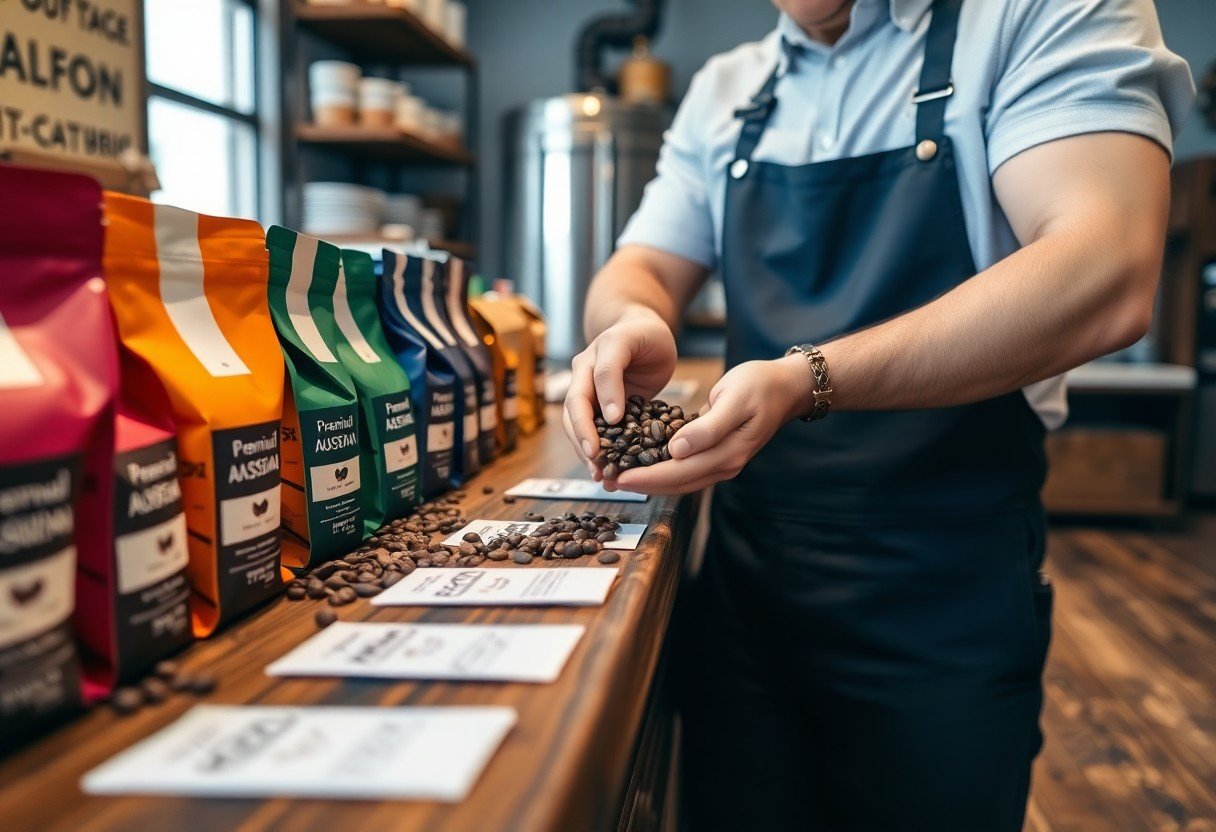
Decoding Flavor Profiles: What Makes Australian Coffee Unique
Exploring the Australian Coffee Culture
Australian coffee culture is marked by an emphasis on quality, innovation, and a distinct café lifestyle. In cities like Melbourne and Sydney, specialty coffee is more than a drink; it’s a social experience. Local baristas often engage in coffee artistry, showcasing their skills through latte art and creative brewing methods that elevate the drinking experience. The Australian population’s growing demand for quality has led to a vibrant network of independent roasteries that pride themselves on sourcing beans ethically and sustainably. Visiting local cafés allows you to experience the diverse tastes that reflect regional differences and the influences of global coffee trends.
Key Factors Influencing Taste: Origin, Climate, and Processing
- Origin influences flavor, such as fruity notes from Queensland.
- Climate impacts the quality and characteristics of the beans.
- Processing methods add layers of complexity to the taste profile.
- Choosing the right beans allows you to explore diverse flavor experiences.
Specific processing methods, such as washed or natural, alter the final taste, bringing out either clarity or richness in flavor. Australian coffee roasters often experiment with various techniques to highlight the unique qualities of their beans, ensuring a tailored experience for every palate. The choice of equipment and brewing methods at local cafés adds yet another layer, emphasizing how your coffee journey can unveil new dimensions in flavor, further enriching the overall drinking experience.
- Processing methods play a significant role in achieving desired flavors.
- Each brewing technique can transform the coffee experience.
- Expertly crafted blends highlight the nuances of Australian beans.
- The diversity in selection offers numerous tasting opportunities.
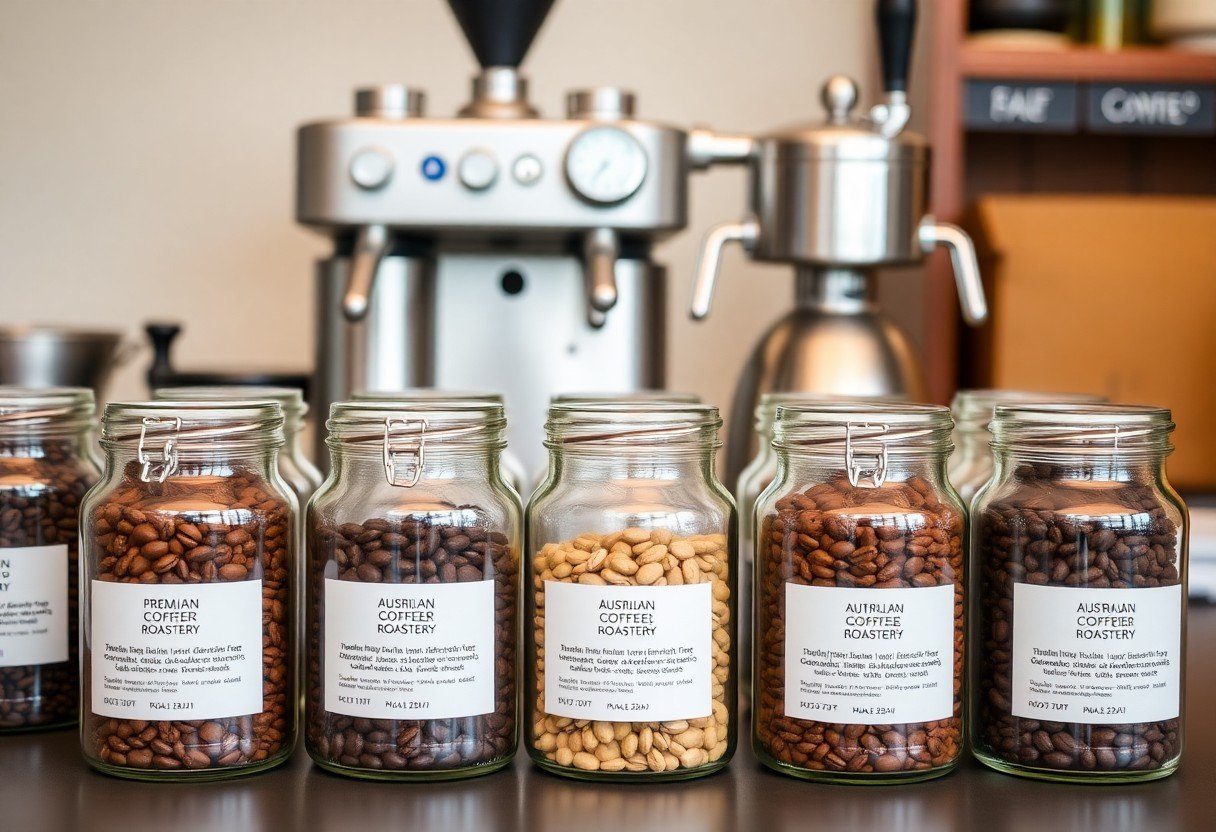
The Art of Choosing the Right Roastery
Identifying Quality Roasters: What to Look For
You should begin by examining the roaster’s sourcing practices. Look for roasters that establish direct relationships with farmers and prioritize high-quality beans. Many reputable roasters will share information about where their beans come from, including details about the farm and the variety of coffee. Engaging with roasters who provide a transparent supply chain reflects a commitment to quality and ethical practices.
Additionally, taste profiles and roast styles are significant factors in your selection process. Quality roasters often offer a range of single-origin coffees alongside blends, showcasing distinct flavor notes that reflect the beans’ origin. Regularly sampling their offerings can help you identify your preferences and refine your choices. For further insights on how to choose the best coffee beans, consider exploring community discussions that highlight the experiences of other coffee enthusiasts.
Evaluating Sustainable Practices and Certifications
Your coffee choice should reflect a commitment to sustainability. Look for roasters that have certifications from recognized organizations such as Fair Trade, Rainforest Alliance, or the Specialty Coffee Association. These certifications ensure that the coffee is not only high-quality but also responsibly sourced, benefiting both the environment and the communities that produce it.
Many roasters also implement eco-friendly roasting methods, emphasizing low-carbon practices and reducing waste. Inquire about their packaging, as compostable or recyclable materials indicate a forward-thinking approach. Supporting roasters with such practices allows you to enjoy your coffee more responsibly while contributing positively to the planet.
Knowledge about certifications adds significant value to your purchasing decisions. By selecting roasters who adhere to sustainable guidelines, you support ethical labor practices and the preservation of ecosystems where coffee is grown. This alignment not only enhances your enjoyment of coffee but also contributes to building a more sustainable future for the coffee industry.
Navigating Roast Levels: Finding Your Perfect Match
Understanding Different Roast Profiles
Each roast profile brings its unique characteristics to the forefront, influencing not only the flavor but also the acidity and body of the coffee. Light roasts typically retain more of the bean’s original flavors, showcasing bright acidity and floral or fruity notes. On the other hand, dark roasts often emphasize richer, deeper flavors, masking some of the inherent qualities of the bean with chocolatey or smoky undertones. Knowing the specific roast profile can help you select coffees that align with your taste preferences.
Coffee roasters often classify their beans in various roast ranges, from light and medium to dark. A medium roast strikes a balance between the two, merging the brightness of a light roast with the fuller body of darker beans. By understanding these distinctions and experimenting with different roast profiles, you can hone in on the flavors and aromas that excite your palate.
Balancing Flavor and Aroma: Light vs. Dark Roasts
Light and dark roasts present distinct sensory experiences that cater to varying preferences. Light roasts tend to be vibrant and complex, often exhibiting herbal or fruity notes alongside a higher acidity. Conversely, dark roasts focus on a more robust flavor profile, with a smooth finish and lingering bitter notes that appeal to those who prefer stronger coffee. Both roast types offer unique aromas that linger, offering an additional layer of enjoyment in your brewing ritual.
Understanding how flavor and aroma differ between light and dark roasts can greatly enhance your coffee-drinking experience. If you’re seeking a nuanced coffee experience that showcases the unique traits of the bean, lighter roasts often deliver. In contrast, if comfort and strong flavors are your priorities, darker roasts can provide that satisfying richness. Experimenting with both ends of the spectrum allows you to discover which roast profile resonates best with your individual taste.
Tasting Techniques: Elevate Your Coffee Experience
Sipping and Savoring: The Tasting Process
Engaging your senses during the tasting process transforms your coffee experience. Start by taking a moment to observe the aroma; this initial sniff can reveal a lot about the coffee’s profile. Gently slurp a small amount, allowing the coffee to spread across your palate, which helps to identify the nuanced flavors. Note the sweetness or acidity and whether any specific flavors, such as chocolate or fruity notes, come to the forefront. Pay attention to the body and finish; the lingering aftertaste can indicate the quality of the beans used.
As you sip, consider how each element interacts. Do the flavors build harmoniously, or do they compete? Free your mind from distractions and focus solely on the sensory experience. Keeping a coffee journal can aid in tracking your preferences, allowing you to refine your choices over time. Over multiple tastings, you’ll develop a keen ability to discern the subtle variations that each origin and roast presents.
Comparing Beans: Blind Tasting Methodology
Blind tasting serves as a valuable tool to eliminate bias and truly assess the qualities of different beans. Set up a controlled environment where you can sample multiple coffees without preconceived notions. Use distinct cups, and label them discreetly to ensure no visual influences affect your judgment. This method provides a clearer understanding of which beans resonate with you, allowing for a more objective evaluation of flavors, acidity, and overall enjoyment.
To facilitate the blind tasting process, gather information on each selected bean beforehand, but keep all identifying marks hidden during the tasting. Record your observations after each sip, focusing on aspects like aroma, flavor notes, acidity, and body. By the end of the tasting, you’ll have a clearer picture of which beans align with your preferences, enhancing your ability to select high-quality coffee consistently.
Blind Tasting Checklist
| Step | Description |
|---|---|
| Preparation | Gather a selection of coffee beans and brew them separately. |
| Label | Label each cup discreetly to hide the origin and roaster. |
| Taste | Engage in the tasting process, noting flavors, aroma, and body. |
| Record | Write down your impressions to compare later. |
| Selection | Identify your preferred beans based on objective tasting notes. |
Comparative Analysis Table
| Aspect | Notes |
|---|---|
| Aroma | Pay attention to distinct notes, like floral or nutty aromas. |
| Flavor | Assess the key flavors and any complexities that unfold. |
| Acidity | Evaluate the brightness; is it smooth, sharp, or mellow? |
| Body | Consider how rich or light the coffee feels in your mouth. |
| Aftertaste | Note the finish; does it linger pleasantly or fade quickly? |
Building Relationships with Roasters: A Collaborative Journey
Engaging with Local Roasters for Freshness
Forming connections with local roasters opens the door to accessing beans that are freshly roasted and tailored to your taste preferences. Local establishments often prioritize sustainability and high-quality sourcing, allowing you to discover unique flavors that larger commercial brands may not provide. By visiting these roasteries, you can engage in conversations about their roasting processes and the specific origins of their beans, which can significantly enhance your coffee knowledge and enjoyment.
Regularly visiting and interacting with your local roasters also ensures you stay updated on seasonal offerings and single-origin coffees, as smaller roasters frequently rotate their selections based on crop availability. Sampling their latest releases or exclusive blends cultivates a deeper appreciation for the art of coffee roasting while ensuring that your cup of coffee is as fresh as possible.
Gaining Insight: The Value of Roaster Recommendations
Your local roaster serves as an invaluable resource, offering personalized recommendations based on your taste preferences. In a world with an overwhelming array of coffee options, leveraging their expertise helps narrow down the choices to those that will likely suit your palate. Roasters often have in-depth knowledge about each bean’s flavor profile and can guide you to discover new favorites, whether you’re inclined towards rich, chocolaty flavors or vibrant, fruity notes.
Additionally, roasters may provide insights on brewing methods that best suit the beans you choose. Their recommendations often include specific grind sizes, water temperatures, and brewing times, which can significantly impact your final cup. This collaborative approach not only enhances your personal brewing experience but also strengthens your connection with the roaster, leading to more informed choices and greater satisfaction.
Taking advantage of roaster recommendations allows you to explore diverse coffee varieties that you might not have considered on your own. Engaging actively in discussions about preferred flavors and brewing techniques often leads to unique discoveries, opening the door to an expanded coffee repertoire. Expertise from roasters can elevate your home brewing game, ensuring that every cup you craft at home captures the essence of the beans and the story behind them.
To wrap up
Now that you are equipped with knowledge on how to master selecting premium Australia coffee roastery beans, you can confidently navigate the diverse offerings available. Focus on understanding the unique characteristics of various beans, including their origin, processing method, and flavor profiles. Engaging directly with roasters and asking questions about their sourcing and roasting techniques will further enhance your ability to make informed selections that align with your taste preferences.
Additionally, consider experimenting with different brewing methods to fully appreciate the nuances of the beans you choose. Your palate will become more refined as you explore various flavor notes and aromas, ultimately leading to a richer coffee experience. By applying these strategies, you’ll elevate your coffee journey and ensure that your selections consistently provide the quality and enjoyment you desire.
FAQ
Q: What are the key characteristics to look for in premium coffee beans?
A: Look for beans that are single-origin, freshly roasted, and have distinct flavor profiles. The beans should be free from defects, and ideally, they should be grown at high altitudes, which often contributes to a richer taste.
Q: How can I identify high-quality Australian coffee roasters?
A: Research roasters known for their sourcing practices, quality control, and transparency about their beans. Reading reviews and having tastings can also help you find reputable roasters with a strong commitment to quality.
Q: What role does the roast level play in selecting premium coffee beans?
A: The roast level affects flavor, aroma, and acidity. Light roasts preserve more of the bean’s natural flavors and acidity, while dark roasts develop a bolder, richer taste. Choose according to your flavor preference.
Q: How important is the freshness of coffee beans?
A: Freshness directly impacts flavor and aroma. Aim to purchase beans roasted within the last two weeks for optimal taste. Store them in an airtight container in a cool, dark place to maintain freshness.
Q: What brewing methods work best with premium Australian coffee beans?
A: Methods such as pour-over, French press, and espresso extraction highlight different flavor notes. Experimenting with various brewing techniques will help you discover the best way to enjoy your premium beans.