

There’s a world of complexity hidden within every cup of artisan coffee, waiting for you to explore its rich flavor profiles. By honing your sensory skills and understanding the nuances of different coffee beans, you can elevate your tasting experience. This guide will walk you through crucial techniques and tips that allow you to identify and appreciate the subtle notes in your coffee, empowering you to savor each sip like a true connoisseur.
The Anatomy of Coffee Flavor
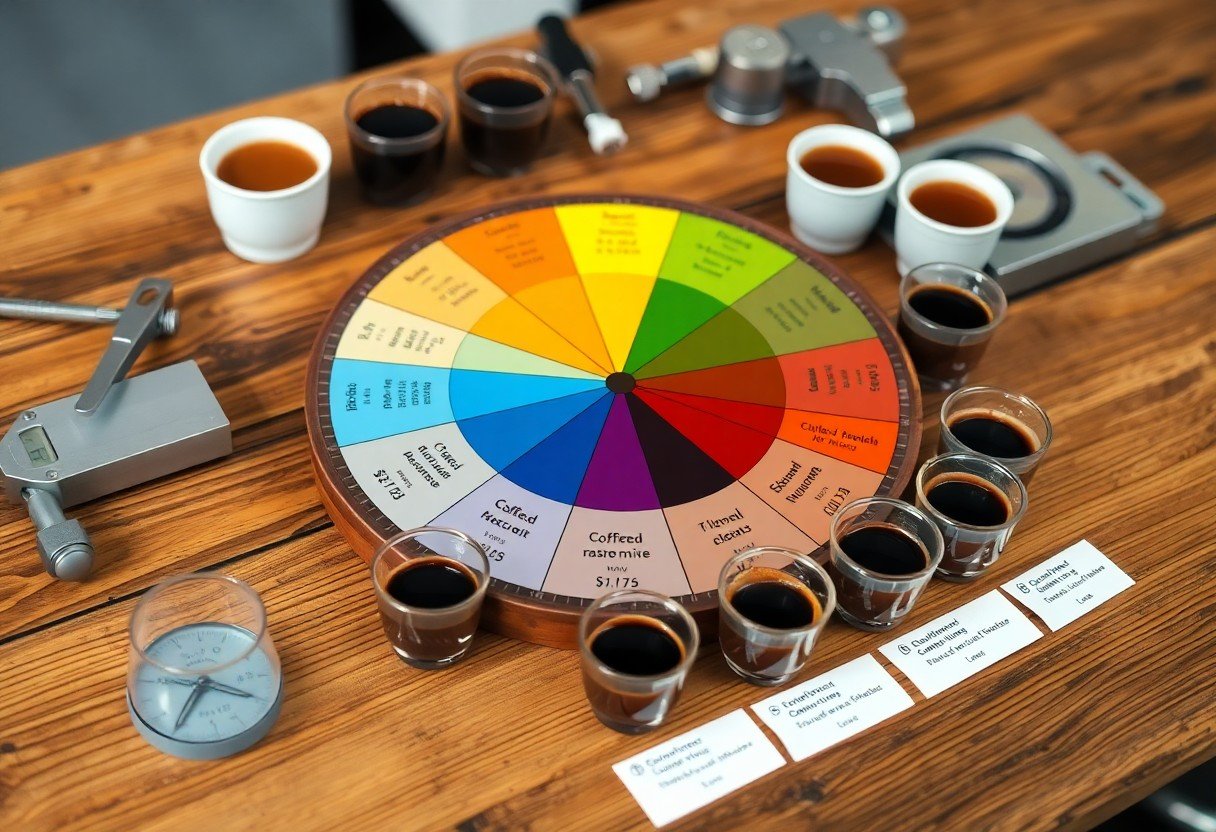
Understanding the anatomy of coffee flavor involves dissecting various elements that contribute to your tasting experience. This includes not just the primary tastes but also aromas, mouthfeel, and aftertaste, all of which play crucial roles in defining the overall profile of your brew. As you explore different beans, start to take note of how these various aspects come together to create complex flavors that can range from fruity and floral to earthy and nutty. The interplay of these elements forms the foundation of artisan coffee appreciation.
Breakdown of Flavor Components: Acidity, Sweetness, Bitterness
Acidity, sweetness, and bitterness are the three main flavor components that define your coffee experience. Acidity adds brightness and liveliness, often resembling fruits like citrus or berries, which can enhance your overall tasting profile. Sweetness balances the flavor, providing a rich, syrupy feel reminiscent of caramel or honey. Bitterness, on the other hand, can introduce depth but should be carefully balanced to avoid overwhelming your palate. Together, these components create a harmonious flavor experience in artisan coffee that you can learn to identify and appreciate.
The Role of Origin: Understanding Terroir
Your coffee’s flavor is deeply influenced by its origin, an aspect often referred to as terroir. Factors such as altitude, climate, soil composition, and local practices shape the characteristics of the beans. For instance, Ethiopian coffees might present with bright floral and fruity notes, thanks to the region’s unique growing conditions. In contrast, coffees from a high-altitude region like Colombia may offer a richer, chocolaty profile. By understanding where your coffee originates, you can better predict and appreciate its distinct flavor journey.
Delving deeper into terroir reveals how specific regions develop unique flavor profiles over time. For instance, coffees grown in volcanic soils often showcase pronounced mineral qualities, lending a unique complexity to the cup. High elevations can slow the ripening of coffee cherries, leading to a more concentrated and nuanced sweetness. Additionally, local processing methods, such as wet versus dry processing, can significantly alter the final flavor. Engaging with the various cultural and environmental contexts surrounding your coffee’s origins enhances your ability to discern and enjoy intricate tasting notes.
Techniques for Tasting Like a Connoisseur
Mastering the art of tasting involves employing specific techniques to enhance your sensory experience of coffee. By focusing on multiple senses, from aroma to mouthfeel, you develop a nuanced appreciation of flavor complexities. With practice, you can identify hints of chocolate, citrus, or nutty undertones, elevating your overall tasting skills.
The Cupping Process: Step-by-Step Guide
Engaging in the cupping process is crucial for professional tasting. Follow this simple guide for an effective cupping session:
Cupping Process Steps
| 1. Measure and Grind | Use 10g of coffee per 150ml of water, coarsely ground. |
| 2. Smell | Evaluate the aroma before adding water. |
| 3. Brew | Add hot water, steep for four minutes. |
| 4. Break the Crust | Gently break the coffee layer and inhale. |
| 5. Taste | Use a spoon to slurp, analyzing flavors. |
Sensory Evaluation: Engaging Your Palate
Evaluating coffee involves more than just tasting; it’s about engaging all your senses. Each cup offers a unique experience, incorporating visual cues, aromas, and flavors that dance on your palate. By focusing on how the coffee feels in your mouth, you can discern attributes like acidity, body, and sweetness, contributing to an overall delicate balance that defines exceptional brews.
To enhance sensory evaluation, first anchor yourself in the visual aspect by observing the coffee’s color and crema. Aromatic richness adds another layer, enticing you to breathe deeply as you prepare to taste. As the coffee rolls across your tongue, pay attention to variations in texture and lingering aftertastes, which reveal much about its quality. Noticing these intricate details allows you to appreciate each cup like a true connoisseur.
Coffee Roasting: Secrets to Flavor Development
Roasting coffee is an art that directly influences the flavor profile of your brew. The transformation of green beans into rich, aromatic coffee involves carefully controlled heat application, which develops various flavor compounds within the beans. Different roasting levels—light, medium, and dark—lead to unique flavor characteristics, ranging from bright and fruity to deep and chocolatey. Mastering the roasting process allows you to unlock the full spectrum of flavors hidden in your beans, giving you the power to consistently refine your coffee experience.
Light vs. Dark Roasts: Myths Debunked
The debate over light versus dark roasts often contains misconceptions. Many believe dark roasts have higher caffeine content, but in reality, light roasts retain more caffeine due to shorter roasting times. Flavor notes also vary significantly; light roasts typically highlight the bean’s origin characteristics, offering bright acidity, while dark roasts tend to overshadow those notes with boldness and bitterness. Understanding these differences helps you appreciate each roast’s unique attributes without prejudice.
The Maillard Reaction: Transforming Bean Chemistry
The Maillard reaction is pivotal in coffee roasting, occurring when sugars and amino acids react under heat to create complex flavors and aromas. This chemical transformation begins around 300°F and continues through various stages, contributing to caffeination and fragrant compounds. As the roasting time extends, you experience a profound evolution in flavor profiles, where caramelization occurs alongside the Maillard effects, enriching your coffee’s sweetness and body.
During the Maillard reaction, various compounds form that contribute to the sensory experience of coffee. For instance, the reaction creates hundreds of flavor precursors, including sugars and acids, which develop rich notes such as caramel, chocolate, and nutty profiles. Specific temperature control is vital; roasting too quickly can produce undesirable flavors, while slower roasting promotes deeper complexity. Ultimately, this reaction transforms your beans from their raw state to a rich tapestry of flavors, making it crucial to master in the pursuit of the perfect cup.
Elevating Your Coffee Experience
Enhancing your coffee journey goes beyond selecting the beans; it involves understanding how various elements impact flavor. Engaging with different brewing methods and exploring food pairings can unlock new dimensions in your coffee experience. By actively experimenting, you’ll discover how these factors transform each sip and enrich your appreciation for artisan coffee.
Brewing Methods: Choosing the Right Technique
Selecting the proper brewing technique directly affects the extraction and flavor of your coffee. Whether you opt for pour-over, French press, or espresso, each method highlights different characteristics in the bean. For instance, a pour-over brings out delicate floral notes, while a French press emphasizes rich, robust flavors. Tailor your brewing method to suit the profile you wish to explore.
Pairing Coffee with Food: A Flavor Synergy
The right food pairing can enhance your coffee experience, creating a harmonious flavor profile that elevates both elements. Consider a rich chocolate dessert with a bold dark roast, or a light citrusy coffee with fresh fruit. Each choice can accentuate specific tasting notes, showcasing the coffee’s complexity while complementing the food.
Pairing coffee with food not only highlights the unique properties of each but also creates a multisensory experience. For example, a Kenya AA coffee, known for its bright acidity and berry notes, pairs exceptionally well with savory dishes like goat cheese salad or grilled chicken. The acidity cuts through the richness of the cheese, enhancing the overall flavor. Similarly, a caramel roast complements desserts, creating a balance that captivates the palate. Explore various combinations, documenting your favorites to refine your taste and deepen your understanding of flavor synergies.
Developing Your Own Flavor Vocabulary
Building a personal flavor vocabulary enhances your coffee tasting experience, allowing you to articulate your sensory journey. Familiarize yourself with a diverse range of flavors, aromas, and textures that you encounter in various coffees. Start by sampling different beans from regions like Ethiopia for fruity notes or Colombia for nutty undertones. Documenting your thoughts can refine your ability to identify and express unique tasting characteristics.
Essential Terms for Coffee Lovers
Understanding key terms enriches your tasting dialogue. Familiarize yourself with descriptors such as acidity, body, and aftertaste. Acidity refers to the bright, tangy quality that livens up the cup, while body describes the weight and richness you feel on your palate. Aftertaste encompasses the lingering flavors post-sip, creating a complete tasting narrative.
Creating a Flavor Profile Journal
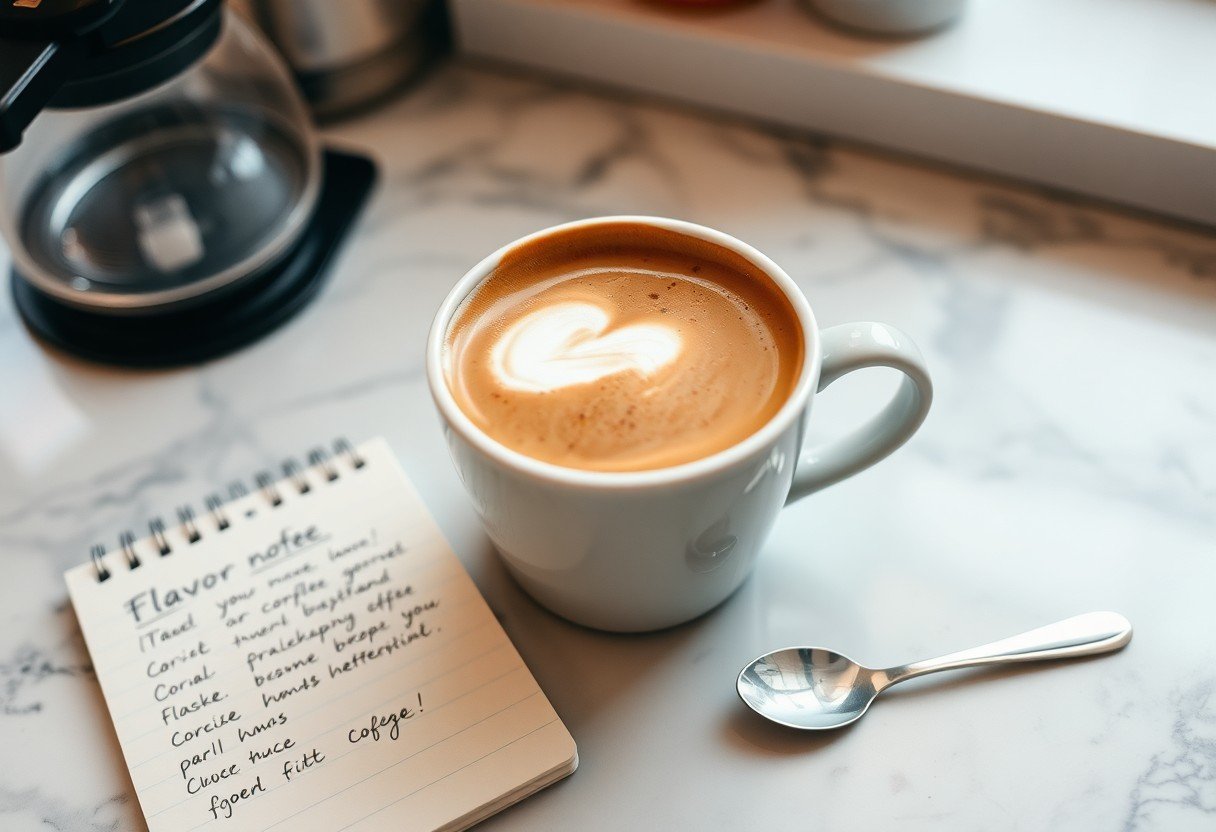
A flavor profile journal is your personal tool for documenting coffee experiences and insights. Each entry should include details of the coffee’s origin, roast level, and your tasting notes. Over time, patterns will emerge, helping you refine your preferences and identify what you enjoy most. Aim to make habitual entries after each tasting, ensuring that your observations remain fresh and accurate.
In your flavor profile journal, include the coffee’s producer, methods, and brewing techniques to provide context for your tasting notes. Utilized consistently, this journal becomes a valuable resource for tracking your flavor development and broadening your palate. You could also add specific flavor attributes you identify, linking them to different coffees you try, and rating them based on your preferences. This personalized reference will deepen your appreciation for the intricacies of artisan coffee and bolster your communication with fellow enthusiasts.
Conclusion
Ultimately, mastering the art of identifying subtle artisan coffee flavor profiles elevates your coffee experience. By engaging your senses, comparing different beans, and familiarizing yourself with tasting notes, you refine your palate and deepen your appreciation. With practice and attention to detail, you will confidently discern the nuanced flavors that define exceptional coffees. Embrace the journey and let your newfound skills enhance every cup you brew.
FAQ
Q: What are the key factors that influence artisan coffee flavor profiles?
A: The key factors include origin of the beans, processing methods, roast level, grind size, and brewing technique. Each element contributes unique characteristics to the flavor profile.
Q: How can I assess the aroma of artisan coffee?
A: Assess aroma by taking a deep inhale after brewing. Focus on identifying sweet, savory, floral, or nutty notes. Use descriptive words to help categorize the aromas you detect.
Q: What tasting techniques can I use to identify flavors?
A: Utilize techniques like cupping, where you slurp a spoonful to aerate the coffee, allowing you to discern different flavor notes. Pay attention to acidity, body, and aftertaste.
Q: How do different brew methods affect flavor profiles?
A: Different brew methods extract flavors differently. For example, espresso highlights acidity and sweetness, while French press enhances body and richness. Experiment to see how these differences impact your tasting experience.
Q: Can I use flavor wheels to help identify coffee flavors?
A: Yes, flavor wheels are excellent tools for identifying and understanding various coffee flavors. They visually categorize flavors into broader categories, assisting you in pinpointing specific notes in the coffee.