
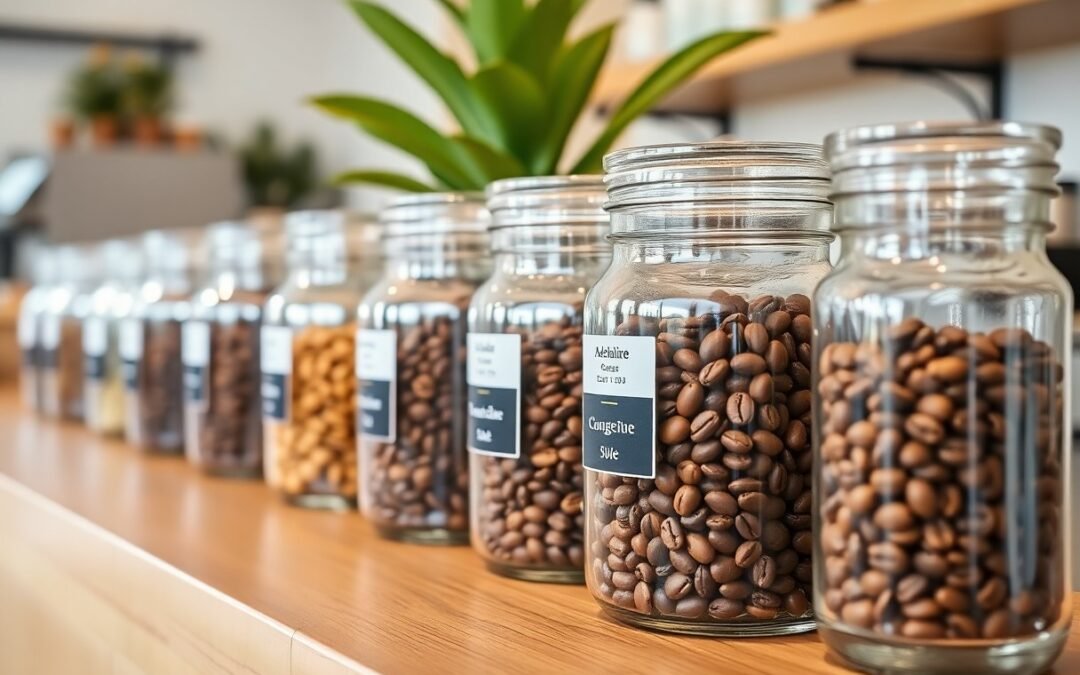
You can enhance your coffee experience by learning to identify high-quality freshly roasted coffee beans from local Adelaide retailers. Look for vibrant aroma, a shiny surface indicating freshness, and uniform color in the beans. Cupping samples helps you explore flavor profiles. For insights and recommendations, check out the Best Coffee Beans that you can get in Adelaide for a comprehensive guide. By mastering these tips, you can elevate your coffee enjoyment.
Key Takeaways:
- Look for beans that are recent roasts, ideally within the last month, to ensure freshness.
- Check for a shiny appearance, which indicates oils on the surface from the roasting process, signaling high-quality beans.
- Inquire about the source of the beans and prefer those that come from reputable coffee-producing regions.
Understanding Coffee Roasting
The Roasting Process
The roasting process is fundamental in defining the flavor profile of coffee. During roasting, green coffee beans undergo a series of chemical changes at high temperatures, which transform their flavor, aroma, and color. This transformation occurs in several stages, starting with a drying phase, then progressing to browning, and finally the development of distinct flavors known as the first and second crack. Each stage significantly influences the final taste of your brew.
Vigilant roasters monitor the temperature and time closely to achieve the desired roast level. This precision is vital; slight variations can result in drastically different flavors. For instance, lighter roasts preserve the bean’s original taste while darker roasts exhibit richer, bolder flavors. To learn more about why fresh roasted coffee matters, check out this Fresh Roasted Coffee Matters: Specialty Coffee in Adelaide.
| Roasting Phase | Description |
| Drying | Beans lose moisture, setting the stage for flavor development. |
| Browning | Sugars caramelize, creating sweetness and complexity. |
| First Crack | Beans expand, indicating a light to medium roast range. |
| Second Crack | Signifies darker roasts with deeper flavors. |
| Cooling | Prevents over-roasting and locks in flavors. |
Types of Roasts
Understanding the different types of roasts is important for selecting coffee that suits your palate. The major categories include light, medium, and dark roasts. Light roasts tend to have higher acidity and fruity or floral notes, while medium roasts provide a balanced flavor profile, showcasing both acidity and body. Dark roasts, on the other hand, have a pronounced bitterness and deep, smoky flavors. Choosing the right roast can elevate your coffee experience significantly.
When exploring types of roasts, you may encounter regional differences and variations such as French roast or Italian roast, which are forms of dark roasts. Each roast type brings unique characteristics influenced by the origin of the beans and the specific roasting technique used.
| Type of Roast | Flavor Profile |
| Light Roast | Bright, fruity, and often floral. |
| Medium Roast | Well-rounded with balanced sweetness and acidity. |
| Dark Roast | Bold, with rich chocolate and smoky flavors. |
| French Roast | Charred notes and intense smokiness. |
| Italian Roast | Deeply roasted with a bittersweet finish. |
- Light Roast: Bright and fruity.
- Medium Roast: Balanced flavor.
- Dark Roast: Bold and rich.
- French Roast: Charred notes.
- Italian Roast: Bittersweet finish.
The right roast type can greatly enhance your brew. Understanding these distinctions will guide you in selecting high-quality coffee beans that align with your taste preferences.
Identifying Freshness
Roast Date Importance
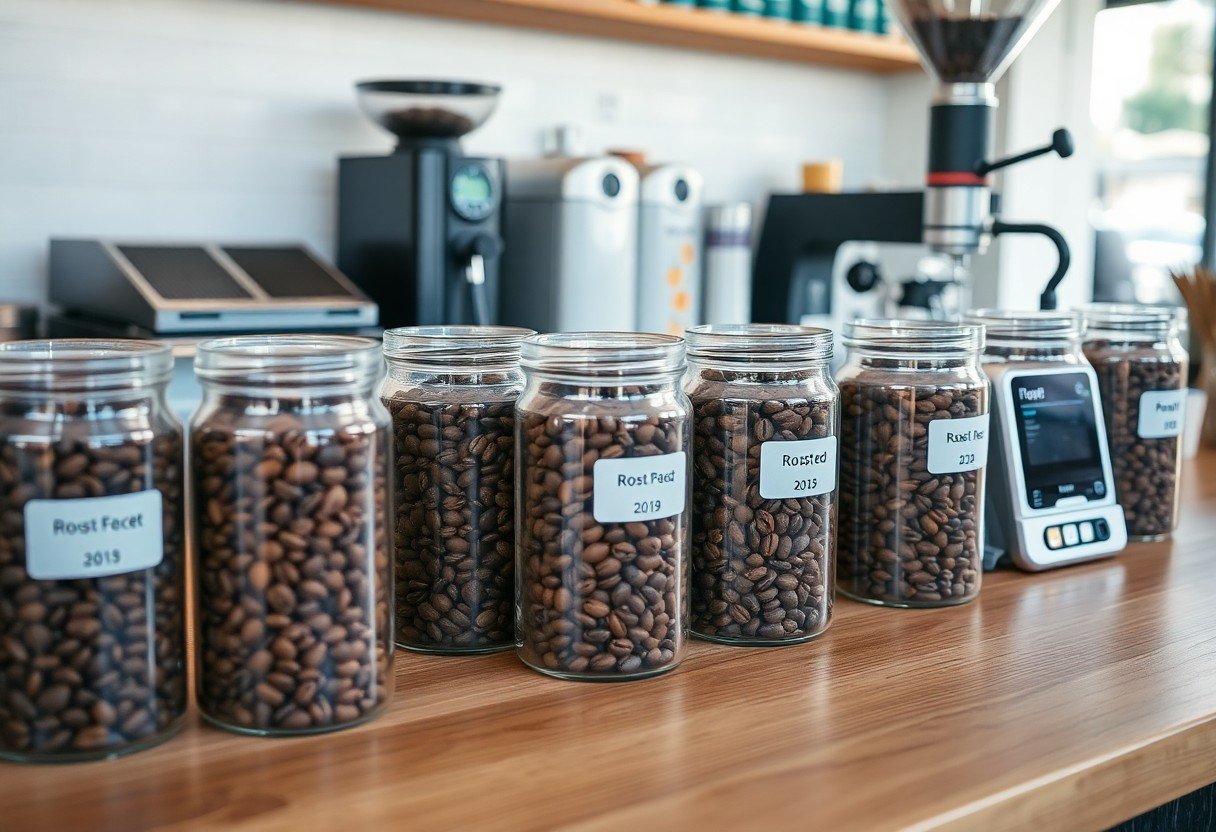
The roast date is a pivotal detail for assessing coffee freshness. Freshly roasted coffee should ideally be consumed within two to four weeks post-roasting. Look for a roast date printed on the bag; this indicates when the beans were roasted and helps you gauge their potential flavor profile. A bag without a roast date is a red flag, as it suggests a lack of emphasis on freshness from the retailer.
Once you’ve secured beans with a clear roast date, factor in your brewing schedule. If you’re buying from an Adelaide retailer and plan to consume the beans within a week, fewer than seven days past the roast date should be acceptable. On the other hand, beans older than a month may lose their vibrant flavors and aromatic qualities, leading to a dull cup of coffee.
Visual Cues of Freshness
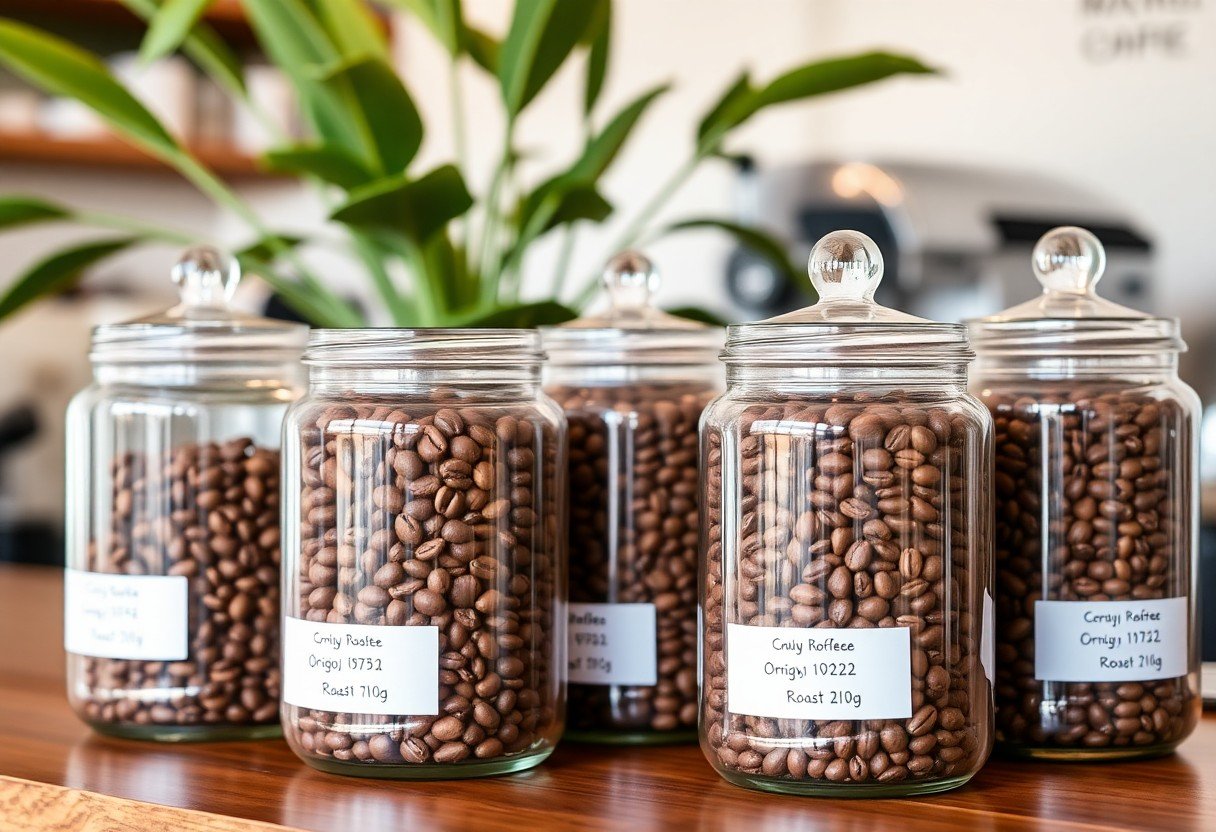
Visual indicators can provide insights into the freshness of coffee beans. Shiny surfaces often indicate that the oils from the beans have surfaced, a common trait of fresh coffee. This sheen shows that the beans have recently been roasted, as oils tend to develop during the roasting process. Additionally, fresh beans have a uniformity in size and color, ensuring they roast evenly, contributing to a balanced flavor.
Conversely, beans that appear excessively dull or have an inconsistent color may be older or poorly handled. Pay attention to any debris or foreign particles in the bag, which might suggest long-term exposure to air and potential staleness. Quality retailers take care in their packaging, ensuring that the beans stay pristine until you’re ready to brew.
Inspect the beans visually for signs of freshness. Look for beans that retain their natural color – whether it’s light, medium, or dark roast – without significant fading. The absence of cracks and blemishes also indicates careful processing and storage, further affirming their quality.
Aroma Expectations
The aroma of freshly roasted coffee beans is one of the most telling signs of their freshness. When you open a bag, a rich, intoxicating scent should greet you, showcasing the nuanced flavors that await. Freshly roasted beans often exhibit a complex fragrance with hints of sweetness, nuttiness, or fruitiness, depending on the origin and roast level. If the aroma seems faint or lifeless, it could be a sign that the beans have lost their freshness.
Your olfactory senses can guide you in selecting the right beans. Ideally, the aroma should be strong but not overpowering; a balance of notes is what you want to find. Beans that emit a robust aroma will often translate to a more flavorful cup of coffee, enhancing your overall experience.
Trust your sense of smell when assessing coffee freshness. A vibrant aroma not only excites your palate but also indicates that the beans are reaching their optimal flavor potential. If the scent fails to impress or resembles a stale, cardboard-like odor, it’s best to look elsewhere for your next brew.
Evaluating Quality
Bean Appearance and Variety
Your first step in evaluating coffee quality lies in the appearance of the beans. High-quality coffee beans typically exhibit an even color with a consistent size. Look for a shiny surface, which is often a sign of freshly roasted beans, due to the natural oils released during roasting. Uneven coloring or surface flaws may indicate poor quality or lack of proper processing.
Variety also plays a significant role in the quality you will experience. Arabica beans, for instance, are known for their sweet, complex flavors, while Robusta beans tend to have a stronger, harsher taste. Be sure to pay attention to the specific variety being offered, as this can greatly affect your brewing experience.
Tasting Notes and Flavor Profiles
Tasting notes provide insights into the specific flavors present in your coffee, often described using geographic or botanical references. For example, a coffee from Ethiopia may present floral and fruity notes, while a Brazilian bean might offer nutty undertones. Understanding these flavor profiles helps you select beans that align with your taste preferences.
Take the time to explore different tastings, as nuances can vary significantly between roasts. You may find that certain roast levels—light, medium, or dark—can accentuate different aspects of a bean’s inherent flavor. Consider also that the brewing method can enhance particular notes, making it worthwhile to try beans across various preparation styles.
Engaging with tasting notes not only enriches your coffee experience but also helps you develop a personal palate. As you sample different coffees, maintain a record of what you enjoy, from acidity levels to sweetness. This practice deepens your understanding and appreciation of the diverse flavors in freshly roasted beans.
Understanding Bean Origins
The origin of coffee beans profoundly impacts their flavor, aroma, and overall quality. Coffee cultivated in regions with optimal climate conditions—such as altitude, rainfall, and soil composition—often produces beans with distinct characteristics. For example, beans from Colombia are typically well-balanced, while those from Kenya may have pronounced acidity and brightness.
Familiarizing yourself with different coffee-producing countries and their profiles can guide your purchasing decisions. Regions like Central America or South America are renowned for their smooth profiles, while beans from Africa are often more vibrant with fruity notes. Emphasize this knowledge when selecting coffee to ensure a satisfying brew.
Understanding bean origins not only enhances your coffee knowledge but also encourages you to support sustainable and ethical practices. Many growers emphasize quality over quantity, leading to higher-quality beans that reflect their unique terroirs. Choosing coffees with the right origin can enrich your personal experience while promoting responsible sourcing.
Sourcing from Retailers
Researching Adelaide Coffee Roasters
Begin your journey by researching local coffee roasters in Adelaide known for their commitment to quality and freshness. Look for roasters that source high-grade beans from reputable farms, focusing on sustainable and ethical practices. Websites of popular roasters often provide background information on their selection process and partnerships with farmers, giving you insight into the quality of the beans. Engaging with community forums or coffee enthusiast groups can also reveal insights about roasters that consistently deliver exceptional products.
Pay attention to customer reviews as they can guide you toward the best options. High ratings often correlate with roaster reliability and quality. Roasters like Skybury Coffee and Clever Coffee are celebrated for their artisan methods and unique flavor profiles. Exploring local tasting events or cuppings can enhance your understanding of what makes a great coffee bean and help you connect with brands that resonate with your palate.
Recommendations for Local Retailers
When identifying retailers, prioritize stores that specialize in coffee and offer a rotating selection of freshly roasted beans. Look for retailers that prominently display roast dates on their packaging and provide detailed descriptions of the flavor notes, brewing recommendations, and origin of the beans. Shops like The Coffee Bar and Adelaide Coffee Co. consistently showcase quality selections and often run promotions on various blends, allowing you to experiment without overspending.
Consider supporting pop-up shops or farmers’ markets that feature local roasters, providing a unique opportunity to sample beans and speak directly to roasters about their methods. These direct interactions can enhance your understanding of the coffee-making process, allowing you to make informed decisions about your purchases. The personal touch and quality guarantee that comes from local artisan roasters can make a significant difference in your coffee experience.
Tips for Selecting Coffee Beans
- Look for single-origin beans for more distinct flavor profiles.
- Opt for medium to dark roasts for bolder tastes.
- Check for roast dates to ensure freshness.
- Consider grind size based on your brewing method.
- Examine bean shine, a sign of quality oils.
Perceiving the nuances in coffee selection can elevate your brewing experience immensely. For more information, you can Discover the Top 10 of best coffee beans in Australia.
Packaging and Storage Considerations
Quality coffee starts with appropriate packaging. Look for beans sealed in airtight bags with one-way valves to ensure freshness. These valves allow gases to escape without letting air in, thus preserving the flavor integrity.
Once you purchase your coffee, store it in a cool, dark place in an airtight container. Avoid keeping it in the fridge, as this can create moisture, which negatively affects the aroma and flavor of the coffee.
Seeking Certifications and Quality Signals
Certifications can act as a guide when selecting high-quality coffee beans. Look for Fair Trade, Organic, or Rainforest Alliance labels on the packaging. These certifications indicate that the coffee has been sourced ethically, promoting sustainable practices and quality.
Additionally, carry the knowledge of distinctive quality signals like small-batch roasting notices. Quality roasters often emphasize their artisanal methods, showcasing their commitment to producing exceptional coffee.
Understanding these certifications can help you discern the market’s often confusing variety, making sure you choose coffee that aligns with both your taste preferences and ethical values.
Sampling Before Purchase
Before committing to a larger purchase, it’s wise to sample the coffee. Many Adelaide retailers offer tasting sessions or trial sizes. This hands-on approach allows you to experience the flavor profiles firsthand, ensuring you find the right match for your palate.
If tasting isn’t possible, look for roasters who provide sample packets. You can try multiple bean types without investing in a full bag, allowing you to explore different origins and roast levels before making a decision.
Tasting and Brewing Techniques
Brew Methods That Highlight Quality
To fully appreciate the unique characteristics of high-quality coffee beans, you should explore various brew methods that enhance their flavors. Pour-over and French press are two excellent techniques for showcasing the nuances of freshly roasted coffee. The pour-over method offers control over variables like water temperature and flow rate, allowing the complex aromas and flavors to shine. On the other hand, the French press retains oils and sediments, producing a richer, fuller-bodied cup that highlights the robustness of the beans.
Additionally, consider using a siphon brewer for a visually stunning experience that often results in a clean and flavorful cup. This technique combines vacuum brewing with precision, making extraction optimal. Each brewing method reveals different aspects of the coffee, so experimenting will help you discover which best aligns with the specific qualities of the beans you’ve chosen.
Tips for Proper Coffee Brewing
Proper brewing techniques are crucial to unlocking the full flavor potential of your coffee. Start by measuring your coffee and water accurately, using a ratio of about 1:15 to 1:18 for the best results. The quality of the water is just as important; using filtered or bottled water can significantly improve the overall taste, as impurities in tap water may distort the flavors.
Next, pay attention to the brewing temperature, ideally between 195°F to 205°F. This range allows for optimal extraction without scalding the beans. Additionally, try to use fresh coffee, ground just before brewing, to preserve the aromas and flavors that diminish over time. Recognizing these fundamentals will elevate your coffee game.
- Measurement: Accurate coffee-to-water ratio enhances flavor.
- Water Quality: Use filtered water for an improved tasting experience.
- Brewing Temperature: Optimal range is 195°F to 205°F.
- Freshness: Always use fresh, recently ground coffee.
To dive deeper, consider investing in a good quality coffee grinder. A burr grinder is ideal as it yields a uniform grind, crucial for consistent extraction. Select the grind size based on your brewing method; for instance, a coarse grind works well for French press, while a medium grind suits drip coffee. Paying attention to these details not only helps in achieving a better brew but also enhances your appreciation of the craftsmanship behind high-quality coffee. Recognizing these factors contributes significantly to the overall brewing experience.
- Burr Grinder: Ensures uniform grind size.
- Grind Size: Adjust for brew method efficiency.
- Consistent Extraction: Vital for flavor development.
- Craftsmanship: Understand the artistry in coffee making.
Final Words
On the whole, selecting high-quality freshly roasted coffee beans from Adelaide retailers involves a keen understanding of various indicators. You should always check for freshness dates, typically printed on the packaging, to ensure you are purchasing recently roasted beans. Consider the aroma, as freshly roasted coffee releases a rich scent that signals its quality. Pay attention to the bean color and sheen; a consistent, vibrant hue and a slight oiliness often indicate higher quality. Additionally, don’t hesitate to ask the retailer about their sourcing and roasting practices, as transparency in these areas can further affirm the integrity of the beans.
Your ultimate goal is to cultivate an enriching coffee experience, and identifying quality beans is the first step. By utilizing these tips, you will enhance your knowledge and confidence in selecting the best beans available. Embrace the journey of exploring different roasts and flavors, as each choice brings you closer to discovering your personal coffee preference in Adelaide’s vibrant coffee scene.
FAQ
Q: How can I tell if coffee beans are freshly roasted?
A: Look for roasting dates on the packaging. Freshly roasted beans typically have a roast date within the last two weeks. Aromatic oils, visible on the surface, also indicate freshness.
Q: What should I look for in the packaging of coffee beans?
A: Check for a resealable bag with a one-way valve to release gases. Clear labels with origin, roast date, and flavor notes are signs of quality. Avoid bags with vague information.
Q: Are there specific retailers in Adelaide known for high-quality coffee beans?
A: Yes, look for local specialty coffee roasters and independent coffee shops that prioritize quality sourcing and roasting. Recommendations from locals can also guide you.
Q: How important is the grind size for freshly roasted beans?
A: Grind size affects flavor and extraction. Freshly roasted beans should be ground just before brewing, and the grind size should match your brewing method for optimal taste.
Q: What signs indicate poor quality coffee beans?
A: Avoid beans that are dull in color, have an old roast date, or have an off-putting smell. Beans lacking aromatic oils may indicate they are stale or of inferior quality.