
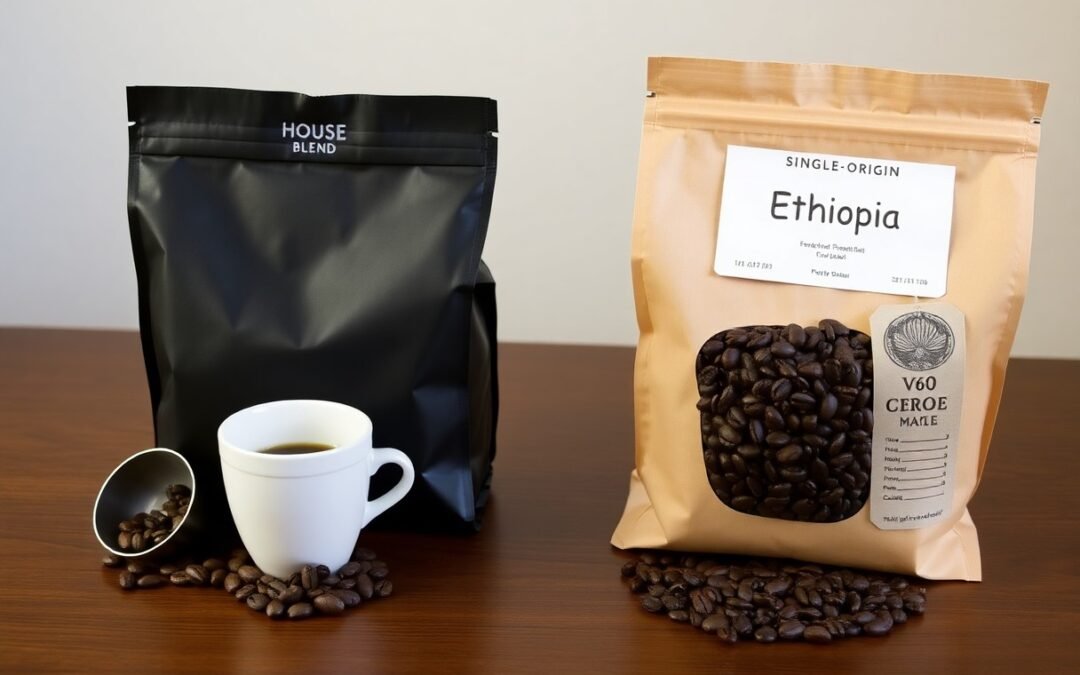
Coffee choices shape flavor: a house blend mixes beans for consistent balance, while single-origin showcases one region’s distinct notes. You learn how origin, roast, and processing influence cup profile so you make informed brewing and buying decisions.
Key Takeaways:
- House blends combine beans from multiple origins to produce a consistent, balanced flavor profile and reduce seasonal variability, making them well-suited for espresso and milk-based drinks.
- Single-origin coffees come from a single region, farm, or lot and highlight distinct, traceable flavor notes and seasonality, often preferred for clarity and unique tasting experiences in filter brewing.
- Roast level and brew method shape expression: darker roasts and espresso emphasize blend consistency, while lighter roasts and pour-over reveal single-origin complexity and acidity.
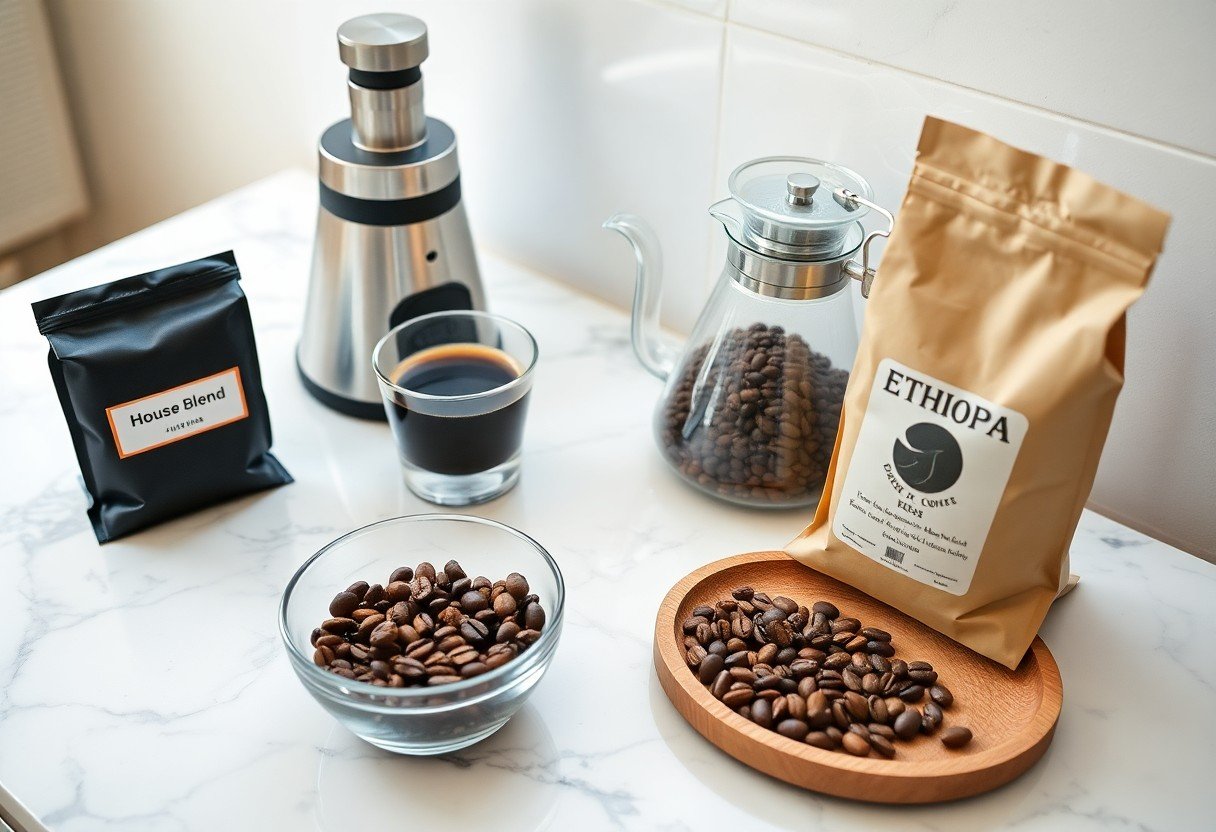
Defining Single-Origin Coffee
Single-origin coffee comes from a single country, region, or farm, giving you clearer flavor signatures tied to a specific place. These lots let you compare how altitude, soil, and processing shape acidity, sweetness, and body without blending masking characteristics.
Geographic Traceability and the Concept of Terroir
Traceability lets you follow beans back to a farm or cooperative, so you can assess growing conditions and producer practices. You then use that information to anticipate tasting notes and match brewing methods to highlight the coffee’s inherent qualities.
Seasonal Availability and Harvest Cycles
Harvest timing affects what you buy: you will see peak-season single origins offered as limited releases, reflecting fresh cherry quality and recent processing. You may notice flavor variability between harvests and years based on rainfall and temperature shifts.
Climate patterns create distinct harvest windows, so you might only find certain origins at their best for a few months. You can plan purchases around import schedules to secure beans at optimal freshness.
During harvest cycles you can track crop reports from exporters and roasters to time purchases for peak sweetness and acidity; you may also encounter micro-lots released between main harvests that showcase experimental processing or exceptional plots you can sample briefly.
The Art and Purpose of House Blends
You rely on house blends to deliver a dependable cup that showcases a roaster’s signature profile while smoothing seasonal bean variability.
Blending lets roasters combine origins and roast levels so you get consistent flavor; see Single Origins vs. Blends Explained for deeper context.
Achieving Year-Round Flavor Consistency
Consistency in your cup comes from blending beans that compensate for seasonal shifts, so your expected acidity, sweetness, and body remain familiar through the year.
Balancing Acidity, Body, and Sweetness Through Composition
Balance arrives when you pair bright, high-acid beans with fuller, sweeter origins so no single note overwhelms your palate.
Adjusting proportions and roast levels lets you fine-tune sweetness or soften acidity, and you can select processing methods to influence the final body you taste.
Comparison of Flavor Profiles
| House Blend | Single-Origin |
|---|---|
| Engineered for balance and consistency, offering steady body, rounded sweetness, and flavors that suit espresso and milk drinks. | Shows distinct regional notes-bright acidity, floral or fruit-forward aromas, and a clarity that highlights specific farm characteristics. |
| Blends mask seasonal variability to deliver a predictable cup across batches. | Varies by harvest and processing, giving you evolving tasting profiles through the year. |
You will notice house blends prioritize harmony so you get a familiar profile every time, with roast decisions tuned to consistent menu performance and wide brewing compatibility.
Single-origin beans give you a purer expression of place, making it easier to identify unique acidity, aroma, and finish that change with each crop and microclimate.
Highlighting Unique and Exotic Regional Characteristics
Regional producers often produce coffees with singular notes-berry, jasmine, bergamot, or panela-that let you trace flavor to altitude, soil, and varietal choices; tasting single-origin lets you explore those signatures directly.
Synergistic Complexity in Multi-Bean Formulations
Blends combine complementary beans so you can experience layered complexity: one lot adds sweetness, another adds body, and a third sharpens finish, producing a cup greater than its parts.
Roasters adjust proportions and roast levels so you can taste intentional contrasts and smooth transitions across sip stages, tailoring a signature profile for black or milk-based preparations.
Experience of a well-crafted blend shows you how acidity, texture, and aftertaste interlock-sip by sip revealing why multi-bean formulas often become the dependable centerpiece of a café menu.
Roasting Philosophies for Each Variety
Roasting philosophies shift depending on how you want the cup to present: single-origins are roasted to reveal origin-specific acidity and aromatic clarity, while blends are roasted to create harmony and predictable sweetness. You track bean behavior closely and adjust drop points to match your intended flavor profile.
Temperature management becomes your lever for expression, dialing heat and airflow to either preserve volatile aromatics or build mouthfeel and caramelization. You document each roast so seasonal bean changes don’t destabilize the profile.
Preserving Delicate Nuances in Single-Origins
Gentle, precise roasts let you highlight floral, citrus, or tea-like notes without introducing roast-derived bitterness; you favor light to light‑medium development and moderate first-crack extension. You cool rapidly and cup frequently to confirm the origin’s signature remains dominant.
Developing Depth and Stability for Reliable Blends
Blends benefit from more development to marry acidity with body, so you often push into later development to get sweetness, chocolatey midtones, and crema stability. You blend with an eye toward how each component reacts under heat to ensure repeatable results.
Careful batch testing and calibration help you maintain consistency as lots rotate; you tweak roast curves and component ratios until the blend performs reliably in both espresso and filter contexts. You keep tasting notes and roast logs to preserve the intended balance.
Economic and Ethical Considerations
You must weigh how blends smooth price volatility and allow you to offer consistent flavor profiles at varied price points, while single-origin coffees can command premiums that reflect traceable quality but bring exposure to yield swings.
Blends can pool income across producers to support community programs and reduce risk, and you can use single-origin purchases to direct higher premiums to specific farms and demand greater transparency from suppliers.
Direct Trade and Individual Producer Recognition
Direct trade lets you build relationships that reward quality and put individual growers in the spotlight, but you should be prepared for the time, verification, and ongoing commitments required to ensure premiums reach producers.
Market Accessibility and Value Propositions
Retailers like you can use blends to keep price points accessible across diverse markets, making specialty coffee approachable for more customers while maintaining overall quality control.
Consumers like you often pay extra for single-origin narratives and traceability, so you must balance the smaller, premium-seeking audience against the broader sales volume that blends can deliver.
To wrap up
Presently you can weigh the choice: house blends combine beans from multiple farms to deliver balanced, predictable flavor while single-origin highlights distinct regional notes and seasonal variation. You should choose blends for consistent everyday cups and single-origin when you want to explore specific terroir, roast profiles, and nuanced tasting notes.
FAQ
Q: What is the difference between house blend and single-origin coffee?
A: House blend is a deliberate mix of beans from two or more origins designed to produce a consistent, balanced flavor profile that represents a roaster or cafe. Single-origin coffee comes from a single country, region, farm, or even a specific lot and showcases the distinct characteristics of that place and harvest. Blends prioritize consistency and balance across seasons, while single-origin highlights terroir and seasonal variation.
Q: How do flavor profiles typically differ between the two?
A: House blends usually offer layered, harmonious flavors where acidity, sweetness, and body are balanced so no single note dominates. Single-origin coffees often present more pronounced, unique notes-such as floral, citrus, chocolate, or spice-reflecting soil, altitude, and varietal. Roasters may roast blends to smooth extremes and roast single-origins to showcase their signature flavors.
Q: How do roasting and blending practices vary for each type?
A: Roasters craft blends by combining beans with complementary attributes to achieve a target cup profile; they may adjust proportions and roast levels to maintain consistency as lots change. Roasters treat single-origin lots more like a portrait, choosing roast profiles that emphasize the lot’s defining flavors and avoid masking them with other beans. Blending requires regular QC to match house standards; single-origin requires careful selection and small-batch testing to highlight distinct notes.
Q: What are the traceability and labeling differences?
A: Single-origin coffees typically come with clear origin information-country, region, farm, and often producer or co-op-making traceability straightforward. House blends often list origins more generally or omit specific farms because the blend mixes multiple lots and may change over time, which reduces direct traceability. Specialty roasters sometimes disclose component origins for blends, but exact proportions and lot details are often proprietary.
Q: Which type is better for espresso versus filter brewing?
A: House blends are commonly preferred for espresso because they are engineered for balance, crema, and consistency under pressure-based extraction. Single-origin coffees shine in filter methods like pour-over or drip where subtle aromatics and delicate acidity can be more easily perceived. Consumers who want a reliable daily espresso often choose blends; those seeking a tasting experience often choose single-origin for manual brew methods.
Q: How do price and availability compare between house blends and single-origin coffees?
A: House blends tend to be more available year-round and often priced more steadily because roasters can substitute component beans to maintain supply and cost. Single-origin coffees can be seasonal and limited by harvest cycles, making some lots more expensive or harder to find when demand is high. Budget-conscious buyers usually find consistent value in blends, while collectors pay premiums for rare or exceptional single-origin lots.
Q: How should a consumer choose between house blend and single-origin coffee?
A: Consider taste goals, brewing method, and preference for consistency or exploration: choose a house blend for a dependable daily cup, especially for espresso or when you want a balanced profile. Choose single-origin if you enjoy exploring distinctive flavors, want to taste terroir, or brew with methods that highlight nuance. Try both types side by side to identify which flavor characteristics you prefer and adjust based on price and availability.