
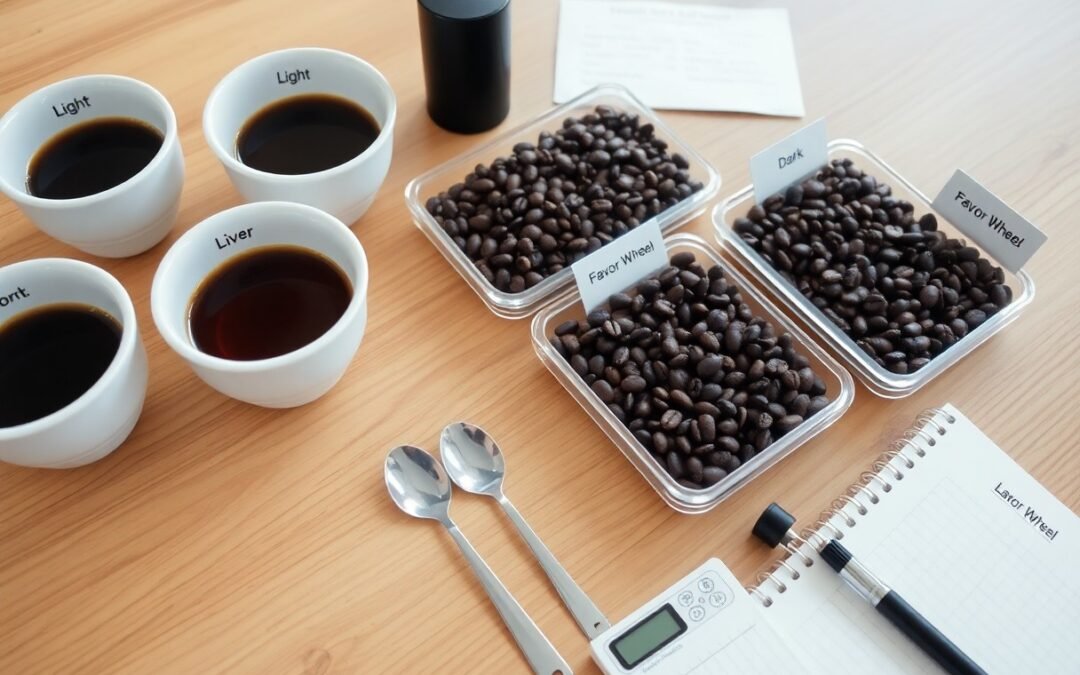
Over time, you develop a clear sense of how origin, roast, and bean ratios shape your house blend’s acidity, body, and aroma; use sensory notes and simple cupping to assess balance and consistency for every brew.
Key Takeaways:
- House blends combine beans from different origins and roast levels to create a consistent, layered profile; common tasting notes include chocolate, caramel, nut, and citrus depending on the formula.
- Roast level controls acidity and body-lighter roasts highlight origin brightness and floral or fruity notes, darker roasts increase sweetness, toastiness, and perceived weight.
- Brewing variables like grind size, water temperature, and extraction time shape clarity and balance, so small adjustments tune sweetness, bitterness, and mouthfeel.
Defining the House Blend Philosophy
Your house blend should express a clear personality-balanced acidity, consistent sweetness, and a texture that matches your service style. You refine origins and roast so customers recognize the cup across formats and baristas.
Blends unify single-origin variability and customer expectations, giving you room to adjust seasonally without losing identity. You aim for an approachable core flavor with subtle complexity that rewards repeat tasting.
Establishing a Signature Brand Identity
Crafting a signature identity asks you to translate tasting notes into brand touchpoints-packaging, menu language, and staff training. You maintain consistent descriptors so team and patrons share the same flavor vocabulary.
Customers rely on that clarity at the counter, and you reinforce trust by matching visual cues to the cup. You standardize brewing guidelines to protect the profile across locations.
The Goal of Year-Round Consistency
Seasonal harvests challenge your base recipe, so you design margins for acidity and body that keep the cup familiar. You track origin shifts and tweak proportions rather than overhaul the blend.
Roasters advise cupping frequently so you can quantify subtle swings and set roast curves that compensate for bean density or moisture; you document changes so the team reproduces the same sensory outcome.
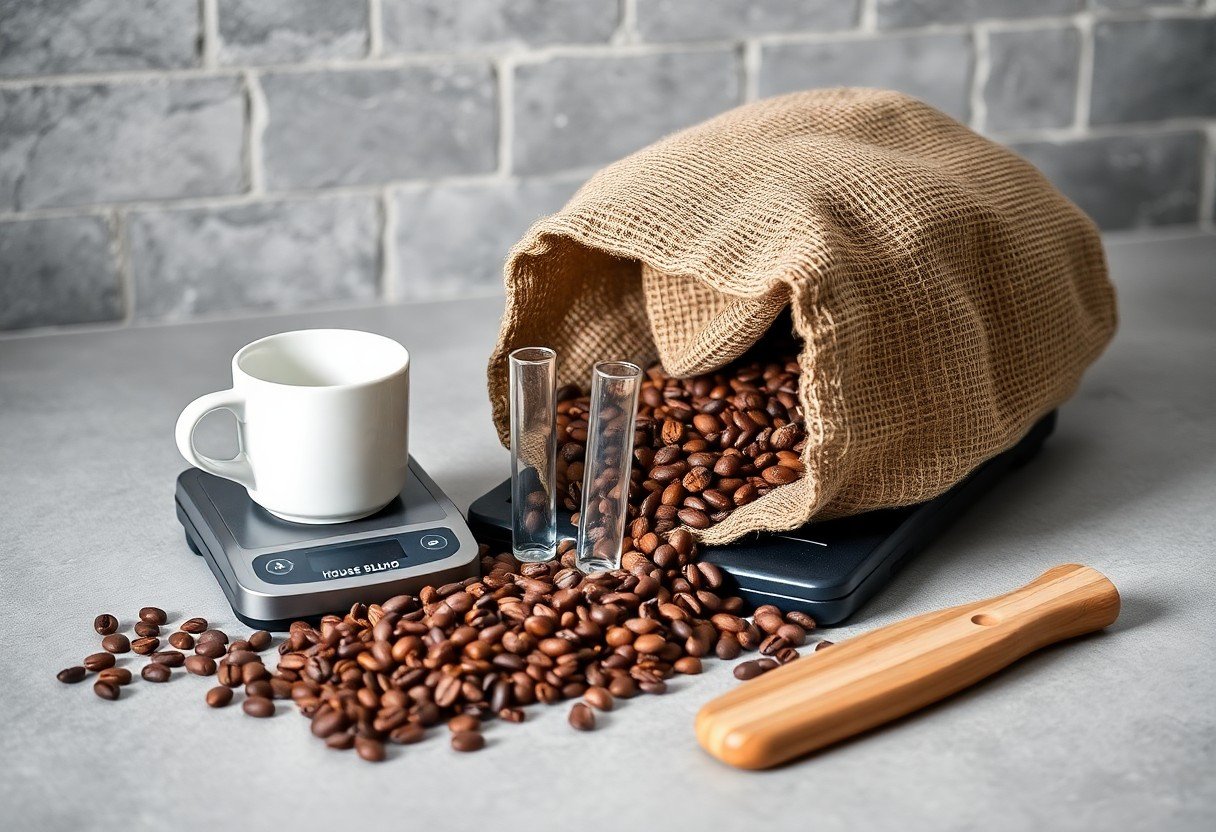
Core Components of the Flavor Profile
You evaluate acidity, sweetness, bitterness and aromatic notes together, noting how roast and origin shape each element so the blend reads as a coherent whole rather than isolated characteristics.
Aroma cues guide you toward floral, fruity, or nutty signatures while finish and aftertaste reveal balance; your tasting notes should connect scent, taste, and persistence to refine the house profile.
Balancing Acidity and Bitterness
Acidity provides brightness while bitterness anchors the cup, and you manipulate roast level, particle size, and extraction to temper extremes and highlight desirable interplay.
Roast degree alters perceived acidity and bitterness, so you sample systematic roast points and adjust brew variables to preserve clarity without introducing sharp or astringent notes.
Developing Body and Mouthfeel
Texture determines how the blend feels on your palate, and you craft it through bean selection, roast development, and brew concentration to achieve anything from delicate to syrupy weight.
Concentration controls perceived body, so you measure dose and total dissolved solids while tuning grind and brew time to support flavor without creating a heavy or thin sensation.
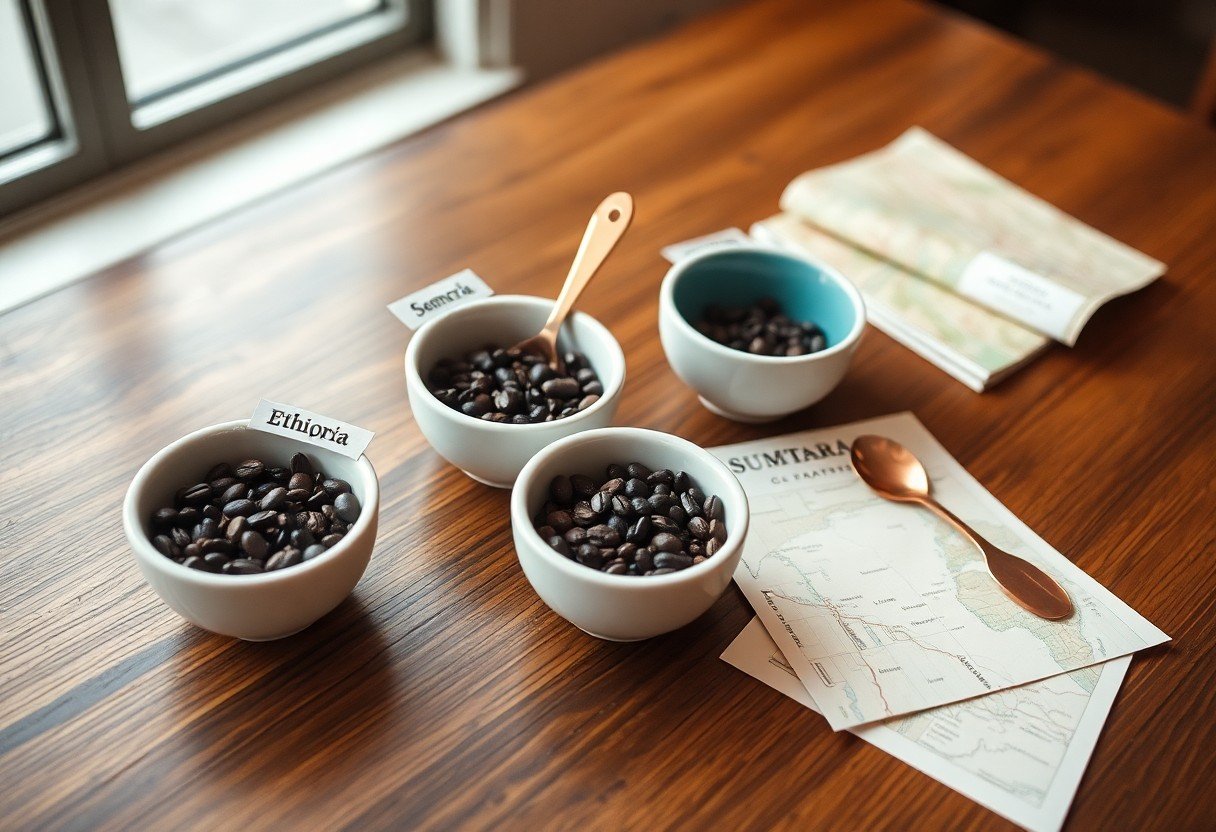
Regional Contributions to the Blend
Blends layer origin traits so you can taste how acidity, sweetness and body interact to shape the cup’s overall direction.
Latin American Foundations for Sweetness
Brazilian and Colombian lots give you a clean, nutty sweetness and medium body that stabilizes the blend’s base.
Central American coffees add citrus-brightness and caramel notes that help you balance darker components while maintaining clarity.
African and Asian Accents for Complexity
Ethiopian heirloom varieties contribute floral aromatics and vibrant acidity that help you lift the blend’s top notes.
Sumatran and Vietnamese beans provide earthier tones, low acidity and heavy body that let you anchor brighter origins.
Kenyan profiles often add blackberry-like sweetness and high acidity, which you can use sparingly to spark complexity without overwhelming the base.
The Role of the Roast Profile
Roasting determines how origin flavors, acidity, body, and aromatics present in your cup, so you choose levels that support the blend’s purpose. You can coax brighter notes or muted chocolate tones by adjusting time and end temperature to suit your house profile.
Degree of roast influences sweetness and bitterness; you judge where development stops to preserve desired brightness while avoiding burnt flavors. You should track first and second crack and log roast curves to reproduce consistent results across batches.
Maillard Reaction and Caramelization
Maillard reaction creates complex savory and nutty compounds that form the backbone of your blend’s mid-palate, so you protect this window by controlling dry and Maillard phases during roast. You monitor color and aroma to time development precisely.
Caramelization of sugars delivers perceived sweetness and body, which you can enhance with slightly longer development after first crack without pushing into ashy notes. You calibrate heat application to balance sugar breakdown and preserve origin sweetness.
Precision Roasting for Uniformity
Control of heat ramp and airflow ensures each bean in your batch reaches the same development, allowing you to present a uniform cup to customers. You rely on consistent charge weights and repeatable profiles to minimize roast variability.
Consistency in roast translates to predictable flavor so you can maintain brand expectations; you sample regularly and adjust profiles when bean lots shift. You implement QC checks like cupping scores and color strips to verify repeatability.
Thermal sensors and data logging let you refine stage-specific adjustments, enabling you to correct small differences between roasts and achieve tighter control over sweetness, acidity, and body. You use that data to train operators and lock in parameters.
Primary Tasting Notes in House Blends
You can identify a steady sweetness and medium body that form the blend’s backbone, allowing origin-specific notes to appear without overpowering the cup.
Balanced acidity frames the profile so you can trace cocoa, toasted nuts, and subtle fruit across varying brew methods.
Chocolate and Nutty Undertones
Chocolate tones range from milk cocoa to darker cacao, and you’ll notice them in the aroma, mid-palate weight, and lingering finish.
Nutty accents-almond, hazelnut, or light walnut-round out the middle, giving you a creamy texture that complements chocolate notes during tasting.
Subtle Citrus and Floral Highlights
Bright citrus lifts the cup with clean acidity, so you can perceive lemon or orange peel as a refined counterpoint to richer elements.
Delicate floral hints, like jasmine or orange blossom, appear on the aftertaste and reward you when brewing highlights clarity and balance.
Aromatic citrus and floral notes respond to roast level and extraction; you can coax them forward by using slightly cooler water and gentler pours to let acidity and perfume emerge.
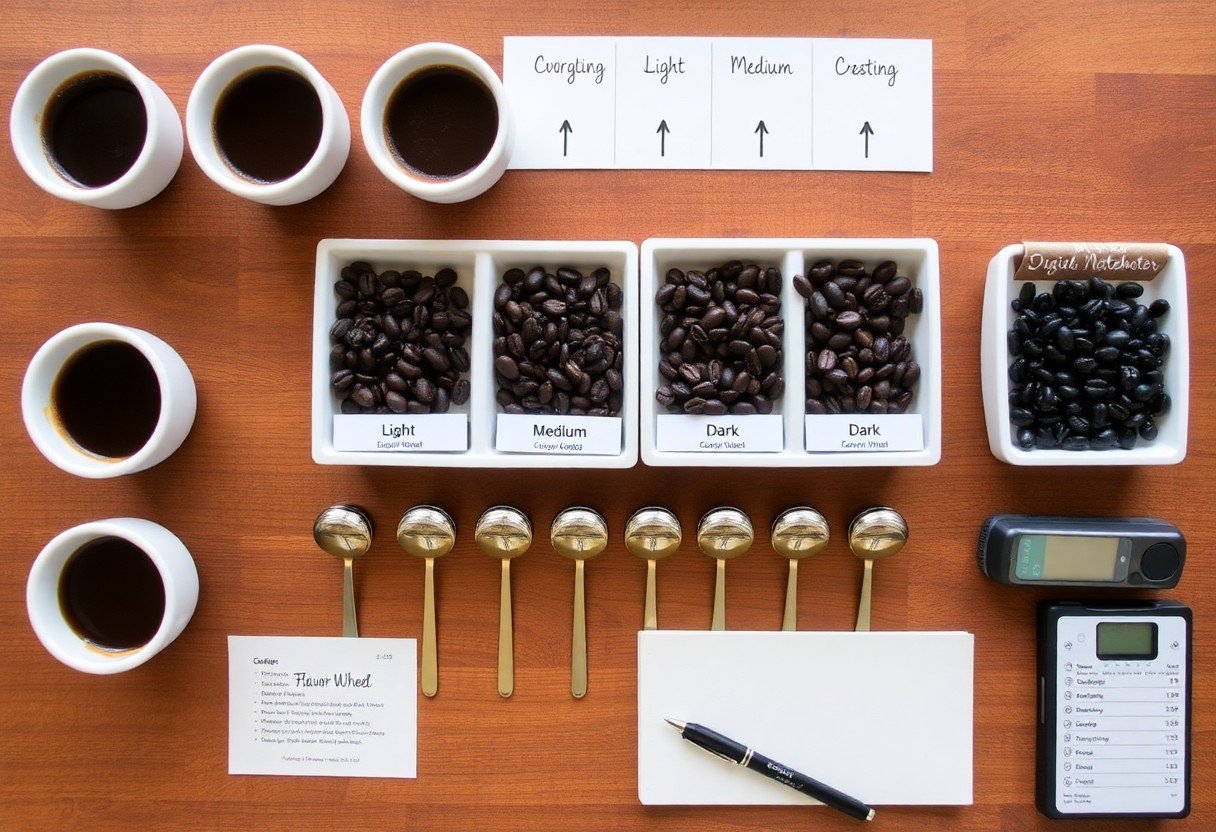
Factors Influencing Flavor Perception
Sensory cues like aroma, acidity, body and aftertaste shape how you perceive your house blend, and small shifts in any of these elements change tasting notes you detect.
- Origin and varietal makeup
- Roast degree and profile
- Bean freshness and storage
- Grind size and consistency
- Brew method, ratio and temperature
- Water quality and mineral content
- Serving temperature and additives
Consider how environment, palate conditioning and tasting order influence the prominence of specific flavors you expect from the blend. This clarifies why standardized tastings help you evaluate the blend more objectively.
Bean Freshness and Storage Protocols
Store whole beans in an opaque, airtight container at cool room temperature and away from moisture; grind just before brewing so you preserve volatile aromatics that define your cup.
Extraction Variables and Brewing Methods
Grind size, dose and contact time govern extraction yield, so you tweak them to balance sweetness, acidity and bitterness to match the flavor profile you want to highlight.
Adjust water temperature and agitation to favor clarity or body; small changes shift perceived acidity and can bring origin characteristics or roast-driven notes forward in the cup you serve.
To wrap up
As a reminder, you assess a house blend by tasting its balance of acidity, body, sweetness and roast notes, noting fruit, chocolate, nut or spice characteristics to define its flavor profile.
You then adjust grind, dose and extraction to emphasize preferred notes and judge consistency across batches so you can select or refine a blend that fits your palate.
FAQ
Q: What does the phrase “flavor profile” mean for a house blend coffee?
A: The flavor profile describes the combined sensory characteristics of the blend, including acidity, sweetness, bitterness, body, aroma, and aftertaste. It summarizes prominent tasting notes such as chocolate, caramel, citrus, berry, or floral elements and how those notes interact, creating balance or contrast. Producers use the profile to communicate what drinkers should expect from a cup and to guide consistent roasting and brewing decisions.
Q: Which tasting notes are commonly found in house blends and why?
A: Common tasting notes for house blends include chocolate, caramel, nutty, stone fruit, citrus, and mild floral tones. Roast level, bean origins, and the proportion of each origin in the blend determine which notes dominate; for example, Brazilian beans often contribute chocolate and nuttiness while Ethiopian beans add fruit and floral brightness. Blenders aim to combine complementary notes so the overall cup feels balanced and approachable for a wide range of palates.
Q: How do the origins of beans influence a house blend’s flavor profile?
A: Beans from different regions carry distinct intrinsic flavors tied to soil, altitude, and processing methods. Central American and Colombian beans typically provide clean acidity and bright citrus or apple notes, Brazilian and Indonesian beans supply heavier body and chocolate or earthy tones, and East African beans bring vibrant fruit and floral qualities. Blenders combine origins to create a desired interplay of brightness, sweetness, and body that defines the house blend.
Q: In what ways does roast level change the perceived flavor of a house blend?
A: Roast level shifts the balance of flavors by altering chemical compounds in the bean. Light roasts preserve origin character, highlighting acidity, floral, and fruity notes. Medium roasts increase sweetness and caramelization, producing balanced acidity with more pronounced chocolate or toffee notes. Dark roasts reduce acidity and emphasize bitter, smoky, or roast-forward flavors, often smoothing origin distinctions but increasing perceived body.
Q: How do roasters design a house blend to achieve a consistent flavor profile?
A: Roasters define target tasting goals, select complementary origins, and set precise ratios to hit those goals. They develop a repeatable roast profile for each component, test small-batch blends, and adjust proportions or roast curves until the desired balance of acidity, sweetness, body, and aftertaste is reached. Quality control through batch tasting and record-keeping ensures the blend remains consistent across production runs.
Q: What is the best way to taste and evaluate a house blend to understand its profile?
A: Start by smelling the dry beans and freshly ground coffee to capture aromatic cues. Brew a clean cup using a neutral method such as pour-over, taste while warm, and note acidity (brightness), body (mouthfeel), sweetness, bitterness, and aftertaste. Use short, deliberate sips or slurps to aerate the coffee and spread flavors across the palate, then write down dominant notes and any changes as the cup cools to map the blend’s full profile.
Q: How should house blend beans be stored to preserve their flavor profile and freshness?
A: Store whole-bean coffee in an airtight container in a cool, dark place away from heat, moisture, and strong odors to slow staling. Buy beans in quantities you will use within two to four weeks after roast for optimal flavor, and grind immediately before brewing to preserve volatile aromatics. Freezing can be used for long-term storage in sealed portions, but repeated thawing and refreezing will degrade quality.