
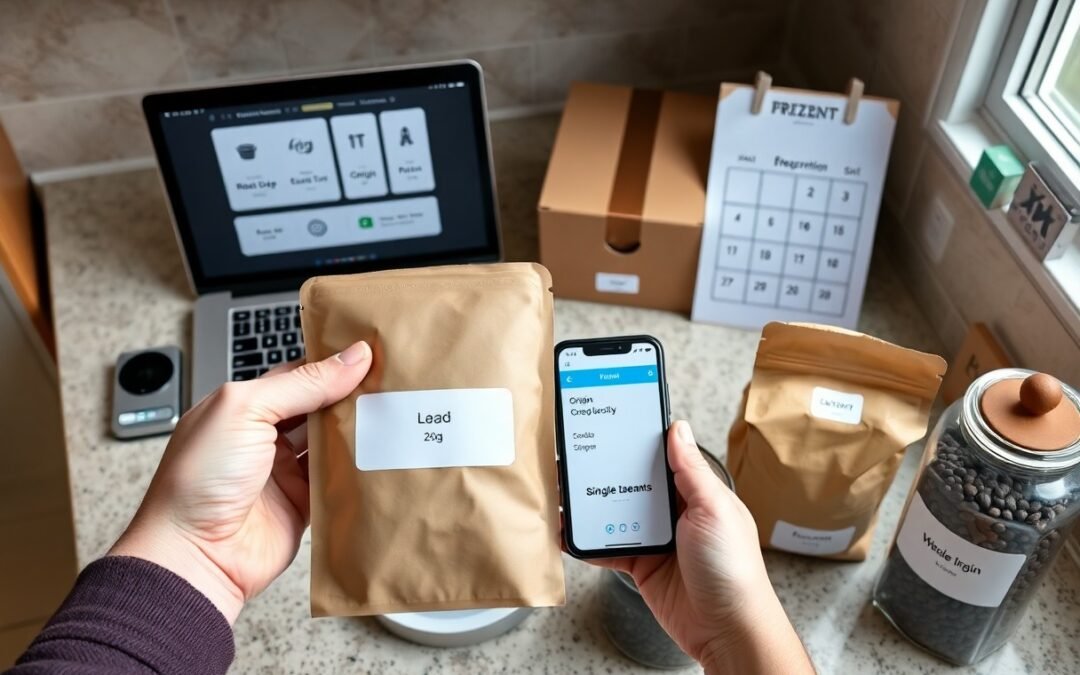
Guide: You should check roast date, origin, flavor profile, grind options, subscription flexibility, delivery frequency, price per ounce, sample packs, and ethical sourcing to ensure value and consistent freshness before you sign up.
Key Takeaways:
- Check roast date and shipping window to ensure beans arrive within 1-2 weeks of roast for peak flavor.
- Inspect grind options, delivery frequency, and pause/cancel policies so the plan matches your brew method and consumption rate.
- Compare origin transparency, tasting notes, sample or swap options, and total cost (including shipping) to judge quality and value.
Assessing Bean Quality and Sourcing Ethics
Quality should be clear from roast dates, cupping notes, and processing details so you can judge freshness and expected flavor before subscribing.
Ethics around sourcing should inform your choice; you want traceability, fair compensation, and environmental practices, so check certifications and supplier transparency.
Direct Trade and Producer Transparency
Direct trade listings should tell you who grew the beans, the relationship terms, and premiums paid so you can support equitable partnerships.
Transparency from roasters helps you verify claims through producer profiles, farm practices, and impact summaries that allow you to assess alignment with your values.
Single-Origin vs. Expertly Crafted Blends
Single-origin selections let you taste terroir and seasonality, so you can explore distinct regional characteristics with each shipment.
Blends provide consistency and layered complexity, giving you a reliable cup when you prefer stable flavor over monthly surprises.
Consider roast level, batch size, and tasting notes when choosing between single-origin clarity and blend harmony, and order smaller bags to test what suits your routine.
Customization and Personalization Features
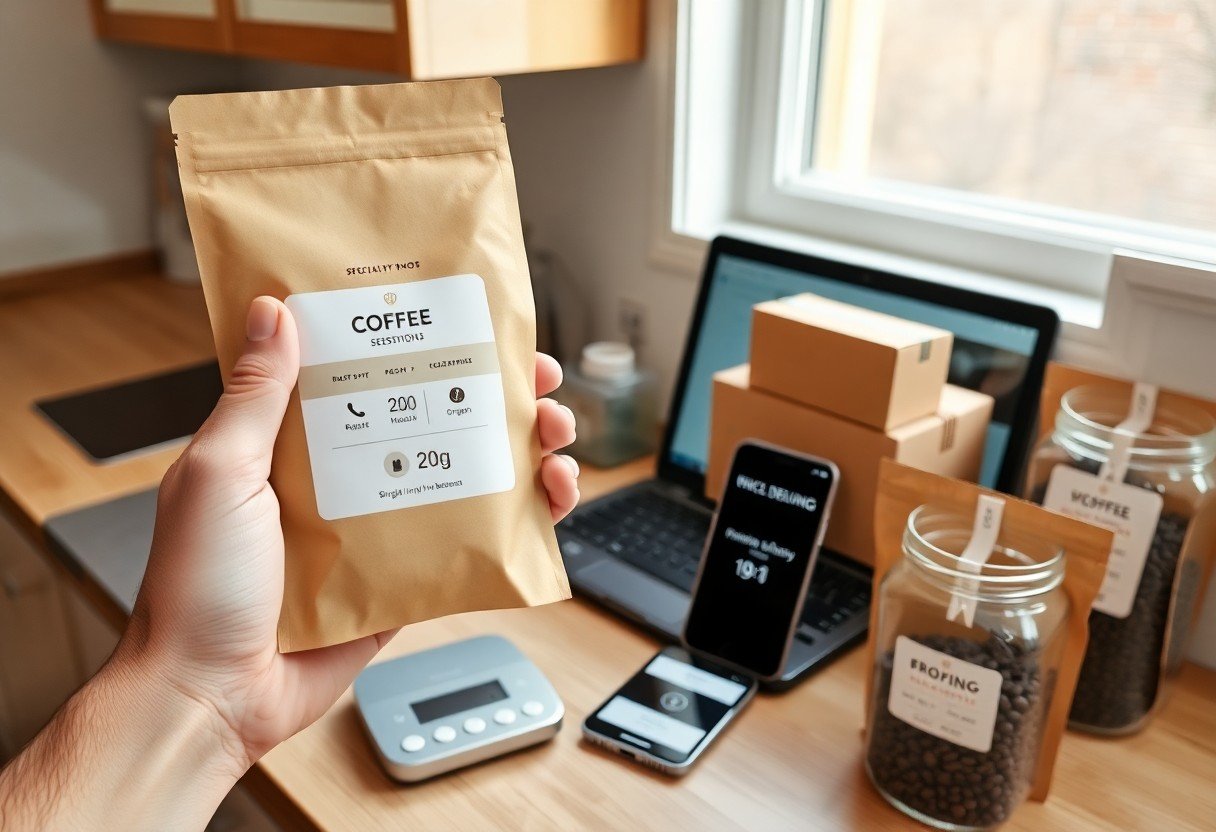
Customization options let you choose shipment frequency, bag size, roast type, and preferred origins so deliveries fit your routine. You can also set skip windows and gift pauses to avoid waste when travel or changes occur.
Subscription interfaces should give you easy control to pause, change grind, and update flavor notes without penalty, plus clear billing and delivery dates so surprises are rare. You want flexibility to scale up for guests and down during quieter months.
Flavor Profile Matching and Taste Quizzes
Taste quizzes and profile sliders let you signal preferences for acidity, sweetness, body, and common notes so recommendations match your palate. You should favor services that refine suggestions over time based on your ratings and skips.
Roast Level and Whole Bean vs. Ground Options
Roast level determines brightness, body, and flavor clarity, so choose subscriptions that let you select light, medium, or dark and adjust per shipment. You can also request origin-specific roasts when you prefer distinct regional character.
Grinding at home preserves freshness, so many subscribers opt for whole beans unless the service offers precise grind sizes for your brew method. You should expect clear guidance on how grind choice impacts extraction and storage life.
Delivery Logistics and Frequency Control
Delivery timing affects freshness and convenience; check roast-to-ship windows, estimated transit days, and whether beans arrive whole or ground so you can schedule usage around peak flavor.
Adjusting subscription frequency and bag size should be quick in your account so you can pause, change cadence, or swap offerings when travel or taste shifts occur.
Flexible Shipping Schedules and Skip Options
Flexible skip and delay options let you skip a delivery or postpone shipments without penalty, preventing waste when you already have a reserve.
Geographic Coverage and Shipping Costs
Coverage maps show whether the roaster ships to your state or country, and whether remote addresses face longer transit that can affect freshness when you open the bag.
Shipping fees, carrier choices, and delivery speed options influence overall cost and whether subscription pricing remains competitive for your address.
Rates can be flat, distance-based, or included in subscription price; compare examples so you can judge true per-cup cost before committing.
Freshness and Packaging Standards
Check roast dates and stated shelf-life so you know how recently beans left the roaster; you should avoid vague labels and favor subscriptions that publish clear ship windows. You can also confirm storage advice to match how you brew and how quickly you consume coffee.
Roast-to-Ship Timelines and Degassing Protocols
Ask whether beans are shipped within days of roasting and if roasters use one-way valves or controlled degassing practices; you want coffee that has released initial CO2 but hasn’t gone stale. You should expect transparent timelines like “shipped within 3 days” and guidance on when to open for peak flavor.
Sustainable and Resealable Packaging Designs
Look for resealable bags with one-way valves and clear material disclosures so you can keep beans fresh and reduce waste; you will appreciate packaging that balances oxygen barrier performance with recyclability. You should also check for takeback or composting options if sustainability matters to you.
Choose subscriptions that explain material trade-offs-multilayer laminates protect flavor but may not be curbside recyclable, while recyclable paper options may need extra inner liners; you can prioritize based on your local recycling services and how long you store opened bags.
Variety and Curation Philosophy
Your subscription should follow a clear curation philosophy so you receive coherent, purposeful selections that match your taste preferences and brewing habits.
Check whether the service balances origin diversity, roast styles, and tasting notes while providing transparent sourcing and roaster commentary so you can make informed choices.
Rotating Multi-Roaster Models vs. Single Roaster Focus
Do you prefer rotating multi-roaster boxes for broad exposure, or single-roaster focus for consistency and deeper exploration of one roaster’s style?
Rotating models introduce you to varied processing methods and regional profiles each month, sharpening your palate and helping you identify favorites.
Exclusive Access to Limited Micro-Lots
Exclusive micro-lot access gives you rare, traceable coffees with clear producer stories and tasting distinctions you won’t find in supermarket beans.
When subscriptions offer seasonal micro-lots, you can taste single-estate nuances and support high-quality producers through small-batch purchases.
Look for detailed harvest dates, processing methods, and crop quantities in the notes so you can judge freshness, rarity, and the likelihood of repeat availability.
Pricing, Value, and Subscription Terms
Pricing should be broken down to show base bag cost, shipping, and any recurring membership fees so you know the true monthly outlay.
Compare the subscription price to local retail or single-bag specials, accounting for grind options, shipping frequency, and any introductory discounts so you can judge value.
Cost-Per-Bag Analysis and Membership Perks
Calculate cost-per-bag by dividing total monthly charges by bags received, and include surcharges for specific grinds or faster shipping so you know what you’ll actually pay.
Examine membership perks like percentage discounts, free shipping thresholds, samples, or exclusive roasts, and decide whether those perks align with how you drink coffee.
Transparency in Cancellation and Trial Policies
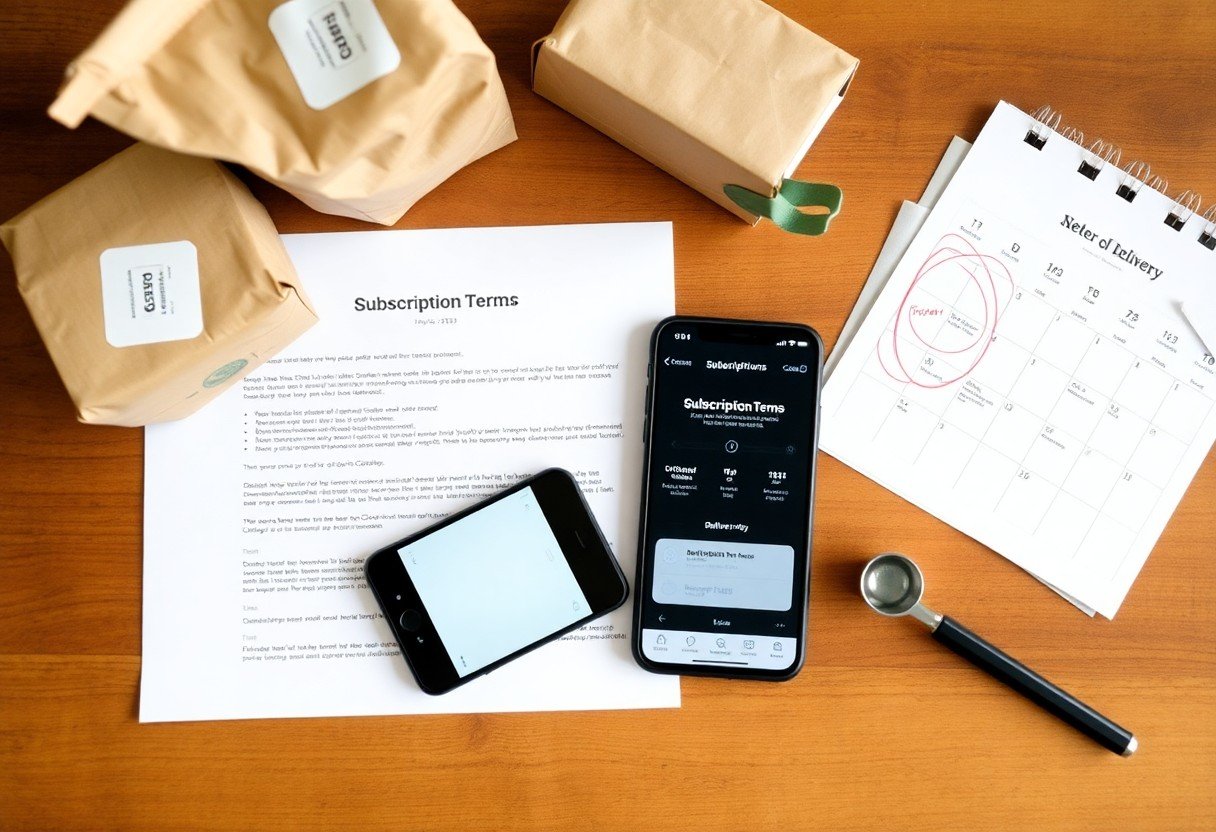
Check cancellation terms, trial periods, and pause policies so you can stop shipments without penalties if a roast misses the mark.
Confirm whether subscriptions auto-renew, require a minimum number of deliveries, or impose restocking fees, and ask how you will receive refunds or confirmations.
Understand trial billing-some services charge full price then refund partial amounts-and save your cancellation confirmations; clear, easy-to-find policies show you where you stand.
Summing up
On the whole you should evaluate roast date, origin transparency, grind options, subscription flexibility, and sample sizes before signing up; check side-by-side options at 11 Best Coffee Subscriptions, Tested & Reviewed (2026) for direct comparisons.
You can focus on freshness, trial offers, and ethical sourcing to ensure the service fits your taste and budget.
FAQ
Q: What should I check about roast date and freshness?
A: Roast date printed on the bag indicates how recently the coffee was roasted. Aim for beans roasted within the past two to four weeks for peak flavor, with whole-bean staying fresher longer than preground. Confirm the seller’s typical ship time so beans don’t sit in transit for weeks.
Q: How much does origin transparency and traceability matter?
A: Clear origin information (country, region, farm or cooperative, processing method) links flavor to source and helps assess quality. Look for microlot or single-origin details if you want distinctive tasting profiles. Check whether the roaster shares crop year, lot numbers, or farmer stories for deeper traceability.
Q: What grind and format options should a good subscription offer?
A: Whole-bean, multiple grind sizes, and grind-on-demand options cover most brew methods and preserve freshness. Verify whether the service allows changes per shipment and whether grind settings match your equipment, from espresso to French press. Confirm portion sizes and bag weight so you receive the right amount for your consumption rate.
Q: How flexible should the subscription terms be?
A: Flexible delivery frequency, easy pause or skip options, and simple cancellation avoid overbuying or waste. Ability to swap beans or adjust quantities each cycle keeps the experience personalized. Check billing frequency and any minimum commitment or automatic renewal policies before signing up.
Q: What should I look for in roast profile descriptions and tasting notes?
A: Clear roast level labels (light/medium/dark), specific tasting notes, and brewing recommendations help match beans to your preferences and gear. Consistent descriptions across shipments indicate quality control at the roaster. Sampler packs or first-order discounts let you test profiles before committing to a full plan.
Q: How important are packaging and sustainability practices?
A: Resealable bags with one-way valves protect freshness while making daily use easier. Sustainable packaging, compostable or recyclable materials, and transparent sourcing practices reduce environmental impact and support ethical supply chains. Evaluate packaging trade-offs between freshness preservation and eco-friendly options.
Q: What customer-service features should I expect before I sign up?
A: Responsive support, clear refund or replacement policies for stale or damaged coffee, and access to brewing guidance improve the subscription experience. Reviews and social proof reveal how the roaster handles issues and special requests. Confirm whether trial sizes or satisfaction guarantees are available to limit your risk.