
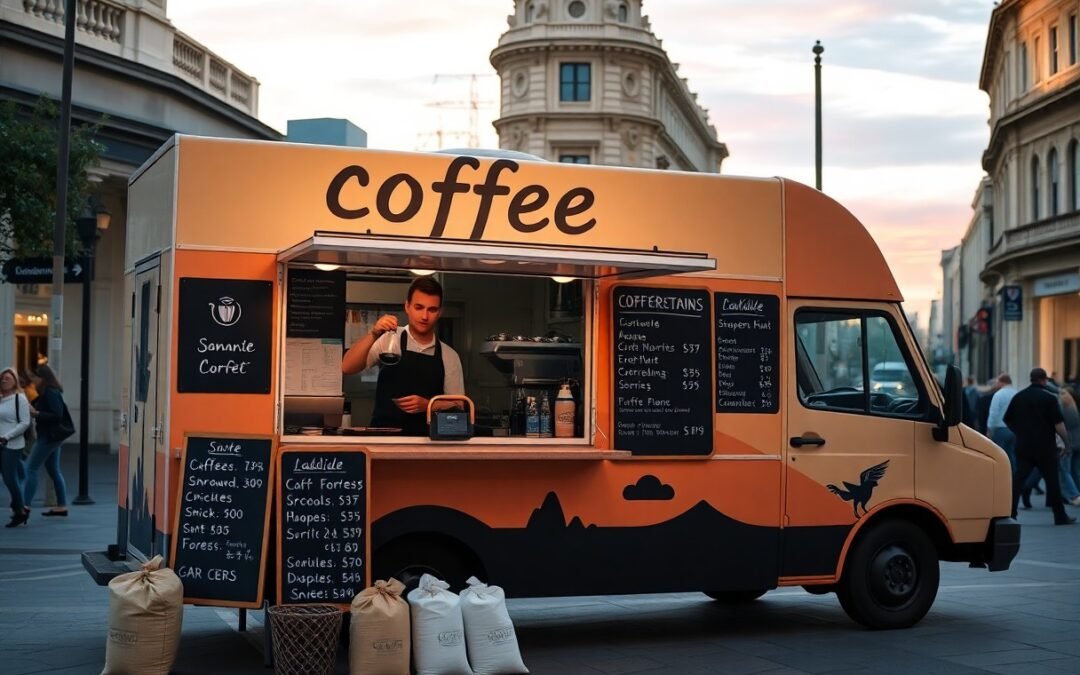
Van selections in Adelaide vary widely, so you should focus on roast quality, barista skill, location convenience and consistent brewing methods to find your ideal morning cup. Check menus, sample single-origin and signature blends, read local reviews, and observe sanitation and equipment; prioritize vans that tailor drinks to your taste and reliably deliver fast, friendly service to make your commute brighter.
Understanding the Coffee Van Scene
You’ll find Adelaide’s mobile coffee scene sits at the intersection of specialty roasting and on-the-go convenience; vans routinely operate from morning markets and commuter hubs to corporate sites and festival precincts. If you’re sourcing a supplier for an event or your weekly office drop, check operators’ portfolios and reviews – for local options consider firms offering tailored setups like Adelaide Mobile Coffee Van Hire.
Many vans use commercial-grade equipment (commonly 2-group espresso machines and multiple grinders), have onboard water and power solutions, and staff 1-3 baristas depending on event size. Expect a peak-service capability in the order of 60-120 drinks per hour from a well-equipped setup, plus the need for permits and limited-site insurance that you’ll want confirmed before booking.
What is a Coffee Van?
A coffee van is a self-contained mobile espresso bar designed to deliver the same drinks you’d get at a café but from a compact vehicle; you’ll see fitted machines, grinders, fridges and service counters optimized for speed and consistency. Operators often stock single-origin and blended beans, a selection of milk alternatives, and POS systems that accept card or contactless payments to keep queues moving.
When you hire one, the package typically includes barista staff, basic disposables, and a set menu (espresso, long blacks, flat whites, lattes, and a few specialty options). Look for details on set-up time, power requirements (generator or mains), minimum spend or guest counts, and whether the van supplies its own water and waste removal – those logistics determine whether the van fits your site and timeline.
Popularity and Trends in Adelaide
Demand in Adelaide has risen sharply at weekend farmers markets, corporate precincts and major events such as the Fringe and sporting fixtures; you’ll notice more bookings over autumn and spring when outdoor events peak. Operators report that corporate morning teas and private functions now make up a large share of weekday work, while weekends remain dominated by markets and pop-ups.
More recently, you’ll spot clear trends: sustainability-focused packaging, local-roaster collaborations, cashless and contactless ordering, and pre-order apps that cut queue time. For budgeting, day rates commonly start in the low hundreds for a small local job and rise to several hundred or more for full-day festival services with multiple staff and expanded menus – so you should request detailed quotes and sample menus to compare value.
How to Choose the Right Coffee Van
You should prioritize vans that match your morning routine: if you need a quick grab-and-go, pick a setup rated for 150-300 cups per morning peak with dual grinders and a heat-exchange or twin-boiler machine to keep queues under 3 minutes. Consider logistical specifics such as power supply (3-phase vs generator), water capacity (100-200L tanks), and peak throughput – a van that lists 80-120 espressos per hour will handle a busy Adelaide CBD breakfast rush.
When you evaluate operators, probe service consistency and staffing: a trained barista averaging 25-30 seconds per shot and milk steamed to 60-65°C delivers repeatable quality, while a second staffer dedicated to order flow cuts queue time by about 40%. Check licencing, insurance amounts (public liability commonly 10M AUD) and evidence of regular equipment servicing to avoid downtime on high-traffic mornings.
Assessing Your Morning Brew Preferences
You should map your flavour habits against van offerings: if you drink milk-based drinks 70% of the time, prioritise vans with calibrated steam wands and experienced milk-texturing staff; if you prefer black coffee, look for manual brew methods like V60 or AeroPress and single-origin options. Consider how many cups you consume – heavy drinkers (3+ cups per morning) benefit from a van that rotates beans quickly to keep roast dates within 7-21 days for espresso and 14-28 days for filter.
Ask about cup sizes and extraction standards: a vendor serving 120-180ml flat whites with 18-20g dose espressos and 25-30s extractions is likely to hit consistent strength and texture, while options like ristretto or lungo let you tune intensity. Test a sample during a trial morning where possible – a 7-10 day pilot at your location gives you data on speed, taste and customer uptake.
| Preference | What to look for |
| Milk-based drinks | Skilled barista, steam consistency, 60-65°C milk |
| Black/filter coffee | Single-origin options, brew methods (V60/AeroPress), roast date 14-28 days |
| Speed-focused | Dual grinders, quick POS, 2-3 staff during peak |
| Dietary options | Multiple milk alternatives, clear allergen labeling |
| Volume needs | Rated throughput 150-300 cups/morning |
- Try a tasting flight: request 3 samples (espresso, flat white, filter) to compare extraction and milk texture
- Request roast dates and sample packaging: fresher is generally better for clarity of flavour
- Any van that can’t provide roast-date info or a quick trial is not ready for a regular morning site
Evaluating Coffee Quality and Types
You should interrogate bean sourcing, roast profiles and on-site handling: look for notes on origin (Ethiopia for fruity clarity, Colombia/Brazil for chocolate and body), certifications (Fairtrade, Organic) and roast dates – for espresso aim for 7-21 days post-roast, for filter 14-28 days. Confirm grinder specs (65-80mm flat or conical burrs) and dosing practices: consistent 18-20g doses with 25-30s extraction produce balanced shots at typical café ratios.
Inspect sample prep and extract analysis: a well-pulled shot yields 25-35ml in 25-30 seconds with crema and tasting notes matching the roast description; tasting across 5-10 repeat shots during a morning trial shows consistency. You can also check water profile: many vans use filtered water with balanced TDS (90-150 ppm) to avoid off-flavours or scale buildup that affects extraction over weeks.
| Coffee Type | Key indicators |
| Espresso | 18-20g dose, 25-30s, pressure ~9 bar |
| Flat white/Latte | Consistent milk texture, 60-65°C, shot ratio 1:2 |
| Filter | Single-origin clarity, roast date 14-28 days, manual brewing |
| Cold brew | 16-20 hour steep, lower acidity, large-batch consistency |
| Decaf | Water or Swiss-process, clarity of flavour comparable to regular |
For more depth, evaluate sample cuppings focusing on acidity, body and aftertaste across 5-7 beans or blends; track which profiles your customers prefer during a two-week sampling period and adjust ordering frequency to keep beans within the optimal freshness window. Include price per 250g and projected weekly usage (e.g., 10-15kg for a busy city spot) when comparing suppliers to balance cost and quality.
- Request a breakdown of bean origin, roast date and recommended brew parameters for each blend
- Ask for references or case studies from similar Adelaide locations showing morning sales and retention
- Any supplier who can’t provide usage forecasts or a short trial should be treated with caution
Key Factors to Consider
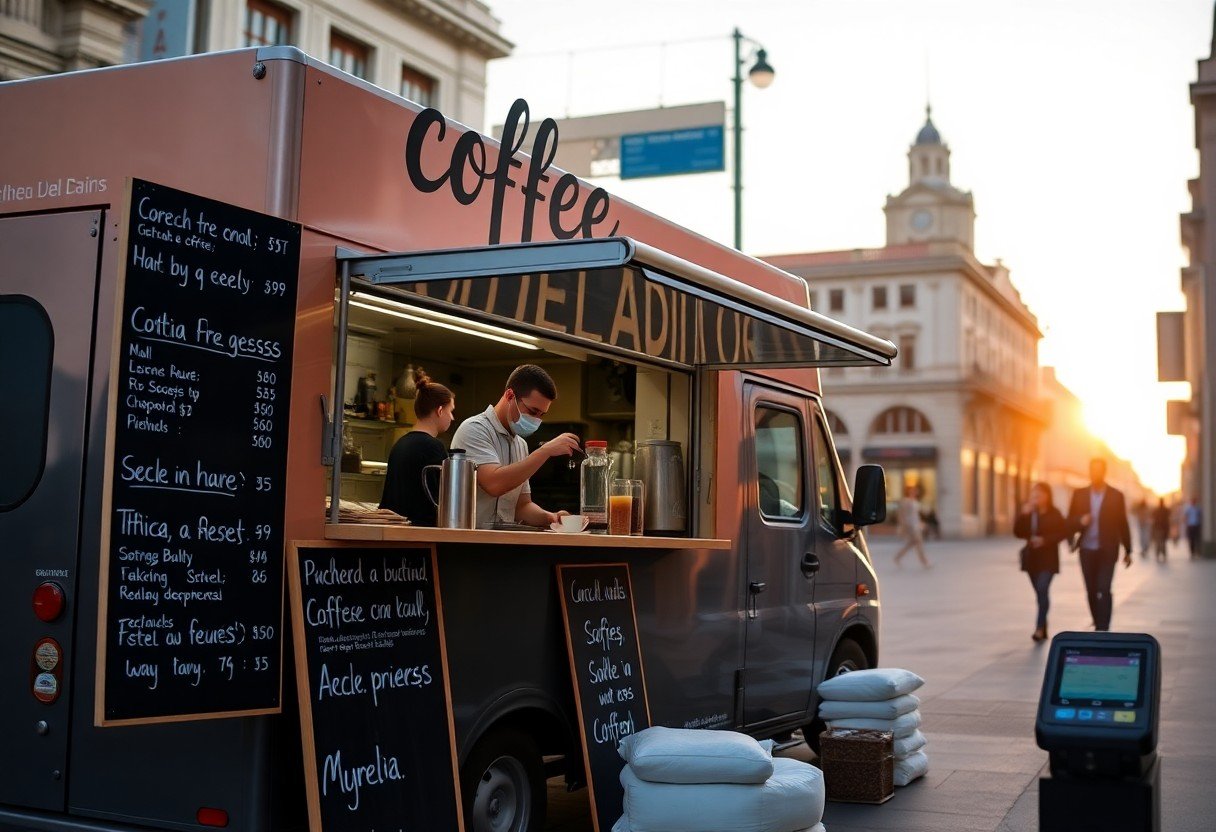
You should prioritize factors that directly affect your daily routine: consistent brew quality, predictable opening times, and the van’s ability to handle morning peak volumes. For example, a van that serves 150-300 coffees between 7-9am on a busy CBD corner is very different from one that averages 30-50 orders across a suburban morning; those volume differences affect wait times, bean freshness, and staff experience.
Compare equipment and supply chains too – bean origin, grinder calibration, milk steaming technique and waste handling all influence the final cup. Investigate licensing, food-safety scores and whether the van uses commercial-grade machines (e.g., 2-group vs. 1-group heads), since commercial machines maintain temperature stability when you need a consistent flat white at 7:15am.
- Location and foot traffic
- Menu variety and specialty options
- Equipment quality and maintenance
- Operating hours and reliability
- Health, safety and licensing
- Pricing structure and value
- Sustainability and packaging
Location and Accessibility
Choose a van positioned within a 5-10 minute walk (roughly 400-800m) of your workplace or commute route to minimize detours; vans on main pedestrian corridors or at transport interchanges typically serve 2-3 times more customers during peak hours. If you rely on fast service, check for queue-management measures like mobile ordering, dedicated express lanes, or pre-pay kiosks – these reduce wait times from 6-12 minutes down to 1-3 minutes in many operations.
Pay attention to parking legality and wheelchair access because they affect both convenience and consistency; vans that move or get ticketed disrupt your routine. Also factor in shelter and seating – a van at a tram stop with nearby seating and shelter will keep your coffee warmer and your wait more comfortable during Adelaide’s unpredictable morning weather.
Pricing and Value for Money
Assess unit prices relative to portion size and quality: in Adelaide you should expect a standard espresso or piccolo to be around $3-$4 and a flat white or latte around $4-$5, with specialty single-origin or seasonal drinks adding $1-2. Evaluate whether the van uses specialty beans (single-origin, roast date within 7-10 days), offers consistent milk texture, and includes extras like Oatly or alternative milks without steep surcharges – those signal better overall value.
Examine price transparency and loyalty options; vans that publish prices and offer a 10-20% discount for pre-orders, subscription rounds, or corporate accounts deliver better long-term value if you buy daily. Look into bundled deals: some vans run a $20 weekly pass or punch cards that reduce your per-cup cost by up to 15% if you visit five times a week.
For events or recurring workplace service, request a clear quote that breaks down per-cup cost, minimum spend, setup fees and barista hours – typical half-day event packages in Adelaide can range from $250-$600 depending on equipment and staff, and negotiating volume discounts (10-25% for large regular orders) is common practice.
Perceiving how these cost and accessibility trade-offs impact your morning efficiency will make selecting the best coffee van straightforward.
Tips for Finding the Best Coffee Van
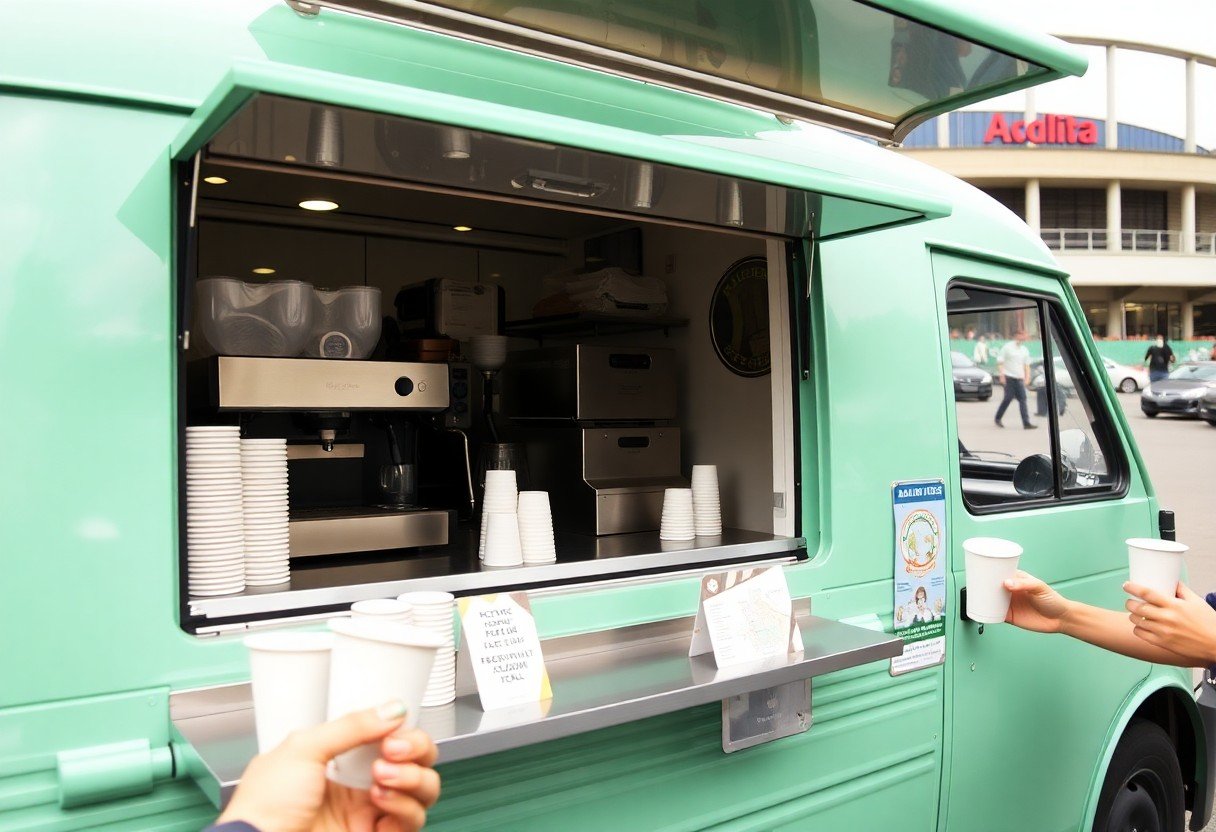
Narrow your shortlist by checking operational details that affect your morning: aim for vans that open by 7:00am if you commute early, advertise a throughput of 30+ coffees per hour or show steady morning queues in photos, and list clear payment options so you won’t be slowed by cash-only setups. You should also sample a few vendors on different days – one-off great shots can be luck, consistent photos and timestamps across 2-4 mornings indicate reliability. Prioritise vans that publish menus with prices ($3.50-$5.00 for a flat white is common in Adelaide) and note whether they highlight bean origin or machine brand (e.g., La Marzocco or ECM) as an indicator of equipment quality.
- Check opening times and peak-hours coverage (look for 6:30-9:00am service if you need early coffee).
- Confirm payment methods-card and contactless speed up service during rush periods.
- Look for menu transparency: prices, milk alternatives, decaf and cup options.
- Observe on-site workflow: one barista with a long queue means slower service than two baristas with the same demand.
- Test order consistency by buying the same drink on two separate mornings before committing.
Any trial visits and quick checks of menus, payment options and morning photos will help you pick a van that fits your routine.
Utilizing Social Media and Reviews
You should use Google Maps, Instagram and Facebook as primary vetting tools: filter for vans with a Google rating of 4.5+ and at least 30-50 reviews, scan Instagram stories for morning timestamps and “queue” photos, and check Facebook pages for pinned menus and updated opening hours. Pay particular attention to the most recent 20 reviews – if multiple reviewers mention late starts or inconsistent milk texture, that’s a pattern worth avoiding. Use Google’s “popular times” and recent photos to gauge real-world morning traffic around CBD, North Adelaide or Glenelg locations.
When reading reviews, look beyond star scores and search for specific keywords like “consistent,” “quick service,” “strong espresso,” or “takes cards.” You should also note owner responses: a van that publicly addresses complaints and explains fixes (e.g., new grinder installed, changed supplier) shows operational transparency. If photos repeatedly show up-to-date equipment and tamping technique or branded bags indicating roast dates, you can reasonably expect better extraction and reproducible flavour.
Asking for Recommendations
Tap into your network first: ask colleagues, building reception staff, or other commuters for names and specifics – not just “which van,” but “what time they open, typical queue length, and whether they accept cards.” You should solicit at least 5 responses in your local circle; if two or more people independently name the same van for being quick and consistent, that’s a strong signal. Also check workplace channels or local Slack/WhatsApp groups where people share daily coffee runs and short-term changes.
Broaden the search by posting a concise request in local community forums or neighbourhood Facebook groups: include your suburb, earliest acceptable pickup time, and any dietary needs (e.g., oat/soy availability). Ask for practical details like price range, whether the van uses single-origin or blend beans, and average wait times during 7:00-9:00am school/work rushes to avoid surprises on your first visit.
When you ask for recommendations, use a short script: “Looking for a reliable coffee van near [suburb] that opens by 7am, accepts cards, serves dairy-free milks and has queues under 10 minutes – any suggestions?”
Sampling and Testing Coffee Vans
Importance of a Taste Test
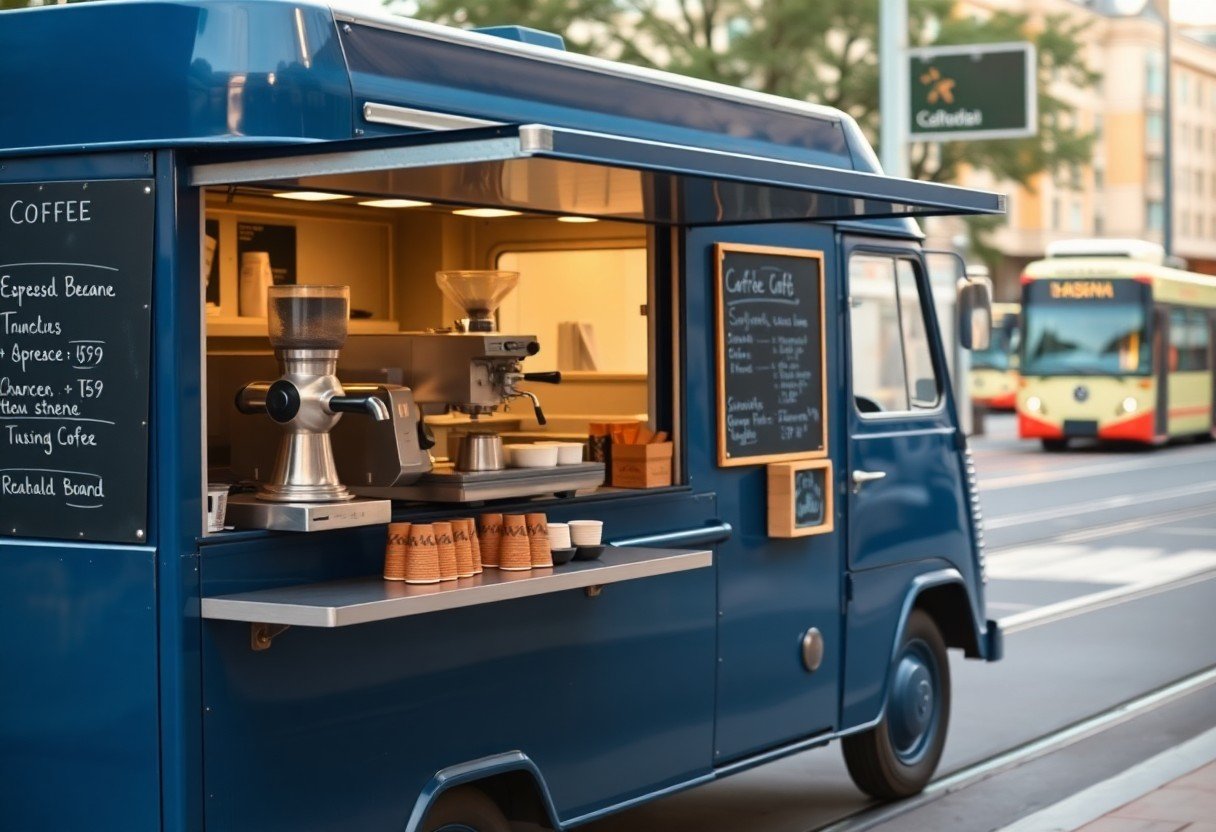
When you taste a van’s coffee, focus on measurable signs of quality: for espresso check dose (commonly 18-20 g), yield (about 36-40 g), extraction time (25-35 seconds) and water temperature (around 92-94°C). Assess aroma, acidity, body and aftertaste, then compare how a single-origin shot behaves versus the house blend; many vans dial blends for milk-based drinks while keeping single-origins bright when served black. Ask for both an espresso and a milk-based version (flat white at roughly 60-65°C) so you can judge how the bean’s sweetness and acidity stand up when steamed milk is added.
Run simple, repeatable tests across at least three visits spaced over a week to gauge consistency – score each visit on a 1-10 scale for flavour, temperature and service, and note variation; acceptable daily variation for a reliable van is usually under one point on that scale. You can also request a side‑by‑side tasting (many operators will offer a small tasting surcharge of $1-$3) or bring two colleagues to compare impressions; consistency across baristas and opening times is as informative as a single excellent shot.
Building a Relationship with Vendors
Introduce yourself as a regular and be specific with feedback: tell the barista whether you prefer a slightly tighter extraction, a finer grind, or a cooler milk temperature, and record their adjustments so you get the same profile next visit. Sign up to their mailing list, follow them on social, and ask directly about roast dates and bean origins – vendors often reserve seasonal lots or small-batch roasts for customers who show consistent interest.
Negotiate practical perks that reflect regular trade: many vans will offer a 5-10% discount, a loyalty punch card, or priority booking for events when you commit to a weekly order or pre-orders for office mornings; typical minimums for private bookings sit between about $200 and $600, so clarify volumes and lead time early. You’ll also get quicker service, custom drink profiles and early access to new beans when you establish a predictable relationship.
Keep a short preference log (barista name, grind setting, drink temp) and tip when the vendor accommodates special requests; if you organise a trial office run, book 20-50 coffees to test flow and ask for a written quote outlining set-up time, staff numbers and any minimum spend – that level of specificity makes future bookings and bespoke service straightforward.
Making the Final Decision
At this stage you should translate your research into a simple scoring system: rate each van on brew quality, punctuality, speed of service and value, then weight those scores to match your priorities (for example, brew quality 50%, punctuality 30%, speed 20%). Use a 0-10 scale so a van that scores 8.5+ overall stands out; if two vans are within 0.5 points, favor the one with better morning punctuality and lower variance in repeat visits.
Next, run a short field test over three weekday mornings: order an espresso and a milk-based drink on each visit and log extraction time, temperature consistency and wait time. A reliable van will pull shots consistently in the 25-30 second range at standard espresso pressure and serve 90% of customers within two to four minutes during the 7:00-9:00 peak window; if a van meets those benchmarks and you like the flavour, it’s a strong candidate for your daily pick.
Weighing Your Options
Create a compact comparison sheet with columns for taste, consistency, opening time, average wait, price per cup and sustainability practices, then score and rank. For an everyday choice you might set minimum thresholds – taste ≥8, opening time ≤7:15am, average wait ≤4 minutes – and eliminate any van that fails two or more thresholds.
Balance trade-offs by quantifying what you accept: specialty single-origin shots that add $1.20 per cup may be worth it if they hit flavour notes you prefer, but if you need speed assign higher weight to service time. For example, if Van A serves 150-200 customers between 7:00-9:00 with a 2-3 minute queue and Van B offers slower pour-overs at 7:30 but superior single-origin clarity, decide whether your weekday priority is throughput or craft.
Ensuring Consistency in Quality
You should look for operational signals that predict repeatable quality: visible grinder calibration, a clean group head, clearly timed shots and baristas who can explain their espresso ratio (commonly 1:2) and extraction window. Consistency shows up as similar crema, temperature and flavour profiles across multiple visits – if the same espresso tastes within the same flavour band 8 out of 10 times, that denotes reliable execution.
Ask practical questions to confirm consistency: how often do they change roast batches (ideally within 7-14 days of roasting), how frequently they service grinders (many pros adjust burrs weekly or every ~1,000 shots), and whether baristas follow a written recipe for pressure, dose and milk temperature. A van that tracks roast dates and posts an espresso recipe is far more likely to give you the same cup every morning.
As an extra check, use a four-week audit: visit twice weekly, note any deviations in extraction time, milk texture and wait time, then discuss findings with the operator – if you see less than 15% variance in shot times and consistent milk steaming over the month, you can be confident the van will hold up as your regular morning source.
Summing up
Hence you can confidently narrow the field by prioritizing consistent brew quality, menu variety, equipment reliability and vendor flexibility; sample their coffee, check sourcing and barista skills, and verify insurance and punctuality so your morning routine is reliably excellent.
With those priorities set and on-site tastings completed, you’ll be able to choose the Adelaide coffee van that matches your taste, budget and schedule; secure a regular booking, communicate your preferences clearly, and monitor service so your daily brew stays consistently satisfying.