
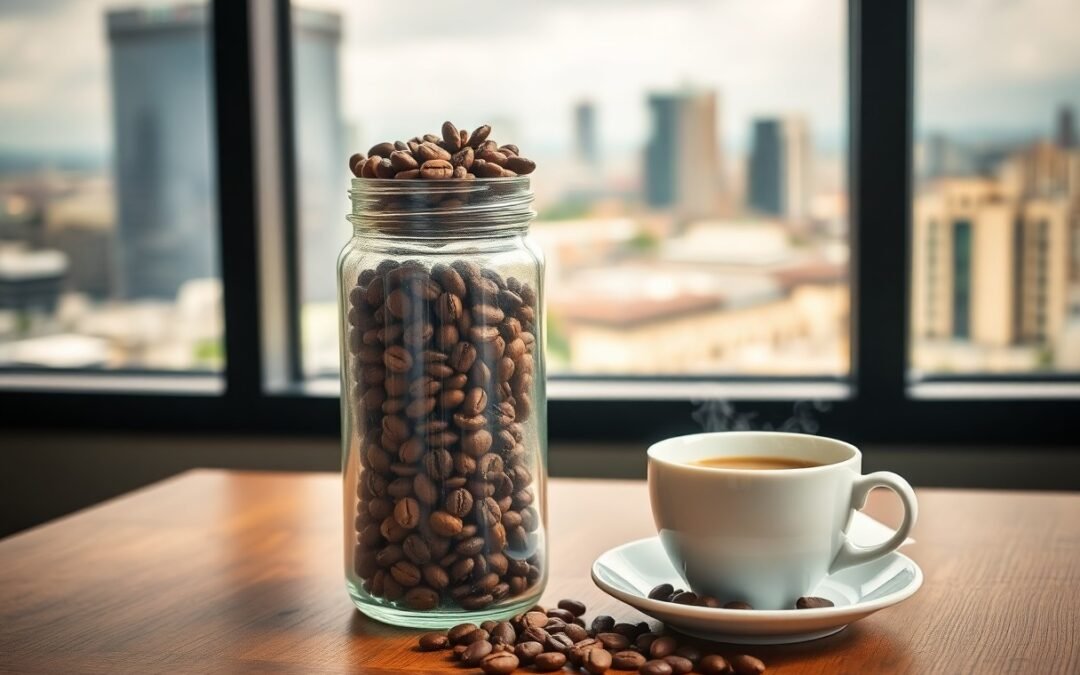
Over time, the appreciation for freshly roasted coffee has transformed your daily routine into a delightful experience. To savor the rich flavors and nuances of coffee from Adelaide suppliers, you need to focus on sourcing beans that are freshly roasted and understanding how brewing methods affect taste. This guide will equip you with practical tips to enhance your coffee enjoyment, ensuring each cup is a moment of indulgence.
Key Takeaways:
- Choose high-quality, freshly roasted beans from local Adelaide suppliers for optimal flavor.
- Experiment with different brewing methods to find the one that best highlights the coffee’s rich taste.
- Store coffee beans in an airtight container, away from light and moisture, to preserve freshness.
Understanding Freshly Roasted Coffee
What Makes Coffee Taste Fresh?
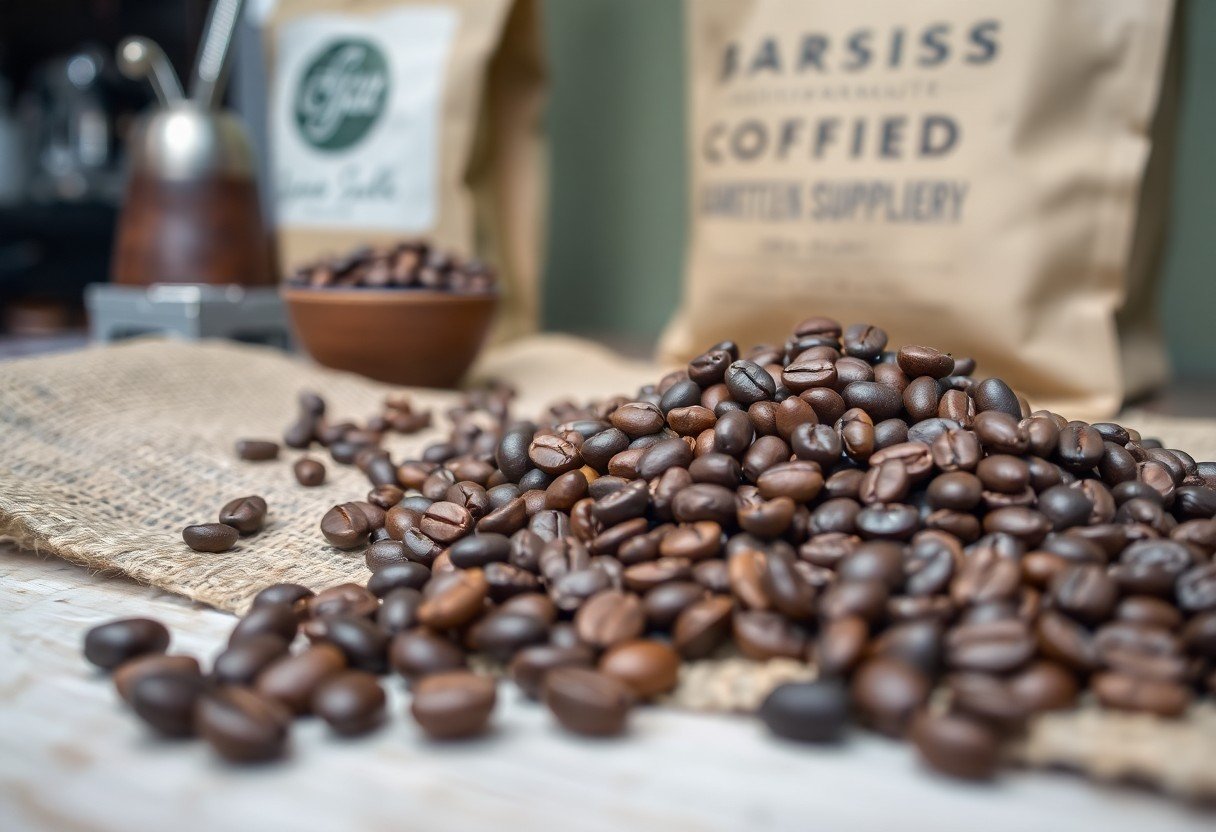
Your experience of freshness in coffee hinges on a few key factors, primarily time and storage. Freshly roasted coffee beans have oils that contribute to their flavor and aroma. These are best enjoyed within two to four weeks of roasting. As time passes, these oils oxidize, leading to a duller taste. To enjoy the vibrant flavors, consider purchasing smaller quantities that you can consume quickly, ensuring that you always have fresh beans at hand.
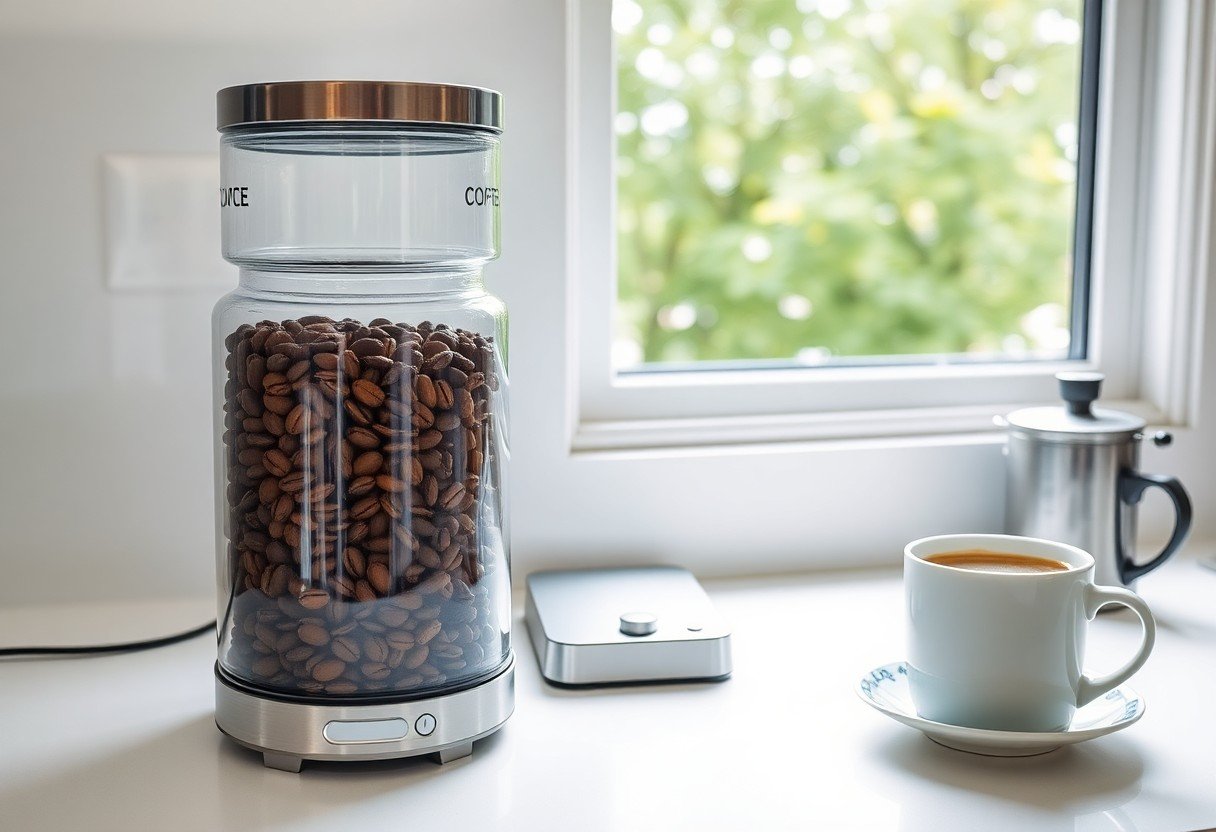
Proper storage also plays an imperative role in maintaining freshness. Store your coffee beans in an airtight container, away from light, heat, and moisture. This not only preserves their flavors but also maintains their aromatic qualities. Using a dedicated coffee canister with a CO2 valve can further protect your beans from oxygen exposure, extending their shelf life significantly while still retaining that rich, fresh profile.
The Importance of Origin and Processing
The origin of your coffee beans significantly influences their flavor characteristics. Different regions produce coffee with distinct profiles due to variations in climate, altitude, and soil conditions. For instance, beans from Ethiopia often exhibit fruity and floral notes, while Colombian coffees might present a nutty and caramel sweetness. To enhance your coffee experience, experiment with beans from diverse origins.
Processing methods are equally important in shaping the final taste of your coffee. The two most common methods, washed and natural, result in markedly different flavor profiles. Washed coffees tend to have a cleaner taste, highlighting acidity, while natural processed coffees often present a heavier body and more pronounced fruitiness. As you explore these methods, you will gain a deeper appreciation for how each factor contributes to your cup.
Diving deeper into the importance of origin and processing can reveal even more nuances. Factors like altitude can affect bean development; for example, higher elevations yield slower-growing coffee cherries, which often translates to greater complexity in flavor. Additionally, exploring small-scale farms and direct trade partnerships can provide you with unique beans that showcase traditional practices and unique, local flavor nuances that mass-produced beans may lack.
Selecting Quality Coffee Beans
Choosing the Right Supplier in Adelaide
When sourcing coffee beans, your choice of supplier significantly impacts the quality of your brew. Local Adelaide suppliers often offer a unique connection to the beans they roast, ensuring a fresher product. Explore options that emphasize direct trade practices, where farmers receive fair compensation, fostering sustainable production. For comprehensive insights, check out The Ultimate Guide to Local Coffee Roasters in Adelaide, highlighting top artisans in your area.
Seek suppliers who prioritize quality over quantity. Engage with them about their sourcing methods, roasting techniques, and commitment to freshness. A reputable supplier is transparent, offering samples to taste before purchase, ensuring that the flavor aligns with your preferences.
Knowing Your Coffee Varietals
Understanding the different coffee varietals is key to selecting beans that suit your palate. Varietals such as Arabica and Robusta each carry distinct flavor profiles and aromas. For instance, Arabica tends to be milder and more complex, often featuring fruity and floral notes, while Robusta is stronger and earthier, with a higher caffeine content.
Familiarizing yourself with lesser-known varietals, such as Geisha or Bourbon, can also enhance your coffee experience. These varietals often come with unique taste characteristics that vary based on their growing conditions and processing methods. Engaging with your supplier can provide deeper insights into which varietal aligns with your taste preferences.
Assessing Roast Levels
The roast level of your coffee beans plays a major role in the overall flavor profile. Light roasts tend to preserve the original flavor characteristics of the bean, showcasing acidity and brightness, while dark roasts offer a bolder, richer taste with less acidity. Knowing your preferred roast level can help you make informed choices for your brews.
Take advantage of tasting sessions or brew demos offered by local suppliers where you can sample varying roast levels. This direct experience helps you identify the roast that best suits your coffee-loving style.
Brewing Techniques for Rich Flavor
Grinding Your Beans for Optimal Taste
For the best flavor, you should always grind your coffee beans just before brewing. Freshly ground beans retain imperative oils and flavors that contribute to a rich cup of coffee. Aim for a consistency that matches your brewing method; for instance, a coarse grind is perfect for French press, while a fine grind works best for espresso. The grind size affects the extraction time, so experiment to find the ideal balance that enhances your coffee’s profile.
Investing in a quality burr grinder is advisable, as it provides a uniform grind compared to blade grinders. Uneven grinds can lead to over-extraction or under-extraction during brewing, compromising flavor. Specific grind settings for different brewing methods can guide you toward perfecting your brew. Use the right grind to unlock the full potential of your Adelaide-sourced beans.
Different Brewing Methods Explained
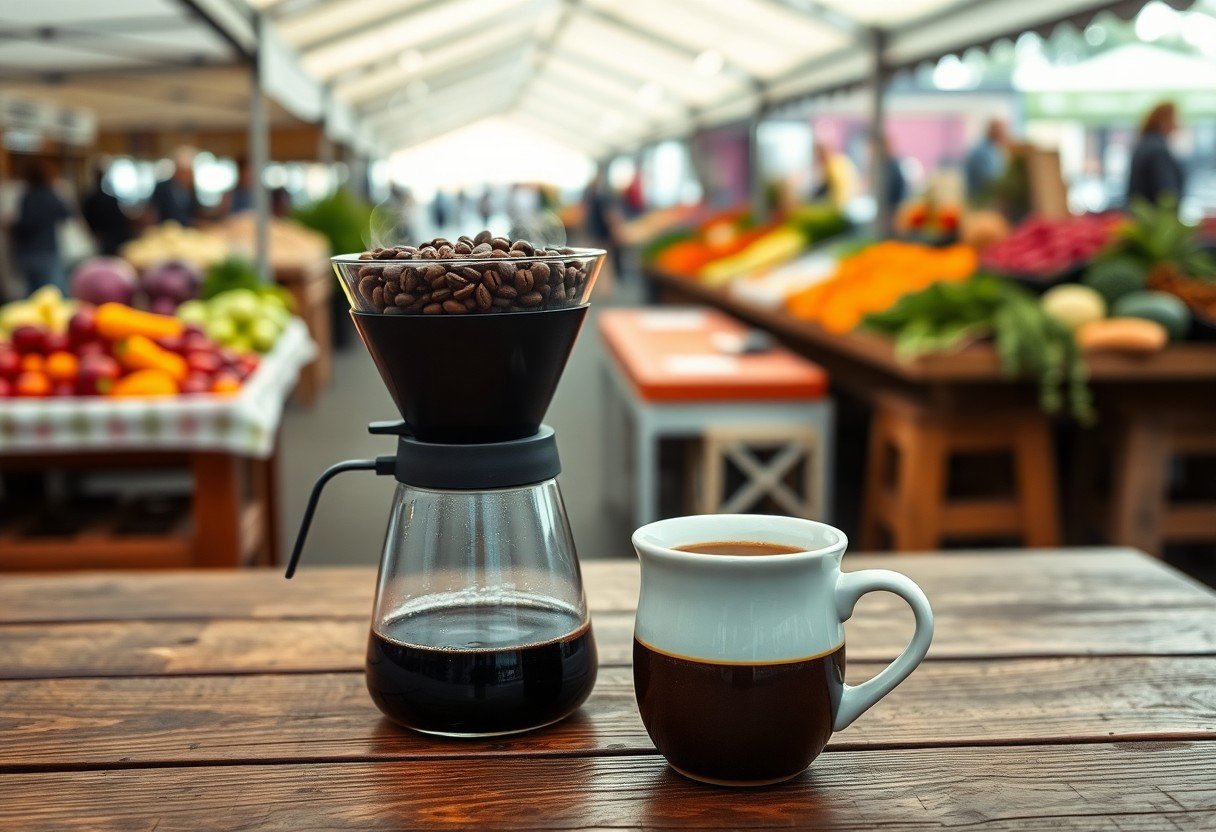
Each brewing method you choose has a unique impact on the flavor profile of your coffee, allowing you to tailor your experience to what you enjoy most. The most common methods include French press, pour-over, espresso, and AeroPress, each offering distinct characteristics. For instance, French press brings out robust flavors through full immersion, while pour-over allows for more control over extraction timing and water flow, resulting in a cleaner taste.
Espresso, known for its concentrated flavor, relies on finely ground beans and high pressure, yielding a thick crema, while AeroPress combines pressure with immersion for versatile brewing. Each method’s brewing time, temperature, and grind size matter significantly, so don’t hesitate to explore and document your preferences as you discover what works best with your freshly roasted beans.
Different brewing methods can significantly impact the flavor and scent of your coffee. Each approach extracts unique characteristics from the beans, resulting in a varied taste experience. For example, the French press enhances body and richness, while the pour-over method emphasizes brightness and clarity. Experimentation will help you find the ideal technique to highlight the nuances of your selected beans.
Water Quality and Temperature Impact
The quality of water used for brewing coffee cannot be overstated. Ideally, you want to use filtered water that is free of impurities or strong chlorine flavors that could taint the taste. Soft water may lead to under-extraction, while overly hard water can yield over-extraction, negatively impacting flavor. As for temperature, the ideal range is between 195°F to 205°F (90°C to 96°C), as hotter water can extract bitter compounds quickly, while cooler water may leave the coffee weak and underwhelming.
To achieve the perfect balance, you should also consider the mineral content of your water. Minerals like magnesium and calcium enhance flavor extraction, while too many dissolved solids can lead to rancidity and off-tasting coffee. You can use water testing kits to ensure your water is suited for brewing.
Water Quality Impact
| Water Quality Factor | Impact on Flavor |
|---|---|
| Chlorine | Can produce undesirable flavors in coffee. |
| Mineral Content | Enhances or detracts from extraction quality. |
| pH Level | Affects bitterness and overall balance of brew. |
Furthermore, control over water temperature can dramatically influence extraction rates. If your brewing water is too hot, you risk over-extracting, leading to a bitter taste. Conversely, water that is too cool may fail to extract the full range of flavors, resulting in a flat brew. Fine-tuning water temperature alongside quality ensures you achieve that rich and flavorful cup of coffee from your freshly roasted beans.
Water Temperature Impact
| Temperature Range | Effect on Extraction |
|---|---|
| 190°F – 195°F | Soft extraction, often underwhelming. |
| 195°F – 205°F | Optimal balance, rich flavor extraction. |
| Above 205°F | Potential for bitterness and harshness. |
Enhancing Your Coffee Experience
The Role of Freshness in Flavor
The full potential of freshly roasted coffee beans lies in their freshness. Beans start to lose their flavor shortly after roasting—typically within two weeks. To truly enjoy the rich taste, source your coffee from reliable Coffee Roaster Culture of Adelaide | Why coffee not tea? suppliers who focus on small-batch roasting. This ensures that you’re not only drinking coffee but also experiencing the unique flavor notes that come from fresh beans.
Additionally, consider the storage of your beans. Tightly sealing them in an airtight container and keeping them in a cool, dark place maximizes their lifespan. Exposure to air, light, and moisture accelerates staleness. Prioritize using your beans within the optimal window, as this simple practice elevates your overall coffee consumption experience.
Pairing Coffee with Food for Maximum Enjoyment
Pairing your coffee with food can elevate the flavors in both. For instance, a fruity Ethiopian brew complements light pastries and desserts, while a bold Colombian coffee works wonderfully with richer, chocolaty treats. The interplay of flavors brings a new depth to your tasting experience, allowing you to savor different notes that might otherwise go unnoticed.
Consider matching the roast level of your coffee with your meal. A light roast goes well with breakfast items like pancakes or fruit, while a dark roast shines alongside grilled meats or spicy dishes. Experimenting with various combinations not only enhances your coffee enjoyment but also broadens your culinary horizons.
Use this knowledge to guide your breakfast or brunch choices. Start with a smooth, light roast paired with a delicate croissant for breakfast. For brunch, try a medium roast with savory quiches or frittatas. The richness and acidity in coffee can enhance the flavors of these foods, while a harmonious pairing will make your meal memorable.
Tips for Storage and Freshness
- Store coffee beans in an airtight container to preserve freshness.
- Keep your beans in a cool, dark place away from sunlight.
- Avoid storing coffee near heat sources like ovens or microwaves.
- Limit exposure to air by only opening the container when necessary.
- Purchase beans in smaller batches to maintain optimal freshness.
Best Practices for Storing Coffee Beans
You should prioritize the storage conditions of your coffee to retain its rich flavors. Using an airtight container is vital, as it prevents oxygen from degrading the beans. Glass jars with rubber seals or vacuum-sealed bags work well. Additionally, keep your coffee away from direct sunlight, which can not only cause oxidation but also lead to flavor loss.
A temperature-controlled environment is ideal. Storing your coffee in a pantry that remains cool and dark will keep it tasting its best. Avoid the refrigerator for long-term storage, as fluctuating temperatures can cause condensation and negatively impact flavor integrity.
Recognizing Signs of Staleness
It’s important to detect staleness in your coffee quickly to ensure you enjoy the best possible cup. Fresh coffee beans should have a vibrant aroma and a lively flavor profile. If you notice a flat or cardboard-like smell, that’s a clear indicator that your beans may have lost their freshness. Additionally, if you find the beans have a dull appearance or are oily, these can be signs of age and staleness.
Lastly, grinding your beans and tasting the brew can reveal a lot about their freshness. If the coffee tastes bland, sour, or overly bitter, it may be past its prime. You’ll find that those flavors once offered by freshly roasted beans are significantly diminished. Thou shall always prioritize freshness to enhance your coffee experience to its fullest potential.
Exploring Local Coffee Culture
Popular Cafés and Roasteries in Adelaide
Your journey into Adelaide’s coffee culture can begin at some of its most renowned cafés and roasteries. For instance, Commodore Coffee in Norwood is celebrated for its artisanal brews and dedication to bean sourcing, often showcasing single-origin blends from various parts of the world. Another local favorite, Gluten Free 4 U, not only serves scrumptious gluten-free treats but also offers a robust coffee selection that pairs perfectly with their baked goods. Discovering these spots not only boosts your coffee palate but also supports local businesses dedicated to quality.
Other noteworthy mentions include Adelaide Coffee Bar, with its minimalist design and a strong focus on direct-sourcing practices from farmers. This café excels in bringing out the distinct flavors of each coffee bean, encouraging you to explore different flavor profiles. Another gem, Elemental Coffee, is known for its innovative brewing methods and sustainable practices, ensuring you not only enjoy great coffee but are part of an eco-friendly movement.
Engaging with the Local Coffee Community
Building connections within Adelaide’s coffee scene enriches your coffee experience. You can participate in local workshops hosted by roasteries that probe into brewing techniques and flavor exploration. Such opportunities allow you to interact with both seasoned baristas and fellow coffee enthusiasts, deepening your understanding of the craft. Joining community events like coffee tasting sessions or brew-offs can make your involvement even more fun and engaging.
Additionally, social media platforms serve as a vibrant hub for Adelaide’s coffee aficionados. You can follow local cafés and roasteries on platforms like Instagram to stay updated on events or special releases. Engaging with posts and sharing your own coffee experiences can foster meaningful relationships with local baristas and fellow coffee lovers, enhancing your overall journey through the rich tapestry of Adelaide’s coffee culture.
Summing Up
Considering all points, enjoying rich-tasting freshly roasted coffee beans from Adelaide suppliers involves a few key practices. First, prioritize sourcing your beans from reputable local suppliers who focus on quality and freshness. This ensures that you get the best flavor profile possible. Once you have your beans, store them correctly in an airtight container away from light and moisture to preserve their full taste potential.
Your brewing method also plays a significant role in the final flavor of your coffee. Choose techniques that highlight the unique characteristics of the beans, whether it’s using a French press, pour-over, or espresso machine. Experimenting with grind sizes and brew times can help you fine-tune your coffee experience. By engaging in these practices, you’ll be able to savor the rich flavors of freshly roasted coffee like never before.
FAQ
Q: How should I store freshly roasted coffee beans from Adelaide suppliers?
A: Store coffee beans in an airtight container in a cool, dark place. Avoid exposure to light, heat, and moisture to maintain freshness.
Q: What is the best brewing method for enjoying rich-tasting coffee?
A: Popular brewing methods include French press, pour-over, and espresso. Each method highlights different flavor profiles, so experiment to find your preferred style.
Q: How long should I let freshly roasted coffee beans rest before brewing?
A: Allow coffee beans to rest for 24 to 48 hours after roasting for optimal flavors to develop before brewing.
Q: What grind size should I use for different brewing methods?
A: Use a coarse grind for French press, medium grind for drip coffee makers, and fine grind for espresso machines to enhance extraction and flavor.
Q: How can I enhance the flavor of my coffee?
A: Experiment with water temperature, coffee-to-water ratio, and brewing time. Additionally, try adding spices or experimenting with different milk alternatives for unique flavor profiles.