

Just envision your dream of launching an eco-friendly mobile cafe that not only serves delicious beverages and snacks but also embraces sustainable practices. In this guide, you will learn practical steps to create a business that minimizes environmental impact while maximizing customer appeal. From sourcing organic ingredients to utilizing renewable energy, you have the opportunity to build a cafe that reflects your values and attracts like-minded patrons. Let’s explore the vital strategies to ensure your mobile cafe thrives sustainably.
Designing Your Eco-Conscious Mobile Cafe
Choosing Sustainable Materials for Your Cafe Design
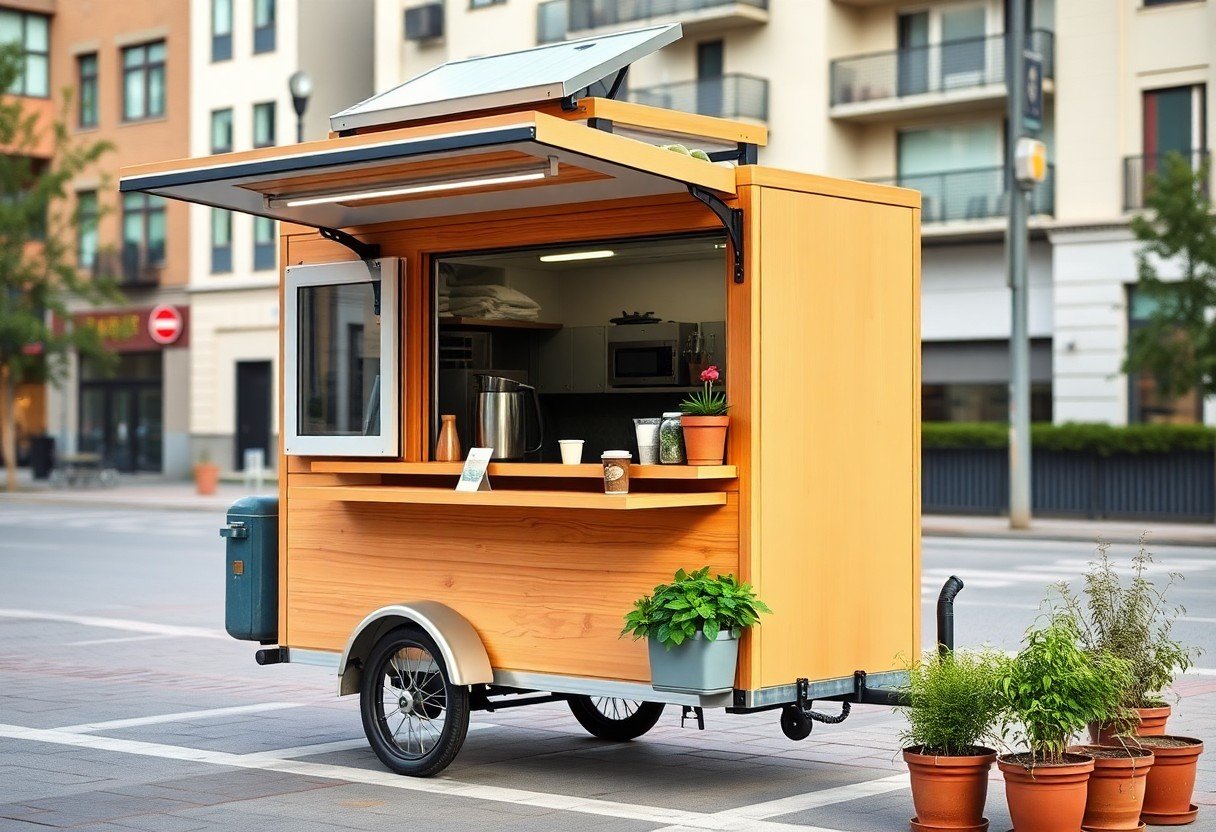
Your choice of materials plays a pivotal role in creating an eco-friendly mobile cafe. Opt for reclaimed wood for your counters and seating, which not only reduces waste but adds unique character to your design. Use non-toxic paints and finishes that comply with environmental standards to minimize harmful emissions. Consider durable materials that resist wear and tear, such as bamboo or recycled metal, which can withstand the rigors of a mobile setup. These sustainable materials not only enhance the aesthetic appeal but also echo your commitment to eco-consciousness.
Optimizing Space for Efficiency and Environment
Efficient space management is crucial in a mobile cafe, where every square inch counts and sustainability must be a priority. Utilize modular furniture that can be rearranged or expanded based on your needs, allowing for flexibility when serving different volumes of customers. An open layout promotes better flow for both staff and customers, which can enhance service speed while minimizing waste. Integrate storage solutions that double as seating or tables, maximizing functionality without sacrificing comfort or design aesthetic.
Incorporate vertical storage to keep the floor area clear and allow for easy movement. Using collapsible equipment or multi-functional tools can not only save space but also reduce energy consumption during operations. Even small adjustments, like choosing a coffee machine with a low power rating, contribute to a more sustainable environment while providing excellent service.
Crafting a Menu with a Green Touch
Sourcing Local and Organic Ingredients
Choosing local and organic ingredients not only supports nearby farmers but also reduces the carbon footprint associated with food transportation. You can partner with local farms to source fresh produce, dairy, and meats; this not only fosters community relationships but also allows you to highlight seasonal offerings on your menu. Consider hosting a “farm-to-cafe” day where customers can meet the farmers and learn about the sourcing process, deepening their connection to your menu items.
Organic ingredients are grown without harmful pesticides and fertilizers, aligning with sustainable practices and benefiting consumer health. When crafting your menu, aim for at least 70% of your ingredients to be organic. This can include items like heritage grains, artisanal cheeses, and seasonal vegetables. Use labels that communicate the sourcing story—customers appreciate transparency and are often more willing to support businesses with sustainable practices.
Creating Vegan and Plant-Based Options
Integrating vegan and plant-based options into your menu caters to a growing demographic focused on health and environmental sustainability. These options typically have a lower carbon footprint compared to traditional meat-based dishes. You can craft meals using legumes, whole grains, and a variety of vegetables, ensuring they are rich in flavor while keeping them nutrient-dense. Including popular global cuisines can inspire creativity in your offerings, such as a spicy vegan ramen or a hearty bean chili.
Offering plant-based alternatives can lead to a broader customer base, as many people choose to reduce meat consumption for health, ethical, or environmental reasons. Highlighting these options on your menu encourages exploration and shows commitment to sustainability. Furthermore, utilizing local ingredients for these dishes enhances freshness and supports local agriculture, harmonizing your café’s mission with community values.
Implementing Eco-Friendly Practices
Waste Management and Reduction Strategies
Every cup of coffee served presents an opportunity for waste reduction. Begin by focusing on a zero-waste approach, which involves minimizing disposable products. Switch to compostable cups, plates, and utensils made from materials like PLA (polylactic acid), which breaks down more easily than traditional plastics. Establish a composting system on your mobile cafe to manage organic waste effectively, allowing you to turn food scraps into nutrient-rich soil. Educating customers about recycling options and encouraging them to bring their own reusable containers can further reduce your environmental footprint.
Implementing a robust inventory management system helps in minimizing food waste, ensuring that you only purchase what you need. Partnering with local farms for seasonal produce not only supports the community but also helps control excess inventory. Encourage your customers to opt for smaller portion sizes to reduce food waste; this could be marketed as a sustainable choice, enhancing your brand’s eco-friendly ethos.
Energy Efficiency in Operations
Energy-efficient equipment is a cornerstone of an eco-friendly mobile cafe. Transitioning to energy-efficient appliances, such as Energy Star-certified coffee machines and LED lighting, can dramatically decrease your energy consumption. Solar panels mounted on your mobile unit provide a renewable source of energy, offsetting your reliance on conventional energy sources. Regular maintenance of equipment ensures optimal performance, further promoting energy efficiency.
Utilizing a generator that runs on biodiesel can also enhance your cafe’s sustainability. In addition to reducing greenhouse gas emissions, this alternative fuel source is often more affordable. Monitor your energy usage regularly with smart meters to identify areas for improvement. By making these adjustments, you can significantly lower your operational costs while reinforcing your commitment to sustainability.
Marketing Your Eco-Friendly Cafe: Attracting Conscious Consumers
Utilizing Social Media and Community Engagement
You can leverage social media platforms to create a vibrant online presence that resonates with eco-conscious consumers. Share your sustainable journey, highlighting the organic ingredients you use and the eco-friendly practices you implement. Engage your audience by posting behind-the-scenes content, sustainability tips, and even stories of local farmers you collaborate with. This not only builds a community around your brand but also educates and entertains your followers. Use visually appealing images of your drinks and food, and create interactive content like polls or challenges focusing on sustainability. For additional insights, explore 12 Cafe Sustainability Tips to enhance your social media strategy.
Hosting events or pop-up cafes in local parks can foster deeper community connections. Partner with local environmental groups or schools to set up workshops or educational sessions about sustainability. Consider creating a hashtag for your cafe that encourages customers to share their experiences and connect with others who value eco-friendly practices. Through continuous engagement, your cafe can position itself as a leader in environmentally responsible dining, attracting a customer base that prioritizes green values.
Collaborating with Local Businesses for Broader Impact
Forming partnerships with local businesses magnifies your impact and extends your reach. By sourcing ingredients from nearby farms, you not only reduce your carbon footprint but also support the local economy, creating a win-win scenario. Collaborative promotions with other eco-friendly businesses can augment your visibility and reinforce your commitment to sustainability. For instance, teaming up with a local bakery to offer a special coffee-and-pastry deal can entice customers while highlighting your shared values.
Exploring collaborations can go beyond product offerings. Consider working with local artists to create eco-centered art installations at your cafe or co-hosting events with fitness studios that focus on sustainable living. These partnerships amplify your message, attract a diverse audience, and foster a sense of community around your eco-friendly mission. Such connections pave the way for a broader conversation about sustainability in your area, positioning your mobile cafe as a hub for environmental awareness and action.
Navigating Regulations and Compliance in Sustainable Practices
Understanding Health and Safety Standards
Health and safety standards form the backbone of operating a mobile café, particularly when you aim to uphold sustainable practices. Familiarize yourself with the local health department regulations that govern food preparation, serving, and sanitation. Look into guidelines that cover everything from food storage temperatures to staff hygiene protocols. Regular training sessions for your team on these standards not only ensures compliance but reinforces a culture of safety and responsibility within your operations.
Compliance with these health standards can enhance your café’s reputation. For instance, using compostable or biodegradable food containers not only aligns with eco-friendly practices but also emphasizes a commitment to public health. Local regulations may also dictate how you manage waste and recycling, which can further reflect your sustainability ethos to your customers.
Securing Permits for Eco-Friendly Operations
Securing the right permits is a fundamental step in launching your mobile café, especially when you incorporate eco-friendly practices. Contact your local government to determine the specific requirements for food vendors in your area, which can vary widely. Common permits you may need include a business license, food handling permit, and possibly a mobile vendor permit, all of which ensure you can serve customers legally and safely.
In addition to local regulations, consider how your eco-friendly practices might influence the permit application process. Some jurisdictions prioritize sustainable initiatives, which can lead to streamlined approvals or even incentives for using renewable energy sources or eco-friendly materials. Engaging with local environmental organizations can also provide insights into available resources and support in your permit quest.
Thorough research into your required permits is necessary to avoid potential fines or setbacks in your café launch. Local agencies often provide clear guidelines, but seeking advice from others who have navigated the process can lead you to best practices and hidden advantages, such as reduced fees for businesses committed to sustainability.
Conclusion
Presently, launching an eco-friendly mobile cafe requires not only a solid business plan but also a commitment to sustainable practices that resonate with environmentally conscious consumers. By prioritizing biodegradable materials, sourcing local and organic ingredients, and minimizing waste, you position your cafe as a responsible choice in the market. The steps outlined in this guide will empower you to create a unique brand that not only serves delicious offerings but also contributes positively to the planet.
As you begin on this journey, continually assess and refine your sustainable practices. Engage with your customers to gather feedback and stay updated on innovative green solutions within the food service industry. By fostering a community around your mobile cafe that values sustainability, you not only enhance your business’s reputation but also inspire others to consider their ecological footprint. Your dedication to environmental stewardship can transform your mobile cafe into a model of sustainability and a beacon for others to follow.
FAQ
Q: What are the vital steps to start an eco-friendly mobile cafe?
A: Begin by conducting market research to identify your target audience. Create a business plan that incorporates sustainable practices, choose a mobile setup that uses renewable energy, source organic and local ingredients, and ensure you comply with health regulations.
Q: How can I ensure my mobile cafe uses sustainable packaging?
A: Opt for biodegradable or compostable packaging materials. Avoid single-use plastics and look for suppliers that offer eco-friendly options. You can also encourage customers to bring reusable containers and offer discounts for doing so.
Q: What eco-friendly practices can I implement in my mobile cafe operations?
A: Implement practices such as waste separation for recycling, using energy-efficient appliances, minimizing food waste by proper inventory management, and composting organic waste. Also, consider creating a digital menu to reduce paper usage.
Q: How can I promote my eco-friendly mobile cafe to attract customers?
A: Utilize social media to highlight your sustainable practices and menu offerings. Participate in local eco-friendly events, collaborate with like-minded businesses, and engage the community through workshops or tastings that showcase your commitment to sustainability.
Q: What types of food and beverages are ideal for an eco-friendly mobile cafe?
A: Focus on plant-based options, organic coffee and tea, locally sourced seasonal produce, and products with minimal processing. Offer a variety of vegan, vegetarian, and gluten-free options to cater to diverse dietary preferences.