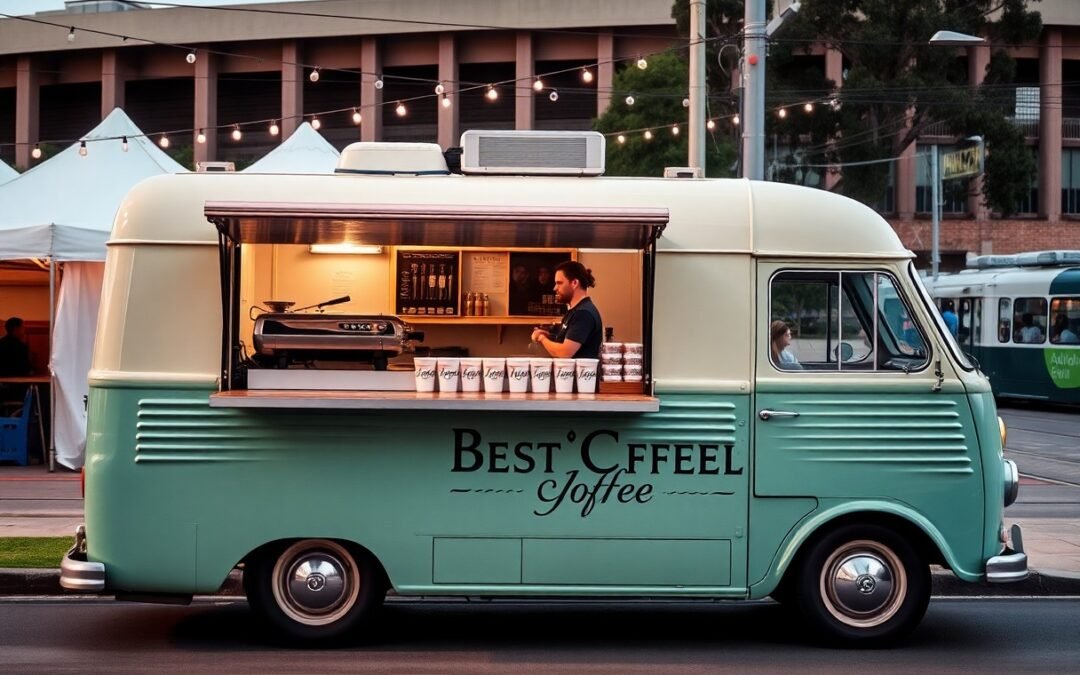
Buzz starts when you position an authentic Adelaide coffee van as the heart of your event-use local beans, charismatic baristas, a signature drink and bold branding to draw crowds. You will amplify interest by promoting behind-the-scenes brews, timed free tastings, cross-promotions with local suppliers, and consistent hashtags and signage. Delivering great service and photo-ready setups turns visitors into advocates and fuels pre- and post-event chatter.
Understanding the Importance of Buzz
Defining Buzz and Its Impact
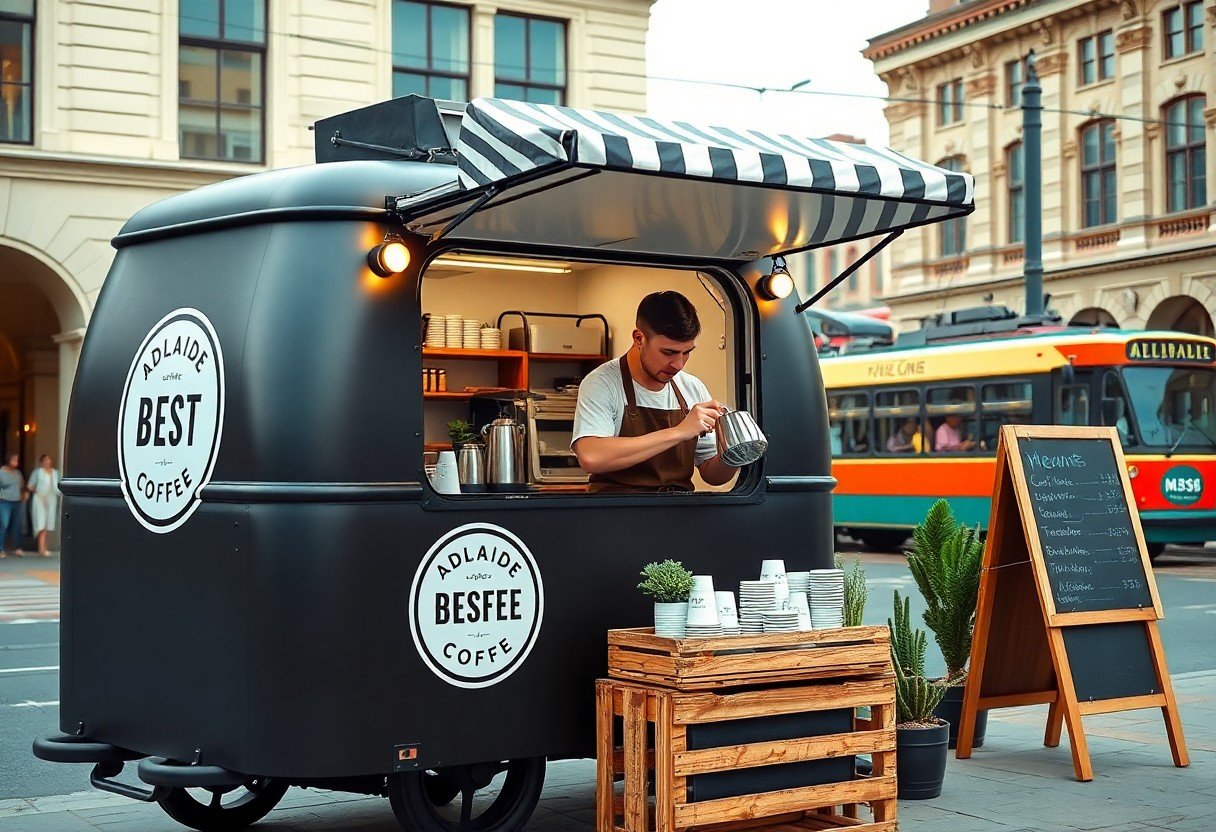
Buzz is the measurable ripple that turns a moment at your event into ongoing conversations – social shares, photos, word-of-mouth referrals and media mentions that extend reach beyond attendees. You want that ripple to translate into concrete metrics: increased foot traffic, higher dwell time and measurable returns. For example, a single viral social post from an attendee can reach 300-1,000 local followers, and a steady stream of 20-50 user-generated posts over a weekend can multiply your event impressions into the tens of thousands.
When you trigger buzz deliberately, small percentage gains scale quickly. Aim for a 10-20% increase in dwell time near your activation and you’ll convert casual visitors into paying customers or leads; with an average coffee spend of $4-8 per cup, those extra minutes and repeat visits often add clear revenue or engagement value. Events that track pre- and post-event metrics frequently find that strategic activations – like a branded coffee van – lift attendee satisfaction scores and social engagement by measurable margins.
Why an Authentic Coffee Van?
An authentic coffee van gives you an experiential anchor that feels local and expert rather than promotional. You achieve authenticity by using quality equipment (think commercial espresso machines used by specialty cafes), trained baristas, and local roasters for single-origin or seasonal blends. Those elements matter because they create sensory credibility: aroma, crema, and poured latte art that guests associate with genuine craft, not a generic giveaway.
Authenticity also multiplies shareability: people post and tag the things that feel real. When your van showcases a locally sourced blend, a branded mural, and consistent, fast service, you increase the likelihood of user-generated content and repeat visits. Practically, a two-person barista team using a two-group machine can maintain service at peak times of 60-90 seconds per order, keeping lines moving while delivering the quality that drives social proof.
Operationally, you should plan the menu and staffing to support both quality and throughput: limit core offerings to 6-8 popular drinks plus one signature item, train staff to upsell a pastry or loyalty card, and secure local permits and food-safety certifications ahead of time. These details ensure your authentic van not only looks and tastes right, but converts attention into measurable business outcomes for your event.
How to Build Anticipation
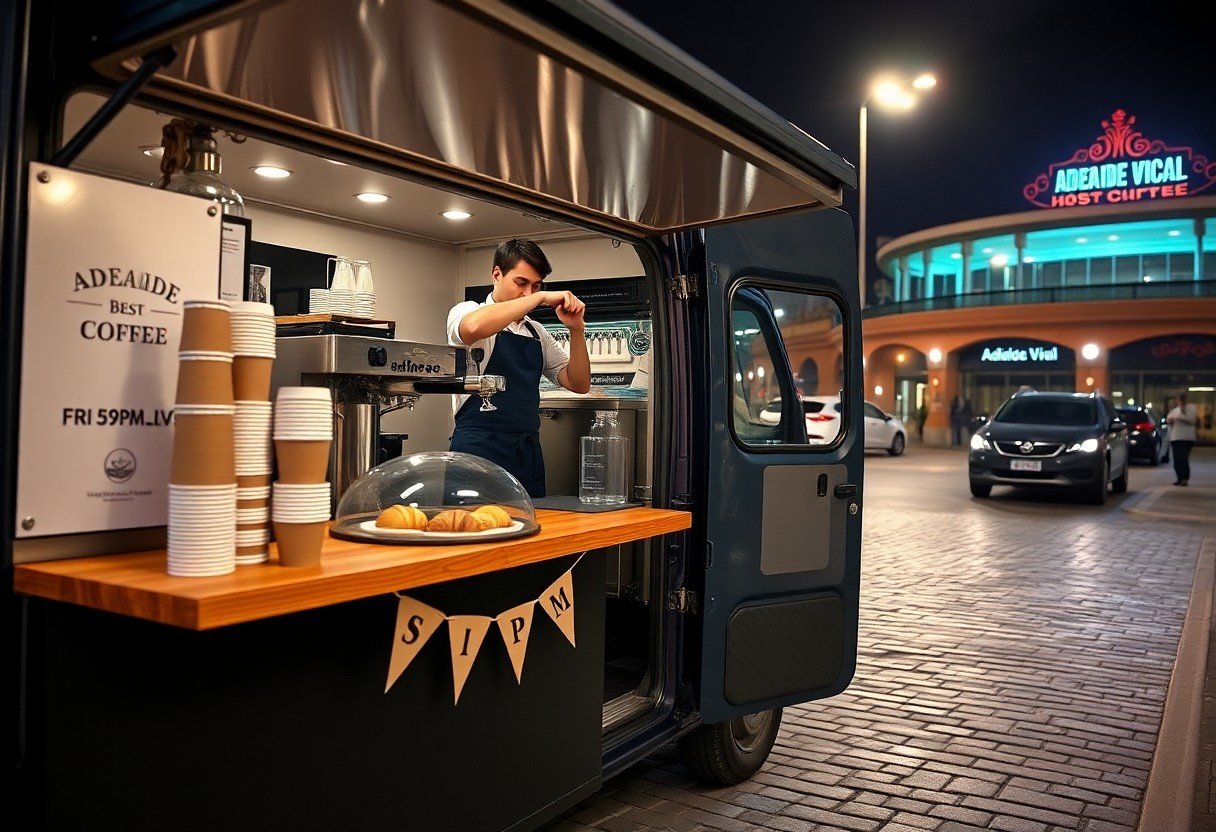
You can create a sense of urgency by sequencing reveals and limited offers: drop a teaser photo of your vintage Adelaide coffee van three to four weeks before the event, follow with a menu reveal two weeks out, then release 50 early-bird vouchers seven days prior. Use measurable milestones – for example, aim for 200 email signups from your first week of promotion and convert 10-20% of those into confirmed attendees – so each tactic has a clear goal.
Staggered communications work best when paired with tangible incentives: hold a VIP tasting for 20 local business owners, announce an exclusive single-origin roast available only on event day, or promise the first 100 visitors a free single-shot espresso. Track engagement metrics (email open and click rates, social shares, RSVP conversions) to adjust timing: start outreach 4-6 weeks ahead, intensify two weeks out, then hit daily reminders during the last 72 hours.
Pre-Event Marketing Strategies
You should segment your lists and tailor messages – send one sequence to existing customers emphasizing loyalty perks and a different sequence to new sign-ups highlighting discovery and freebies. Deploy a three-email cadence at 21, 10 and 3 days before the event, A/B testing subject lines and CTAs to lift open rates by a realistic 10-30% and using a clear RSVP link in the top of each message.
Pair digital outreach with targeted local tactics: place 100-200 hand-delivered flyers at nearby offices, co-working spaces and farmers’ markets during the week before the event, and list the event on Adelaide community calendars and Facebook Events with four high-quality photos and a concise schedule. You can also form a cross-promotion with a neighboring vendor – exchange 50 complimentary coffees for their staff in return for them promoting your date to their customers.
Engaging Social Media Campaigns
You’ll get the most traction by mixing short-form video (15-30 second reels), countdown Stories and behind-the-scenes pullbacks of the coffee van setup; post three feed pieces per week and move to daily Stories in the final week to stay top-of-mind. Amplify high-performing posts with modest boosts of $50-$150 focused on a 5 km radius around the venue to increase local impressions quickly.
Activate micro-influencers by inviting 8-12 local creators to a pre-event tasting and give each a unique promo code (e.g., FIRSTCOFFEE50 for first 50 redemptions) so you can track conversions per partner. Encourage user-generated content with a branded hashtag and feature attendee posts on your feed – this social proof often drives a velocity of registrations in the last 72 hours.
Run a simple social contest to accelerate sharing: ask followers to tag two friends and use your event hashtag for a chance to win a VIP tasting and 10 free coffees; set a target of 200 entries and a 3-7% conversion of engaged users to RSVPs. Monitor hashtag mentions, share rate and click-throughs daily so you can reallocate ad spend or repost high-performing creator content to maximize reach in the final countdown.
Crafting the Perfect Experience
You should design the coffee van layout and service flow so orders move in a straight line: order, pay, wait, collect. Aim to serve 40-70 drinks per hour with two trained team members during peak windows, targeting an average order turnaround under 90 seconds to keep queues moving and satisfaction high.
Use brief soft-launches or weekend pop-ups to test menu pacing and staffing ratios; track sales in 15-minute intervals so you can staff by demand. Implement a simple KPI dashboard (orders/hour, average ticket, peak 15-min window) to make staffing and inventory decisions for future events.
Unique Offerings of Your Coffee Van
Create one or two signature beverages that tie directly to the event or location-think a limited-edition cold brew infused with local citrus or a spiced oat flat white named for the neighbourhood. Pair those with reliable staples (standard espresso, americano, chai) and offer dairy alternatives (oat, almond) and cold options like nitro or tonic espresso; pricing for specialty items typically sits in the AU$4.50-$8 range.
Sell small-batch 250g bags of beans, branded cups, or pre-paid drink cards to convert one-off buyers into repeat customers; merchandising can add 10-20% to event-day revenue. Consider short 10-15 minute tasting sessions or latte-art demos as paid extras-group sizes of 6-12 work well and generate social content you can reuse to drive future bookings.
Creating a Welcoming Atmosphere
Train staff on a short script for greetings and allergens, outfit them in consistent uniforms with visible name tags, and position clear, high-contrast menus at eye level to speed ordering. Design the space with a shaded waiting area, defined entry/exit points, and a 1.5-2 metre wide queue lane so people don’t block traffic; these small moves cut perceived wait time and make your van feel professional.
Build one Instagrammable moment-a branded backdrop, a mural, or a visible latte-art station-and encourage guests to tag your handle with a small discount or free sample. That social proof can easily produce hundreds of impressions after a busy weekend and acts as low-cost advertising for future events.
Checklist to enhance the welcome: clear directional signage, comfortable temporary seating for 8-12 people, warm LED lighting for evening events, a dedicated waste and recycling station, and brief role-play training so every staff member can handle peak rushes with friendly efficiency.
Partnering for Success
Pair your optimized service flow with strategic partners who extend your reach: event promoters can add your van to festival maps, local breweries can trade tent space for exclusive coffee service, and nearby retailers can cross-promote to their customer lists. Set clear, measurable goals up front-agree on targets such as 300-500 cups over a weekend market or a 10% uplift in footfall-and use unique promo codes or UTM links to attribute results precisely.
Formalise arrangements with simple contracts that cover hours, fees, liability insurance, power/water access, and cancellation terms so you avoid last-minute surprises. Include KPIs in the agreement (for example: 4 social posts, one email mention, and 250 voucher redemptions) and schedule a post-event debrief to compare actual performance against those numbers.
Collaborating with Local Influencers
Target micro-influencers with 5,000-30,000 followers for higher engagement rates-aim for partners who average 2-8% engagement and produce food or local-lifestyle content. Offer concrete deliverables: three Instagram stories, one 30-60 second reel, and a pinned highlight; compensate with a combination of cash ($80-$250 per post depending on reach) and product (50-200 free coffees) so the deal is attractive and budget-friendly.
Track effectiveness by issuing unique promo codes or affiliate links and measure conversions: a successful collaboration often converts 3-7% of viewers into store visits or redemptions. For example, brief an influencer to use a code that gives followers 15% off and to mention an in-van loyalty sign-up-then count redemptions and new emails to calculate ROI.
Engaging with Community Organizations
Partnering with schools, sports clubs, farmers’ markets and charities gives you access to built-in audiences: propose fundraiser nights where you donate a fixed amount per cup (for instance $0.50-$1) or a share of takings (commonly 10-15%) to the organisation. These events frequently attract 200-600 attendees, which can translate into consistent sales and strong local word-of-mouth when you show up reliably and professionally.
Create co-branded promotions for community calendars and newsletters-supply 500 flyers, a printable poster, and an email template the organisation can send to members. Offer member-only perks, like a 10% discount or a free small coffee after three purchases, to incentivise repeat visits and help the organisation track impact through voucher redemptions or sign-ups.
Approach outreach systematically: research groups aligned with your brand, prepare a one-page proposal outlining expected turnout, revenue share, menu options, and health & safety compliance, and contact organisers 6-8 weeks before an event. After each collaboration, provide a short report with cups sold, funds raised, and new customer contacts (set a goal such as 100 new emails per event) to build long-term relationships and secure repeat bookings.
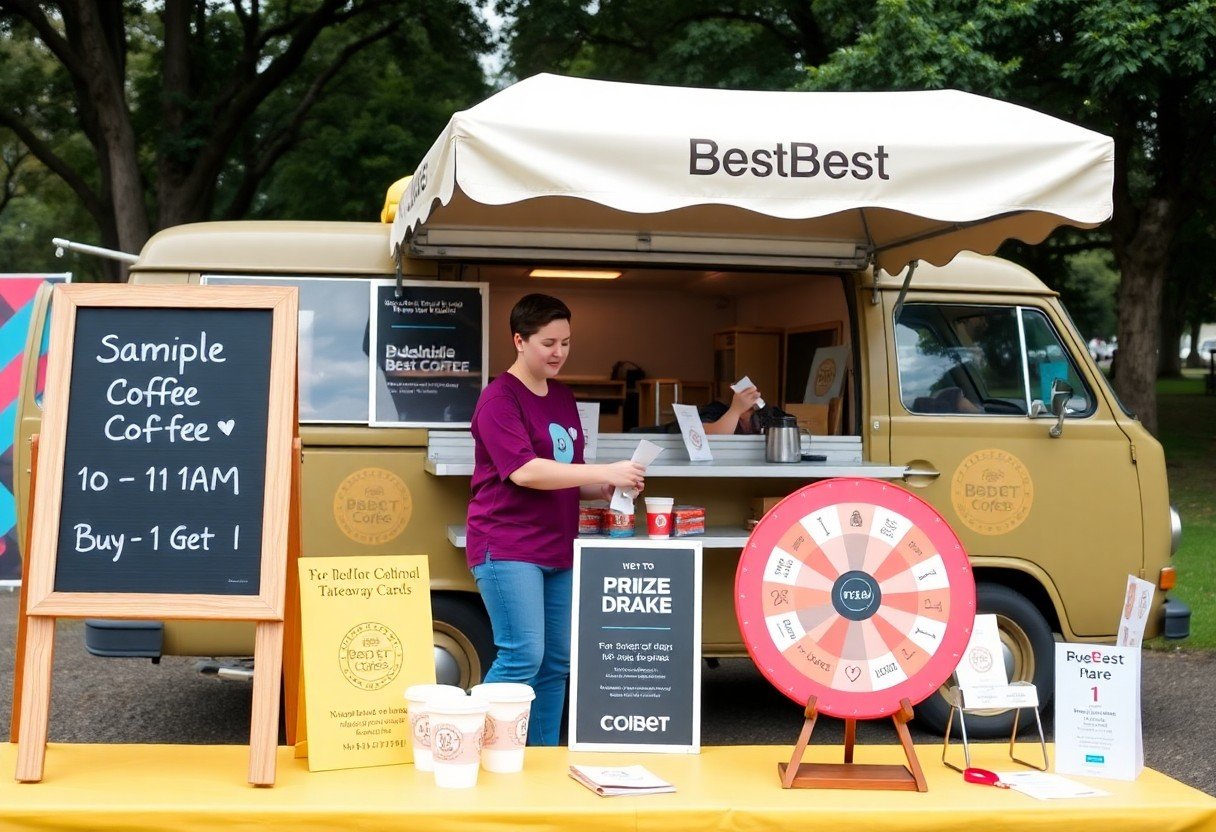
Utilizing Promotions and Incentives
To drive immediate foot traffic, layer clear, time-bound promotions into your service plan: flash discounts for the first 50 customers, a 10-20% morning-rush discount between 7-9am, or a bundled offer (coffee + pastry for $8) that simplifies choice and speeds the line. You can partner with suppliers or a trusted operator-bookings with the Coffee Run – Adelaide’s FASTEST Mobile Coffee Vans often pair well with eventwide voucher codes and pre-event promos to lock in advance sales and amplify social shares.
Discounts and Special Offers
Use targeted discounts that map to predictable lulls and peaks: offer 15% off for event staff and vendors to secure weekday steady sales, run a “happy hour” 3-5pm deal to convert afternoon browsers, or give the first 25 customers a free espresso shot upgrade to create immediate buzz. Pair these with clear signage and a visible digital countdown so people feel urgency; a limited-quantity offer (first 25 only) typically drives faster lines than a vague “special”.
Combine discounts with trackable digital entry points-QR-code coupons, a Facebook event-only promo code, or an email capture voucher-to measure redemption rates and attribute new customers. For instance, issue a QR coupon valid for a $2 discount redeemable only on the day of the event; you’ll gain one-click analytics and the ability to retarget attendees post-event.
Loyalty Programs to Encourage Repeat Visits
Implement simple, easy-to-explain loyalty mechanics: a physical punch card (buy 9, get the 10th free) or a digital points system awarding 1 point per $1 spent and a 100-point free-drink threshold. You can introduce a tiered element-Silver after 5 visits gets a free syrup, Gold after 12 gets a 20% discount-to nudge more frequent visits and higher spend. Make enrollment instant at the van (email or phone number) so every new customer can be tracked and messaged.
More depth: integrate the loyalty program with your POS and SMS/email platform to trigger automated drip offers-send a “2-for-1” on slow weekdays to customers who haven’t visited in 14 days, or reward referrers with a one-off 50-point bonus. Set measurable KPIs (e.g., increase repeat customers by 15% within 90 days) and run A/B tests on reward thresholds to find the sweet spot between generosity and margin preservation.
Capturing and Sharing the Moment
Capture the energy as it happens by prioritising short-form content and rapid distribution: aim for 15-30 second reels, three to five high-quality images, and two to three Stories during peak service windows. You should shoot in 1080p for fast edits and 4K if you plan to crop for larger assets; record video at 30-60 fps depending on whether you want smooth motion or slow‑mo highlights. Geotag the event, use a branded hashtag and partner tags, and publish the first post within two hours to maximise organic reach-most engagement clusters in the first 24-48 hours.
Plan a simple post-event workflow so content moves from capture to publish in under 90 minutes: batch-edit with presets, label files by time and asset type, and queue a primary reel plus three photos for staggered posting across the next 48 hours. You should repurpose the best clips into paid story ads or a pinned highlight on your profile; a single well-crafted reel can drive visits and convert fence‑sitters into customers during multi-day events.
Leveraging Photography and Videography
Use a concise shot list and the right tools: a smartphone with a gimbal or a mirrorless camera for stills, 1080p/4K video, and a small LED for fill light if you expect shaded setups. Focus on hero shots-closeups of latte art (macro at f/2.8), the barista mid-pour, a 3/4 shot of the van in its event context, and candid customer reactions; these five image types cover hero, product, people, environment and process. Capture a 10-20 second time-lapse of queue growth to illustrate demand, and shoot B-roll (cup stacks, steam wand, menu board) for cutaway options in edits.
Delegate a content runner or brief a staff member with a 10-item checklist to ensure consistency: hero product, order handoff, partner signage, POS interaction, barista portrait, group shot, aerial or wide van shot, time-lapse, branded packaging, and a customer testimonial clip. You should batch-edit using one preset to keep tonal continuity and export a 15-30s vertical version for Reels/TikTok plus a 1:1 crop for Instagram feed to maximise platform performance.
Encouraging Attendee Testimonials and Reviews
Make it effortless for attendees to leave feedback by placing a tablet or a QR-code station near the van that links to short forms and review platforms (Google, Facebook, Instagram DM). Offer small, tangible incentives-such as a free syrup or a loyalty stamp-for completing a 20-30 second on-camera testimonial or a one-line review; ensure incentives are for participation rather than for leaving only positive content. Use scripted prompts like “What did you love about today’s coffee?” or “Which drink would you recommend?” to elicit concise, shareable quotes.
Collect signed or digital consent at capture and tag each testimonial with name, event, and permission status in a simple spreadsheet to speed future reuse. You should prioritise video clips under 30 seconds and one-line text quotes for cards; these formats perform best in feeds and ads, and they’re easy to A/B test in social campaigns.
Turn testimonials into a content series: edit ten short clips into a 60‑second montage for your profile, overlay text quotes onto high‑contrast product photos for carousel posts, and feature standout reviews on your event landing page and email blasts. Aim to gather at least 8-12 testimonials over a weekend event to build a rotating bank of social assets, and always store original files plus signed permission for at least 12 months to support future marketing or paid ad use.
To wrap up
Conclusively, when you partner with an authentic Adelaide best coffee van you turn coffee service into a marketing engine: craft a signature drink, stage a photo-ready setup, brief baristas to engage attendees, and use branded cups and a clear hashtag so your audience shares the moment. Use timed promotions, sampling, and local partnerships to drive foot traffic and create talkability that extends beyond the event.
You should measure success with social metrics, attendee feedback and follow-up bookings, then refine your offerings, staffing and visuals based on what drives the most engagement; doing so lets you scale the buzz and make your next event even more noteworthy.