
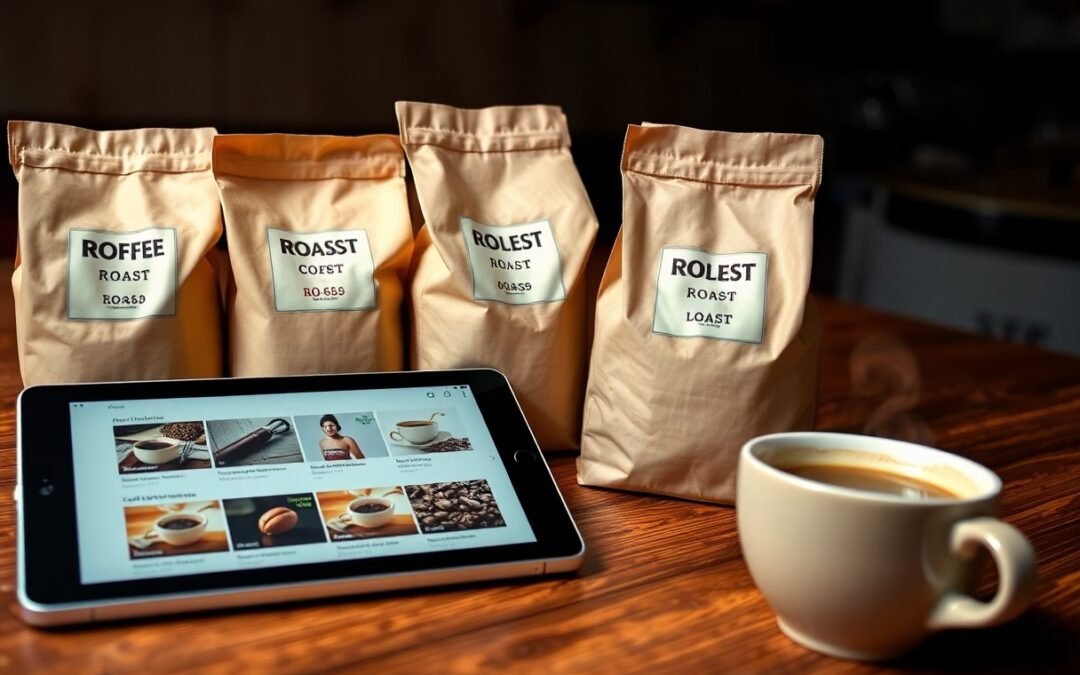
Just focusing on the right factors can make a significant difference in your coffee experience. When dicking out freshly roasted coffee beans from Adelaide online stores, you need to consider aspects like roast date, origin, and flavor profile to ensure you’re getting a product that meets your taste preferences. This guide will help you navigate these elements effectively, so you can enjoy the perfect cup every time without the risk of stale or low-quality beans.
Key Takeaways:
- Look for transparency in sourcing and roasting date to ensure freshness.
- Read customer reviews and ratings to gauge quality and flavor preferences.
- Consider the roast level and flavor profile that suits your taste before purchasing.
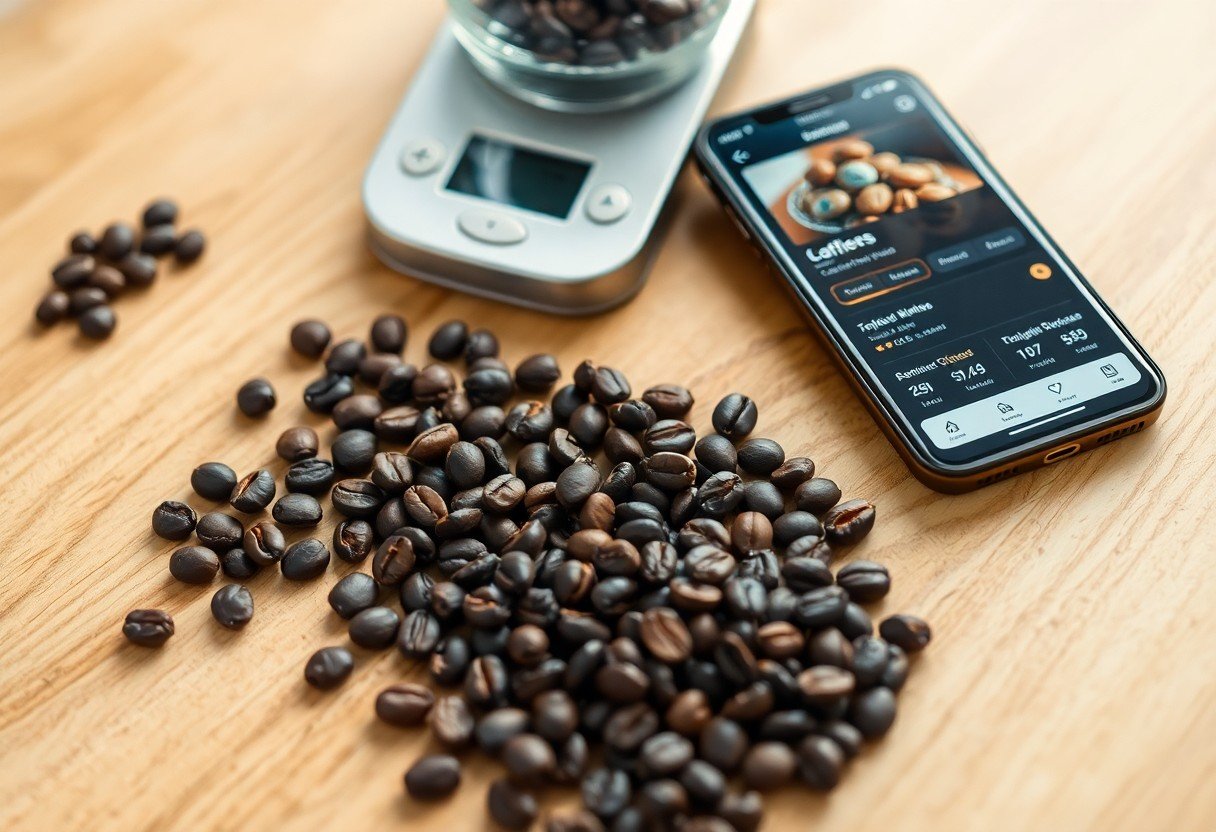
Understanding Freshly Roasted Coffee Beans
What Are Freshly Roasted Coffee Beans?
Freshly roasted coffee beans are green coffee beans that have been transformed through the roasting process, significantly enhancing their flavor and aroma. This transformation typically occurs at temperatures ranging from 370°F to 540°F. During roasting, natural sugars caramelize and acids develop, contributing to the unique flavor profile of each coffee variety. When you choose to buy freshly roasted beans, you experience the coffee at its peak flavor, which can differ substantially from beans that have been sitting on shelves for months.
Opting for freshly roasted options means you are selecting beans that have typically been roasted within the last two weeks. The Sicilia Coffee | Freshly Roasted | Buy Online | Delivery Aus Wide is an excellent choice when seeking freshness, as they often guarantee quick turnaround times between roasting and delivery.
The Importance of Freshness in Coffee
Freshness significantly impacts your coffee’s flavor and aroma. Coffee beans lose their desirable characteristics shortly after roasting. After about two weeks, oxidation occurs, and the vibrant flavors begin to fade, leading to a stale and often bitter experience. To ensure you get the most satisfying cup, seek out freshly roasted beans, aiming for those roasted within the last week.
The benefits of using fresh coffee extend beyond just flavor; it also impacts the overall beverage quality. Freshly roasted beans provide a richer crema in espresso and a more balanced cup across different brewing methods. The enticing aroma and flavor intricacies that define excellent coffee can only be captured when the beans are sourced immediately after roasting, underscoring the critical role of freshness in your coffee ritual.
Factors to Consider When Choosing Coffee Beans
- Origin of the Beans
- Roast Levels and Their Effects
- Flavor Profiles and Aromas
Origin of the Beans
The origin of the beans significantly impacts not only the flavor but also the quality of your coffee. Coffee beans from countries like Ethiopia, Colombia, and Brazil carry distinct characteristics. For instance, Ethiopian beans are often fruity and floral, whereas Colombian beans tend to have a smooth, mild flavor profile. Buying beans from online stores that specify the origin can enhance your brewing experience, as it allows you to select based on your taste preferences.
Additionally, understanding the growing conditions and altitudes can further inform your choice. Beans grown at higher elevations generally develop more complex flavors. This added complexity often appeals to connoisseurs aiming for higher-quality brews. Assume that when you choose coffee based on its origin, you’re also choosing a more tailored tasting experience.
Roast Levels and Their Effects
Your coffee’s roast level can profoundly influence its flavor and aroma. Light roasts are known for their bright acidity and fruity notes, making them ideal for those who enjoy a vibrant coffee experience. Medium roasts strike a balance, offering a fuller body while retaining some of that acidity. Dark roasts, on the other hand, bring forth deep, bold flavors—often with a hint of chocolate or caramel. Each roast level serves different preferences, so identifying which aligns with your taste is necessary.
Furthermore, the roasting process can affect the caffeine content. Interestingly, light roasts often contain slightly more caffeine than their darker counterparts due to the brewing process. Be mindful of this when selecting your ideal roast level. Assume that choosing the right roast enhances your overall coffee-making and drinking rituals.
Flavor Profiles and Aromas
Identifying flavor profiles and aromas will enhance your enjoyment of coffee. Beans can exhibit a wide range of flavors, from nutty and sweet to spicy and smoky. Understanding these profiles allows you to select beans that complement your palate. Tasting notes commonly found on packaging, such as chocolate, citrus, or caramel, guide your choices and can lead to delightful discoveries in every cup. When exploring these profiles, consider how factors like the brewing method can further enhance certain notes.
Aromas also play a vital role in your coffee experience. The scent of your brew can evoke emotions and memories, making the ritual even more enjoyable. For instance, a fresh bag of beans with a rich aroma of chocolate can elevate your brewing session, making it more inviting. Assume that by actively seeking out diverse aromas and flavors, you’re inviting a richer, more fulfilling coffee journey into your routine.
How to Evaluate Online Coffee Retailers
Verifying Quality and Freshness
When choosing an online coffee retailer, verify the source of their beans to ensure you’re purchasing high-quality products. Look for retailers that provide detailed information about the origin of their coffee, including the farm, processing methods, and roast date. Many reputable sellers will showcase this data prominently on their website, often accompanied by certifications such as Fair Trade or Organic. This transparency is key to understanding the quality and ethical standards of the coffee you are buying.
Additionally, freshness is paramount for optimal flavor. Seek out retailers that specifically mention their roasting frequency and how quickly they ship their products after roasting. Ideally, you want coffee that is roasted within the last few days to two weeks. This ensures the beans retain their vital oils and aromas, leading to a better brew. Regular updates on their inventory and clear delivery timelines can further indicate the vendor’s commitment to freshness.
Customer Reviews and Testimonials
Customer reviews offer invaluable insights into an online coffee retailer’s service and product quality. Look for platforms that aggregate reviews, like Trustpilot or Google Reviews, as these can provide a broader perspective beyond what is listed on the retailer’s website. Pay attention to recurring themes, particularly regarding taste, freshness, and customer service. High ratings combined with specific praise often indicate a reliable choice for your coffee needs.
Engage with testimonials on the retailer’s own site, but approach them with a critical eye. Genuine accounts from repeat customers can reveal the consistency of the product over time, while red flags such as a lack of reviews or overly polished testimonials should prompt further investigation. Finding specific mentions of the coffee’s flavor qualities or the shopping experience can guide your decision effectively.
Return Policies and Guarantees
Before finalizing your purchase, take a close look at the retailer’s return policies and guarantees. A solid return policy adds a layer of security to your purchase, especially for products like coffee, where personal taste can vary drastically. Retailers that allow returns or exchanges, or that offer satisfaction guarantees, indicate confidence in their product, which can ease your buying anxiety.
Understanding the specifics of the return policy—such as whether opened products can be returned or how long you have to initiate a return—can make a significant difference in your shopping experience. It’s wise to choose retailers who provide clear terms and easy communication processes for returns, leading to a smoother customer journey if your coffee doesn’t meet expectations.
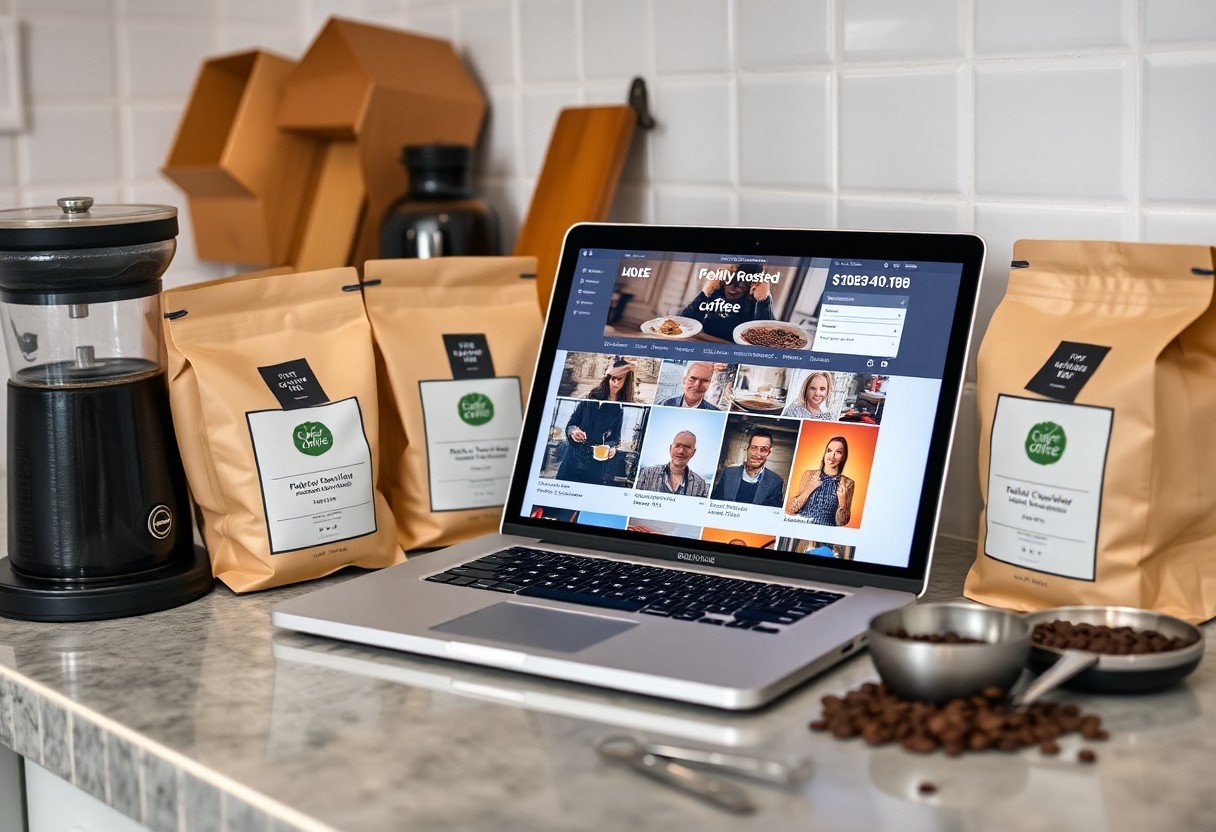
Tips for Selecting Coffee Beans Online
- Explore reputable online vendors that offer detailed descriptions of their beans.
- Look for specialty roasters known for quality and transparency.
- Seek out single-origin options to experience unique flavor profiles.
- Experiment with different roast dates to achieve the freshest taste.
Look for Specialty Roasters
When opting for coffee beans online, prioritize specialty roasters who provide clear insight into their sourcing and roasting processes. Specialty coffee is defined by its quality and unique characteristics, often reflecting the terroir of its origin. These roasters typically have a mission to highlight the distinct flavors of different regions, ensuring that their beans are sourced ethically and sustainably.
Specialty roasters often offer small batch roasting, which allows for greater attention to each batch’s flavor potential. You’ll likely find detailed tasting notes on the coffee profiles, enabling you to select beans that suit your preferences best. Look for roasters with excellent customer reviews and a solid reputation within the coffee community.
Seek Out Single-Origin Options
Choosing single-origin options can elevate your coffee experience by showcasing specific regional flavors. These coffees come from one location, providing a more defined taste that can be tied back to its geography and processing methods. For instance, Ethiopian coffees are known for their floral and fruity notes, while Colombian varieties might offer a smoother, nuttier profile.
By opting for single-origin beans, you gain the opportunity to taste the nuances and complexities unique to each region, which can be particularly exciting for coffee enthusiasts. Look for detailed descriptions on the online store to help you decide which origins you are most curious about trying.
Perceiving these distinctive flavor profiles can truly transform your coffee routine and deepen your appreciation for what you’re drinking.
Experiment with Different Roast Dates
Experimenting with different roast dates ensures that you experience the taste of coffee at its peak freshness. The roast date indicates how recently the beans were processed, with fresher beans generally delivering better flavor profiles. Many roasters will ship beans shortly after roasting, so take note of when you’re purchasing to ensure quality.
Some coffee drinkers prefer the vibrant flavors found in beans that are just a few days post-roast, while others may enjoy the mellow characteristics that develop after several weeks. Testing a range of roast dates allows you to refine your preferences and discover what you enjoy most.
Perceiving the impact of roast freshness on taste can significantly enhance your enjoyment of coffee, making the effort most worthwhile.
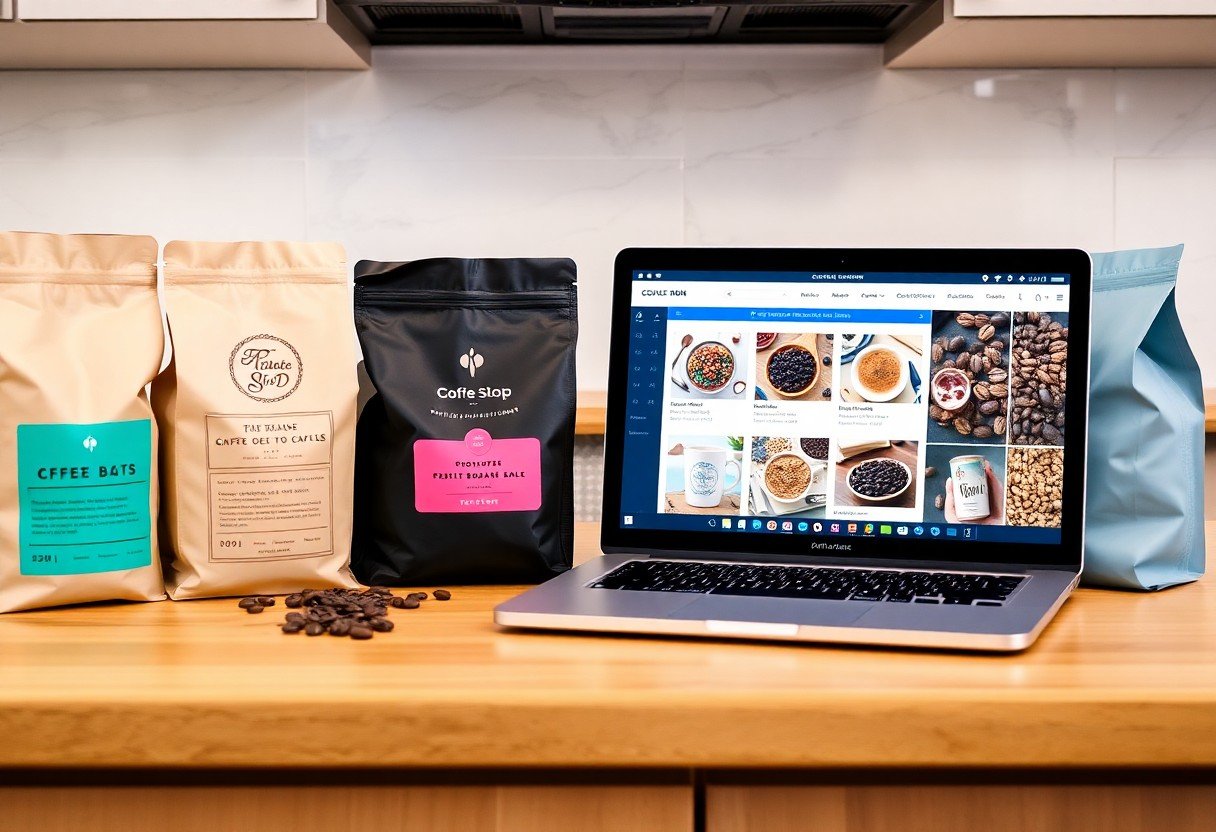
Understanding Packaging and Storage
Importance of Proper Packaging
Choosing freshly roasted coffee beans involves scrutinizing the packaging. Proper packaging protects your coffee from various environmental factors, such as air, moisture, light, and heat, all of which can significantly deteriorate quality. Look for bags that feature one-way valves, allowing gases from the coffee to escape without letting air in. This helps maintain the freshness and aroma of your beans for an extended period.
Moreover, vacuum-sealed bags provide an additional layer of protection, preventing oxidation that can lead to stale flavors. Quality retailers often use durable materials that reinforce the integrity of the roast, ensuring that your coffee beans reach you in optimal condition. Your attention to packaging today can influence the taste of your coffee tomorrow.
How Storage Affects Freshness
The way you store your coffee beans plays a pivotal role in preserving their flavor. Exposure to air causes coffee beans to lose their freshness over time through oxidation, which can impart a dull, flat taste. Ideally, your coffee should be consumed within two to four weeks of roasting for maximum flavor. If you have excess beans, proper storage is imperative to lock in their freshness.
Temperature is another key factor; storing coffee in a cool, dark place helps maintain its inherent oils, flavors, and aromas. Your pantry is a better option compared to warmer locations like above the stove or near windows. By mindfully considering the environment in which you keep your coffee, you can significantly influence its overall quality and enjoyment.
Keep in mind that coffee beans should never be stored in the fridge or freezer after opening. While these methods might seem like good ideas to prolong shelf life, they can cause condensation to form on the beans, leading to staleness and degradation of flavor compounds.
Best Practices for At-Home Storage
To optimize the longevity and flavor of your coffee, invest in an airtight container made from non-reactive materials. Glass or ceramic containers are excellent choices, as they prevent moisture and air exposure while allowing you to monitor your beans visually. Keep this container in a cool, dark location away from heat sources or light to shield your beans from environmental stressors.
Avoid purchasing large quantities at once unless you’re consuming coffee regularly. Instead, buy smaller amounts that will be consumed within a few weeks to maintain freshness. This practice not only ensures the highest quality but also keeps you experimenting with different beans, enhancing your overall coffee experience.
Utilizing opaque containers can be particularly beneficial, as they minimize light exposure, which is detrimental to coffee quality. Consider labeling your containers with the roast date to keep track of freshness and enjoy your coffee at its best.
Brewing Methods and Their Influence
Matching Beans to Brewing Techniques
Your choice of brewing technique significantly impacts the flavor profile of your coffee. Different beans excel in varying methods, with their inherent flavors enhanced or muted depending on how you brew them. For instance, light roast beans often shine through with more pronounced acidity in pour-over methods, showcasing their vibrant fruity notes. Conversely, darker roasts can perform exceptionally well in espresso machines, where their bold flavors are concentrated and complemented by a rich crema.
Understanding your brewing style allows you to tailor your selections further. If you prefer French press, reaching for medium-bodied beans can yield a balanced cup that highlights both richness and subtle flavor nuances. Experimenting with various beans across multiple methods will help you discover the perfect synergy that resonates with your taste preferences.
Equipment Considerations for Optimal Flavor
Your coffee brewing equipment plays a pivotal role in extracting the best flavors from your chosen beans. From grinders to brewers, each component affects the final outcome. Investing in a quality burr grinder, which offers a consistent grind size, is crucial, as unevenly ground coffee can lead to over-extraction or under-extraction, resulting in a compromised flavor. Additionally, brewing devices such as French presses, pour-over kits, and espresso machines should be suitable for your chosen coffee type to maximize flavor extraction.
Factors such as water temperature and brew time also come into play. For example, a pour-over method typically requires water temperature between 195°F and 205°F, while cold brews may take hours to reach their optimal flavor profile. Ensuring your equipment is aligned with these parameters significantly enhances the overall drinking experience.
Experimenting with Grind Sizes
Adjusting grind sizes will profoundly influence extraction and, consequently, your coffee’s flavor. Coarse grinds are ideal for brewing methods like French press and cold brew, delivering a smooth and mellow cup. Conversely, fine grinds are suited for espresso machines, where quick extraction is needed to capture those rich flavors. By experimenting with different grind sizes, you can hone in on the specific taste profile you prefer, adapting your technique to bring out the best in each bean.
Furthermore, you might discover that varying the grind size even within the same brewing method can yield different taste experiences. For instance, using a medium grind in a pour-over may filter through faster, allowing for lighter notes to emerge, while a finer grind might produce a more robust flavor profile as the water interacts longer with the coffee.
Summing up
So, selecting the best freshly roasted coffee beans from online stores in Adelaide requires a blend of research and personal preference. Focus on quality by checking the roast date, the source of the beans, and the reputation of the roaster. Look for reviews and tasting notes to guide your choices, ensuring the flavors align with your palate. You should also consider the variety of beans available and whether they align with your brewing methods.
Your coffee journey can be enhanced by experimenting with different beans and roasters, allowing you to discover unique flavors and profiles that suit your taste. Take advantage of subscription services or sampler packs if you’re unsure of what to select. By prioritizing quality and personalization, you can enjoy a delightful coffee experience right from your home in Adelaide.
FAQ
Q: What should I consider when choosing coffee bean origin?
A: Different regions offer unique flavors. For instance, Ethiopian beans are often fruity, while Brazilian beans may have nutty profiles. Researching origins can help identify personal taste preferences.
Q: How can I determine the roast level I prefer?
A: Roasts range from light to dark. Light roasts highlight acidity and bright flavors, medium roasts balance acidity with sweetness, and dark roasts provide bold, rich tastes. Trying samples from each level can help identify your preference.
Q: What is the significance of the roasting date on coffee packaging?
A: Freshness impacts flavor. Look for beans roasted within the last two weeks for optimal taste. Online stores often provide roast dates to help you select fresh options.
Q: How do I know if an online store offers quality coffee?
A: Check customer reviews, product descriptions, and whether the store provides detailed information about sourcing and roasting practices. Reputable stores typically emphasize quality and sustainability.
Q: What is the best packaging for freshly roasted coffee beans?
A: Beans should be stored in airtight packaging to maintain freshness. Look for retailers that provide vacuum-sealed bags or those with one-way valves to prevent exposure to air.