
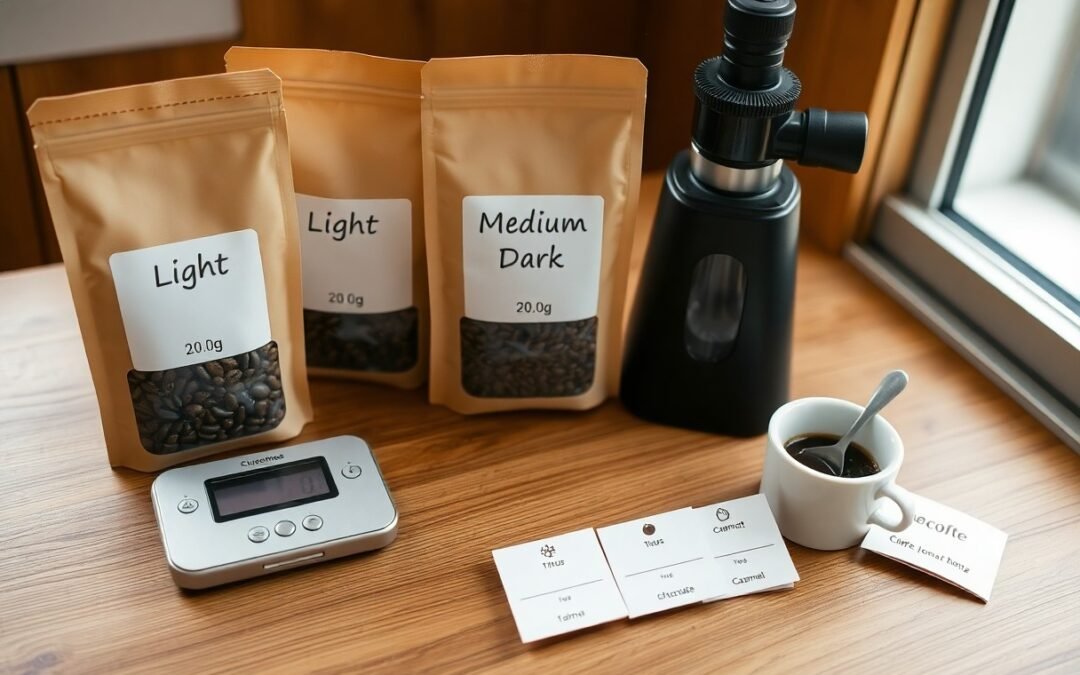
This guide helps you identify flavor profiles, roast levels, origin notes, and brewing methods so you can choose a house blend coffee bean that matches your taste.
Key Takeaways:
- Identify your preferred flavor profile – bright and fruity, chocolatey and nutty, or smooth and balanced – then seek blends that highlight those notes.
- Choose roast level and origin to match taste: light roasts preserve acidity and floral notes, medium roasts offer balance and sweetness, dark roasts produce heavier body and bittersweet chocolate notes.
- Buy small bags or sample packs and check the roast date; adjust grind size and brew method until the blend suits your taste.
Identifying Your Personal Flavor Preferences
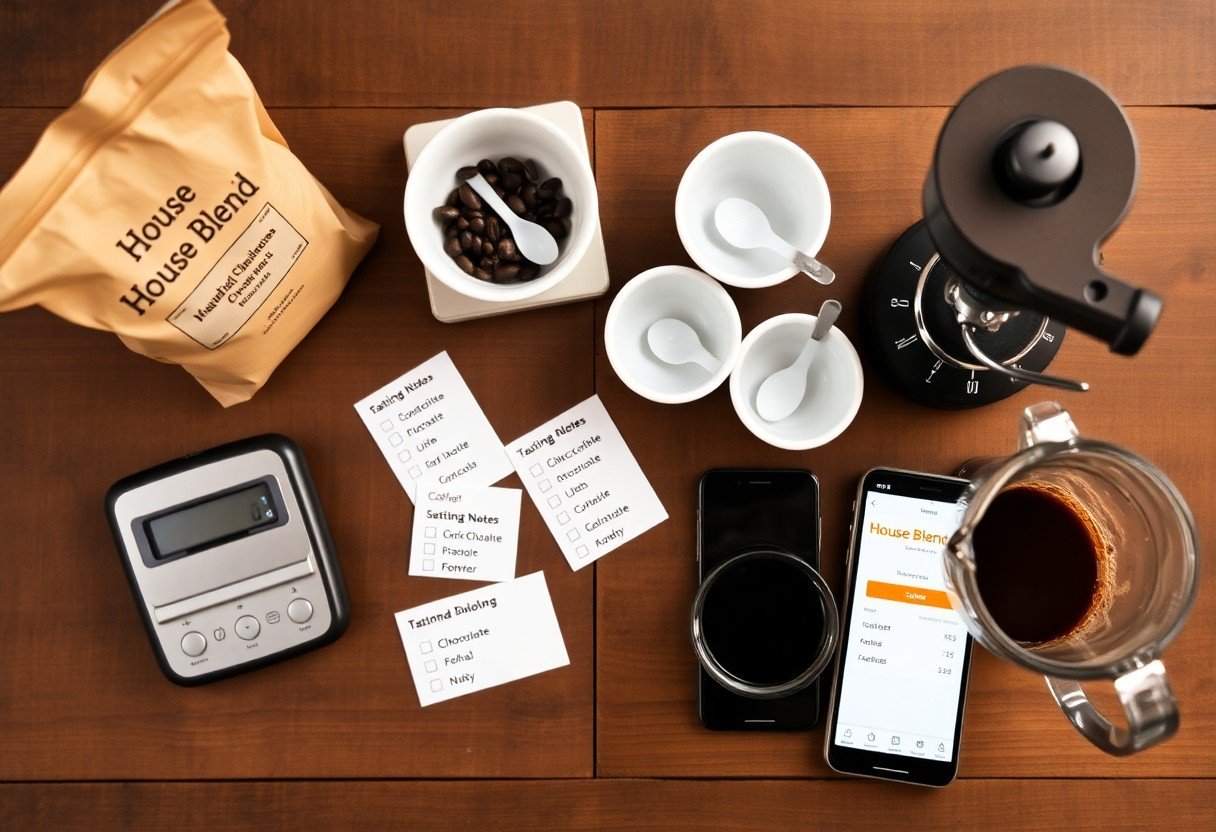
You can pinpoint favorite notes by recalling cups that excited you-whether nutty, fruity, chocolatey, or floral-and use those memories to narrow blend options. Track how aftertaste and sweetness influence your enjoyment to select beans that consistently deliver those elements.
Test small samples side-by-side to notice which characteristics dominate and which you find distracting; a simple tasting log helps you match blends to daily moods and brewing habits without guessing.
Assessing Roast Levels and Intensity
Consider roast level the baseline for a house blend: light roasts preserve origin clarity and acidity, medium roasts balance sweetness and body, and dark roasts emphasize bittersweet, smoky notes. Pick a roast that supports the flavor profile you prefer.
Match roast intensity with your brewing routine-espresso and milk drinks often benefit from bolder roasts, while filter methods reveal subtler complexities in lighter roasts.
Recognizing Desired Acidity and Body
Notice how acidity creates brightness and lift while body gives weight and mouthfeel; your preference between the two determines whether a blend should highlight origin acidity or a richer, fuller texture.
Compare tasting notes from different origins to identify preferred acid profiles-citrus, winey, or soft stone-fruit-and seek blends that balance those acids with compatible body and sweetness.
Taste the same beans brewed slightly differently to see how extraction alters perceived acidity and body, helping you choose blends that perform well with your usual dose and method.
Essential Factors in a Quality House Blend
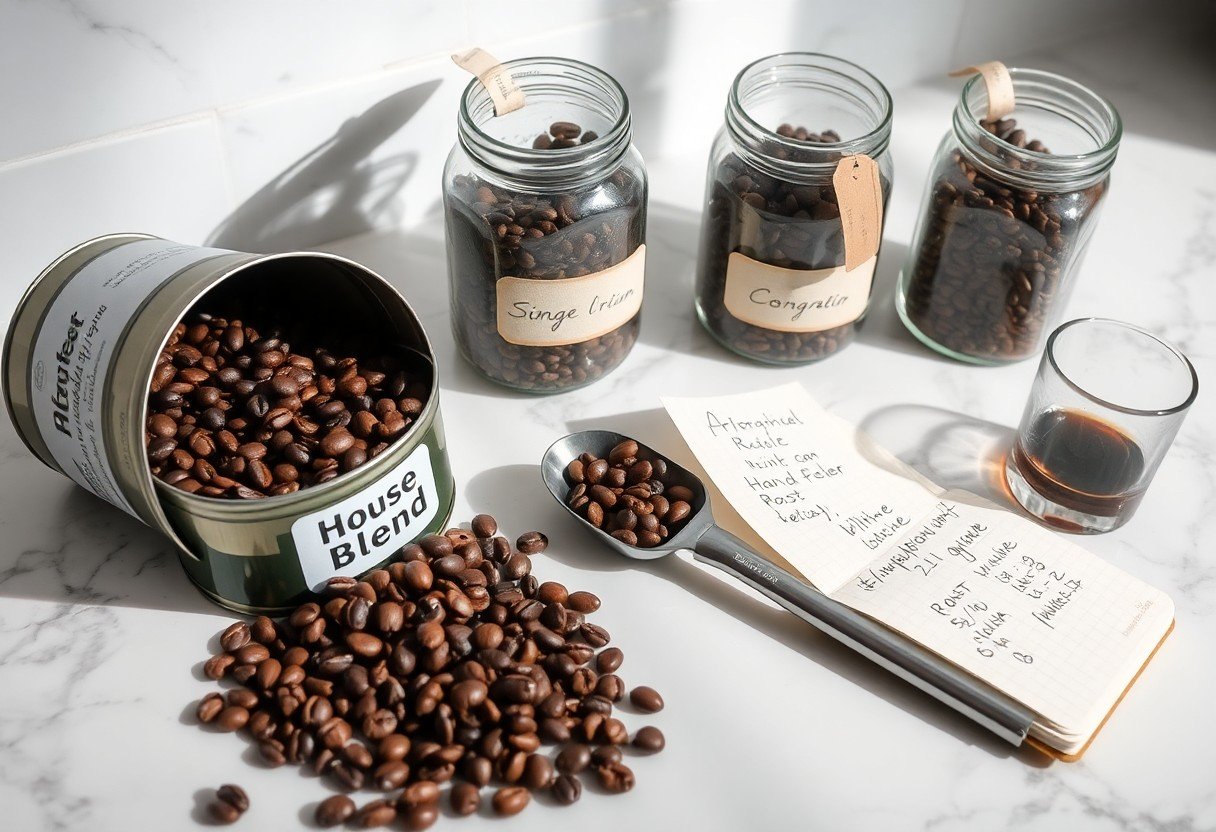
You judge a blend by balance of body, acidity and sweetness to suit your daily cup.
- Origin
- Roast level
- Freshness
- Processing
- Bean ratio
Any house blend you choose should match your roast preference, freshness needs and brewing method.
Determining Bean Origin and Altitude
Origin signals flavor: you can expect floral or fruity notes from Ethiopia, nutty or chocolate tones from Central America, and higher altitudes usually yield brighter acidity and denser beans.
Evaluating the Freshness of the Roast
Check the roast date and aim for beans roasted within two to four weeks so you get peak aroma and crema potential when you brew.
Smell the bag if possible; you can detect flat, cardboard notes that indicate staleness and avoid pre-ground coffee that has lost volatile oils.
Store whole beans in an opaque, airtight container at room temperature and grind just before brewing to preserve oils and the nuanced flavors you prefer.
How to Analyze Blend Components
Analyze each component’s origin, roast level, and varietal so you can predict how acidity, body, and sweetness will combine; use small-batch cuppings and reference guides like The Fool-Proof Guide to Choosing Your Perfect Coffee Beans to refine your selections.
Understanding the Balance of Single Origins
Balance between single origins comes from pairing contrasting profiles so you can achieve your target cup; combine a bright, floral origin with a fuller, cocoa-forward bean to control acidity and add depth.
The Impact of Different Processing Methods
Processing methods alter sweetness, fermentation notes, and clarity, so you should taste washed, natural, and honey-processed coffees to decide which complements your preferred roast and brew style.
Experiment by blending small percentages of varied-process lots; you can use a touch of natural-processed beans for fruitiness while relying on washed lots for clean finish and stability in your house blend.
Expert Tips for Testing New Blends
Test small samples side-by-side using identical recipes so you can compare flavor, acidity and body without introducing variables.
- Same coffee-to-water ratio
- Consistent grind size
- Identical water temperature
- Note aroma, finish and sweetness
This method helps you identify the blend that aligns with your palate and your regular brewing routine.
Setting Up a Comparative Tasting
Arrange three to four contenders, label them clearly, and brew each the same way so you can focus solely on taste differences.
Quick Tasting Matrix
| Step | Action |
|---|---|
| Sample | 10-15 g per cup |
| Brew method | Use one method for all samples |
| Consistency | Match grind, water temp, and timing |
| Notes | Record aroma, acidity, body, finish |
Matching the Blend to Your Brewing Equipment
Consider how your equipment emphasizes traits: espresso favors darker roasts and fine grind for concentration, pour-over highlights brightness and single-origin nuance, and French press rewards coarser grind and fuller mouthfeel, so you can pick blends that suit your machine and taste.
Decoding Professional Tasting Profiles
Tasting notes provide a concise map of acidity, body, sweetness and finish so you can quickly judge whether a house blend matches your preference for bright, smooth, or rich cups.
Profiles reveal roast level and origin influences, so you can predict how the beans behave in pour-over, espresso or milk drinks and choose accordingly.
Interpreting Flavor Notes and Aromas
Smelling listed aromas helps you connect descriptors to familiar flavors; if citrus or floral appears, you can expect livelier acidity, while nutty or chocolate notes hint at rounder sweetness.
Noting whether descriptors are vivid or vague tells you about sourcing and roast care: clear, specific notes usually indicate careful processing, whereas muddled terms may signal blends that hide faults from you.
Gauging Complexity and Finish
Assessing complexity means tracking how many distinct layers emerge as the cup cools and how acidity, sweetness and body interact; you should prefer the level that keeps your interest without overwhelming.
Aftertaste length and mouthfeel give the final cue: long, clean finishes with pleasant secondary flavors point to a well-crafted blend, while short, flat finishes often leave the cup feeling unsatisfying for you.
Balance testing-tasting black, then with a splash of milk and at different temperatures-helps you determine whether a blend’s complexity and finish perform best the way you brew, guiding your house-blend choice.
Selecting Blends Based on Serving Style
Roasters design blends for distinct serving styles, so you should pick one that complements your preferred preparation. You can prioritize sweetness and body for milk drinks or clarity and acidity for pour-overs.
Balance between roast level and bean origin matters when choosing a house blend for service. You should adjust roast toward medium-dark for espresso and lighter for drip, noting grind and extraction will change flavor perception.
Choosing Beans for Milk-Based Drinks
For milk-based drinks you want beans with chocolate, nut, or caramel notes that hold up against dairy; you should lean toward medium or medium-dark roasts and include a touch of lower-acidity origins for a smooth finish.
Optimizing for Pure Black Coffee
Choose single-origin components or lighter-blend ratios to preserve floral, fruity, and acidic characteristics that reveal themselves when you drink coffee black; you should emphasize clarity over heavy body.
Tasting small brew samples at different grind sizes helps you identify the balance you prefer, and you should aim for a clean finish and distinct origin notes when selecting a house blend for black brewing.
Summing up
From above you can choose beans by assessing roast level, flavor notes, and origin to match your palate. You should sample single-origin components, compare acidity and body, and consider grind and brew method. Trust tasting notes and roast dates, buy small batches, and adjust until the blend suits your daily routine.
FAQ
Q: What is a house blend?
A: A house blend refers to a signature mix of beans selected by a roaster to deliver a consistent, balanced flavor profile that represents their style. Blends combine beans with complementary characteristics-acidity, body, sweetness, and aroma-to achieve complexity and reliability across batches.
Q: How do I identify my preferred flavor profile?
A: Taste a range of single-origin coffees and note which flavors appeal most, such as bright citrus, chocolate, nutty, or earthy notes. Pay attention to acidity, body, sweetness, and finish, and keep a simple log of samples to compare. Use cupping sessions or sample packs to accelerate learning and isolate what you like in different roasts and origins.
Q: How does roast level affect the taste of a house blend?
A: Light roasts preserve origin characteristics and present brighter acidity and floral or fruity notes. Medium roasts balance acidity and body while increasing sweetness and caramelized flavors. Dark roasts emphasize roast-driven flavors, lower perceived acidity, and heavier body, which can smooth out origin distinctions.
Q: What role does bean origin play in a blend?
A: Origin supplies the base flavors that a blend will highlight-African beans often contribute fruit and floral notes, Latin American beans tend to add chocolate, nut, and crisp acidity, and Indonesian beans give earthy, spicy, or syrupy body. Blending beans from different regions creates complexity, balance, and a broader flavor range than single-origin options.
Q: How should I test a house blend before buying a full bag?
A: Purchase sample sizes or ask a roaster for a small brewed cup so you can evaluate the blend with your usual brewing method. Brew the same beans as you would at home-espresso, pour-over, or French press-and compare aroma, sweetness, acidity, body, and aftertaste. Note how the blend performs with milk if you drink lattes or cappuccinos.
Q: Which brewing methods pair best with different house blend styles?
A: Espresso benefits from blends with good sweetness, body, and crema, often using slightly darker roasts or a mix that includes low-acidity origins. Pour-over highlights delicate origin notes and bright acidity, favoring lighter to medium roasts. French press rewards full-bodied, lower-acidity beans that produce a rich mouthfeel and pronounced texture.
Q: What storage and freshness tips help a house blend taste its best?
A: Store whole beans in an airtight container away from heat, light, and moisture to slow staling. Grind immediately before brewing to preserve aroma and volatile flavors. Check the roast date and aim to use beans within two to four weeks of roast for peak flavor; buy smaller quantities if you do not brew daily.