
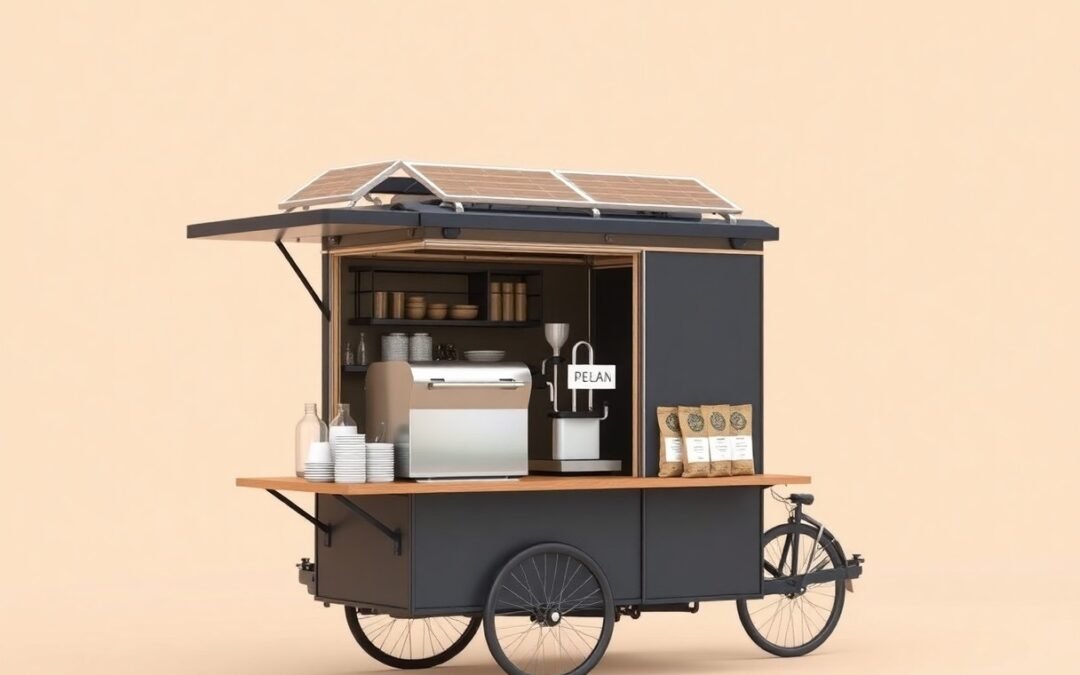
Adelaide is a vibrant city with a growing demand for quality mobile coffee services, and establishing a sustainable setup can set you apart from the competition. In this guide, you will learn the important steps to create a mobile coffee business that not only meets customer demands but also prioritizes environmental responsibility. From selecting eco-friendly equipment to sourcing sustainable ingredients, you’ll discover how to build a coffee setup that is efficient, lasting, and aligns with modern sustainability practices.
Understanding Sustainability
Defining Sustainable Practices
Sustainable practices in the mobile coffee industry extend beyond merely serving a good cup of coffee. Reducing waste, sourcing ethically-produced beans, and utilizing energy-efficient equipment are all integral components of your sustainable approach. Invest in compostable cups and straws, implement a recycling program, and explore local partnerships to source ingredients. By doing so, you not only minimize your environmental footprint but also resonate with consumers who prioritize sustainability. For an inspiring example, meet Adelaide’s Mean Green Coffee Machine, a model for redefining mobile coffee operations through eco-friendly innovation.
Furthermore, understanding the life cycle of your products can help in making informed decisions that align with sustainable principles. This includes assessing the carbon footprint of your coffee beans’ journey from farm to cup, as well as the materials used in your setup. Everything from the coffee grinders to the milk dispensers can be optimized for sustainability, ensuring that each element contributes to your overall mission.
Importance for Mobile Coffee Businesses
Implementing sustainable practices is not just beneficial for the environment but also necessary for your mobile coffee business’s long-term viability. Consumers are becoming increasingly aware and selective about the brands they support. A commitment to sustainability can enhance your brand’s reputation and attract a loyal customer base willing to pay a premium for eco-conscious choices. Statistics indicate that businesses prioritizing sustainability often experience better customer retention and increased market share.
Your commitment to sustainability can propel your mobile coffee business beyond mere compliance with regulations. Observing eco-friendly practices can also lead to cost savings through waste reduction and improved operational efficiency. As you adopt renewable energy sources or efficient machinery, you might find that investments pay off through lowered utility bills and an improved profit margin over time.
Key Factors to Consider
When establishing a sustainable mobile coffee setup in Adelaide, it’s crucial to focus on multiple interconnected factors that contribute to environmental and business longevity. You should prioritize elements like equipment efficiency, sourcing sustainable ingredients, and effective waste management practices. Your approach will not only enhance your brand’s reputation but also attract a clientele that values sustainability.
- Assess energy consumption and choose energy-efficient equipment
- Source organic, fair-trade coffee and local suppliers
- Implement recycling and composting systems
- Invest in high-quality, durable materials for your setup
The decisions you make now will shape your operations and customer relationships in the long term. The more intentional your choices, the more they align with sustainable practices that resonate with today’s eco-conscious consumer.
Equipment Selection
Your equipment selection plays a pivotal role in both efficiency and sustainability. Opt for energy-efficient machines that minimize power consumption without compromising on quality. For instance, investing in espresso machines that feature programmable settings can drastically cut down energy use during periods of inactivity. Furthermore, look for grinders that reduce waste, ensuring you only use what you need for each brew.
Another consideration is the mobility of your setup. Compact, lightweight equipment not only facilitates transport but also decreases your carbon footprint. Brands like La Marzocco and Rancilio offer portable options that are renowned for their durability and performance, making them ideal for mobile operations. The right equipment not only enhances productivity but also demonstrates your commitment to sustainable practices.
Sourcing Sustainable Ingredients
Pertaining to sourcing ingredients, the principles of sustainability should guide your choices at every stage. Begin by establishing relationships with local coffee roasters who prioritize ethical sourcing and organic farming methods. Brands such as Five Senses Coffee offer sustainably sourced options and can help you promote responsible consumption among your customers.
Beyond coffee, consider the dairy and alternative milk products you serve. Look for local farms that practice animal welfare and sustainable farming methods. By highlighting these partnerships on your menu, you not only support local businesses but also educate your consumers on the importance of sustainability in every aspect of their coffee consumption.
Expanding your menu to include snacks or pastries? Seek out local bakeries that use organic ingredients and sustainable practices. The more transparent you are about your sourcing, the stronger your connection to your customers will become. The focus should always be on building relationships that reflect both your values and those of your clientele. By doing so, you foster a community centered around sustainability and quality.
Building Your Mobile Setup
Choosing the Right Vehicle
Your choice of vehicle significantly impacts your mobile coffee business’s efficiency and sustainability. Consider options like a van, trailer, or even a bicycle setup, depending on your target locations and the scale of your operation. Ensure the vehicle has adequate space for equipment and supplies while being easy to maneuver in busy urban areas. Electric or hybrid vehicles can reduce your carbon footprint and operating costs, aligning perfectly with sustainable principles.
Assess the condition of the vehicle and its fuel efficiency. For instance, a well-maintained used van may offer significant savings compared to new options. Depending on your needs, a model like the Volkswagen Transporter or a custom-built coffee cart can provide both mobility and brand visibility. Plan your layout inside the vehicle for optimal workflow, considering how you’ll interact with customers and manage your inventory.
Designing an Efficient Workspace
Workspace efficiency is all about maximizing flow and minimizing waste. Layout your equipment, such as espresso machines, grinders, and cash registers, to facilitate quick service. This reduces customer wait times and streamlines your operations, enhancing the overall experience. In Adelaide’s competitive market, every second counts. A compact, well-organized setup can make all the difference.
Incorporating elements like handwashing stations, storage for reusable cups, and waste management systems are imperative for both operation and sustainability. Consider modular shelving and storage solutions that keep your imperatives close but out of the way, freeing up space for your staff to work efficiently. Utilize vertical space with shelves for supplies to keep your workspace uncluttered, ensuring that everything you need is within arm’s reach.
Employing durable materials for your workspace that are easy to clean and maintain will prolong the life of your setup. Stainless steel surfaces and eco-friendly finishes not only improve aesthetics but also demonstrate your commitment to sustainability. The more efficient your workspace, the better your service will be, and the more likely you are to build a loyal customer base.
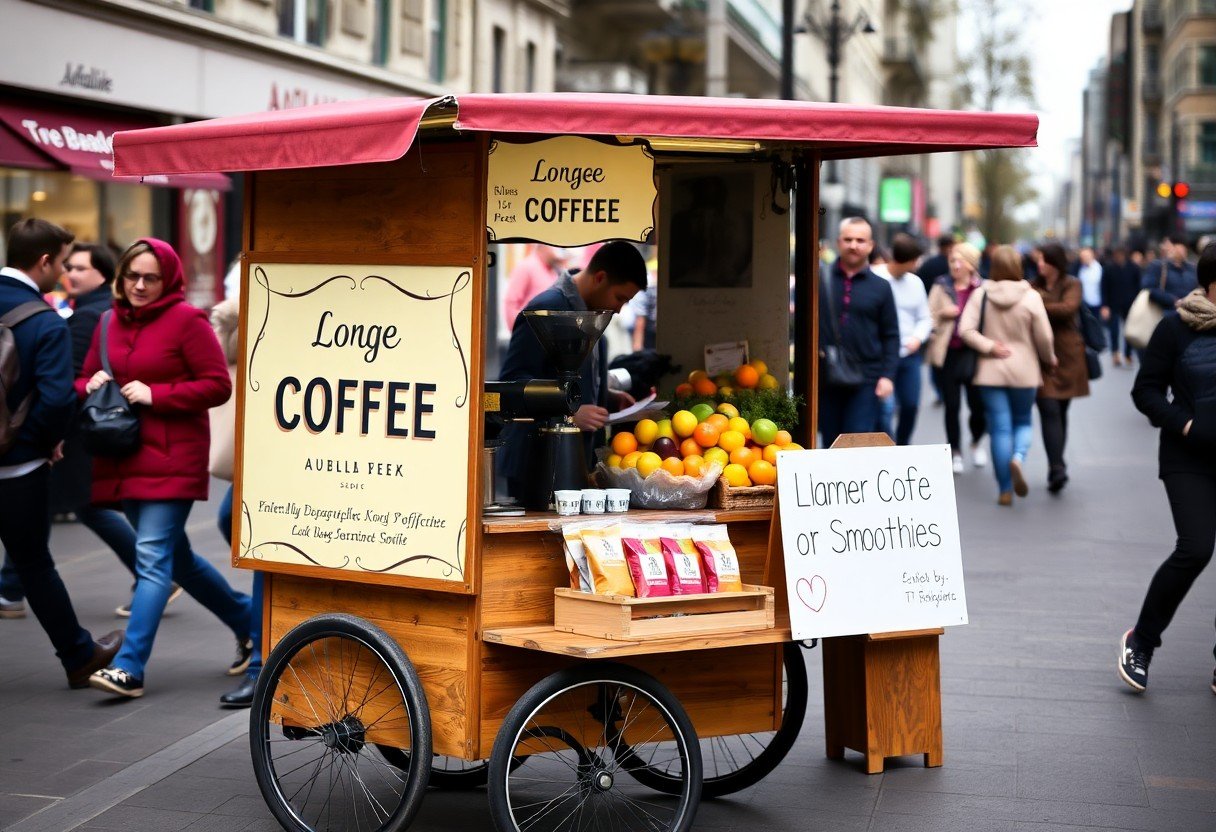
Tips for Daily Operations
Efficiency in operations plays a key role in your mobile coffee setup. Start your day by prepping ingredients and setting up your station well before opening. This not only reduces your stress but also ensures a smooth flow during peak times. Implementing a streamlined system for taking orders and serving customers can save time and enhance the customer experience. Utilizing technology, such as mobile POS systems, helps you manage orders efficiently while keeping track of sales and inventory.
- Establish a routine for daily equipment checks to ensure everything functions properly.
- Train your staff on consistent preparation methods to maintain quality.
- Develop a system for managing peak hours, including additional staff or pre-made items.
- Use customer feedback to make continuous improvements.
Recognizing the significance of effective daily operations can elevate your mobile coffee business to new heights.
Waste Management Strategies
Implementing robust waste management strategies is imperative for minimizing your environmental impact. Start by evaluating the types of waste generated-coffee grounds, milk containers, and disposable cups are common culprits. Consider collaborating with local businesses, such as bakeries, to create a program for recycling or composting food waste. Setting up a system for separate waste bins can also aid in reducing contamination and streamline your waste disposal efforts.
Additionally, educate your customers on your sustainability initiatives. Offer discounts for customers bringing their own reusable cups or participating in your recycling program. Providing clear guidance on how to dispose of waste correctly can encourage environmentally conscious behavior. Every small effort contributes to a larger change.
Energy Efficiency Practices
Incorporating energy-efficient practices into your mobile coffee setup not only reduces costs but aligns with sustainability goals. Opt for energy-efficient appliances, such as espresso machines and grinders that consume less power. Regular maintenance of equipment, such as descaling your espresso machine, ensures optimal performance without unnecessary energy waste. You can enhance efficiency further by utilizing timers for appliances, enabling you to turn them off during low-demand hours.
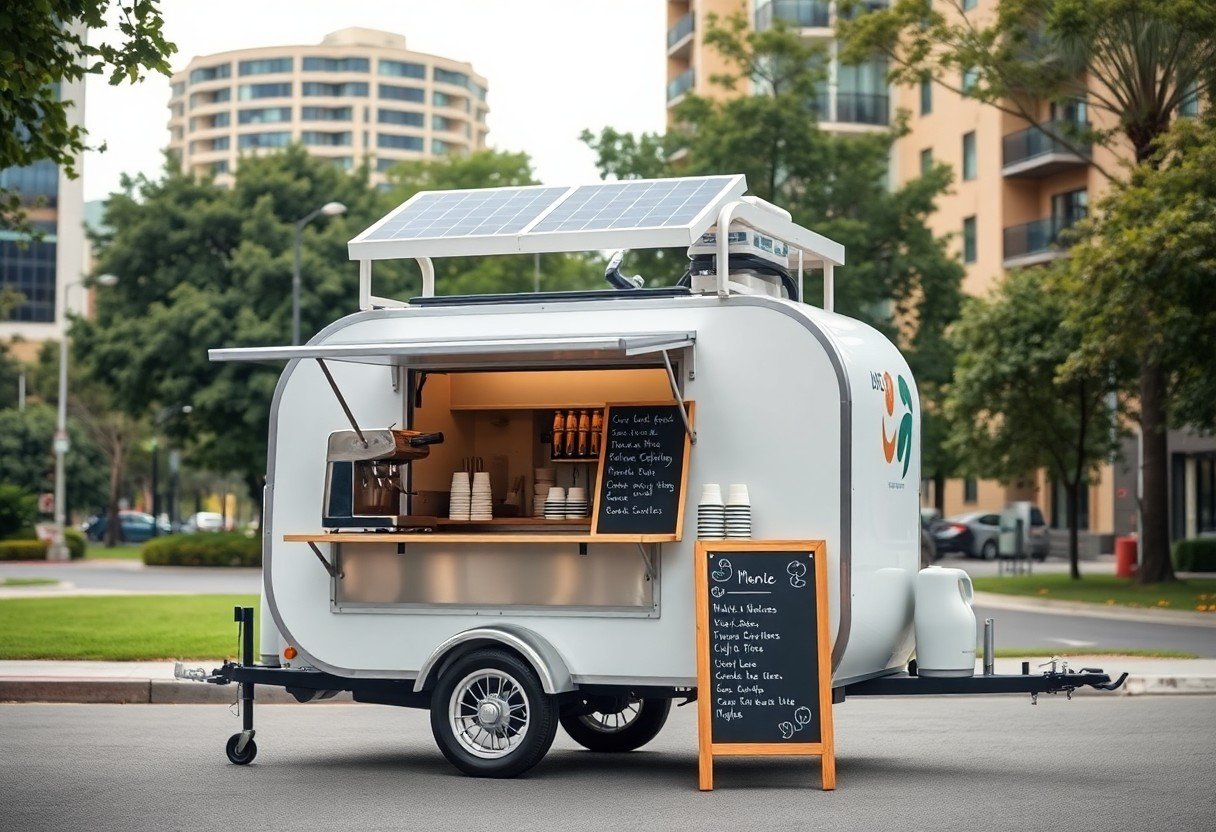
It’s also beneficial to assess your power sources. Solar-powered options can significantly diminish your reliance on non-renewable energy. Using a battery backup system allows for smooth operations during power outages, ensuring you can consistently serve your customers. Additionally, educating employees about energy-saving practices can foster a culture of sustainability within your team.
Marketing Your Sustainable Coffee Business
Communicating Your Values
Your brand’s identity hinges on how you effectively communicate your values to your customers. Transparency is paramount; share details about your sourcing practices, sustainable materials, and eco-friendly initiatives through your website and social media platforms. Engaging storytelling can advocate for your mission, transforming customers into loyal supporters. Crafting a compelling narrative around your business allows you to connect with your audience on a deeper level. For more insights, explore From Concept to Reality: Building Your Own Mobile Coffee to enhance your marketing strategy.
Engaging with the Local Community
Involvement in community initiatives such as cleanup drives or educational workshops about sustainability in food and beverage is an excellent way to showcase your commitment. Your impact will resonate with consumers who prioritize supporting businesses that nurture their environment and community. This not only elevates brand awareness but reinforces customer loyalty by aligning with their values.
Monitoring and Improving Sustainability
Assessing Your Impact
To accurately gauge your sustainability efforts, you need to implement a systematic approach for assessing your impact. Begin by tracking key metrics such as waste production, water usage, and energy consumption. For instance, consider conducting a waste audit every quarter to identify what materials you dispose of most frequently. This data will help you pinpoint areas for improvement and establish specific targets, such as reducing single-use plastics by 30% within a year. Utilize tools and software designed for sustainability tracking to streamline this process and generate actionable reports.
Engage with your customers to garner feedback on your practices. Surveys or informal chats can provide insights into their perceptions of your sustainability initiatives, which can be especially useful during peak service events in Adelaide. By combining quantitative data with qualitative feedback, you can create a fuller picture of your operational impact and share this information transparently with your clientele, promoting a shared commitment to sustainability.
Adapting to Feedback and Trends
Staying responsive to feedback and sustainability trends is imperative for maintaining the relevance and effectiveness of your mobile coffee business. After evaluating the feedback gathered from customers and assessing your impact, prioritize making adjustments that resonate with current eco-friendly practices. For example, if your clients express interest in plant-based milk options, consider expanding your menu based on current trends, which can boost both customer satisfaction and sales.
Pay attention to emerging sustainability practices within the coffee industry. By attending workshops, joining forums, and networking with other local businesses, you can stay informed about innovative recycling techniques or new sourcing options for organic beans. This not only enriches your knowledge but also positions you as a leader in sustainability in the Adelaide coffee scene, attracting environmentally-conscious customers and fostering loyalty.
Adapting to feedback also involves experimenting with new ideas based on market trends. If your analytics show a growing preference for reusable cup discounts among customers, implementing a clear discount policy can create an incentive for eco-friendliness while reinforcing your brand’s commitment to sustainability. Ultimately, continuous improvement based on customer input and industry trends will ensure your mobile coffee setup remains not just relevant but exemplary in sustainable practices.
Final Words
To wrap up, creating a sustainable mobile coffee setup in Adelaide requires careful planning and consideration of your environmental impact. Begin by sourcing locally produced ingredients and materials, and prioritize energy-efficient equipment that reduces your overall carbon footprint. Incorporate eco-friendly packaging solutions and encourage customers to bring their reusable cups to minimize waste. Sustainability isn’t just a one-time effort; it’s an ongoing commitment that reflects your brand’s values and resonates with conscientious consumers.
As you develop your mobile coffee business, integrate feedback from your customers and continuously assess your practices. This adaptability will not only enhance your operations but also strengthen your relationships with the community. By focusing on sustainability, you position your mobile coffee setup as a responsible choice for customers, allowing you to thrive in a competitive market while contributing positively to the environment around you.