
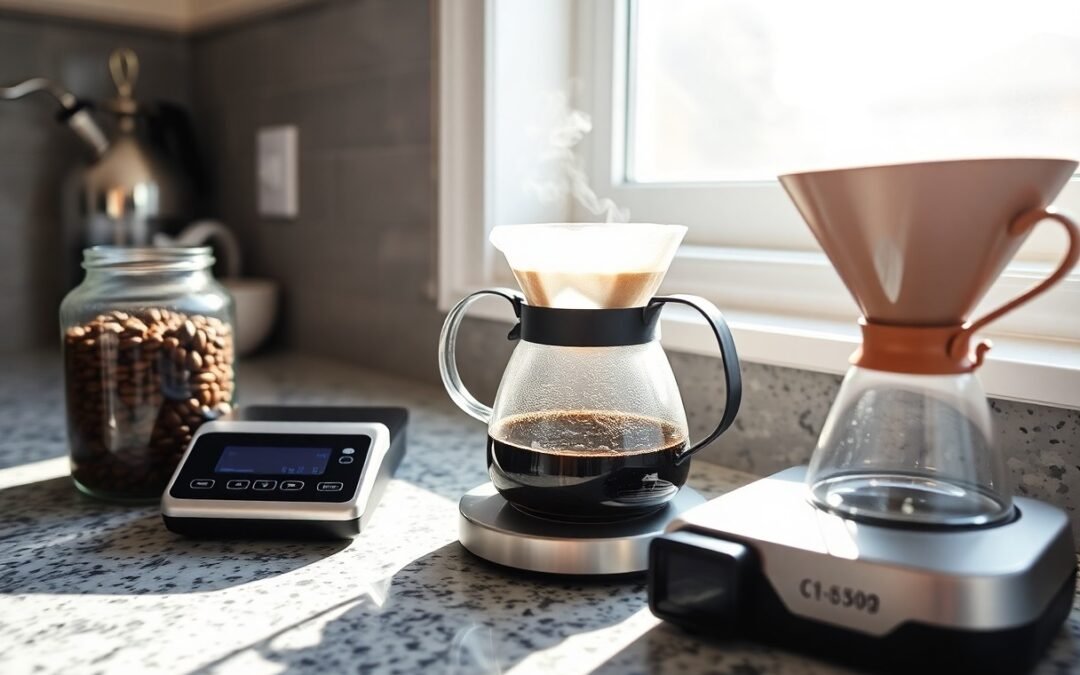
This guide will help you unlock the full potential of your freshly roasted coffee beans from Adelaide. By following this method, you will enhance your coffee’s aroma and flavor, ensuring every cup is a delightful experience. It’s imperative to use the right brewing technique and ingredients, which will lead to a truly satisfying brew. Get ready to enjoy the fragrant essence of Australia’s finest coffee, right in your own home.
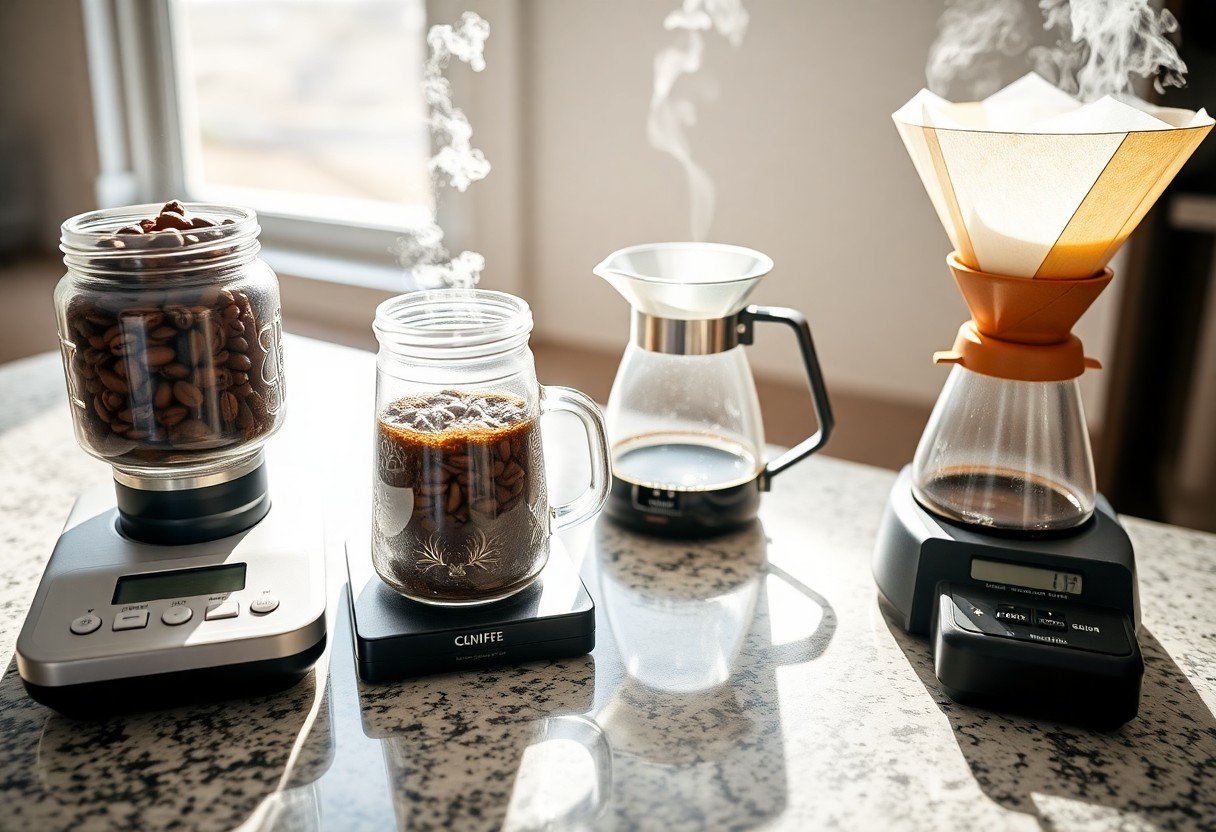
Key Takeaways:
- Choose high-quality, freshly roasted coffee beans sourced from local Adelaide roasters for optimal flavor.
- Utilize proper grinding techniques to match the brewing method, ensuring maximum extraction of aromas and flavors.
- Experiment with water temperature, brewing time, and ratios to customize the brewing process to personal taste preferences.
Understanding Coffee Beans
Types of Coffee Beans
Knowing the different types of coffee beans is imperative for crafting the perfect cup. The two most popular varieties are Arabica and Robusta. Arabica beans are known for their sweet, fruity flavors and smoothness, making them the preferred choice for specialty coffees. In contrast, Robusta has a stronger, more bitter taste and contains more caffeine, often used in espresso blends for added body and crema.
Exploring single-origin coffees can elevate your brewing experience. Each region imparts unique flavor characteristics due to factors like soil, altitude, and climate. For example, beans from Ethiopia are often fruity and floral, whereas those from Brazil offer a rich, chocolatey profile. You might find practical insights on how to get the best grind settings by visiting Any tips for grinding fresh coffee beans?
| Type of Bean | Flavor Profile |
| Arabica | Sweet, Fruity, Complex |
| Robusta | Bitter, Nutty, Strong |
| Liberica | Earthy, Fruity, Unique |
| Excelsa | Fruity, Tart, Dark |
The Roasting Process
The roasting process significantly impacts the flavor and aroma of your coffee. When coffee beans are roasted, they’re subjected to high temperatures which lead to various chemical reactions. This process develops the sugars within the beans, resulting in complex flavors. The degree of roast—light, medium, or dark—affects not only the taste but also the caffeine content and acidity. It’s vital to monitor the roast closely, as overstating can lead to a burnt flavor.
Furthermore, during roasting, beans crack at distinct stages—the first crack signals a light roast while the second indicates a dark roast. Understanding these cues allows you to tailor the roast to your preferences, achieving that perfect balance between acidity and sweetness. Try experimenting with different roasts to find which suits your palate best and enhances the freshness of your brew.
Freshness and Flavor Profile
Freshness plays a vital role in determining your coffee’s flavor profile. Coffee begins to lose its vibrant characteristics within days of being roasted. Ideally, you should consume your freshly roasted beans within two to four weeks for optimal flavor. After this period, the oils within the beans start to oxidize, leading to a stale taste, which can significantly diminish your coffee experience.
Moreover, the method of storage matters. Keeping your coffee beans in an airtight container, away from light, heat, and moisture, ensures they remain fresh longer. If you’re serious about your coffee, consider purchasing small batches of whole beans and grinding them just before brewing. Assume that proper storage and timely usage can transform your daily routine into a delightful aromatic ritual that highlights the true essence of your coffee beans.
Factors Influencing Aroma
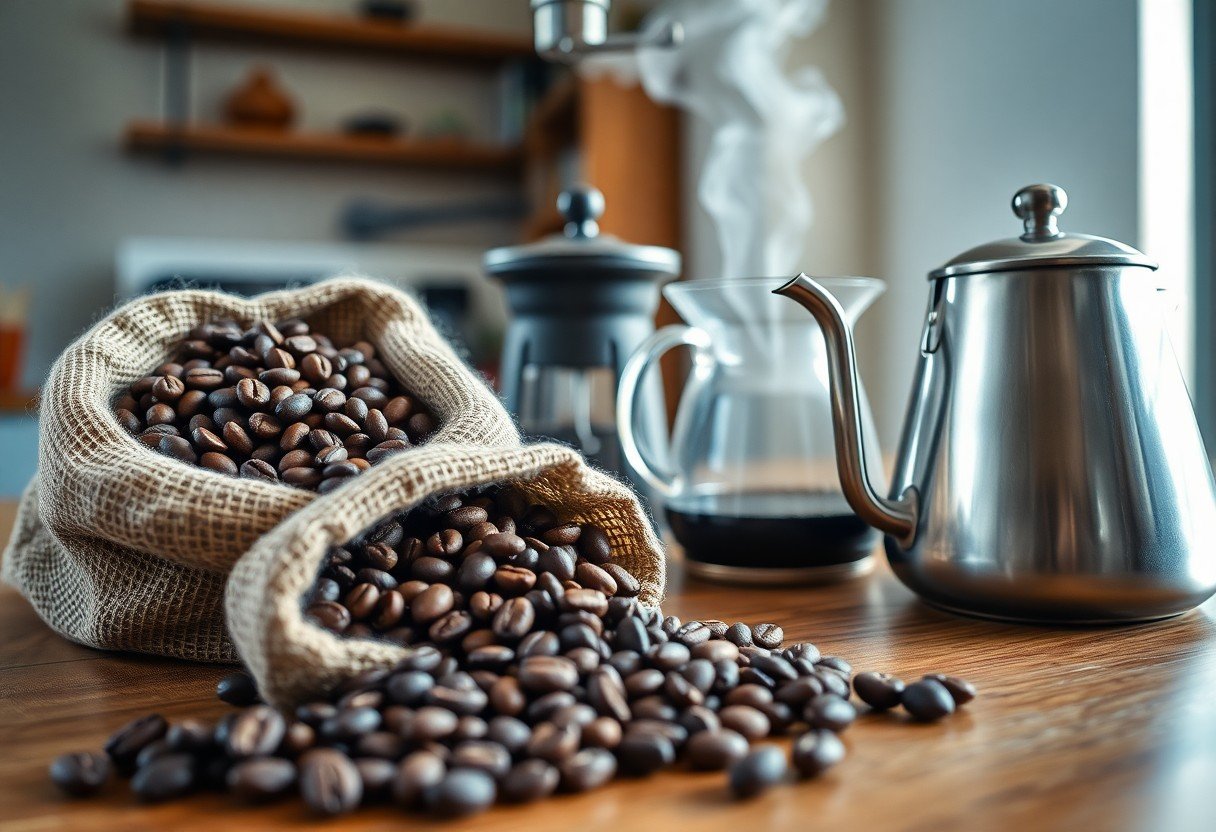
- Origin of Coffee Beans
- Processing Methods
- Roast Levels
Origin of Coffee Beans
The origin of coffee beans plays a significant role in the development of their aroma. Beans sourced from different regions have distinct flavor profiles influenced by climate, soil, and local cultivation methods. For instance, Ethiopian beans are known for their floral notes and brightness, while Colombian beans might present a richer, chocolatey aroma. Your choice in origin determines the foundation of your coffee experience.
Processing Methods
Processing methods are necessary in shaping your coffee’s aroma. The most common methods include washed, natural, and honey processing, each imparting distinct characteristics. For example, natural processing often results in more fruity and bold aromas due to the fruit’s sugars fermenting alongside the beans. In contrast, washed processing typically yields a cleaner and brighter scent, highlighting the bean’s inherent qualities.
The choice of processing method not only affects aroma but can enhance or mask certain notes in the coffee. Understanding these techniques allows you to select beans that align with your desired flavor profile, truly personalizing your coffee experience.
Roast Levels
Roast levels significantly affect the aroma of your coffee, ranging from light to dark roasts. Light roasts, often characterized by bright acidity, can produce floral and fruity aromas, while a medium roast strikes a balance between acidity and sweetness. Dark roasts, on the other hand, can evoke bold and intense aromas with notes of caramel and chocolate. Your roast level selection should mirror your taste preferences and desired aromatic experience.
The roast process itself alters the chemical composition of the beans, developing aromatic compounds like phenols and aldehydes that directly contribute to the final scent. As you explore various roast profiles, you may discover more nuanced flavors that perfectly suit your palate.
Perceiving these factors will help you brew a truly aromatic cup of coffee that resonates with your personal preferences and enhances your overall coffee experience.
Selecting the Right Equipment
Coffee Grinders
Selecting a high-quality coffee grinder is crucial for achieving the desired flavor and aroma from your freshly roasted beans. Burr grinders, for instance, provide a consistent grind size, which is vital for optimal extraction during brewing. You should avoid blade grinders, as they tend to produce uneven particle sizes, leading to over-extraction or under-extraction of flavor compounds. Investing in a grinder with adjustable settings allows you to customize your grind based on your preferred brewing method.
Your brewing experience can greatly benefit from a grinder that has a retention feature, ensuring minimal old coffee bean residue in between uses. This ensures every cup you brew tastes fresh. For an in-depth look at your options, check out The Ultimate Guide To Adelaide’s Best Coffee Roasters.
Brewing Methods
The method you choose to brew your coffee can dramatically impact its flavor profile. Popular options such as pour-over, French press, and espresso each require specific techniques and equipment to highlight the unique characteristics of your beans. For example, a pour-over setup allows for more control over the brewing time and water distribution, enhancing the coffee’s complexity. Alternatively, a French press extracts oils and flavors more robustly, creating a heavier body.
When you brew coffee, the method should align with your personal taste preferences. Experimenting with various techniques is part of the journey to mastering your ideal cup. Acknowledging the differing extraction times and water-to-coffee ratios for each method will further refine your skills.
Be mindful that different brewing methods may require adjustments in grind size, water temperature, and brewing time, making it crucial to understand your chosen method thoroughly.
Temperature Control
Temperature control plays a significant role in extracting the best flavors from your coffee beans. Optimal brewing temperatures typically range between 195°F and 205°F (90°C to 96°C). Brewing at lower temperatures can lead to under-extraction, where the coffee might taste sour, while higher temperatures can result in bitterness. Using a kettle with accurate temperature settings or a thermometer can ensure that your water is at the perfect temperature when you begin brewing.
Another aspect to consider is the thermal stability of your brewing equipment. Materials such as glass and plastic retain heat differently, which can affect the final cup. Choosing equipment designed for heat retention, like stainless steel thermal brewers, can help maintain the desired brewing temperature throughout the process, ensuring consistency.
| Temperature Range | 195°F to 205°F (90°C to 96°C) |
| Materials | Glass, plastic, stainless steel |
| Functions | Heat retention, extraction optimization |
Utilizing the right temperature control techniques ensures that you bring out the best in your coffee. Investing in equipment that allows for accurate temperature settings can elevate your brewing experience and make the difference between a mediocre cup and an exceptional one.
| Consistent Flavor | Minimized variances in taste with controlled heat |
| Enhanced Aroma | Proper extraction of aromatic oils |
Brewing Techniques
Measuring Coffee and Water Ratios
To achieve that perfect cup, getting the coffee-to-water ratio right is vital. A common guideline is to use one to two tablespoons of coffee for every six ounces of water. For a bolder taste, increase the coffee grounds slightly; for a milder flavor, reduce them. This method allows you to fine-tune the strength based on your personal preference while ensuring consistency in each brew.
Utilizing a kitchen scale can help you achieve precise measurements, enhancing your brewing process. For instance, using a ratio of 1:15 (coffee to water) often yields a balanced flavor. A 20-gram dose of coffee with 300 grams of water can serve as a good starting point. Adjusting this ratio based on your taste will lead to a more personalized coffee experience.
Brewing Time and Its Impact
The time your coffee grounds spend in contact with water significantly influences the extraction process. Typically, brew time can range from 2 to 5 minutes, depending on the method used. Shorter brew times tend to produce a lighter and brighter flavor, while longer times can lead to a more full-bodied and robust taste. Pay attention to the brewing method: for instance, a French press might require four minutes, whereas pour-over can be optimized around three minutes.
Over-extraction can lead to bitter flavors in your coffee, while under-extraction can result in a sour taste. Therefore, adjusting the brew time according to your chosen method and grind size is vital for unlocking the aromatic potential of your freshly roasted beans.
For example, if you are using a coarser grind in a French press, extending the brewing time to four or five minutes can extract deeper flavors without tipping into bitterness. On the other hand, a fine grind for espresso requires swift extraction, generally around 25 to 30 seconds. Each method has its nuances, and understanding these nuances helps in maximizing aroma and taste.
Steps for Brewing Aromatic Coffee
Begin by measuring your freshly roasted coffee beans accurately, adhering to the ratios discussed earlier. Next, grind the beans just prior to brewing to capture their vital oils and aromas. Different brewing methods require different grind sizes; for instance, use a coarse grind for French press, medium for drip machines, and fine for espresso. This step is vital, as the grind size affects extraction and ultimately, flavor.
Once your coffee is ground, heat your water to the ideal temperature, typically between 195°F and 205°F (90°C to 96°C). Pour the water over the grounds slowly, allowing them to bloom for about 30 seconds before continuing to pour. This bloom phase ensures that carbon dioxide is released, enhancing the coffee’s flavor and aroma. Maintain a consistent pouring technique to avoid uneven extraction and achieve a well-balanced cup.
For instance, if you’re brewing with a pour-over method, the 360° circular motion when pouring helps saturate the grounds uniformly, leading to optimal extraction. Experimenting with different pouring techniques can unveil richer aromas that previously went unnoticed.
Enhancing Aromatic Qualities
Adding Flavors and Spices
To elevate the aromatic profile of your coffee, consider incorporating flavors and spices directly into the brewing process. Popular options include cinnamon, nutmeg, and vanilla extract. Adding a pinch of cinnamon to your coffee grounds before brewing can create a warm, inviting aroma, enhancing the overall sensory experience. Alternatively, a drop of vanilla extract not only complements the coffee’s natural sweetness but also infuses it with a comforting fragrance.
Experimenting with flavored syrups or infusions can also enhance your cup. Roasted hazelnut or chocolate flavors can infuse the coffee with additional layers of complexity. When doing this, make adjustments gradually; too much can overwhelm the delicacy of the roasted beans.
Proper Storage of Coffee Beans
Storing your freshly roasted coffee beans correctly is vital for preserving their aromatic qualities. Oxygen, moisture, heat, and light are your beans’ main enemies; exposure to these elements can lead to stale flavors and diminished aroma. Use an airtight container, ensuring it’s kept in a dark, cool place to help maintain freshness for weeks.
It’s beneficial to avoid storing coffee in the refrigerator or freezer, as fluctuating temperatures can cause condensation, leading to degradation in flavor. Instead, consider using a dedicated coffee canister with a CO2 release valve to protect your beans from oxidation, ensuring a consistently aromatic cup.
Experimenting with Brew Ratios
Your brew ratio can significantly impact the aromatic output of your coffee. A standard ratio is generally 1:15 (coffee to water), but adjusting this can yield very different flavor profiles. For instance, if you prefer a stronger, more aromatic cup, increasing the coffee to water ratio to 1:12 may intensify the aroma and body.
Finding your ideal ratio involves some trial and error. Keep detailed notes of each brew’s ratios and resulting flavors, which can guide you in refining your approach to match your palate. Each coffee bean’s characteristics can react differently to varying ratios, so exploring beyond standard measurements can lead to delightful surprises.
Focusing on the brew ratio isn’t just about strength; it’s about balance. The ideal ratio may change depending on factors such as the roast level or method of brewing, so continuously adjusting your approach allows for a nuanced understanding of how to craft your perfect cup.
Tips for Perfect Brew
- Use freshly roasted coffee for the best flavor.
- Grind size matters significantly for extraction.
- Water quality directly impacts the taste of your coffee.
- Correct brewing temperature enhances the aroma.
- Experiment with coffee-to-water ratios to find your ideal strength.
Tasting Techniques
When tasting your brewed coffee, focus on the aroma first. Take a moment to inhale the fragrance before you sip. This will engage your senses and enhance the overall experience. You might notice notes of fruit, nut, or even spice—characteristics that come from the beans’ origin and roast level. Swirling the coffee in your mouth releases more flavor compounds and allows you to refine your palate.
After the initial sip, consider the coffee’s body and acidity. You’re looking for a balance that pleases your taste buds. A rich body often feels creamy, while a light-bodied coffee can feel more refreshing. The acidity can range dramatically; some coffees offer a bright, lively acidity that wakes up the palate, while others might have a smooth finish devoid of sharpness. Assessing these elements will deepen your appreciation.
Adjusting for Personal Preference
Your ideal coffee may not be someone else’s, and that’s perfectly fine. Adjusting ground size, brew time, and water temperature allows you to tailor the coffee to your liking. For those who enjoy a bolder flavor, consider using a coarser grind and a slightly longer brew time to maximize extraction. Conversely, if you prefer a milder cup, a finer grind with a shorter steeping time could help achieve that.
Experimenting with different coffees can also personalize your brew. Single-origin beans can have distinct flavors based on their region, so try different varieties and roast levels until you find your favorite. Make note of what you like about each coffee to help refine your brewing process.
Common Mistakes to Avoid
One significant mistake people make is using stale coffee beans. Pre-ground coffee or old beans can lead to lackluster brews with diminished flavor. Always opt for fresh, whole beans and grind them just before brewing to preserve their aromatic qualities. Additionally, many overlook the importance of water temperature. Too hot can scald the coffee, while too cold can result in under-extraction.
Another common error is using the wrong coffee-to-water ratio. This miscalculation can lead to a brew that’s too strong or too weak. A good starting ratio is 1:16, meaning for every gram of coffee, use 16 grams of water. Adjust gradually based on your taste. Ensuring accuracy in your brewing process will result in consistent, excellent coffee.
Final Words
To wrap up, brewing perfectly aromatic freshly roasted coffee beans from Adelaide involves a careful balance of technique and attention to detail. By selecting high-quality beans and mastering the brewing methods that suit your palate, you can elevate your coffee experience significantly. Pay close attention to factors such as grind size, water temperature, and brewing time to enhance the flavor profile of your coffee. For an exemplary guide, consider learning how a perfect espresso shot requires dose, yield, and brew time.
Now that you have the fundamentals in place, don’t hesitate to experiment with different brewing techniques and ratios to find what suits you best. Each cup of coffee should be an exploration of flavors and aromas that can adapt to your preferences. With practice and an understanding of your tools, your coffee ritual will turn into an art form, delivering a consistently delightful experience right in your home.
FAQ
Q: What type of coffee beans should I use for the best aroma?
A: For a perfectly aromatic brew, choose high-quality, freshly roasted coffee beans. Look for beans from regions in South America or Africa, known for their fragrant profiles. Single-origin beans often provide a unique aroma, while blends can offer complexity.
Q: What is the ideal grind size for freshly roasted coffee?
A: The ideal grind size depends on your brewing method. For espresso, use a fine grind. For pour-over, a medium grind works best, while a coarse grind is suitable for French press. Consistent grind size helps achieve optimal flavor extraction.
Q: How much coffee should I use for brewing?
A: A common guideline is to use 1 to 2 tablespoons of coffee per 6 ounces of water. Adjust the amount based on personal taste preferences and the brewing method used to achieve the desired strength.
Q: What temperature should the water be for brewing coffee?
A: The optimal water temperature for brewing coffee is between 195°F to 205°F (90°C to 96°C). Using water at this temperature range helps to extract the maximum flavor and aroma from the coffee grounds.
Q: How can I enhance the aroma of my brewed coffee?
A: To enhance the aroma, use freshly ground coffee right before brewing, ensuring your equipment is clean. Experiment with different brewing techniques such as pour-over or Aeropress, and consider adding a pinch of salt to your coffee grounds to highlight sweetness.