
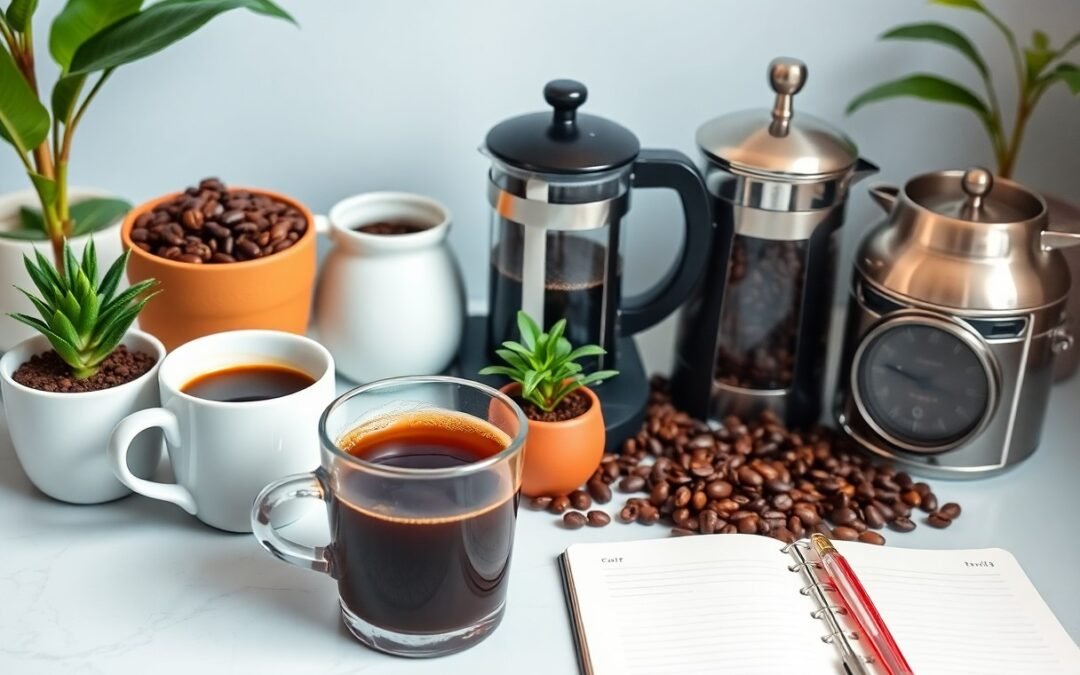
You can achieve the perfect cup of Adelaide coffee in the comfort of your own home by mastering the art of brewing. With the right beans, equipment, and techniques, you’ll unlock the full flavor potential that Adelaide coffee is renowned for. This guide will walk you through the imperative steps, from selecting quality beans to precise brewing methods, ensuring your coffee is both rich and balanced. Elevate your morning routine and impress your guests with your newfound coffee skills, bringing the essence of Adelaide’s café culture right to your kitchen.
Understanding Adelaide Coffee
The Origins of Adelaide Coffee
Adelaide’s coffee culture has deep roots that trace back to the immigration waves of the 20th century when Italian migrants introduced espresso and café culture to the city. Over the years, this evolved into a unique blend that reflects local tastes, giving rise to a thriving coffee scene. You can explore the evolution of these traditions in more detail I made a (fairly) comprehensive guide to brewing good …, highlighting how artisanal practices emerged to elevate coffee preparation and appreciation in Adelaide.
Additionally, the commitment of local roasters to source high-quality beans has further shaped the landscape. Local coffee roasteries are now celebrated for their innovative approaches and dedication to sustainability, forging partnerships with farmers from various coffee-growing regions. This dedication not only enhances the flavor but also broadens your understanding of the coffee production process.
Flavor Profiles and Characteristics
The flavor profiles of Adelaide coffee are as diverse as its cultural influences. You might experience rich, chocolatey notes typical of blends from South America, while also encountering the floral and fruity nuances found in African coffees. Single-origin coffees are often spotlighted, showcasing brightness and complexity that can vary dramatically from cup to cup. Local cafes frequently emphasize seasonal offerings, allowing you to explore how different roast levels and brewing methods can affect taste.
Another important characteristic of Adelaide coffee is the emphasis on brewing techniques. You’ll often find pour-over and cold brew methods being popular among enthusiasts who seek precision and clarity in flavor. Engaging with these techniques not only improves your brewing skills but also deepens your appreciation for the subtle differences present in various beans.
Ultimately, the flavor profiles you encounter will vary based on the roast, brewing method, and origin of the beans. Engaging with local baristas and participating in tastings can help refine your palate, enabling you to discern the intricacies in each cup you brew at home.
Essential Brewing Equipment
To achieve a perfectly balanced Adelaide coffee at home, the right equipment is key. Investing in quality brewing tools not only enhances the flavor but also improves the overall coffee experience. You should start with a reliable coffee maker, which allows for precise control over brewing time and temperature. Options like pour-over drippers, AeroPress, or French presses are popular due to their ability to extract the full flavor of the coffee beans. Explore How to Make Great Coffee at Home (Without an Espresso … for more guidance on selecting the best brew method for your taste preferences.
Recommended Coffee Makers
Your choice of coffee maker can significantly influence the flavor profile of your brew. Drip coffee machines are user-friendly and suitable for those brewing larger quantities. On the other hand, if you prefer a more hands-on approach, pour-over methods such as the Hario V60 provide precision and control, allowing you to enjoy complex flavors. The AeroPress is another versatile option, perfect for travel and producing a concentrated coffee similar to espresso.
Accessories for Optimal Brewing
Enhancing your brewing experience extends beyond just selecting a coffee maker. A quality grinder is necessary since freshly ground beans yield a more flavorful cup. Burr grinders are recommended for their ability to produce even grinds, necessary for optimal extraction. Additionally, investing in a precise scale helps ensure you’re using the right coffee-to-water ratio, enhancing consistency in your brews. To round out your setup, consider using a thermal carafe to maintain the temperature of your coffee without compromising flavor.
Additional accessories such as a gooseneck kettle provide better control over water flow, which is vital for techniques like pour-over brewing. A good coffee scale will help you achieve the perfect balance every time, as measuring coffee accurately can elevate your drink significantly. Lastly, a quality water filter can also impact coffee flavor immensely, as the quality of water used is often overlooked but plays a critical role in your brew. By equipping yourself with these tools, you’ll set the stage for crafting delicious Adelaide coffee at home.
Choosing the Right Coffee Beans
Types of Beans for Adelaide Coffee
Selecting the right type of coffee bean plays a significant role in crafting a balanced cup. Arabica and Robusta are the two primary varieties that you will encounter. Arabica beans are generally favored for their smooth, nuanced flavors, often described as bright and fruity, making them suitable for espresso and filter coffee. On the other hand, Robusta beans tend to have a stronger, more bitter profile with a higher caffeine content, lending themselves well to blends that require a bolder taste.
- Arabica: Mild, sweet, and aromatic;
- Robusta: Bitter, strong, and full-bodied;
- Single-Origin: Unique flavor profiles based on region;
- Blends: Combine beans for a balanced taste;
- Specialty: High-quality beans with distinct characteristics.
The choice between these types usually depends on your personal preference and brewing method.
| Type of Bean | Description |
|---|---|
| Arabica | Smoother, sweeter flavor, ideal for various brews. |
| Robusta | Stronger, earthier taste, higher caffeine content. |
| Single-Origin | Coffee sourced from one location, distinct flavors. |
| Blends | Combines different beans for complexity and balance. |
| Specialty | Premium quality, unique tasting notes, often limited. |
Sourcing Quality Coffee
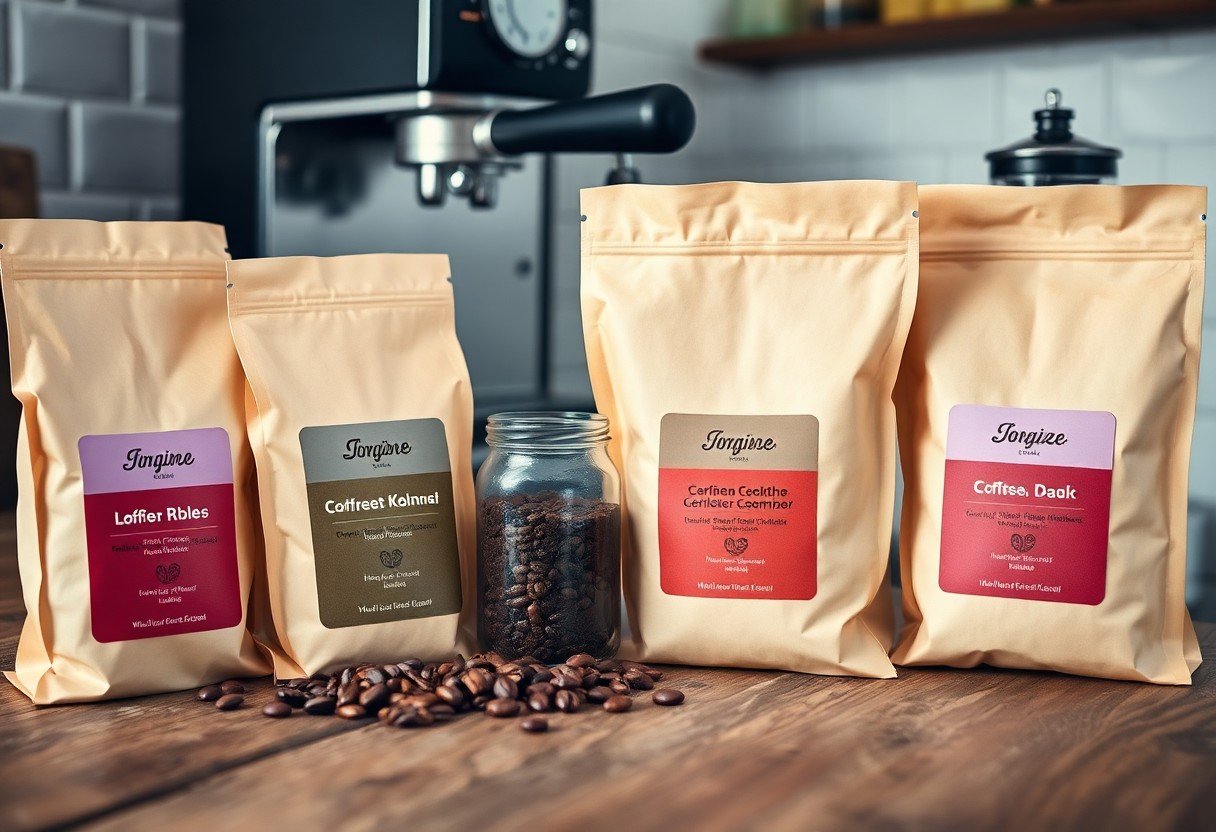
Your next step is sourcing high-quality coffee beans to ensure the best brewing experience. Look for beans that are freshly roasted and sourced from reputable suppliers or local roasters in Adelaide. This not only supports the local economy but also gives you access to unique blends and single-origin coffees that enhance the flavor profile of your brew. When you buy directly from roasters, the freshness is guaranteed, which can make a substantial difference in taste.
Additionally, consider the roast date when purchasing your coffee. Ideally, you want beans no older than two weeks from their roast date to achieve optimal flavor. This freshness ensures that the necessary oils and flavors are preserved, providing you with a vibrant coffee experience. Engaging with local coffee communities can also provide you with insights into the best beans available, as they often have established connections with quality suppliers.
The Brewing Process
Measuring Coffee and Water
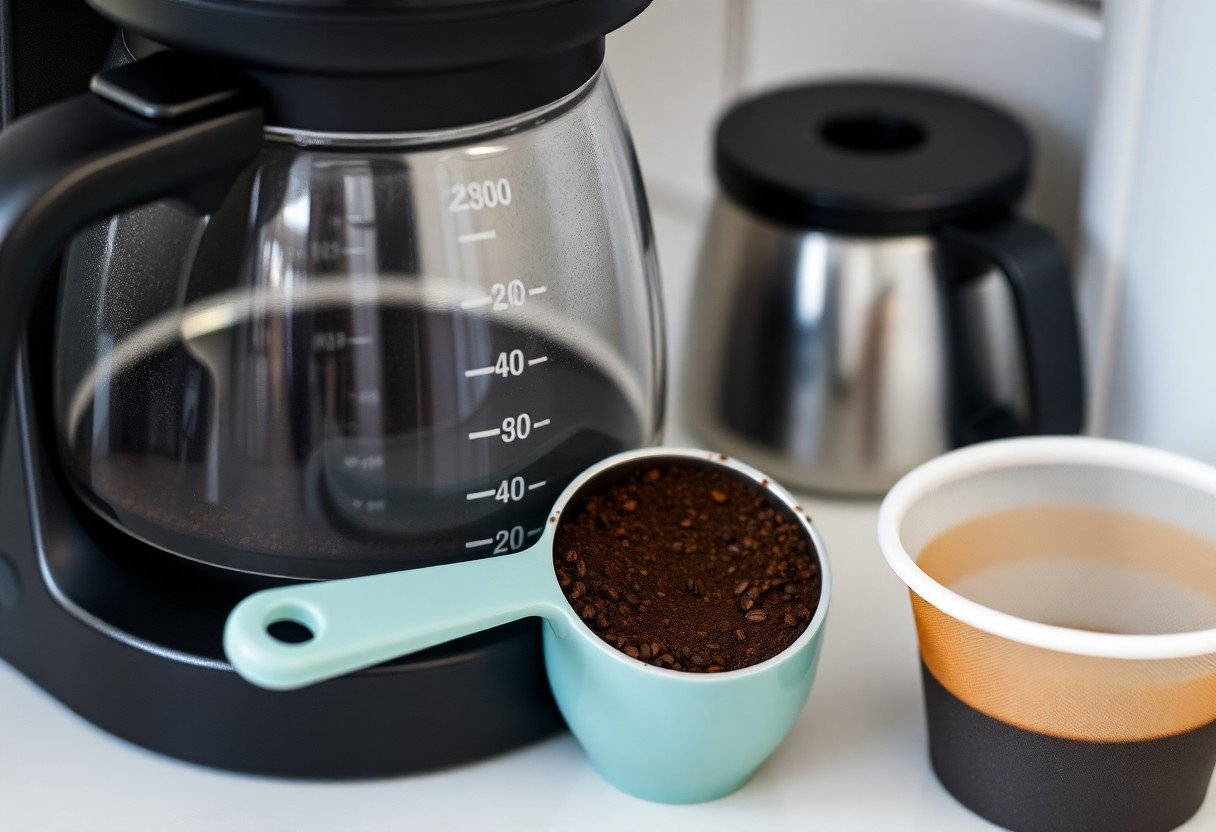
The foundation of a perfectly balanced cup lies in the precision of your measurements. Start with the coffee-to-water ratio, which is often set at 1:15 for standard drip coffee. This means for every gram of coffee, you should use 15 grams of water. If you’re aiming for a single cup, about 15 grams of coffee will pair nicely with 225 grams of water. Invest in a digital scale to ensure accuracy; this will significantly enhance your brewing consistency.
If you prefer a stronger brew, adjusting the ratio towards 1:14 may suit your taste. It’s important to adapt based on the bean type and roast level; darker roasts may require less coffee than lighter ones due to their more pronounced flavor. By fine-tuning your measurements, you create a balanced extraction that harmonizes flavors and aromas.
Brewing Techniques
Your choice of brewing equipment greatly affects the final cup. French press, pour-over, and espresso machines each extract different flavor profiles and require specific techniques. For instance, a French press allows for a fuller body due to its longer steeping time, while the pour-over method gives you control over water flow, influencing extraction rates. Experimenting with each method can help you discover which one captures the essence of your chosen Adelaide beans best.
Choosing a technique that complements your coffee bean selection is important. For instance, lighter roasts generally shine with methods allowing for greater clarity like pour-over or Aeropress, while darker roasts can benefit from immersion styles such as French press, which add body and richness to the cup.
Timing and Temperature Considerations
The timing of your brew significantly impacts the extraction of flavors. A general guideline is to steep coffee for about 4 minutes using a French press, whereas a pour-over should take around 2-3 minutes. Keeping an eye on these times ensures that you achieve the ideal flavor balance. For espresso, the focus lies more on the extraction time, which should be meticulously timed to avoid over-extraction, leading to bitterness.
Temperature plays an equally critical role; the ideal brewing temperature generally ranges between 90°C and 96°C. Water that’s too hot can scorch the coffee, while water that’s too cool results in under-extraction. Using a thermometer to monitor water temperature can enhance your brewing precision, allowing you to extract desirable compounds effectively.
Timing and Temperature Best Practices
| Brewing Method | Optimal Time & Temperature |
|---|---|
| French Press | 4 minutes at 93°C |
| Pour-Over | 2-3 minutes at 90-96°C |
| Espresso | 25-30 seconds at 92-94°C |
Consistent monitoring of both timing and temperature can elevate your home brewing experience. The integration of specific techniques and tools, such as timers and thermometers, will ensure that you’re targeting optimal extraction, allowing your selected Adelaide bean flavors to truly shine.
Temperature Best Practices
| Brewing Method | Ideal Water Temperature |
|---|---|
| French Press | 93°C |
| Pour-Over | 90-96°C |
| Espresso | 92-94°C |
Achieving Balance in Flavor
Adjusting Grind Size
Finding the ideal grind size is necessary for a balanced flavor profile. A finer grind increases the surface area of the coffee, leading to a quicker extraction and bolder flavors, which can amplify bitterness if left too long in contact with water. Conversely, a coarser grind requires more time to brew, often resulting in a weaker cup if not monitored properly. Experiment with grind sizes in small increments to discover what best complements your chosen beans and brew method.
For instance, if you’re using a French press, a coarse grind is recommended to prevent over-extraction and sediment accumulation. For espresso, a fine grind is necessary to generate the pressure needed for the brewing process. Take notes on your adjustments; this will help you identify the grind size that provides a harmonious balance of acidity, sweetness, and body in your cup.
Tinkering with Brew Ratios
Your coffee-to-water ratio significantly impacts the overall taste of your brew. Typically, a standard ratio of 1:15 (1 part coffee to 15 parts water) serves as a good starting point, but adjusting this based on your taste preferences and brewing method is necessary. A ratio of 1:12 will yield a more robust flavor, while a ratio of 1:18 might present a milder cup. Finding your perfect balance will involve some trial and error, so be prepared to experiment.
Keep in mind that various brewing methods may require different ratios. For example, espresso typically uses a 1:2 ratio, while pour-over may lean toward 1:16. Always ensure that you’re accurately measuring both your coffee and water to maintain consistency. Utilizing a scale can help you achieve precise measurements each time, leading to a more controlled brewing experience.
As you adjust your brew ratios, take the time to taste and evaluate each cup. Note how each adjustment alters the flavor profile-does it enhance sweetness or acidity, or perhaps introduce a new layer of complexity? This iterative approach will refine your palate and ultimately elevate your coffee brewing skills to new heights.
Troubleshooting Common Issues
Over-extraction vs. Under-extraction
When brewing coffee, it’s important to strike a balance between extraction levels. Over-extraction occurs when the water extracts too many compounds from the coffee grounds, resulting in a bitter taste with a harsh finish. This can happen if you brew your coffee for too long or use water that’s too hot. Aim for a brewing time of around 4 to 5 minutes for methods like French press to avoid this issue. If your coffee tastes overwhelmingly bitter, consider reducing your brewing time or lowering the water temperature.
Conversely, under-extraction leaves your coffee lacking depth and complexity, offering a sour or watery flavor profile. This typically happens when the coffee isn’t in contact with water long enough or if the grind size is too coarse. To combat under-extraction, ensure your grind size is appropriate for your brewing method, such as a finer grind for espresso. If your brew tastes flat, shorten your extraction time while adjusting the grind size to find that sweet spot.
Common Flavor Mistakes
Flavor mistakes often stem from using stale coffee or incorrect brewing parameters. Freshness plays a significant role in flavor; coffee beans should ideally be consumed within two weeks of roasting for optimal taste. If your brew tastes dull or flat, check the roast date of your beans. Additionally, using the wrong coffee-to-water ratio can drastically affect flavor. A common guideline is to use 1 to 2 tablespoons of coffee per 6 ounces of water, but personal preference and grind size can require adjustments.
Another critical factor impacting flavor is water quality. Using filtered or bottled water can enhance your brew, as tap water may contain minerals or chlorine that alter the coffee’s taste. Pay attention to both the grind size and brewing duration you’re using, as these can further influence the outcome. Aiming for consistency in these parameters is key to achieving that balanced cup of Adelaide coffee at home.
Final Words
Considering all points, brewing perfectly balanced Adelaide coffee at home involves understanding the nuances of coffee selection, grinding, and brewing techniques. You should begin with high-quality beans, preferably sourced from local roasters who understand the Adelaide coffee scene. Experiment with various grind sizes and brewing methods to find what best suits your palate, whether it’s a rich espresso or a smooth pour-over. Precision in your measurements and water temperature will significantly enhance your final brew, ensuring that every cup reflects the unique characteristics of the coffee you’ve chosen.
Your coffee experience doesn’t stop at brewing; it extends into how you store and serve your coffee. Invest in proper storage containers to keep your beans fresh, and consider your water quality, as it plays a pivotal role in flavor extraction. As you refine your brewing process, take the time to engage with your coffee community, share your experiences, and continue learning. This journey will not only elevate your skill but also cultivate a deeper appreciation for the art of coffee brewing at home.