
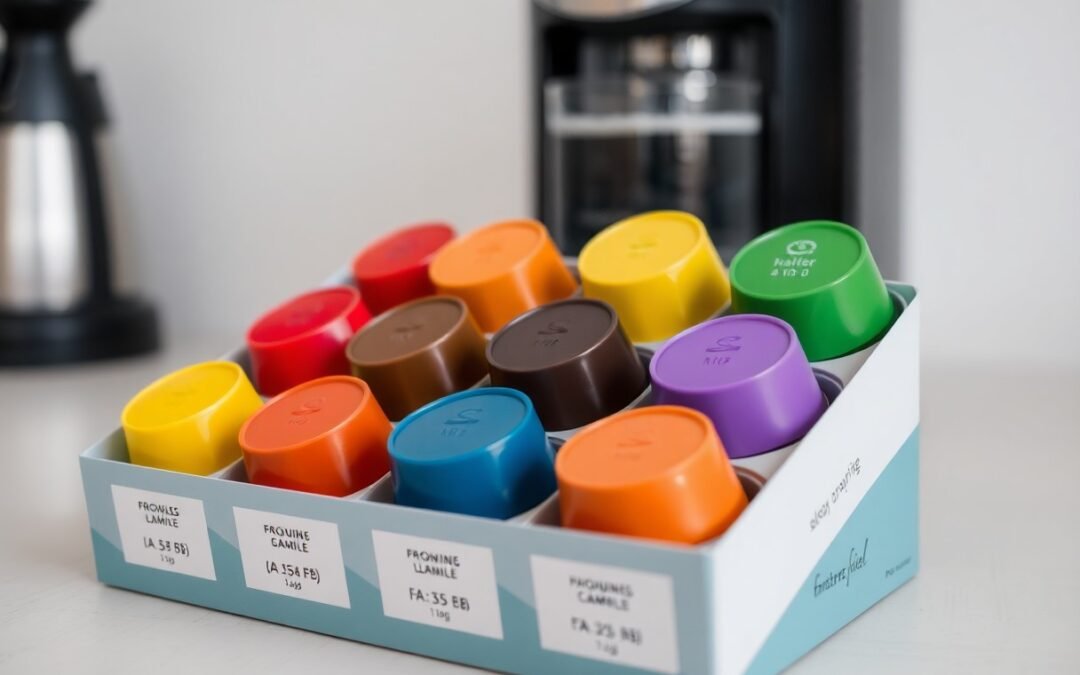
Just as every coffee lover has a unique palate, the world of coffee capsules offers a diverse array of flavors and intensities to explore. In this guide, you will learn how to navigate the different profiles available, from rich and bold to smooth and subtle, ensuring your cup reflects your personal taste. By understanding the various flavor notes and intensity levels, you can optimize your coffee experience, making every sip a delightful journey tailored specifically to you.
Decoding Coffee Capsule Labels: What the Numbers Mean
Flavor Profile Scores: A Taste Chart for Beginners
Understanding flavor profile scores can enhance your coffee experience significantly. These scores, often ranging from 0 to 10, indicate the primary taste attributes of each capsule, such as fruity, nutty, chocolatey, or spicy. For instance, a capsule with a score of 8 for fruitiness means you can expect a pronounced berry or citrus flavor, while a 3 for nuttiness indicates it plays a minor role in the overall taste. Familiarizing yourself with these scores allows you to choose capsules that align closely with your flavor preferences.
Some brands also provide detailed descriptions alongside these scores, offering deeper insight into aroma, acidity, and aftertaste. This information is invaluable for experimenting with different selections while honing in on your favorite combinations. For example, if you enjoy a bright and lively cup, seek capsules with higher acidity scores, as these often deliver refreshing notes that linger on the palate.
Intensity Levels: From Mild to Bold
Intensity levels on coffee capsules typically range from 1 to 12, representing the strength and depth of flavor you can expect. A mild intensity score around 4 is meant for those who prefer a lighter, more delicate coffee, while a bold score of 10 or higher delivers a robust and full-bodied experience. The intensity not only affects strength but can also reflect the richness and complexity of the flavors present. For example, a capsule marked with an intensity of 9 might have deep, dark chocolaty notes and fuller flavors compared to a burst of fruity brightness in a lighter capsule.
Understanding the range of intensity helps you decide what suits your mood and preference on any given day. If you find yourself needing a hearty kick in the morning, opting for a higher intensity capsule might make the difference. Conversely, for a late-afternoon pick-me-up or a more subtle evening treat, a lower intensity option may be more appropriate.

The Flavor Spectrum: Navigating Popular Coffee Capsule Varieties
Distinctive Beans: Understanding the Origins
Regions known for their unique coffee profiles play a significant role in shaping the flavor of your brew. For instance, beans from Ethiopia often exhibit bright acidity with floral and fruit notes, while Colombian varieties are celebrated for their balanced flavors, often featuring a mild sweetness and nutty undertones. Understanding these geographical influences helps you choose capsules that align with your taste preferences, enabling you to appreciate the rich tapestry of flavors available in each cup.
Blends vs. Single-Origin: What’s the Difference?
Blends and single-origin coffees each have their own appeal and intended experiences. Single-origin capsules draw from a specific region, farm, or estate, offering a unique snapshot of the beans’ characteristics influenced by their environment. This focused approach often results in a more vibrant taste profile, allowing you to savor the distinct notes attributed to that specific locale. Conversely, blends combine beans from multiple origins to create a balanced flavor profile, smoothing out potential complexities for a more consistent taste across cups.
With single-origin coffees, you may encounter a more intense flavor journey, as they reflect the unique terroir. For example, a single-origin capsule from Kenya might bring forth bright acidity and berry notes, while a blend might integrate beans to balance acidity and enhance chocolate and caramel flavors. Understanding these differences can guide your choices based on whether you seek to explore distinct characteristics or enjoy a comforting consistency.
The Art of Brewing: Factors That Affect Flavor and Intensity
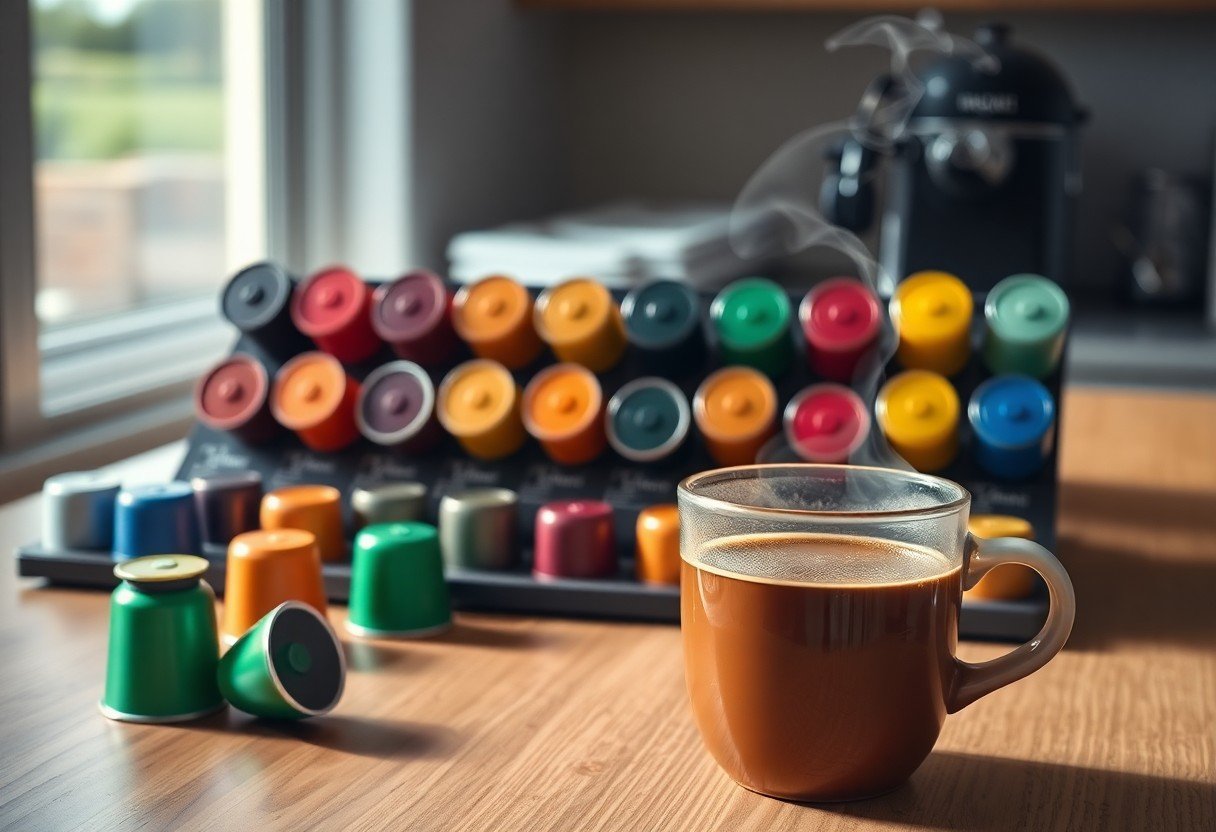
Brewing coffee is an art that relies heavily on several variables, each influencing the final flavor and intensity of your cup. The interplay of these factors can transform an ordinary brew into a remarkable experience. Recognizing and mastering them will enhance not only your understanding of coffee but also your overall enjoyment. Key elements include water quality, temperature, brew time, and methods of extraction. A careful balance ensures you achieve the right profile for your desired flavor.
- Water quality
- Temperature
- Brew time
- Brewing methods
Any slight adjustment can lead to profound changes in taste, proving how vital each factor is in the brewing process.
Water Quality and Temperature: The Unsung Heroes
Water serves as the primary solvent in coffee brewing, making its quality imperative to achieving optimal flavor. Minerals, pH levels, and the absence of impurities all contribute to how well the coffee beans extract flavor. Ideally, the water should be free from contaminants while having a balanced mineral content for extraction. Temperature also plays a pivotal role; brewing coffee between 195°F and 205°F yields the best flavor extraction, while under- or over-heating can result in sour or bitter notes.
Factors Affecting Water Quality and Temperature
| Factor | Impact on Flavor |
|---|---|
| Mineral Content | Affects extraction and body |
| pH Level | Influences acidity and brightness |
| Temperature | Controls extraction speed and profile |
Brew Time and Methods: How They Transform Your Cup
Brew time is directly tied to the extraction process, impacting flavor depth and intensity. Generally, shorter brew times can extract brighter, more acidic notes, while longer durations pull out richer, bolder flavors. The method you choose—whether it’s espresso, French press, or pour-over—determines how these elements play together. For instance, espresso relies on high pressure and short brew time, while French press allows for a longer steep to develop body and richness. Understanding the nuances of these methods will guide you in crafting your ideal cup.
Variations in grind size and water contact time directly influence the extraction levels. For instance, a medium grind paired with a four-minute French press will yield different results compared to a fine grind through a quick espresso machine. Experimenting with these parameters allows you to fine-tune the experience to suit your palate. Any adjustments can lead to a coffee experience that reflects your unique taste preferences.
Customizing Your Coffee Experience: Mix and Match for Perfect Pairings
Pairing Capsules with Complementary Flavors
To elevate your coffee experience, consider pairing your capsules based on flavor profiles that complement each other beautifully. For instance, if you enjoy a rich dark roast, pairing it with a capsule that has hints of chocolate or nutty undertones will enhance the overall taste. Think about mixing a smooth medium roast with a hint of vanilla and a light roast with floral notes; the combination can create a delightful complexity that keeps your palate engaged. Experimenting with flavor bridges, like combining a berry-flavored coffee with a nutty blend, can lead to surprisingly harmonious results.
Don’t shy away from contrasting flavors that can balance each other out, such as a sweet, caramel-infused capsule next to a bold, bitter espresso. The contrast not only creates depth but also allows each flavor to shine through. You might find yourself preferring a personal blend that becomes your signature cup, representing your unique taste preferences. With countless combinations available, it can be fun to keep track of your favorites and discover new pairings over time.
Creating Unique Drinks: Recipes and Tips
Crafting your own unique drinks from coffee capsules opens up endless possibilities for flavor exploration. Start by layering flavors; for example, consider combining a dark roast capsule with frothed milk and a dash of cinnamon for a hearty latte. Another intriguing combo could be an espresso base topped with whipped cream and a drizzle of caramel, elevating a simple coffee into a delightful dessert experience. Utilize your coffee machine to create rich and textured beverages that rival those from cafés.
Incorporating other ingredients can further enhance your creations. You could add flavored syrups, spices, or even ice to transform your cup into an entirely different drink. If you’re feeling adventurous, consider infusing your coffee with herbs or citrus for a refreshing twist. Mixing can lead to discovering not only your preferred coffee flavors but also how they work with complementary ingredients. This creativity turns your morning brew into a personalized masterpiece.
- Explore different frothing techniques to achieve varied textures.
- Experiment with temperatures to unlock new flavor notes.
- Consider adding a splash of flavored creamers for creaminess and sweetness.
- Explore cold brew options by infusing capsules with chilled water to create refreshing drinks.
- This can lead to discovering your signature coffee creation.
Creating unique drinks can also involve simple adjustments to your existing favorites. Start with a basic recipe and tweak one or two elements to see how they alter the flavor profile. For instance, if you normally enjoy your coffee black, try adding a pinch of sea salt or a sprinkle of cocoa powder for a surprising twist. You might also experiment with temperature variations; serving coffee over ice can yield a different texture and taste profile. This facilitates an exciting way to rediscover your usual coffee habits while allowing creativity in the kitchen.
- Use flavored chocolate shavings or grated orange zest for an extra layer of flavor.
- Try topping your coffee with whipped cream and a dusting of cocoa for a coffee house feel.
- Add flavored extracts, like almond or hazelnut, for a different taste adventure.
- Incorporate spices such as nutmeg or cloves for seasonal recipes.
- This can enhance both the aesthetics and flavor of your coffee.
Taste Test Challenge: Developing Your Palate for Coffee
Setting Up a Coffee Tasting: How to Get Started
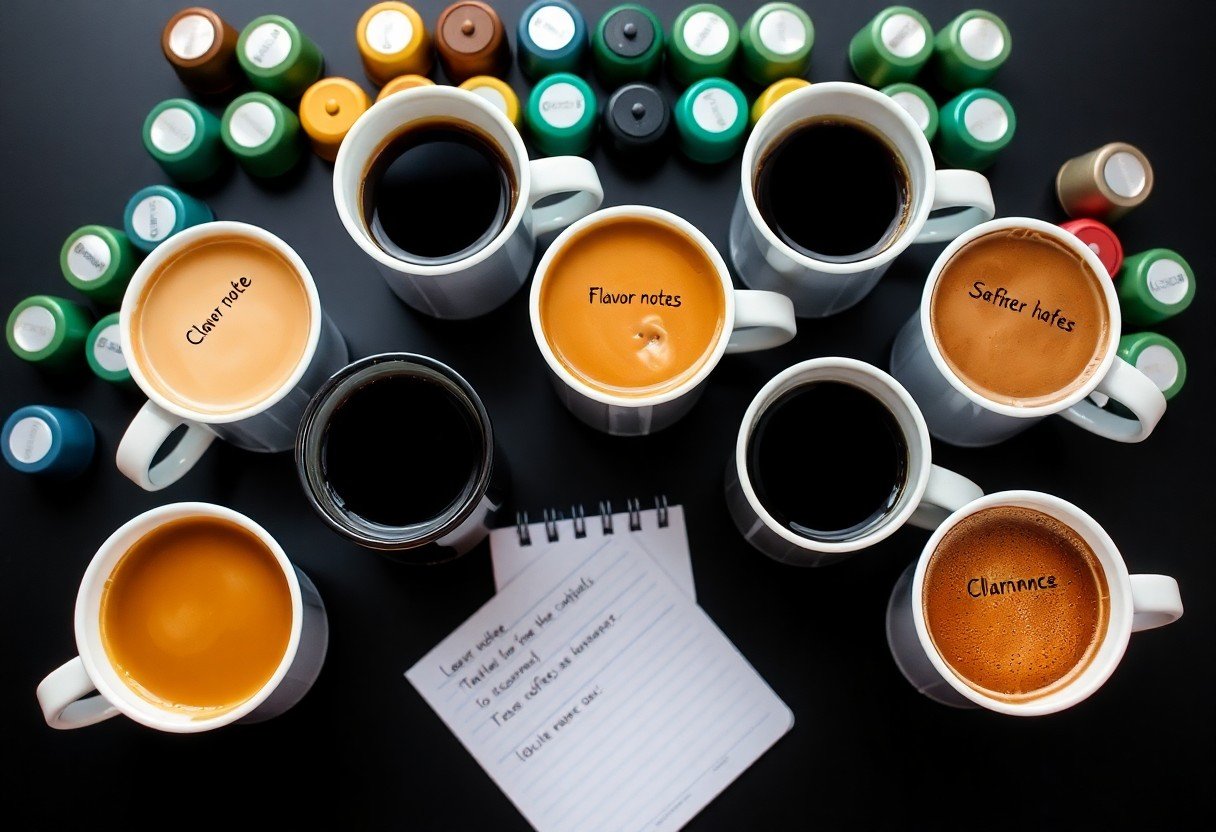
To initiate on your coffee tasting journey, gather a variety of coffee capsules that differ in flavor profiles and intensities. Choose a selection that includes bold, fruity, nutty, and floral notes, which will help you explore the diverse spectrum of coffee tastes. For an effective tasting session, prepare a clean workspace, using clear mugs to observe the color and clarity of the brewed coffee. Set up a tasting grid to score each coffee on aspects such as aroma, taste, acidity, and aftertaste, which will provide a structured way to evaluate your findings.
Before entering into the tasting, brew each capsule according to the manufacturer’s instructions, ensuring consistent preparation methods. Keep water temperature and brew time uniform across all samples for the most accurate comparisons. Having some water and plain crackers on hand will help cleanse your palate between tastings, allowing your taste buds to reset for each new flavor experience.
Recognizing Your Preferences: Notes and Notations
Your tasting notes will play an important role in understanding your preferences. As you taste each coffee, note down specific flavors, aromas, and the intensity of each cup. Use descriptive words like “chocolatey,” “citrusy,” or “earthy” to capture the nuances of each sip. You might find it helpful to create a simple scoring system that allows you to quantify your impressions—this could include ratings from one to five on various attributes such as sweetness, bitterness, and overall enjoyment.
Constructing a coffee journal over time will enhance your ability to recognize patterns in your preferences. By regularly documenting what you like and don’t like, you’ll begin to identify trends that define your coffee palate, such as a preference for lighter roasts with fruity notes or rich, dark brews with chocolate undertones. This record can guide future selections, helping you make informed choices when exploring new coffee capsules.
Summing up
To wrap up, understanding coffee capsule flavors and intensities can significantly enhance your brewing experience. By exploring the diverse options available, you can tailor your coffee to suit your taste preferences and mood. Whether you enjoy a bold, robust espresso or a delicate, aromatic blend, familiarizing yourself with these elements allows you to choose the perfect capsule for any occasion.
As you navigate the variety of flavors and intensities, keep in mind that each coffee capsule offers a unique experience. Experimenting with different brands and blends will help you discover what resonates with your palate. With this knowledge, you can confidently brew your ideal cup, making your coffee moments more enjoyable and satisfying.
FAQ
Q: What are coffee capsules?
A: Coffee capsules are single-serve containers filled with ground coffee, designed for use in compatible coffee machines. They offer convenience and a variety of flavors and intensity levels.
Q: How do I choose the right coffee capsule flavor?
A: Start by exploring different flavor profiles such as fruity, nutty, or chocolatey. Experiment with brands and specific blends to find what suits your taste preferences best.
Q: What does coffee intensity mean?
A: Coffee intensity refers to the strength of the flavor and body of the coffee. It is often rated on a scale, with higher numbers indicating a bolder, more robust taste.
Q: Are all coffee capsules compatible with my machine?
A: No, compatibility varies. Always check the specifications of your coffee machine and the capsule brand to ensure they are designed to work together.
Q: Can I recycle coffee capsules?
A: Many brands offer recycling programs for their capsules. Check the packaging or the company’s website for specific instructions on how to recycle them properly.