

Roastery selection can make or break your coffee experience, especially in Australia, where local roasters offer a diverse range of beans. Understanding how to choose the right coffee beans tailored to your taste preferences is necessary for brewing that perfect cup at home. In this guide, you’ll discover key factors to consider, from bean origin to roast levels, ensuring you make informed choices that elevate your coffee game.
The Art of Bean Selection: From Farm to Cup
Understanding the Impact of Coffee Growing Regions
Coffee’s flavor profile is heavily influenced by its growing region, which includes altitude, climate, and soil conditions. For instance, beans cultivated in higher altitudes, such as those from the Ethiopian Yirgacheffe or Colombian Quindio, often exhibit bright acidity and complex flavors. In contrast, lower elevation beans, commonly found in Brazil, tend to have a sweeter, fuller body. Consider how these factors interact with your personal taste preferences; if you enjoy fruity notes, exploring beans from regions like Africa might be a great start.
Additionally, the processing method used after harvest also plays a significant role in flavor development. Washed coffees, generally from Central and South America, offer clean and bright profiles, while natural processed coffees from regions like Ethiopia provide a more fruity and fermented taste. Delve into the diverse characteristics these regions provide to find the perfect fit for your palate.
Navigating Coffee Bean Varietals and Their Unique Flavors
Varietals are specific subspecies of coffee plants that contribute distinct flavor components to your brew. Popular varietals like Arabica and Robusta have different profiles; Arabica is known for its sweetness and nuanced flavors, while Robusta offers a stronger, more bitter taste with higher caffeine content. When exploring options, consider trying various single-origin coffees that highlight these varietals to discover what resonates with you.
Your experience can expand further by sampling lesser-known varietals such as Geisha or SL28, each bringing unique flavor nuances to the cup. Exploring these options can lead you to unexpected favorites, so seek out roasteries that curate selections based on varietal characteristics. Engaging with communities, like the conversations happening in Australian Roaster/Bean Recommendations? : r/espresso, can provide insights into flavors you might not have considered yet.
Decoding the Roast Spectrum: Finding Your Flavor Profile
The Science Behind Light, Medium, and Dark Roasts
Light roast coffee tends to retain more of the bean’s original flavors and acidity. This roast level showcases bright, fruity notes and a crisp finish, allowing you to explore the unique characteristics derived from specific regions. Beans are roasted for a shorter time, typically around 9-11 minutes, often reaching an internal temperature of 180-205°C. You’ll notice floral and citrus accents that can sometimes surprise even seasoned coffee drinkers.
Medium roasts balance the bright acidity of light roasts with the deeper, caramelized sugars found in darker varieties. Roasting time extends to about 11-13 minutes, with temperatures reaching 210-220°C. This level often reveals a more rounded flavor, making it popular for those seeking complexity without sacrificing body. Expect notes that can range from nutty to chocolatey, creating a harmonious blend that appeals to a broader audience.
How Roast Levels Influence Caffeine Content and Taste
The misconception that dark roasts contain more caffeine than light roasts often stems from the bolder flavor profile and the psychological association of strength. In reality, light roasts generally have slightly higher caffeine because the longer a bean is roasted, the more caffeine breaks down. For example, if you brew an espresso shot using light roast beans, it tends to pack more caffeine than one made with dark roast due to its denser composition after the roasting process.
Flavor complexity also shifts with roast levels; light roasts exhibit more acidity and brighter notes, while darker roasts emphasize deep, smoky flavors. A study by the Specialty Coffee Association highlights that coffee drinkers may prefer medium roasts for their combination of acidity and body, effectively enjoying the best of both spectrums.
Understanding how roast levels influence caffeine and taste empowers you to make informed choices. Experimenting with various roasts can lead to delightful discoveries. A brewing method like pour-over could enhance the nuanced flavors of light roasts, while French press may better complement the rich notes of a dark roast. Choose based on your palate and mood, and let the experience guide you toward the perfect cup.
The Roast Master: What to Look for in a Quality Roastery
Exploring Roasting Techniques and Their Effects
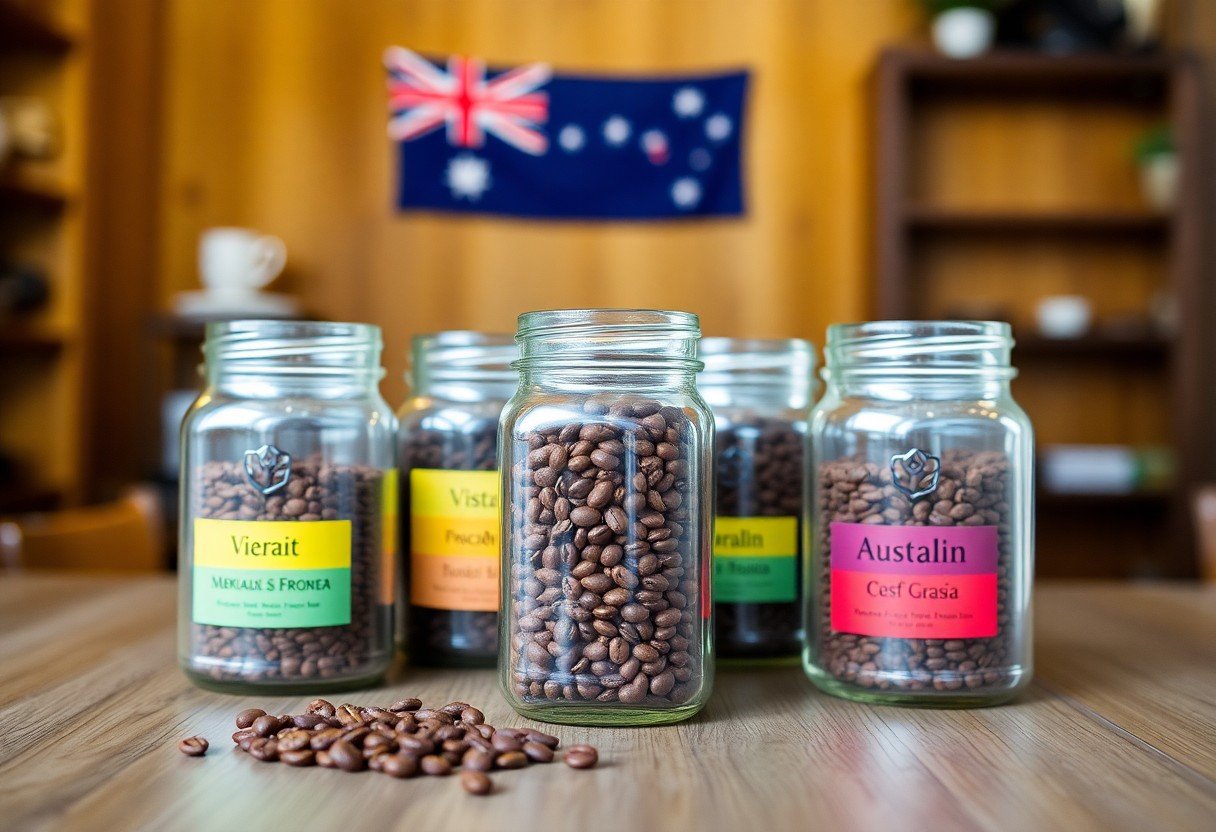
Your choice of roastery can significantly influence the coffee you brew at home. Each roasting technique impacts flavor, aroma, and body. The varying levels of light, medium, and dark roasts impart distinct characteristics; for instance, lighter roasts often showcase more acidity and floral notes, while darker roasts deliver a richer, more robust taste with chocolatey undertones. Some roasteries might specialize in single-origin beans, highlighting a region’s unique flavor profile, which can result in an exceptionally diverse cup. Understanding these nuances helps you select beans that align with your personal taste preferences.
Consider the method of roasting as well. Air roasting, drum roasting, and hybrid methods each contribute differently to the overall flavor. Air roasting circulates hot air around the beans, resulting in a cleaner, brighter flavor, whereas drum roasting allows for more even heat distribution, often leading to a more rounded cup. Examining these techniques not only enhances your coffee experience but also connects you to the skill and artistry of the roasters themselves.
Significance of Freshness and Sourcing Practices
Freshness in coffee beans is paramount for achieving optimal flavor. Beans begin to lose their desirable qualities soon after roasting, making it important to source from roasteries that prioritize quick turnaround from roast to sale. Look for roasteries that provide roast dates on their packaging; ideally, you should consume your coffee within a few weeks of roasting for peak flavor and aroma. Additionally, sourcing practices are equally important, as they contribute to sustainability and quality. Ethically sourced beans not only support farmers but also enhance the overall flavor derived from optimal growing conditions.
A reputable roastery will often have established relationships with coffee producers, ensuring they receive high-quality beans that meet stringent standards. These connections typically mean a commitment to ethical sourcing, where environmental impacts and fair wages are prioritized. Understanding the journey of your coffee beans—from farm to cup—adds depth to your brewing experience and fosters a greater appreciation for the meticulous craft of coffee production.
Tasting and Testing: A Beginner’s Guide to Coffee Sampling
Essential Tasting Techniques to Refine Your Palate
Focusing on your senses is key to developing a refined coffee palate. Start by evaluating the coffee’s aroma. Inhale deeply before sipping, allowing your nose to pick up on the complex scents that can range from fruity and floral to nutty and chocolaty. Sipping the coffee, pay attention to the flavor profile. Let it roll over your tongue, noticing primary flavors and any subtle notes that emerge. Texture and acidity are also necessary; consider how the coffee feels in your mouth and the tanginess it may possess. A good practice is to compare coffees side by side to observe differences based on origin, roast, and brewing method.
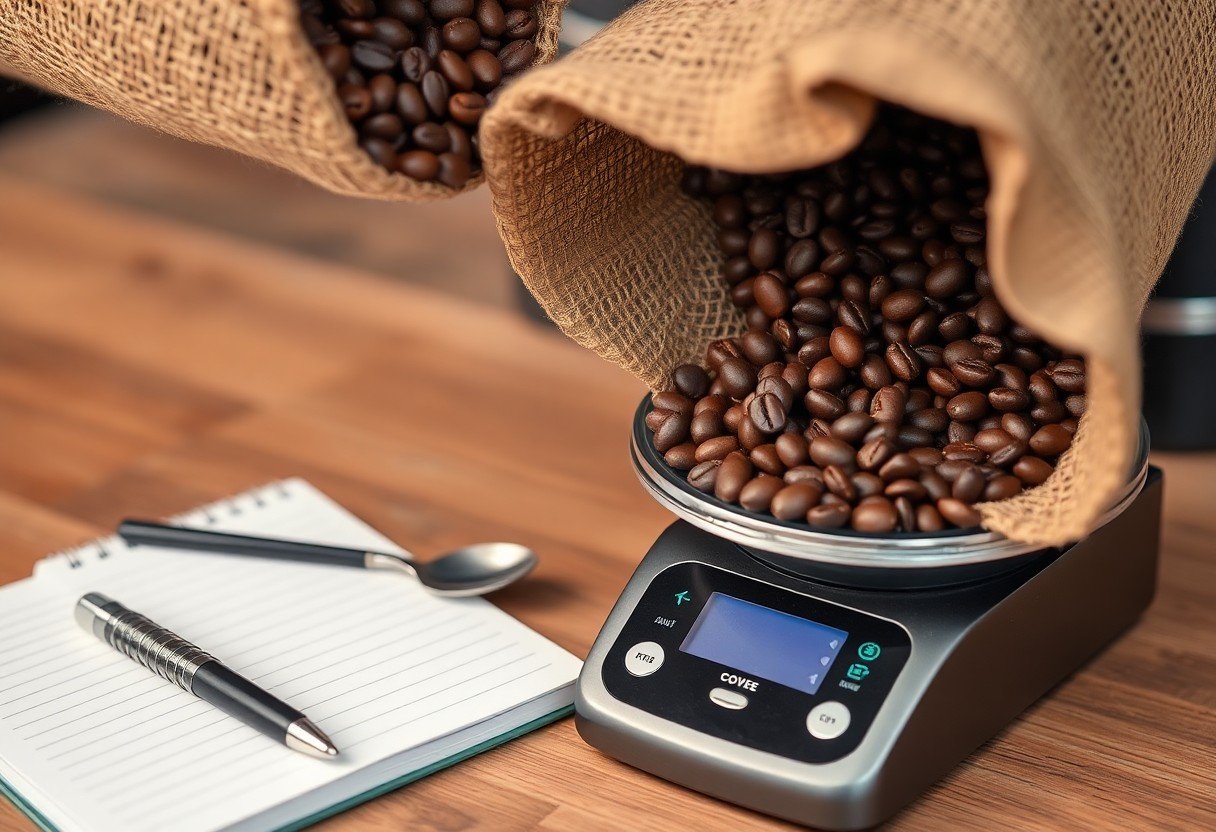
Measuring and documenting your observations can enhance your tasting experience. Use a scoring system, evaluating each aspect of the coffee—aroma, flavor, aftertaste, acidity, and body—on a scale from one to ten. Cupping methods can further standardize your tasting process. Prepare a sample by grinding coffee to a uniform size, steeping it in hot water, and then tasting it straight without milk or sugar to get an unmasked experience. This systematic method allows for better comparisons and a clearer understanding of your preferences.
Creating a Coffee Tasting Journal for Personal Preferences
Keeping a coffee tasting journal is an effective way to document your experiences and create a personalized reference for future brewing. Start by recording details such as the coffee’s origin, processing method, roast profile, and even the brew method employed. Note your sensory experiences in terms of flavor, aroma, and even aftertaste, providing a comprehensive picture of what you enjoyed and what you didn’t. Over time, patterns will emerge that will help you pinpoint the types of beans, roasts, and brewing techniques that suit your taste.
Leverage this journal not just for documentation but as a learning tool. For example, if you notice a trend where you consistently enjoy bright, fruity coffees, you can actively seek out beans from regions known for those profiles, such as Ethiopia or Kenya. Including personal anecdotes about the coffee experience—like the atmosphere in the café or the mood you were in—will enrich your journal and make it an enjoyable read later. This practice will help solidify your preferences and enrich your overall coffee journey.
The Home Brew Experience: Pairing Beans with Brewing Methods
Selecting the Right Coffee for Your Brewing Process
Choosing the right coffee beans for your preferred brewing method can elevate your home brew experience significantly. For instance, a coarser grind works best for methods like French press, where longer extraction times allow for a fuller flavor. Conversely, finer grinds are suited for espresso machines, resulting in a rich and concentrated shot. Take into account the origin and flavor profile of the beans; a light roast from Australia may shine in a pour-over, highlighting its bright acidity, while a darker roast can provide the boldness desired in an espresso.
Your brewing method will also influence the ideal roast level. Pour-over techniques often benefit from medium roasts that balance acidity and sweetness, whereas cold brew typically calls for coarser, darker beans to create a smooth, rich flavor. Explore the nuances of different brewing methods as they interact uniquely with your selected coffee, ultimately enhancing your overall enjoyment.
Experimenting with Techniques to Enhance Flavor
Once you have your beans and brewing method nailed down, it’s time to experiment with various techniques that amplify flavor. Adjusting factors such as water temperature, brew time, and coffee-to-water ratio can make a significant difference. For example, brewing with water that’s too hot can lead to over-extraction, resulting in bitterness, while using cooler water might produce a sour brew. Finding the sweet spot for water temperature, usually around 195°F to 205°F, can help achieve a balanced cup.
Consider playing with steeping times as well. A longer steep can extract more oils and flavors, but be mindful not to overdo it, as this could lead to astringency. Additionally, the grind size can be altered to test different flavor profiles. Every single variable you manipulate opens doors to new tastes, allowing you to tailor your coffee experience to match your unique palate.
Summing up
To wrap up, selecting the right coffee beans from an Australian roastery involves understanding your personal preferences and the characteristics of various coffee types. By taking into account factors such as origin, roast level, and flavor profiles, you can make informed decisions that suit your taste. Explore different roasteries, ask for recommendations, and don’t hesitate to try samples to find the beans that truly resonate with your palate.
Your journey to finding the perfect coffee beans is an enjoyable exploration. Embrace the variety available in the Australian coffee scene, and take the time to refine your palate. With a bit of experimentation, you’ll discover the ideal beans that elevate your coffee experience and bring joy to your daily routine.
FAQ
Q: What factors should I consider when selecting coffee beans from an Australian roastery?
A: Consider the roast level (light, medium, dark), flavor notes, origin of the beans (such as single-origin vs. blends), freshness, and whether you prefer organic or ethically sourced options.
Q: Are there specific regions in Australia known for high-quality coffee beans?
A: Yes, regions such as Northern New South Wales and Queensland are known for their unique coffee flavor profiles, thanks to their ideal climate and growing conditions.
Q: How can I determine the roast date of coffee beans?
A: Check the packaging for a printed roast date. Freshness is key, so look for beans roasted within the last few weeks for optimal flavor.
Q: What is the difference between single-origin and blended coffee?
A: Single-origin coffee comes from a specific location, showcasing distinct flavors unique to that region. Blended coffee combines beans from different origins to create a balanced, designed flavor profile.
Q: How should I store my coffee beans for maximum freshness?
A: Store coffee beans in an airtight container, away from light, heat, and moisture. A cool, dark place is ideal to maintain freshness for a longer period.