

Adelaide is rapidly gaining recognition as a hub for specialty coffee, with a thriving scene that reflects your evolving tastes and preferences. You’ll discover an impressive variety of local roasters and innovative cafes dedicated to creating exceptional brews, often showcasing the latest trends and techniques in coffee preparation. As you explore this vibrant coffee culture, you may find that Adelaide offers a unique blend of quality, community, and sustainability that sets it apart from other Australian cities. Join the discussion on whether Adelaide is truly on the verge of becoming the Antipodean epicentre of specialty coffee.
The Current Coffee Landscape in Adelaide
Overview of Specialty Coffee Trends
Your experience in Adelaide’s coffee scene is defined by an impressive rise in specialty coffee. Over the past few years, the number of cafés focusing on quality beans and artisanal brewing methods has surged, with reports indicating a growth rate of over 20% in new specialty coffee shops in the city. This movement is driven by a growing consumer preference for single-origin brews and ethically sourced coffee, which has reshaped how you approach your daily caffeine fix.
In addition to traditional brewing techniques, you’ll find a strong emphasis on sustainability and local sourcing. Many Adelaide cafés are now adopting eco-friendly practices, from composting coffee grounds to using biodegradable packaging. This commitment not only enhances your coffee experience but also fosters a deeper connection to the origins of the beans, a factor you might consider increasingly important in your coffee choices.
Key Players in the Adelaide Coffee Scene
Your journey through Adelaide’s coffee culture will undoubtedly lead you to key players that are setting benchmarks for quality and innovation. Established roasters like Sprocket Roasters and Soma Coffee have dedicated themselves to perfecting the roasting process and forging direct relationships with farmers around the world. Their relentless pursuit of excellence has put them at the forefront of this vibrant coffee community, entrenching them as must-visit locations for enthusiasts like yourself.
Emerging cafés such as Eighty Eight and The Coffee Barun are redefining your expectations with their unique takes on coffee menu offerings and brew methods. These establishments not only focus on quality, but also on creating an experience, often hosting workshops and tasting sessions to deepen your appreciation for coffee. Their commitment to the craft ensures that you have access to an ever-evolving landscape of flavors and techniques.
The Rise of Specialty Coffee Culture
Specialty coffee culture has witnessed a meteoric rise, driven by a discerning consumer base that values quality over quantity. In Adelaide, this dynamic has transformed local cafés into sanctuaries of craft and connection. You’ll find that each establishment not only serves a beverage but also curates an experience that champions bean provenance, barista skill, and innovative techniques. As detailed in the Mapping the Australian Craft Sector, the demand for specialty coffee is intricately linked to a broader trend of consumers seeking authentic, sustainable products, enhancing the local economy and fostering community ties.
Consumer Demand and Preferences
Your preferences are evolving, reflecting a deeper understanding of what specialty coffee entails. Consumers today are not content with just any cup of joe; they seek transparency in sourcing and a narrative behind their coffee. Cafés that prioritize ethical sourcing and engage in direct trade are appealing to your sense of responsibility. This shift is evident as you witness an increase in offerings like single-origin beans and meticulously crafted blends, showcasing the unique characteristics of different coffee-growing regions.
Furthermore, the growing interest in plant-based options has also influenced coffee consumption. You may notice that many specialty coffee shops now offer alternative milks and innovative beverage combinations that cater to dietary preferences, enhancing the overall experience. This diversification in the menu plays a vital role in attracting a broad audience and solidifying specialty coffee’s place in Adelaide’s vibrant food culture.
Innovative Brewing Techniques
Innovation isn’t just reserved for the beans themselves; it permeates the brewing process as well. As you wander through Adelaide’s specialty coffee scene, you may encounter a range of brewing techniques that elevate the coffee experience. Aeropress, siphon brewing, and cold brew methods are gaining traction, allowing baristas to experiment and highlight the unique flavor profiles of various coffees. Each technique offers a distinct taste and texture, transforming your perception of how coffee can be enjoyed.
You might find that baristas are eager to share their knowledge, guiding you through the intricacies of their methods. It’s not uncommon for them to explain the science behind water temperature or grind size, making your coffee journey both educational and flavorful. These innovative approaches not only enhance the quality of your cup but also contribute to the growing community of coffee aficionados in Adelaide, encouraging a culture of experimentation and appreciation.
Adelaide’s Unique Geographic Advantages
Access to Quality Coffee Beans
Your access to quality coffee beans in Adelaide is greatly enhanced by its strategic location. While Australia is geographically distant from traditional coffee-growing regions, Adelaide benefits from robust supply chains that connect it directly to farms in South America, Africa, and Asia. This allows local roasters to source high-grade, specialty beans that have been harvested at peak quality. Roasteries like ‘The Coffee Barun’ and ‘Adelaide Coffee Roasters’ exemplify this, bringing in exclusive imports and maintaining close relationships with ethical producers.
Supportive Climate for Sustainable Practices
You’ll find that Adelaide’s climate is conducive to sustainable coffee practices, promoting environmentally friendly production methods. The city’s mild weather and regulated rainfall provide the ideal backdrop for innovative agricultural techniques, including permaculture and agroforestry. Local coffee producers are embracing these practices, which not only improve bean quality but also maintain soil health and biodiversity.
Adelaide’s commitment to sustainable practices is evident in its increasing number of certified organic coffee farms. These farms not only produce beans free from chemical fertilizers and pesticides but also contribute positively to the local ecosystem. As a consumer, you are part of a growing movement that supports ethical coffee production, making a tangible impact on global sustainability efforts while enjoying exceptional coffee experiences.
The Role of Local Baristas and Roasters
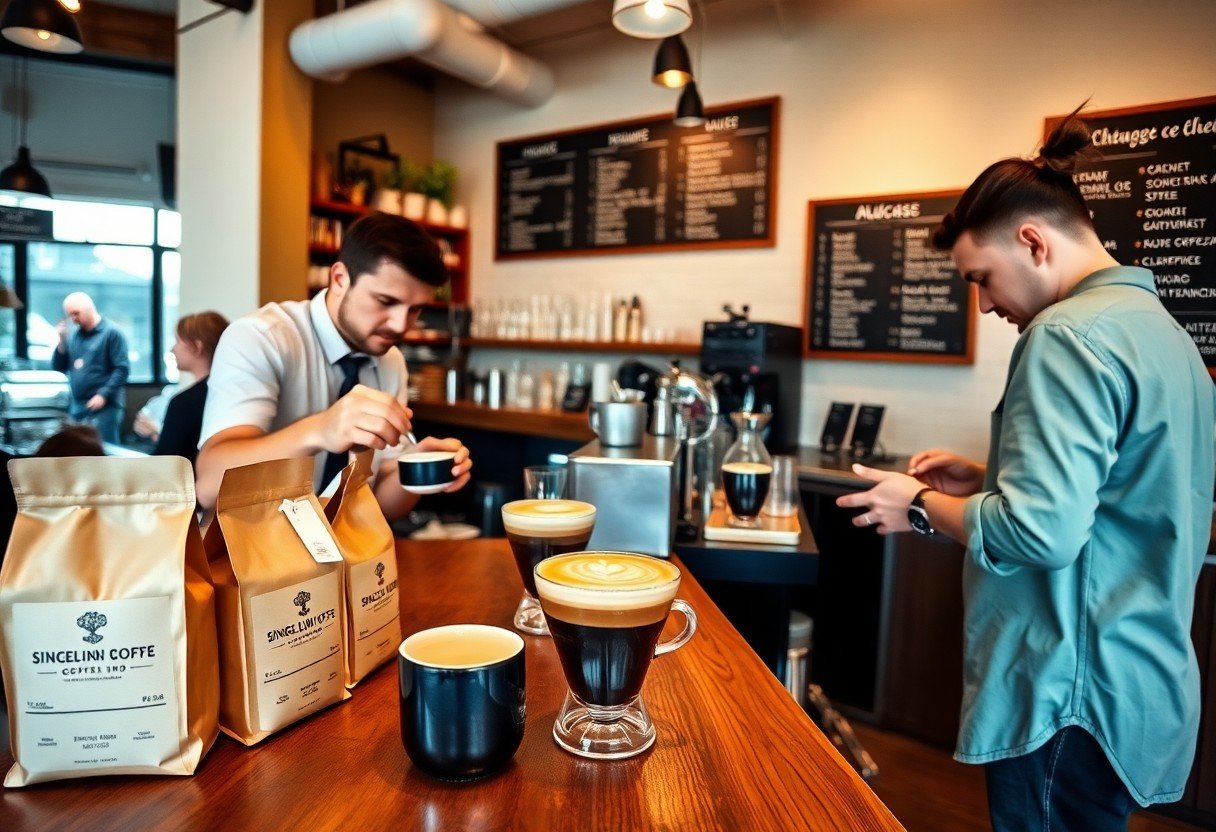
Your experience in Adelaide’s specialty coffee scene is greatly enhanced by the dedicated local baristas and roasters who are redefining the coffee landscape. They bring meticulous craftsmanship to each cup, developing unique brewing techniques and flavor profiles that elevate your coffee enjoyment. For example, Exchange Coffee in Vardon Ave Adelaide listed in world’s … is setting benchmarks for quality, showcasing how local talent is shifting perceptions of what coffee can be. This hands-on approach not only embraces traditional brewing methods but also integrates innovative practices that resonate with coffee enthusiasts and novices alike.
Community Engagement and Education
Local baristas often play an integral role in fostering community engagement, hosting workshops and demonstrations that allow you to deepen your coffee knowledge and appreciation. Many cafés prioritize coffee education, offering you the chance to learn about the nuances of different roast levels, the importance of origin, and the science behind brewing. These interactive experiences not only enhance your palate but also cultivate a stronger connection to the café community.
Notable Cafés and Roasteries
If you’re exploring Adelaide’s vibrant coffee scene, certain cafés and roasteries stand out for their quality and commitment to sustainability. Places like Little Barista and Clever Little Tailor offer meticulously sourced beans and a welcoming atmosphere, perfect for your coffee-sipping experience. Additionally, SASA has become a revered name, known for its innovative blend of traditional and modern coffee techniques. Each of these establishments is contributing to Adelaide’s reputation as a top player in specialty coffee, ensuring you have access to unique flavors and expertly crafted beverages.
Beyond the basics of quality coffee, notable cafés and roasteries like Vardon Ave’s Exchange Coffee and Rundle Street’s Barista Wasteland have set themselves apart through exceptional customer service, community involvement, and a focus on ethical sourcing practices. These venues not only provide you with great coffee but also promote sustainable practices, contributing to a movement where your coffee consumption aligns with conscientious living.
Economic Impact of Specialty Coffee
Job Creation and Local Economy
The specialty coffee industry in Adelaide significantly contributes to job creation, with numerous cafes, roasteries, and supply chain businesses emerging rapidly. Each new establishment not only hires baristas and roasters but also creates opportunities in logistics, wholesale distribution, and equipment sales. For instance, a recent report indicated that specialty coffee shops have increased employment in the sector by 25% over the past five years, showcasing the industry’s growth potential. Local businesses, benefiting from this trend, can experience higher foot traffic and increased sales, further strengthening the community’s economic fabric.
Your understanding of the local economy expands when considering how specialty coffee fosters collaboration between artisans. Roasters partner with local producers to source beans, while cafes often source pastries from nearby bakeries. This interconnectedness boosts local economies and creates a vibrant network of small businesses, which can lead to greater economic resilience in a fluctuating marketplace.
Tourism and Coffee-Related Events
As Adelaide establishes itself as a specialty coffee hub, the influx of coffee enthusiasts contributes to a burgeoning tourism sector. Your visit can coincide with numerous coffee festivals and competitions, such as the Adelaide Coffee Festival, which showcases local talent and attracts national and international visitors. These events not only highlight the city’s commitment to quality coffee but also draw attendees who support local businesses, thus enhancing economic diversity.
In addition to festivals, barista competitions and cupping sessions are increasingly becoming tourist attractions, offering immersive experiences that differentiate Adelaide from other destinations. Attendees often participate in workshops, increasing their knowledge and appreciation for specialty coffee, which can lead to repeat visits and the promotion of Adelaide as a top-tier coffee city. You might find that staying a few extra days becomes necessary just to enjoy all the unique coffee experiences on offer.
Challenges Facing the Specialty Coffee Movement
Market Competition and Trends
As you navigate the specialty coffee landscape, you’ll encounter fierce competition, not just among local cafes but also from national and international chains. The rise of ‘third-wave’ coffee has led to a saturation of the market, with new entrants frequently emerging. This influx can be overwhelming, forcing local businesses to innovate continuously to stay relevant. Additionally, shifts in consumer preferences, such as an increased demand for convenience and ready-to-drink options, place additional pressure on traditional specialty models.
To distinguish themselves, Adelaide’s specialty coffee shops are exploring unique selling propositions. For instance, some cafes emphasize direct trade relationships with farmers, while others focus on limited-edition blends or diverse brewing methods. However, maintaining quality and authenticity amidst this growing competition is crucial for long-term success. Analyzing your market positioning and consumer trends will be key to carving out your niche in this dynamic environment.
Sustainability and Sourcing Issues
The challenges of sustainability loom large as the specialty coffee movement matures. Many consumers are increasingly concerned about the ethical implications of their coffee consumption, pushing businesses to focus on transparency in sourcing. Navigating the complexities of fair trade and organic certifications can be daunting; it often requires additional resources and commitment, which some cafes may struggle to provide. Moreover, climate change poses a serious threat to coffee production globally, affecting crop yields and quality.
Fair wages and responsible farming practices have become non-negotiable standards for many specialty coffee roasters. However, ensuring that these standards are met can introduce complications in the supply chain, including increased costs and reliance on suppliers that share these values. You’ll find that fostering good relationships with farmers and investing in sustainable practices will not only enhance your brand identity but also contribute to the longevity of the coffee industry.
To wrap up
You should take note that Adelaide is increasingly positioning itself as a significant player in the specialty coffee scene. The city’s unique blend of local roasters, innovative cafes, and a growing community of coffee enthusiasts creates an environment ripe for growth. As you explore this burgeoning coffee culture, you will discover a strong emphasis on quality, sustainability, and education, all of which contribute to an enriching coffee experience.
Your engagement with Adelaide’s specialty coffee sector can deepen as you participate in events, tastings, and workshops. By doing so, you will not only enhance your appreciation of coffee but also support local businesses and artisans. As the city continues to develop its reputation as an epicentre for specialty coffee, your involvement and interest will influence and shape its future landscape.