
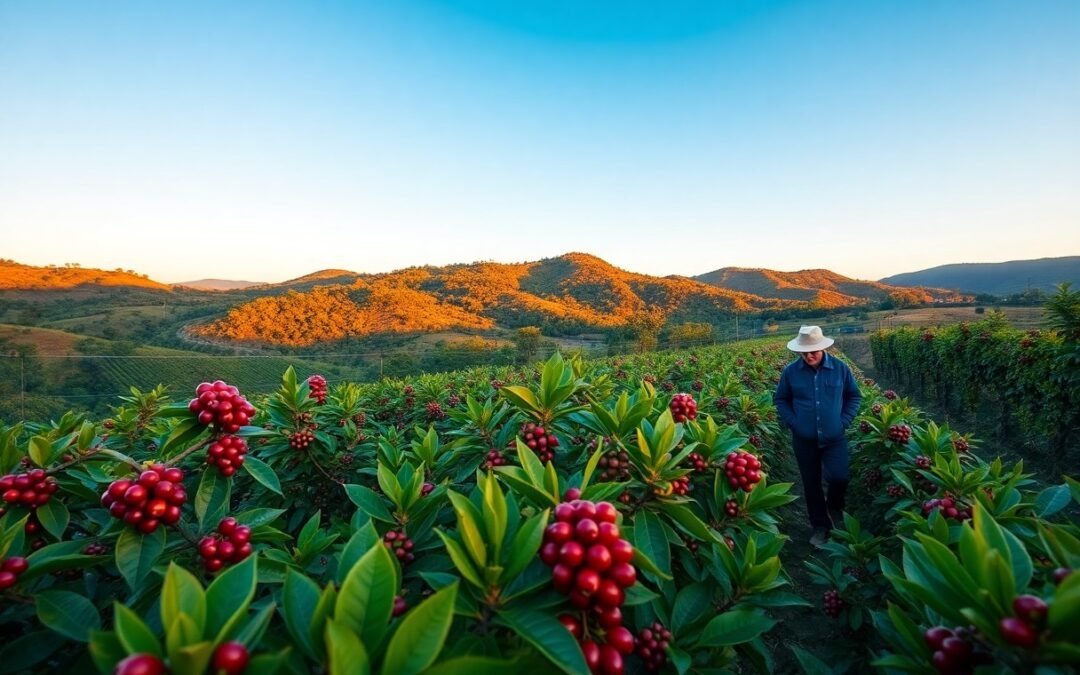
Over the years, the unique characteristics of Adelaide’s coffee have sparked your curiosity about what sets it apart. Exploring the concept of terroir-the environmental factors affecting the flavor profiles of coffee beans-can deepen your understanding of this beloved beverage. Additionally, the local culture and community temperaments play a significant role in shaping the coffee experience. By delving into these aspects, you may uncover key insights into why Adelaide’s coffee scene captivates connoisseurs and casual drinkers alike.
Understanding Terroir
Definition of Terroir
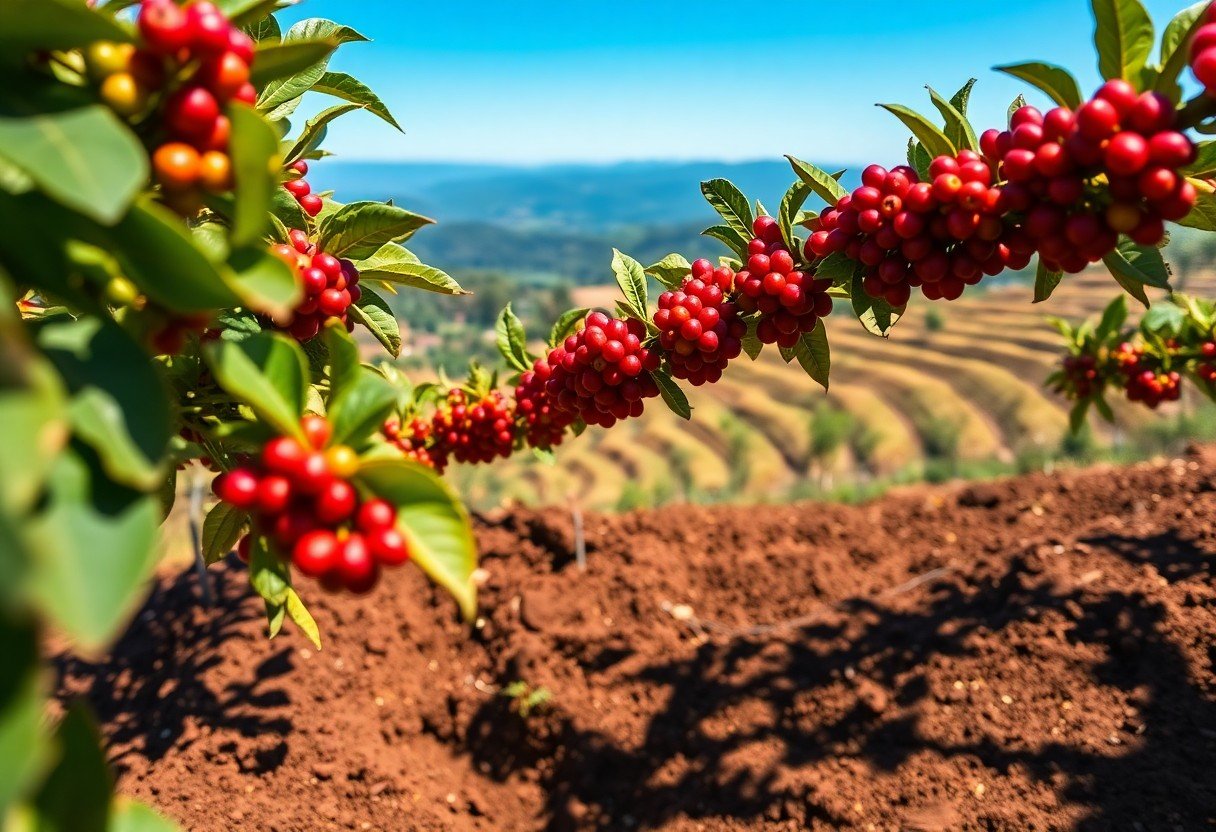
Terroir refers to the unique combination of environmental factors that affect a particular crop in a specific location, particularly its soil, climate, and topography. When discussing coffee, terroir encompasses everything from the altitude at which the coffee beans are grown to the local weather patterns and even the microbial life found in the soil. Each element contributes to the way coffee plants flourish and, in turn, how the beans develop their characteristics.
Your understanding of terroir goes beyond mere geography. It includes cultural practices, agricultural techniques, and even the historical context of the region. For example, the way farmers in the Adelaide Hills approach cultivation, leveraging their knowledge of local climate patterns, plays a significant role in the quality of the coffee produced. Exploring these nuances helps you appreciate the intricacies that shape the final cup.
Terroir’s Impact on Coffee Flavor
Terroir significantly influences flavor profiles by imparting distinct notes to the coffee that originate from the growing conditions. Beans grown in higher altitudes tend to showcase acidity and brightness, while those cultivated at lower elevations can exhibit a fuller body and sweeter flavors. In the Adelaide coffee scene, this results in an exciting array of tasting experiences that set local brews apart from their global counterparts.
For example, the cooler climate of the Adelaide Hills allows for a slower maturation of coffee cherries, which can enhance their sweetness and complexity. You may notice notes of fruit, floral, or even chocolate, all developed through the interaction of the coffee plants with their surrounding environment. This geographical specificity creates a connection between the flavor of your cup and the land from which it originated, enriching your overall coffee experience.

The Unique Climate of Adelaide
Weather Patterns and Coffee Growth
Your understanding of Adelaide’s climate is crucial to appreciating its coffee landscape. The region experiences a Mediterranean climate, characterized by hot, dry summers and mild, wet winters. These temperature swings, often reaching highs of 35°C in summer, provide a distinct advantage for coffee cultivation. The warm days promote optimal growth during the growing season, while cooler temperatures at night create a balanced environment that enhances the flavor profile of the coffee beans.
Soil Composition and Its Effects
The soil in Adelaide is rich in various minerals, primarily due to its geological history. You’ll find areas with clay, loam, and sandy soils, each offering unique benefits for coffee growth. For example, clay soils retain moisture well, which can be beneficial during drought periods, while sandy soils allow for better drainage, preventing root rot during the wet season. Your choice of coffee bean varietals may ultimately depend on these soil characteristics, as different beans thrive under specific conditions.
Moreover, you’ll notice that the mineral content in the soil significantly influences the cup profile. High levels of potassium and magnesium can enhance sweetness, while nitrogen-rich soils may promote acidity. This nuanced interplay results in a diverse range of flavors, allowing Adelaide’s coffee to stand out on a global scale, as local producers experiment with different growing techniques in relation to their soil composition.
Adelaide Coffee Culture
Historical Significance
Adelaide’s coffee culture has evolved dramatically, deeply rooted in the migration patterns of the mid-20th century. Italian and Greek immigrants significantly shaped the local coffee scene, introducing espresso bars that became social hubs. By the 1980s, these establishments laid the groundwork for a burgeoning café culture, with iconic spots like the Coffee Bar on Hutt Street leading the way. These venues not only served quality coffee but also fostered a sense of community and connection, making them vital data points in the cultural fabric of the city.
The introduction of specialty coffee in the late 1990s marked a turning point. Local roasteries began to emerge, focusing on sourcing high-quality beans and honing brewing techniques. Companies like Louis and the Bean Counter set a precedent, emphasizing the importance of ethical sourcing and contemporary brewing methods. This shift laid the foundation for Adelaide’s reputation as a destination for coffee lovers, showcasing a blend of history and innovation that continues to thrive today.
Influence of Local Baristas and Roasters
The impact of local baristas and roasters cannot be understated in shaping Adelaide’s coffee identity. Individuals like the acclaimed barista, Tim Bicknell, have championed quality and creativity in their craft. His work at venues such as Ground Theory highlights the importance of skillful preparation and exceptional service, fostering an appreciation for the nuances of coffee. Homegrown roasters like Has Bean and The Coffee Collective are working to elevate the standards, providing not just beans, but education on the artistry of coffee making.
Baristas in Adelaide play an necessary role as caffeine ambassadors, continually experimenting with brewing methods and flavor profiles. Many attend barista championships, fostering community engagement and attracting attention from coffee enthusiasts worldwide. This collaborative spirit is evident in events like the Adelaide Coffee Festival, where local talent showcases their skills alongside global coffee innovators. As a customer, you’re not just tasting coffee; you’re participating in an evolving narrative that celebrates where your cup of coffee comes from and the passion behind it.
The Role of Temperament in Coffee Preparation
Barista Skill and Emotional Influence
Your barista’s temperament significantly affects the coffee experience. An expert barista not only masters the technical aspects of brewing but also blends their unique personality and emotions into each cup. Studies have shown that baristas who cultivate a positive and calm demeanor tend to produce more consistently high-quality coffee. This happens because their emotional state can influence the precision and care with which they perform each step, from grinding to brewing.
Customer Experience and Connection
Your connection to the coffee shop and its staff profoundly impacts your overall experience. A welcoming atmosphere, fostered by friendly baristas and aesthetically pleasing surroundings, prepares your senses for the coffee to come. This connection boosts the perceived value of your drink and may even enhance its flavor through the psychological phenomenon known as “placebo.” When you feel good about where you are and who you’re interacting with, the enjoyment of the coffee naturally follows.
Comparative Analysis with Other Coffee Regions
| Region | Key Characteristics |
|---|---|
| Colombia | High altitudes, consistent rainfall, and diverse microclimates produce smooth, balanced coffees. |
| Ethiopia | Rich biodiversity and heirloom varietals lead to complex flavor profiles, often floral and fruity. |
| Brazil | Massive production scale, characterized by chocolatey sweetness and nutty tones, often with lower acidity. |
| Adelaide | Unique soil composition and Mediterranean climate contribute to nuanced, vibrant flavor profiles. |
Global Terroir Differences
In the world of coffee, each region boasts unique terroirs that shape the beans’ flavor from the ground up. Factors such as soil composition, altitude, and microclimates play pivotal roles in defining coffee characteristics. For instance, Colombian coffee often presents smooth, balanced profiles due to the country’s high altitudes and consistent rainfall. Ethiopia, known as the birthplace of coffee, offers a completely different experience with its complex flavor notes derived from rich biodiversity and heirloom varietals. Such distinctions highlight how location influences not only cultivation but also the final tasting notes that coffee enthusiasts appreciate.
As you explore various coffee regions, you will find that Brazil’s vast plantations deliver beans characterized by chocolatey sweetness and nutty depth, thanks to its lower elevations and warm climate. In contrast, the artisan coffees from Adelaide showcase a different palette altogether, eliciting vibrant flavors that stem from its own unique environmental conditions. Understanding these global variances deepens your coffee appreciation, enhancing your ability to discern regional qualities in every cup.
Adelaide’s Unique Position
Adelaide’s geographical features position it distinctively among coffee-producing regions. With a Mediterranean climate, the area experiences hot, dry summers and mild, wet winters, a rarity in coffee cultivation. This seasonal variability allows for specialized growing conditions and the development of unique flavor notes in the beans. Moreover, the city’s commitment to ethical sourcing and quality has led to a thriving coffee culture that attracts both local and international attention.
The blend of Adelaide’s diverse microclimates, combined with the emphasis on sustainable practices, enhances the coffee landscape in ways that transcend mere flavor. Local roasters often highlight the nuanced differences in varietals, creating a unique tasting journey for consumers. By prioritizing quality and environmental considerations, Adelaide is carving its own niche in the global coffee narrative, making each cup a reflection not just of the bean but also of the region’s ethos.
Future Prospects for Adelaide Coffee
Sustainable Practices
As you explore the future of Adelaide coffee, the emphasis on sustainable practices stands out. Farmers are increasingly adopting regenerative agriculture techniques, which enhance soil health, reduce water usage, and promote biodiversity. Implementing strategies such as cover cropping and reduced chemical inputs not only benefits the environment but also improves the quality of the coffee produced. Sustainable practices will likely attract eco-conscious consumers, positioning Adelaide coffee as a leader in responsible production.
Innovations in supply chain transparency are also emerging, allowing you to track the journey of your coffee from farm to cup. Community-supported agriculture models enable you to engage directly with growers, fostering a stronger connection to the regional coffee culture. Through these initiatives, you contribute to an economic model that directly supports local farmers, ensuring they thrive while providing you with exceptional coffee.
Innovation in Coffee Production
Innovation is transforming the landscape of Adelaide coffee production. You might encounter advancements in processing techniques, such as anaerobic fermentation, which enhance flavor profiles and introduce unique characteristics. Cutting-edge research, like insight into how fermentation might contribute to the complexity of coffee flavors, can change how you perceive and enjoy different brews. Additionally, bioengineering efforts are underway to develop coffee crops that are disease-resistant and more resilient to climate change, ensuring future sustainability.
Moreover, the integration of technology in farming practices offers exciting potential. Precision agriculture tools help you monitor crop health in real time, optimizing irrigation and nutrient management. This data-driven approach leads to higher yields and superior quality, aligning with ongoing sustainability goals. As these innovations proliferate, you can expect an exciting evolution in the Adelaide coffee scene that enhances both flavor and environmental stewardship.
Final Words
Hence, understanding the intricacies of Adelaide’s coffee scene can deepen your appreciation for each cup you savor. The unique terroir, characterized by the region’s distinct climate and soil, plays a significant role in shaping the flavor profiles of the beans you might encounter. This relationship between the environment and the quality of the coffee you enjoy reflects the meticulous craftsmanship of local growers, who harness both the land and their personal passion to produce a truly exceptional product.
Your exploration of Adelaide coffee should include not just the taste but also the stories behind each brew, highlighting the importance of environment and temperament in the coffee-making process. By diving deeper, you may uncover the essence of what makes each cup special, correlating this with the overarching narrative of Australian coffee culture. For further insight, you can explore the Taste of Australian grown coffee, which underscores the rich, multifaceted journey of coffee from bean to brew.