
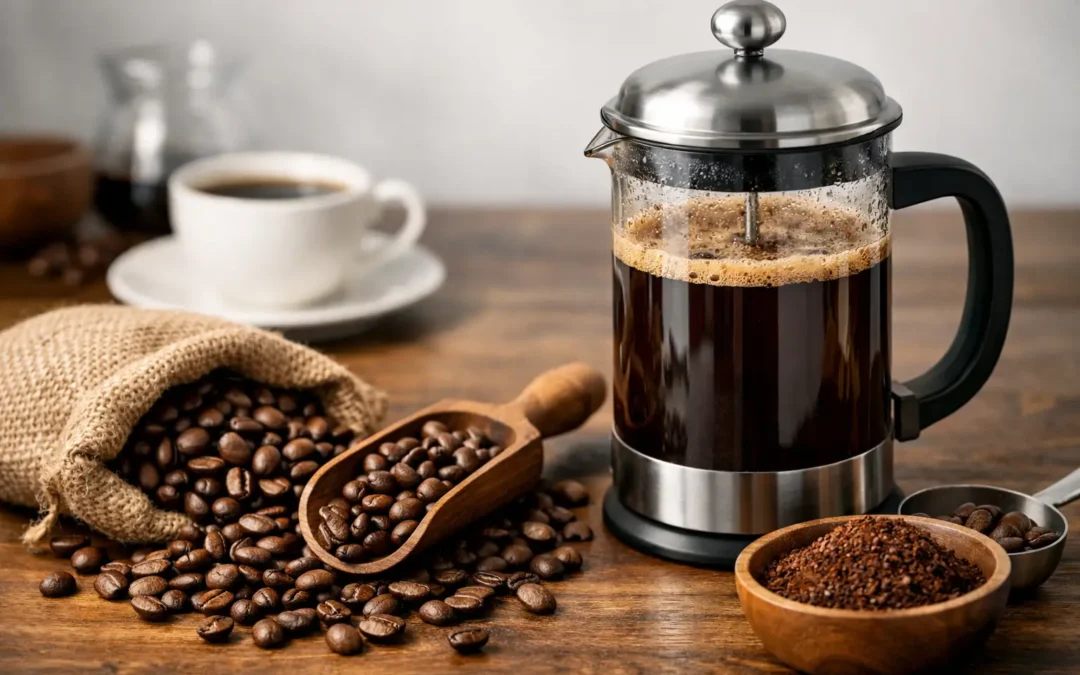
A plunger can make a brilliant coffee or a muddy, bitter one, and the difference usually starts with the beans. If you’re searching for the best coffee beans for plunger brewing, the goal is not simply to buy something labelled premium. You want beans that suit immersion brewing, deliver sweetness and body, and still taste clean enough to make that first morning cup feel like a proper upgrade.
Plunger coffee sits in a sweet spot between ease and flavour. It gives you more body than pour over, more clarity than many pod machines, and none of the fuss of espresso gear. But because the metal filter lets oils and fine particles through, your bean choice matters more than many people realise. The wrong roast can taste heavy and harsh. The right one can be rich, smooth and full of character.
What makes the best coffee beans for plunger?
Plunger brewing extracts coffee by steeping grounds in hot water for several minutes. That longer contact time pulls out plenty of flavour, but it also exposes flaws. Beans that are too dark can turn smoky and bitter. Beans that are too light can come across thin, grassy or sour if your grind and water temperature are not spot on.
For most coffee drinkers, the best coffee beans for plunger sit in the medium to medium-dark range. This is where you usually get the balance plunger does best – chocolate depth, gentle fruit, rounded sweetness and enough body to feel satisfying without becoming sludgy.
Freshness matters just as much as roast level. Freshly roasted beans hold onto their aromatics, and that shows up clearly in a plunger. You will notice more fragrance when you break the crust, more sweetness in the cup and a cleaner finish. Old beans flatten out quickly, especially in a brew method that relies on immersion rather than pressure.
Origin also plays a role, but there is no one-size-fits-all answer. A nutty Brazilian or Colombian coffee often shines in a plunger because it brings cocoa, caramel and a soft, comforting finish. Ethiopian coffees can be beautiful too, especially if you enjoy floral or berry notes, though some drinkers find them a little too delicate or tea-like in this format. Sumatran or other Indonesian profiles can produce a deeper, earthier cup with serious body, which suits people who like a stronger, heavier brew.
Single origin or blend?
This is where preference takes over. If you want consistency, balance and an easy daily brew, a well-built blend is usually the smarter choice. Blends are often designed to deliver harmony – sweetness, body and a reliable flavour profile that works across different brewing methods. For plunger coffee, that can mean a cup that tastes generous and familiar every time.
Single origin beans are more expressive. They can show off citrus, stone fruit, florals or spice with real clarity, and that can be exciting in a plunger when the roast and grind are handled well. The trade-off is that they can be less forgiving. A bean with bright acidity may taste lively one day and sharp the next if your water runs too hot or your grind is a touch too fine.
If your plunger coffee is part of a busy weekday routine, a medium roast blend often makes the most sense. If you enjoy slowing down on the weekend and tasting the differences between regions, single origins are well worth exploring.
Roast level and flavour: what to look for
The easiest way to choose beans is to think about the cup you actually want.
If you like your coffee smooth, rich and familiar, look for tasting notes such as chocolate, caramel, hazelnut, malt or brown sugar. These notes tend to perform beautifully in a plunger because immersion brewing brings out body and sweetness.
If you prefer something brighter and more lively, look for berries, citrus, stone fruit or floral notes, but stay around the medium roast range rather than very light. That keeps the cup vibrant without pushing it into sour territory.
If you want a bold, punchy brew, medium-dark beans with notes of dark chocolate, toasted nuts or spice can work well. Go too dark, though, and you risk losing nuance. In a plunger, overly dark beans can taste ashy, oily and flat, especially if they have been roasted to hide lower-quality green coffee.
That is why artisanal roasting matters. Small-batch roasters can fine-tune development to bring out sweetness and texture instead of just roast flavour. The result is a cup with more life in it – the kind of coffee that tastes crafted, not generic.
The best coffee beans for plunger by flavour style
For a classic crowd-pleaser, choose beans with chocolate, caramel and nut tones. These are ideal for home drinkers, offices and shared kitchens because they appeal to a wide range of palates. They also handle milk well if you like to top up your plunger coffee.
For a brighter, fruit-forward cup, go with a medium roast Ethiopian or Kenyan profile, or a blend that includes those components. Expect more aroma and sparkle, but make sure your grind is coarse and your steep time controlled. These coffees can become a bit sharp if over-extracted.
For a heavier, fuller-bodied brew, look for Indonesian or Latin American beans with spice, cocoa and earthy depth. These suit drinkers who want a bigger mouthfeel and a more lingering finish.
For an all-rounder, choose a speciality blend built for balance. This is often the safest path to a consistently good plunger coffee because it combines sweetness, body and enough complexity to keep the cup interesting.
Grind size matters almost as much as the beans
Even the best beans will disappoint if they are ground poorly. Plunger coffee needs a coarse, even grind. Too fine, and the brew turns bitter and silty. Too coarse, and it can taste weak and underdone.
If you can, buy whole beans and grind just before brewing. That is where the aroma really opens up. If you need pre-ground coffee for convenience, ask for a plunger grind specifically. It is a small detail that makes a very noticeable difference in the cup.
Water temperature matters too. Boiling water can scorch the grounds and emphasise bitterness, particularly in darker roasts. Let the kettle sit briefly after boiling, then brew. Around 92 to 96 degrees is usually the sweet spot.
How to get the most from plunger beans
Good beans deserve good handling, but it does not need to be complicated. Use clean equipment, measure your coffee and water, and give the brew enough time without leaving it to stew forever.
A solid starting point is 60 grams of coffee per litre of water, steeped for about four minutes. Stir gently after pouring, break the crust if you like a cleaner cup, then plunge slowly. If the coffee tastes harsh, try a coarser grind or a shorter brew. If it tastes weak, tighten the grind slightly or add a bit more coffee.
The beauty of a plunger is that it rewards small adjustments. You do not need a bench full of gear to get café-quality flavour at home or in the office. You just need fresh beans that are suited to the method and a little attention to detail.
Choosing beans for home, work or a crowd
The best coffee beans for plunger brewing can change depending on where the coffee is being served. At home, you may want something more expressive and seasonal. In a workplace, reliability usually wins. A balanced blend with broad appeal makes mornings easier and keeps everyone happy.
If you are brewing for guests or setting up coffee in a green room, event space or shared office, avoid anything too polarising. A smooth speciality blend with chocolate and caramel notes is usually the right call. It feels polished, comforting and generous, which is exactly what people want when they reach for coffee between meetings or during a busy event schedule.
That is also why fresh roasting matters so much. Fresh beans give you the richest flavours with less effort, and every sip tells a story about quality, care and timing. For a brand like Lygon Coffee, that balance of craftsmanship and convenience is the whole point – café-standard coffee should be easy to enjoy whether you are at your kitchen bench, your desk or planning service for a crowd.
So, what should you buy?
If you want the safest answer, start with a freshly roasted medium or medium-dark speciality blend with chocolate, nut and caramel notes. It is the most reliable path to a rich, smooth plunger coffee with enough body to feel satisfying and enough sweetness to keep you coming back.
If you are curious and like more personality in the cup, try a single origin with fruit or floral notes, but be ready to fine-tune your brew. That extra character can be rewarding, though it asks more of your grind and timing.
The best bean is the one that suits how you drink coffee. Not the loudest label, not the darkest roast, and not whatever happens to be cheapest on the shelf. Plunger coffee is simple, but it is not basic. Start with fresh, well-roasted beans, brew with care, and your everyday cup can feel a lot more special.