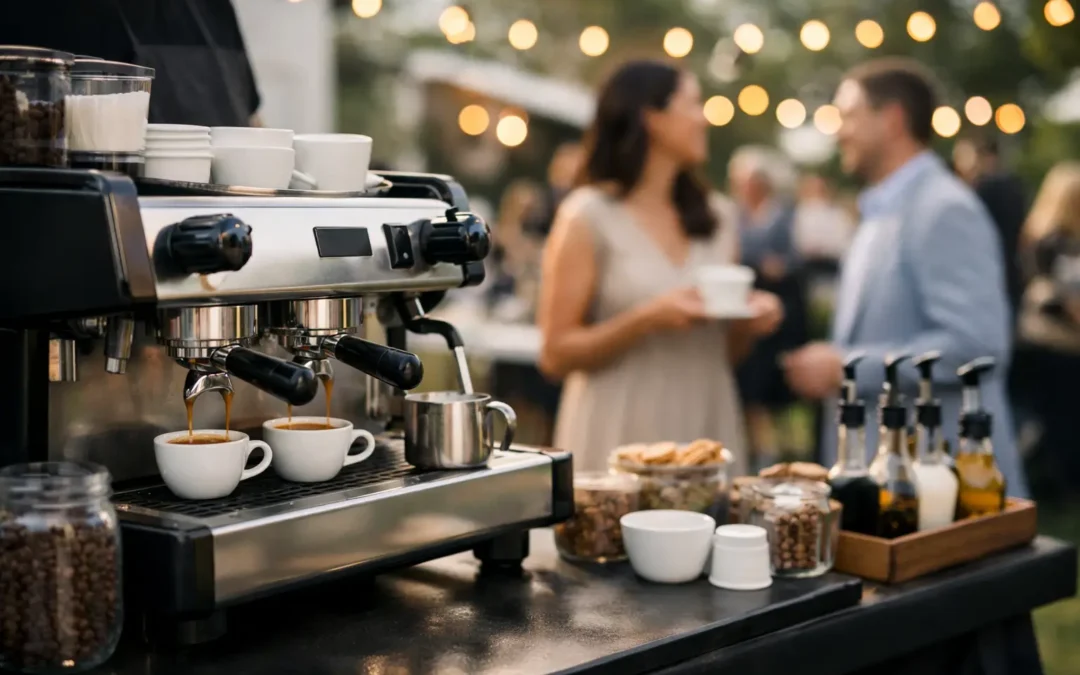
Great coffee can change the feel of an event in the first ten minutes. Guests arrive, spot the machine, hear the grinder kick in, catch that rich espresso aroma and instantly know they are being looked after. That is why a solid mobile espresso catering guide matters – not just for coffee lovers, but for office managers, event planners and brands that want the day to feel polished from the first pour.
Mobile coffee service is simple in theory: bring the café to the venue. In practice, the quality of the experience depends on planning, equipment, staffing and how well the setup suits the occasion. A beautiful van and a shiny machine are only part of it. The real difference is whether the service keeps moving, the coffee tastes consistently fresh, and the whole setup feels easy for guests and organisers alike.
What a mobile espresso catering guide should help you decide
The first question is not whether you want coffee. It is what role coffee needs to play at your event. At a corporate launch, it might be a branded touchpoint that keeps people lingering longer. At a workplace visit, it could be a practical morale boost that gets staff genuinely excited. At a wedding recovery brunch or community gathering, it often becomes the social anchor – the place people naturally gravitate towards.
That context shapes everything from cup numbers to menu design. A short morning activation with a commuter crowd needs speed and clarity. A longer private function may suit a broader menu, slower pacing and more time for guests to chat with the barista. When people skip this step, they often book too little service for a busy crowd or too much setup for a compact event.
Choosing the right mobile espresso catering style
Not every event needs the same coffee format. Some are best served by a full mobile van with a self-contained setup, while others suit a compact indoor station if venue access allows. The right choice depends on space, power, guest flow and the atmosphere you want to create.
A self-contained van is often the easiest option for outdoor events, corporate forecourts, school communities and public activations. It arrives ready to work and usually reduces venue reliance. That matters when access is tight or when you do not want to chase extension leads, water points and bench space on event day.
An indoor setup can work beautifully for conferences, office foyers and private venues with suitable access. It feels integrated and polished, but it does require more coordination. You will want to confirm power, bump-in times, floor protection and whether there is enough room for a queue that does not interrupt the rest of the event.
Then there is service style. Some bookings are built around a package with a set service window. Others work better on a per-cup model, especially for high-footfall promotions or all-day office service. Neither is automatically better. It depends on whether you need budget certainty, maximum flexibility or a branded experience with tailored drink options.
Coffee quality is not a small detail
If the coffee tastes ordinary, the service loses its shine quickly. Guests might still appreciate the convenience, but they will not remember it in the way you want. That is why bean quality, barista skill and machine setup matter just as much as the visual appeal of the van.
Freshly roasted beans make a noticeable difference in the cup. You get more clarity, better sweetness and a fuller expression of the blend, especially in milk-based drinks where weaker coffee can disappear. A well-balanced espresso should hold its character in a flat white, cut through in a cappuccino and still drink clean as a long black.
Barista experience matters too. Fast service is valuable, but not if shots are running too quickly, milk is overheated or every second cup tastes different. Good mobile espresso catering should feel like a proper café service brought to your location, not a compromise because the event is off-site.
For many organisers, this is where specialty coffee earns its place. It adds a level of care that guests can taste. Every sip feels considered, and that lifts the whole experience.
Planning guest numbers without getting caught short
One of the most common mistakes is underestimating demand. People who say they are not fussed about coffee often change their mind once they smell it brewing. If the event starts early, if the weather is cool, or if the crowd includes office staff, families or trade attendees, demand usually climbs quickly.
A useful starting point is to think in waves rather than totals. Will everyone arrive at once? Is there a keynote, meeting break or registration period that sends a crowd to the van in a short burst? A hundred cups across three hours is very different from a hundred cups needed in the first half hour.
This is where honest conversations with your caterer matter. A smaller guest list with intense peak demand may need the same staffing attention as a larger event with relaxed flow. Speed, menu simplicity and queue management all affect how smooth the service feels.
Menu choices that work in the real world
A mobile coffee menu should suit the crowd, not show off for the sake of it. Espresso staples usually do the heavy lifting: flat whites, cappuccinos, lattes, long blacks and hot chocolates. These are the drinks people know, order quickly and enjoy without fuss.
Alternative milks are worth planning for, especially at workplaces and public events. Oat has become a standard request, and lactose-free or almond may also be relevant depending on your audience. Tea and hot chocolate can broaden appeal, particularly for mixed-age events.
The trade-off is speed. A very broad menu can slow service, especially during a rush. For promotional events, a tighter menu often works better because it keeps queues moving and helps every cup stay consistent. For private functions with a more relaxed pace, there is more room to personalise the offering.
Logistics can make or break the experience
Even the best coffee service needs practical conditions to perform well. Access is the first thing to check. Can the van park where it needs to? Is there clear entry for setup? Are there any height limits, council restrictions or loading dock rules to sort out beforehand?
Weather also deserves more attention than it usually gets. Adelaide mornings can be crisp, and outdoor events can be brilliant for coffee trade, but heat, wind and rain all affect comfort and service. Shade, shelter and placement near foot traffic can improve both guest experience and sales or engagement outcomes.
If branding is part of the event, ask how it will appear in the setup. Some activations call for cups, signage or van presentation to line up with campaign goals. Others are better kept understated, letting the quality of the service do the talking.
Why mobile coffee works so well for businesses
For businesses, coffee is rarely just coffee. It is hospitality, culture and a practical way to create goodwill. In an office setting, a mobile espresso bar can lift a routine staff morning into something that feels appreciated. At a client event, it gives people a reason to pause, connect and stay longer.
For marketers, it is one of the few branded experiences people willingly queue for. That matters. A well-run coffee activation offers dwell time, conversation and a positive emotional link with your brand. People remember the details when the service is smooth and the drink in hand is genuinely good.
This is why many Adelaide businesses now look for providers who can do more than pour coffee. They want a team that understands service timing, presentation, crowd flow and the standard expected from specialty beans. Done well, the setup feels effortless on the guest side, which usually means a lot of thought has gone into it behind the scenes.
A practical mobile espresso catering guide for booking with confidence
When you are comparing providers, ask a few direct questions. Find out what coffee they use, how they handle high-volume service, what is included in the package and what they need from the venue. Ask whether they have worked similar events before and how they plan for peak periods.
It is also worth asking what happens if your event changes. Guest numbers shift, weather moves, run sheets blow out. A good caterer will be clear about what can be adjusted and where the limits are. That honesty is useful. It helps you plan properly instead of making assumptions that create stress later.
If quality matters to your brand or your guests, ask for details that go beyond appearance. Fresh roasting, experienced baristas and a service style matched to your event are all signs you are booking more than a coffee van. You are booking an experience.
A provider like Lygon Coffee brings extra value here because roasting and mobile service sit under the same roof. That means the beans, the barista standards and the event execution can all pull in the same direction.
The best events often hinge on details that feel small at first. Fresh espresso, poured well and served with warmth, is one of those details. Get it right, and the whole day tastes better.