
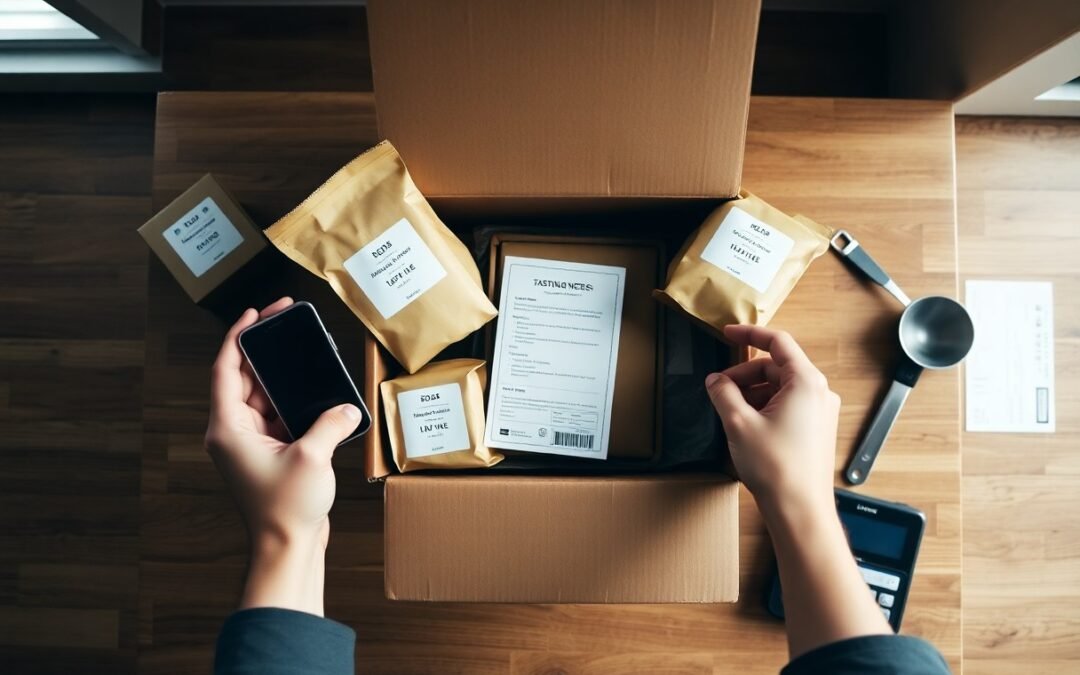
Honest reviews help you evaluate flavor, roast, and subscription value by documenting tasting notes, brewing method, freshness, price, and customer experience so readers trust your assessment and make informed choices.
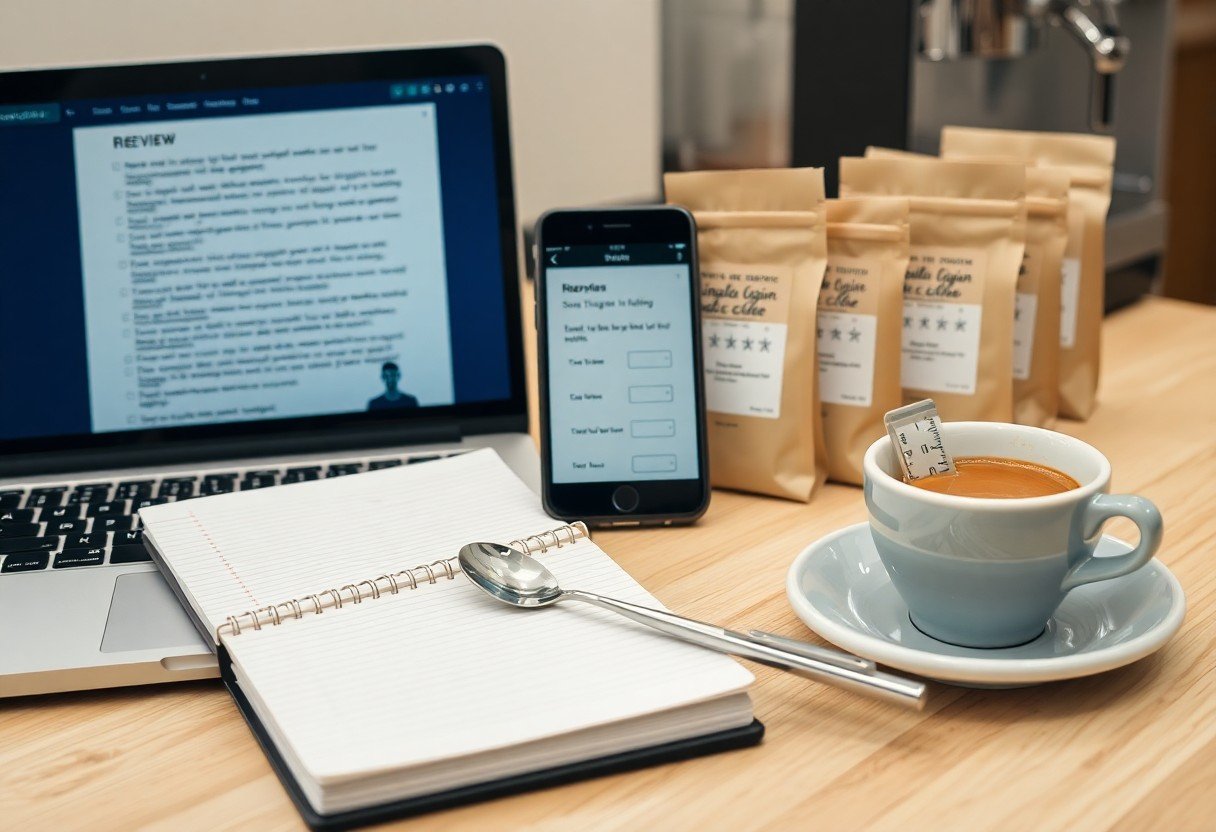
Key Takeaways:
- Lead with context: state your brew method, grind, dose, frequency, and what the subscription promises so readers can judge fit.
- Describe flavor using concrete notes (acidity, body, sweetness), intensity, and consistency across shipments; use a simple score or scale for comparison.
- Assess value and service by listing price per ounce, roast dates, packaging, shipping, and cancellation terms; disclose freebies or affiliations.
Establishing Core Evaluation Factors
Set consistent criteria you will apply to every subscription so readers can compare options fairly, covering freshness, roast transparency, tasting detail, and delivery reliability.
- Freshness: roast date and shipping window
- Transparency: origin, producer, processing
- Taste: clarity of tasting notes and cup scores
- Variety: single-origin vs blends and rotating offerings
- Packaging and shipping protection
- Price, subscription flexibility, and customer service
Assume that you record examples and a concise score for each factor so readers can see how you reached your conclusion.
Defining quality benchmarks for specialty beans
Compare cup score ranges, roast dates, processing methods, and origin specificity to a simple grading scale you explain so readers can judge quality at a glance.
Assessing the variety and curation of the roaster
Scan the roaster’s catalog for balance between seasonal single-origins, blends, and experimental lots, noting whether selections feel purposeful or scattered.
Check release cadence, limited-edition drops, and the depth of tasting notes; cite shipments you received and how the roster serves different brewing styles and preferences.
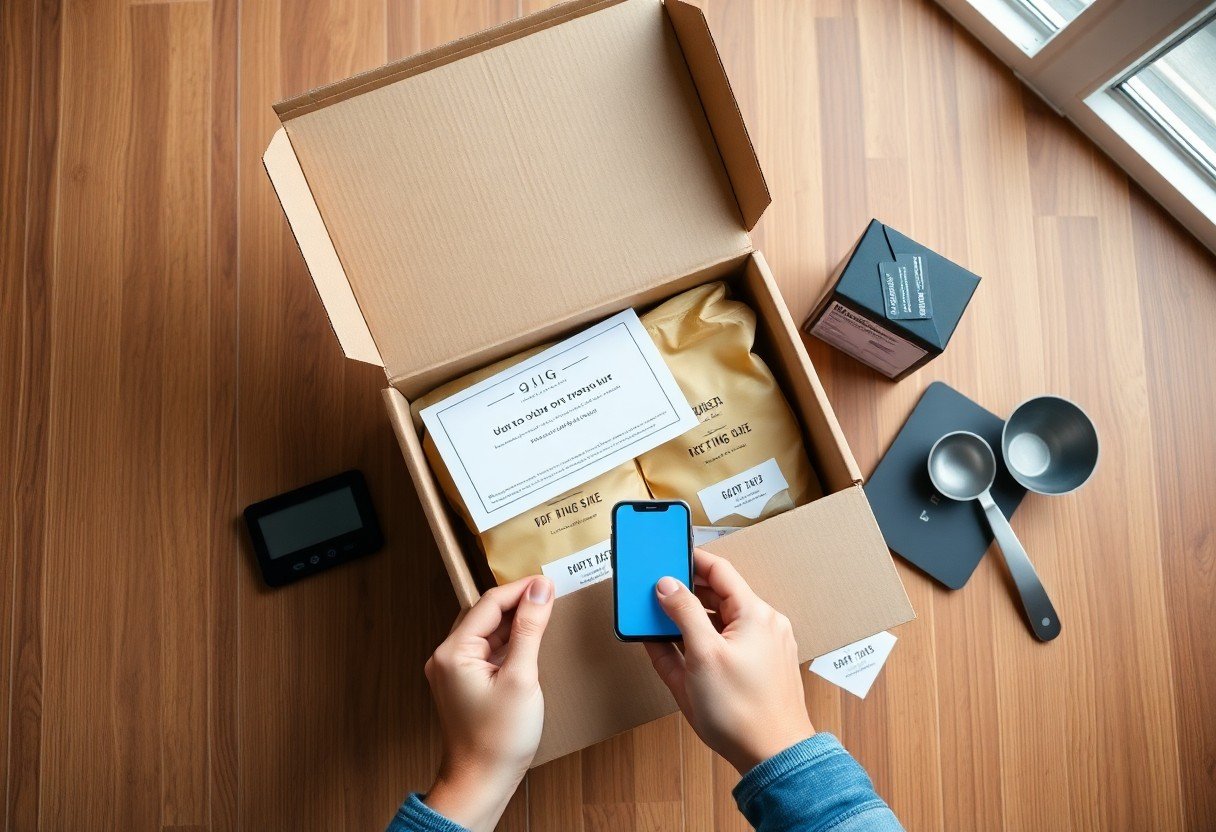
How-to Document the Unboxing Experience
Capture sensory details when you open the box: what you see, smell, and how materials feel, so your readers can picture the moment and gauge whether the subscription delivers an intentional, premium arrival.
Evaluating packaging functionality and aesthetics
Inspect how well the bag seals, how easy it is to open, and whether protective materials cushion the beans, and tell your audience if visual design and labeling match the brand’s promises.
Verifying roast dates and transparency labels
Check roast dates, origin notes, and processing details, then report whether labels are clear, consistent, and verifiable so you demonstrate the subscription’s honesty about freshness.
Compare roast dates to typical shipping times and recommend a freshness window based on roast level; flag missing dates or vague terms and explain how that lack of clarity should affect a buyer’s confidence.
Expert Tips for Objective Sensory Analysis
You limit expectation bias by tasting blind when possible, taking timed notes, and comparing samples side by side. Keep language specific and measurable rather than vague.
- Use a consistent score sheet
- Smell before sip
- Rinse between samples
Perceiving subtle citrus or floral notes becomes easier when you separate aroma, taste and mouthfeel during each evaluation.
Maintaining consistency in brewing parameters
Measure dose, water temperature, grind setting and brew time precisely so you can replicate cups and compare attributes across trials; note any deviations you make.
Using standard descriptors for flavor and acidity
Use established flavor wheels and acidity terms so you can describe brightness, sweetness, and acidity clearly for readers instead of relying on vague metaphors.
Refer to SCA or regional cupping lexicons when unsure; you can list primary notes first, then add modifiers tied to texture, finish, and perceived intensity.
Analyzing Service and Logistics Factors
Assessing delivery windows, packaging quality, and customer support behavior helps you spot consistent practices and recurring issues that affect freshness and satisfaction.
- Delivery punctuality and tracking accuracy
- Packaging protection and freshness retention
- Support response time and resolution policies
Perceiving how those elements perform during peak demand and exceptions lets you judge whether a subscription will reliably fit a reader’s routine.
Reviewing shipping reliability and cost efficiency
Track actual transit times across several shipments, note missed or delayed deliveries, and verify tracking detail so you can report real-world reliability; factor total per-shipment cost after discounts and surcharges to assess value.
Testing the flexibility of subscription management
Check how easily you can pause, skip, change grind size, or swap beans via the account interface, and confirm whether changes generate clear confirmations and apply within promised lead times.
Evaluate automatic billing adjustments, the ability to set future delivery dates, and how support handles manual exceptions so you can advise readers on practical control and risk when subscribing.
How-to Craft a Unique Narrative Voice
You blend tasting precision with candid impressions: state roast, origin, and brew method succinctly, then describe how the cup made you feel so authority reads as human.
Keep technical terms minimal and clarify them so your expertise feels accessible rather than lecturing, which strengthens reader trust.
Balancing technical expertise with personal storytelling
Use concise brew data-ratio, grind, time-and then anchor those metrics with moments from your cup: morning ritual, setting, or a surprise note to make the science relatable.
Identifying the specific “vibe” of the coffee brand
Notice packaging, copy, and community cues to decide if the brand projects playful, clinical, or craft-focused energy; describe those signals so readers sense fit before tasting.
Compare tasting notes to that vibe by matching descriptors: bright acidity fits playful branding, muted roast notes suit traditional brands, and single-origin florals align with artisanal messaging to help readers predict experience.
Advanced Tips for Visual Presentation
- Use consistent lighting so you show true roast color and texture.
- Frame shots to highlight bean surface, grind size, and extraction details.
- Keep edits short and annotated so readers can replicate your process.
Visual Elements
| Lighting | Use natural side light or a soft LED panel to reveal color and sheen. |
| Composition | Place beans against neutral backgrounds and include a scale for context. |
| Resolution | Shoot RAW or high-res JPEG and crop conservatively to retain detail. |
| Motion | Record short brew clips to show bloom, pour rate, and crema development. |
Utilizing high-resolution macro photography of beans
Close-up shots reveal surface oils, roast level, and tiny defects, so you should use a macro lens or high-resolution mode and side lighting to emphasize texture. Keep backgrounds simple and include a familiar object for scale so readers can assess size and uniformity at a glance.
Creating engaging video clips of the brewing process
Shoot short clips that capture bloom, pour rhythm, and extraction flow, using steady framing and close angles so viewers can see technique and timing. Add concise captions with grind, dose, and time so readers can reproduce your method without hunting for details.
Edit with clarity: trim to the most informative beats, add slow-motion for bloom moments, and ensure consistent audio and on-screen timers so viewers can follow each step and compare subscriptions easily.
Summing up
On the whole you should combine precise tasting notes, honest service and packaging observations, and clear value assessment so readers trust your take. You must disclose biases, test multiple deliveries, and compare to alternatives so your specialty coffee subscription review stands out and guides readers to a confident choice.
FAQ
Q: What key elements should I include in an honest specialty coffee subscription review?
A: Start with a clear summary of subscription basics: pricing, frequency, bag size, grind options, and cancellation policy. Describe the coffee details: origin, producer (if given), roast date, roast level, and any single-origin or blend information. Report sensory impressions with concrete tasting notes for acidity, body, sweetness, balance, and aftertaste, and list the brewing method used. Evaluate packaging, freshness on arrival, and shipping speed or condition. Finish with pros and cons, target drinker profile, and a concise verdict or star/score system.
Q: How do I evaluate coffee quality and produce reliable tasting notes?
A: Use a consistent brewing method and water-to-coffee ratio every time to make comparisons meaningful. Smell the dry grounds, note the aroma when opening the bag, and taste warm then cooled samples to capture changing flavors. Anchor descriptors to common foods or textures (for example: brown sugar sweetness, green apple acidity, syrupy body) and avoid vague praise like “delicious” without specifics. Note any defects or off-flavors and report intensity on a simple scale so readers can weigh your impressions.
Q: What should I look for when assessing packaging, roast date, and freshness?
A: Check the roast date and calculate days from roast to delivery; fresher coffee will usually be within 2-21 days post-roast depending on style. Inspect packaging for a one-way valve, resealable closure, clear labeling, and protective internals that prevent crushing. Note aroma strength on arrival and consistency across bags if you receive multiple shipments. Record shipping time, condition on arrival, and whether the company communicates delays or replacements.
Q: How can I balance subjective taste with objective information so readers trust my review?
A: State your brewing setup, palate experience level, and any taste biases up front so readers can contextualize your notes. Provide objective data points like roast date, origin, and bag weight alongside subjective tasting descriptors. Use comparative statements against a known baseline coffee or previous boxes to show directionality instead of absolute claims. Offer an honest score and explain the factors that moved the score up or down.
Q: How should I disclose relationships, samples, or affiliate links to remain transparent?
A: Declare whether the box was purchased, gifted, or sent as a sample at the top of the review and include any affiliate or sponsored relationships. Explain whether compensation affected your coverage or rating to reduce perceived bias. Present the same evaluation criteria for paid and unpaid boxes so readers can see consistent standards. Provide a link or short statement about your review policy for repeat transparency.
Q: What formatting, media, and organization make a subscription review stand out?
A: Lead with a one-paragraph summary and a quick scorecard showing price per bag, roast date, pros, cons, and best-for category. Include high-quality photos of the bag, roast date label, opened beans, and brewed cup; short video clips of aroma or a pour can increase credibility. Use headings, bullet points, and a clear tasting note section to improve scannability. Add a comparison table or short list positioning the subscription against similar services for context.
Q: How do I compare multiple subscriptions and offer clear, actionable recommendations?
A: Set consistent comparison criteria such as price per ounce, roast freshness, origin variety, customization options, shipping cost, and customer service responsiveness. Rate each subscription across those criteria and explain weighted trade-offs for different drinkers (for example, best for espresso, best for beginners, best value). Recommend specific subscriptions for defined reader types and include sample scenarios like budget-conscious buyers or those seeking rare single-origin beans. End with a decision checklist readers can use to match their priorities to a service.