
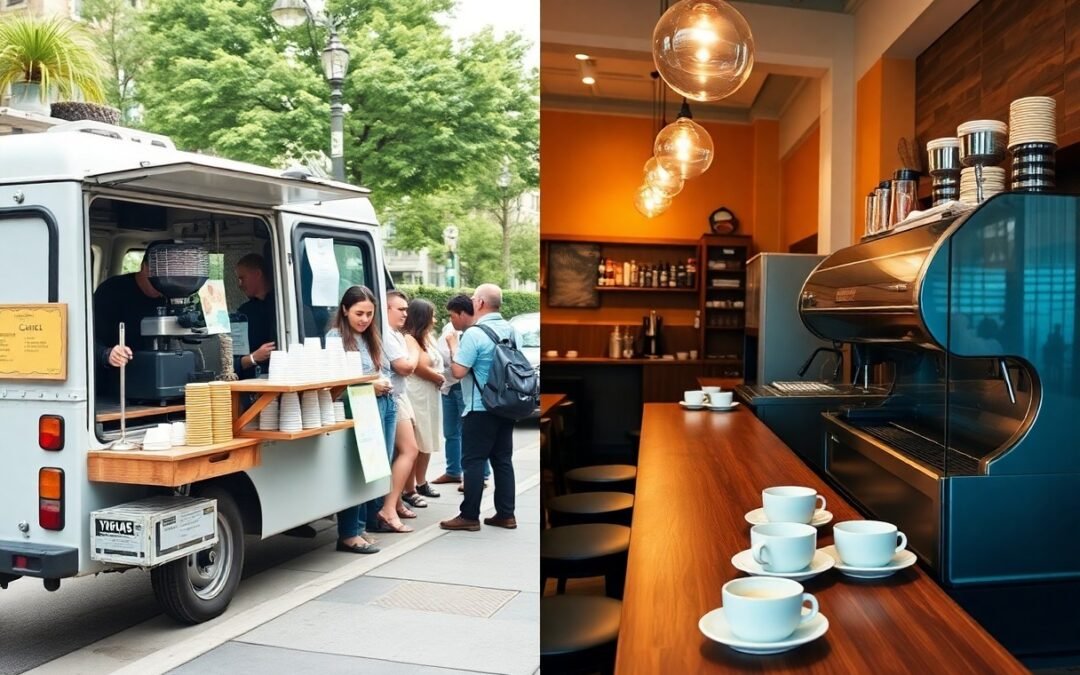
Management of daily operations in a busy coffee van differs from a full-service café; you must prioritize speed, inventory, staffing, and service design to match each setting’s constraints.
Key Takeaways:
- Coffee vans require 1-2 cross-trained staff working in tight prep zones to serve high-volume, short-order traffic; full-service cafés require clear role separation (baristas, cooks, managers) to handle complex orders, table service, and higher capacity.
- Limited van space forces a simplified menu, compact equipment (single-group espresso, airpots, prepped food) and off-site batching; cafés support full-size espresso machines, ovens, walk-in storage and made-to-order food options.
- Inventory and scheduling differ: vans rely on daily forecasting, just-in-time restocking, and mobile POS for peak-location planning; cafés use scheduled deliveries, buffer stock, shift rostering, and integrated POS/loyalty systems to manage steadier demand.
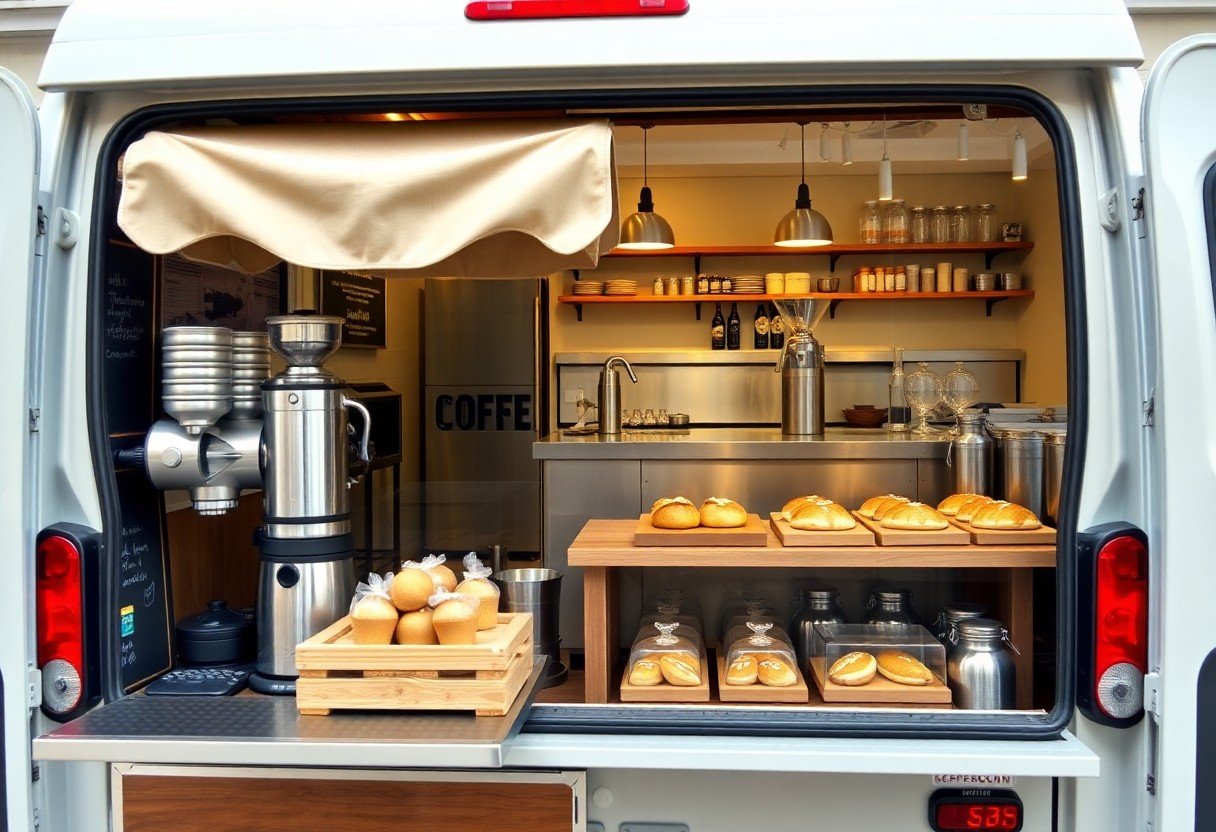
Assessing Operational Scale: Key Factors for Each Business Model
Compare your van’s tight service triangle, limited storage and single-server model with a café’s larger footprint, dedicated prep areas and multi-role staff so you can set realistic expectations and inventory plans.
- Space and layout constraints
- Equipment capacity and storage
- Staffing patterns and shift length
- Throughput and peak handling
Analyzing footprint and spatial limitations
Space in a van forces you to prioritise compact machines, trim menus, and route tasks to avoid cross-traffic, while a café allows you to zone for prep, storage and customer flow so you can distribute tasks across areas.
Evaluating customer volume and peak hour velocity
Expect your van to face short, intense peaks that demand speed and pre-batched items, whereas a café must sustain steady service and seating turnover with more staff depth and staggered prep.
Perceiving those peak rhythms lets you schedule prep, assign roles for rushes, and adjust stock levels so you minimise wait times and keep quality consistent.
How-to Optimize Workflow in a High-Volume Coffee Van
You map a single-motion workflow so every reach and step is minimized; place grinder, group head, steam wand and service window in a logical sequence to shave seconds off each drink and keep lines moving.
Organize prep with batch tasks like pre-dosing grounds, pre-filling syrup pumps and steaming common milk volumes so you reduce mid-service decisions and maintain consistent drink quality under pressure.
Implementing ergonomic station layouts for speed
Position equipment so you match the most common task sequence: keep cups by size at the service window, milk near the steam wand, and grinders positioned for minimal handoff between grinding and dosing.
Rotate staff through every station during training so you build flexibility; use short timed drills so you condition muscle memory and prevent single-point bottlenecks during rushes.
Streamlining menu offerings to reduce preparation time
Simplify your menu to core, high-turn items so you cut decision time and prep complexity; limit modifiers and use preset machine buttons and measured pumps for standard recipes.
Prioritize batch elements like pre-steeped cold brew, pre-measured syrups and a few steamed-milk volumes for peak hours so you sustain throughput without sacrificing consistency.
Audit sales data weekly so you identify slow or complex items to remove or convert into prepped components; label recipes with exact doses and timings and train quick upsell prompts that don’t add prep time so you keep service fast and predictable.
Managing the Complexities of a Full-Service Café Layout
Your full-service café layout demands clear zoning: barista line, prep kitchen, dishwashing, and dining. You should map staff circulation to prevent cross-traffic, place high-use ingredients near stations, and reserve storage close to service points to reduce retrieval time.
Plan for flexible stations you can reposition during peak shifts and stagger breaks so coverage stays consistent. You should prioritize sightlines for managers to monitor floor and kitchen and use modular furniture to adapt seating without interrupting service.
Coordinating front-of-house and kitchen communication
Staff communication depends on a single point of truth such as your POS and order display; you should appoint an expeditor to manage timing, use clear ticket modifiers for allergies or specials, and run concise pre-shift briefs to align priorities and reduce mistakes.
Establishing efficient table service and seating protocols
Set seating protocols that match your service model: assigned servers for more attentive service or pooled stations for high turnover. You should define hold times for reservations, implement a visible queue for walk-ins, and train hosts to estimate waits and direct guests to appropriate seating quickly.
Assign bussers to clear and reset tables by zone with targets-clear within two to three minutes and reset within five-to keep turnover predictable; you should standardize table layouts, maintain an updated waiting list, and offer fast payment options to shorten table dwell time.
Essential Staffing Tips for Mobile vs. Brick-and-Mortar Sites
Staffing a busy coffee van demands multi-skilled staff who can handle barista, cashier, and basic maintenance tasks alone; you should compress roles and rely on concise procedures so service stays quick and consistent.
- Cross-train for vital van tasks
- Keep checklists for opening, peak service, and closing
- Use simple shift confirmations and on-call backups
Schedule shifts so you can cover café peaks with staggered roles and give the van predictable solo windows; you will reduce burnout by matching skill levels to expected traffic.
Training multi-skilled baristas for solo van operations
Train each barista in core van duties-espresso, POS, inventory, and simple equipment fixes-using short drills and shadow shifts so you can maintain speed under pressure.
Defining specialized roles within a diverse café team
Define clear roles such as lead barista, floor coordinator, and inventory owner so you can distribute responsibility and avoid duplicated effort during rushes.
Allocate authority and specific KPIs so you can measure performance and make targeted schedule adjustments while encouraging occasional rotation for broader skill awareness.
Perceiving how role clarity impacts throughput will help you balance headcount, assign peak duties, and set realistic targets that reflect daily customer flow.
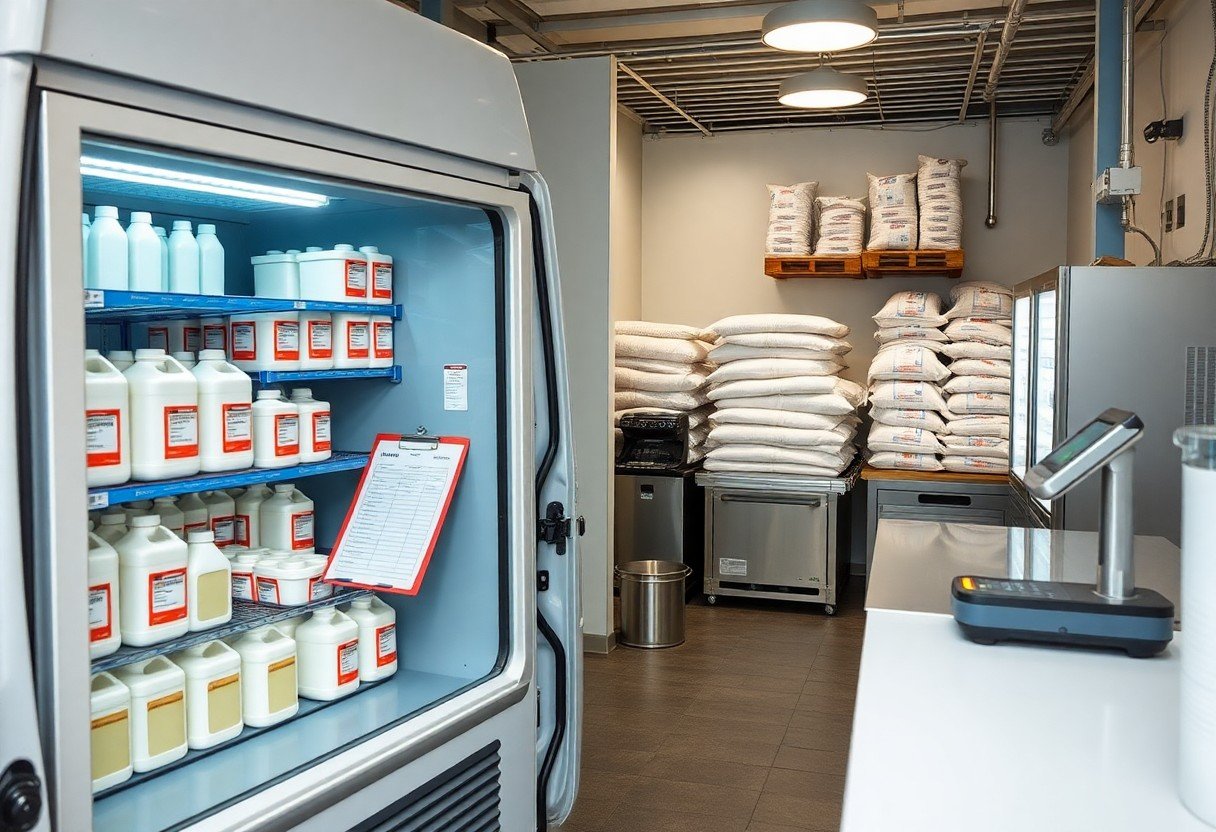
Inventory Management: How-to Balance Storage and Freshness
Inventory choices change when you run a van versus a café; you balance minimal cold storage with rapid turnover, and you should prioritize high-turn items and tight par levels. Compare layouts and order cadence to decide what fits – more on trade-offs in Coffee Cart vs Coffee Truck: Which Is Best for Your Event?.
Utilizing just-in-time ordering for limited mobile storage
Mobile operations use just-in-time ordering so you carry only what you’ll sell that day; you must schedule suppliers around event routes and keep a small buffer for unexpected demand.
Managing bulk procurement and stock rotation for full menus
Cafés can buy in bulk but you need strict stock rotation, clear labeling, and consistent temperature control so beans, milk, and syrups remain fresh across service.
You should plan delivery days to match peak menu demand, run weekly audits, and train staff to rotate by date to reduce waste and keep quality steady.
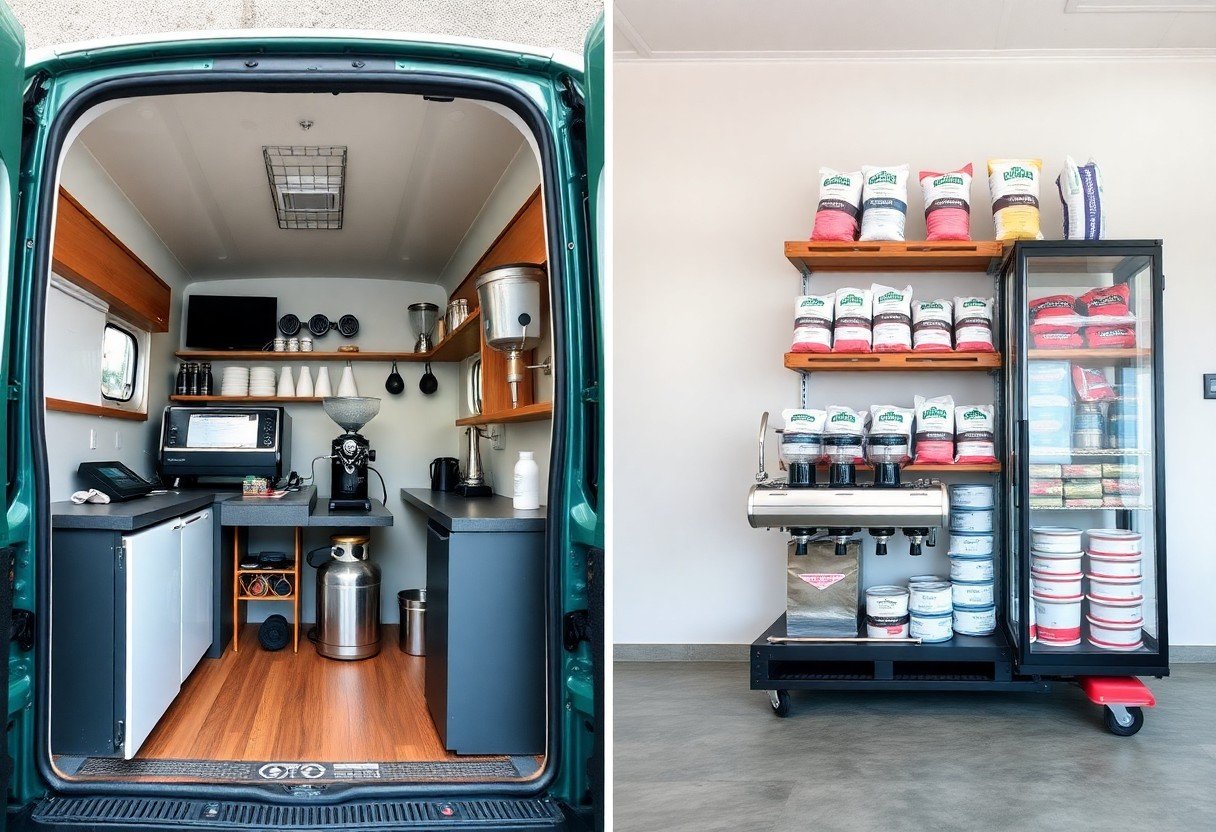
Technology and Equipment Factors for Smooth Service
You match tech to model: choose compact, battery-efficient grinders and portable brewers for a van, and larger programmable machines for a café to handle steady volume. Keep spare parts, monitor firmware, and schedule maintenance around peak shifts so you avoid surprises.
Plan power, connectivity, and backup systems to suit each setting: map generator and outlet capacity for the van and prioritize wired networks for the café to reduce transaction lag. Standardize cables, chargers, and spare batteries so you can swap quickly under pressure.
- Power management and backups
- Compact vs. high-capacity equipment
- Offline-capable payment systems
Selecting mobile-friendly POS and wireless payment solutions
Choose a POS that runs offline, syncs when connected, and has a compact interface so you can process orders quickly in tight spaces. You should test contactless speed, tip prompts, and modifier flows to keep queues moving.
Maintaining heavy-duty machinery for consistent high-capacity output
Schedule daily backflushing, weekly descaling, and regular grinder calibration to maintain extraction consistency under load; in a van, compress tasks into shorter windows that fit your service flow. You should track records so wear patterns show before failures occur.
Inspect group gaskets, seals, and steam wands before each service period and replace worn parts promptly to prevent mid-shift breakdowns. You should keep a parts kit and a trusted technician contact for rapid repairs.
The extra step of a service contract with priority parts delivery and scheduled technician visits reduces downtime and helps you maintain throughput during your busiest shifts.
Conclusion
Considering all points you should prioritize speed, inventory control, and clear roles to run a coffee van, while a café demands staff training, workflow zoning, and consistent quality systems. You balance mobility constraints with tight service loops in a van, and you scale processes, scheduling, and supplier relations in a café to maintain throughput and customer experience.
FAQ
Q: What are the main operational differences between running a busy coffee van and a full-service café?
A: Staffing and space define the primary differences. A coffee van typically runs with one to two people who perform every role from taking orders to preparing drinks, which demands cross-training and rapid service. A full-service café supports a larger team with specialized duties such as front counter, barista, kitchen, and a manager, allowing parallel tasking and broader menu offerings. Customer flow in a van is usually high-volume, short-dwell, while a café handles longer dwell times, table service, and higher seating turnover complexity.
Q: How should inventory and supply management differ between a van and a café?
A: Inventory management must match storage capacity and delivery frequency. A van operates with tight par levels, daily or even twice-daily restocks for perishables, and pre-measured portions to reduce waste. A café can order in bulk, maintain deeper cold and dry storage, and schedule regular deliveries with predictable usage patterns. Implement daily waste tracking, set reorder points based on sales cycles, and use simple inventory counts at shift changes to prevent stockouts.
Q: How do menu planning and consistency practices vary for each operation?
A: Menu design should reflect available equipment, prep space, and staff skill. A coffee van benefits from a concise menu focused on high-margin, quick-to-prepare drinks and a few grab-and-go food items with straightforward prep. A café can offer a wider food selection and specialty beverages that require more prep stations and time. Use standardized recipes, portion controls, visual quality checks, and short written checklists to keep drink and food consistency across shifts and locations.
Q: What tactics work best for managing peak-hour service and customer queues?
A: Queue strategies are shaped by footprint and throughput needs. A van should prioritize speed with batching, pre-made components, clear menu boards, suggested pairings, and fast payment options such as contactless or mobile pre-order. A café can separate food and drink lines, assign dedicated roles for cashing and drink prep, and use table service or runners during busy periods. Both setups benefit from short pre-shift briefings, visible ticket timers, and visible signage to set expectations.
Q: How do equipment choices and maintenance routines differ?
A: Equipment selection is driven by space, power, and expected volume. A van needs compact, reliable gear: a small commercial espresso machine rated for limited space, a durable grinder, water filtration and storage, and a stable power source with backup options. A café can invest in larger multi-group machines, multiple grinders, dishwashers, and dedicated HVAC. Implement daily cleaning checklists, weekly preventative checks, and a relationship with a qualified technician for scheduled maintenance to reduce downtime.
Q: What are effective staff training and quality control practices for each model?
A: Training programs should be concise and role-specific. A van requires fast, hands-on cross-training covering order taking, drink prep, safety, and basic equipment troubleshooting. A café can provide more in-depth role training, menu tastings, and staged shift mentorship. Use short SOPs, timed drills, taste-and-calibrate sessions, pre-shift huddles, and measurable KPIs such as ticket time and error rate to maintain service quality under pressure.
Q: How should pricing, cost control, and profitability be handled differently?
A: Cost structure dictates pricing approaches for each format. A van typically has lower fixed overhead like rent but higher variable costs per location such as fuel, mobile permits, and tighter waste margins, so pricing often skews higher per cup with focus on volume and speed. A café absorbs higher fixed costs and can boost revenue through food sales, add-ons, and prolonged customer visits. Track food and beverage COGS, labor percentage, and daily sales targets; adjust pricing by item profitability and use promotions or loyalty offers to increase average spend.