
Just use simple criteria-bean origin, roast level, grind options, price, and tasting notes-to compare subscription boxes quickly so you can choose the best match for your palate and budget.
Key Takeaways:
- Prioritize flavor and fit: compare roast date, roast level, bean origin, tasting notes, and grind options to match your brewing method.
- Compare cost and subscription terms: calculate per-cup price including shipping, check frequency, minimum commitments, pause/skip/cancel policies, and trial or sampler options.
- Verify freshness and sourcing: look for recent roast dates, airtight packaging or grind-on-demand, clear sourcing info or certifications, and consistent customer feedback.
Factors to Consider When Defining Your Coffee Profile
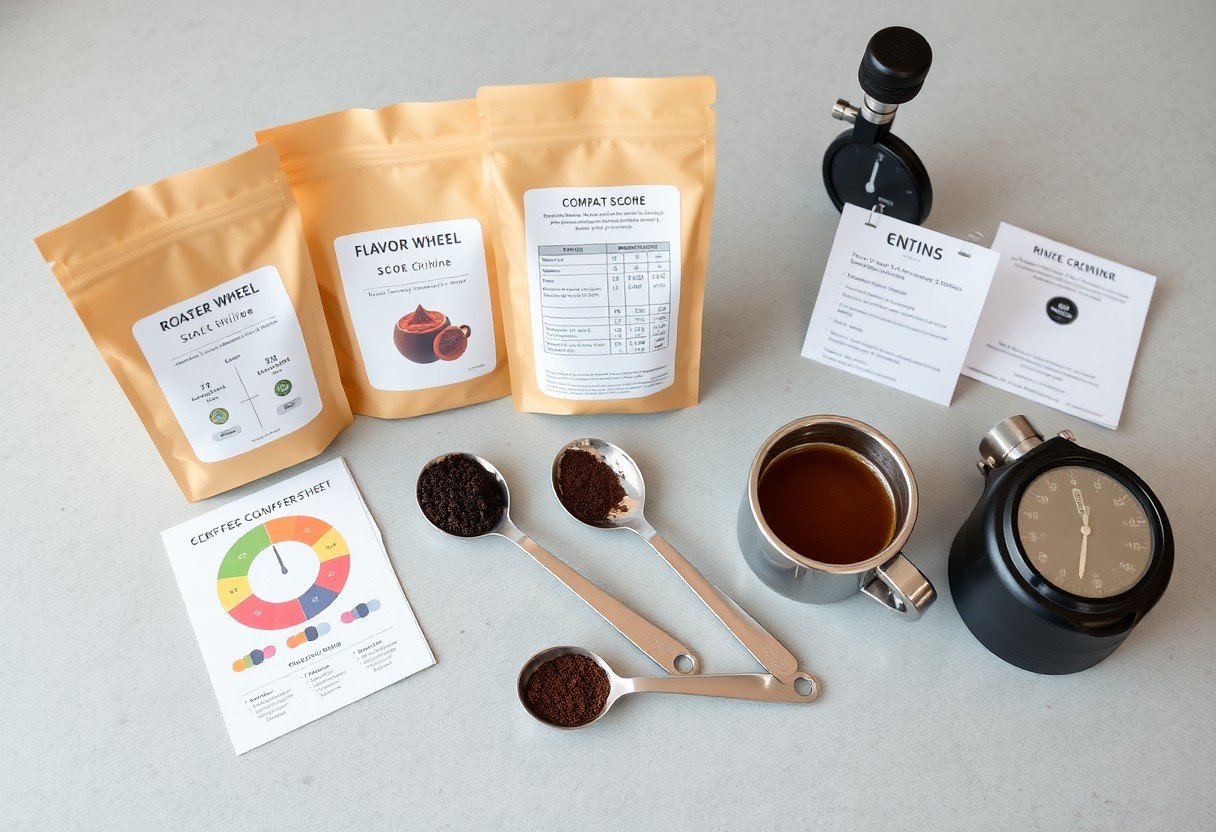
Consider your palate, roast preference, and desired caffeine level when defining your profile; note acidity, body, and finish.
- Acidity
- Body
- Roast level
Compare subscription descriptions and sample options; check roast dates and freshness via 11 Best Coffee Subscriptions, Tested & Reviewed (2026). The easiest way is to start with sampler boxes to refine your choices.
Pinpointing Flavor Preferences and Roast Levels
Taste brewed samples across origins and roast levels, and jot down notes on fruitiness, chocolate, floral, or nutty characteristics you prefer.
Note whether brighter acidity or rounder body appeals to you, then prioritize subscriptions that let you filter by roast and flavor descriptors.
Assessing Your Current Brewing Equipment Needs
Check your grinder, brew method, and preferred batch size before you subscribe, since grind options and packaging affect freshness and extraction.
Match your equipment to subscription offerings: whole-bean for grinders, pre-ground for single-serve machines, and coarse grinds for immersion brewers.
If you lack a burr grinder, consider boxes with ground options while you invest in better gear to evaluate single-origin differences.
How-to Evaluate Roaster Transparency and Sourcing
Check the roaster’s sourcing page and product descriptions to confirm farm-level details, origin, and farmer relationships; brands that list estates, cooperatives, and payment terms demonstrate higher transparency you can trust when comparing boxes.
You should assess how openly the roaster reports quality metrics like cupping scores, processing methods, and traceability-this helps you weigh flavor consistency and ethical practices across subscription options.
Investigating Direct Trade and Ethical Certifications
Inspect claims of direct trade by looking for named farms, purchase prices above market rate, or documented partnerships; absence of specifics often means the term is used for marketing rather than meaningful support for producers.
Ask for third-party certifications like Fair Trade, Organic, or Rainforest Alliance when direct trade details are scant; these certifications give you verifiable standards to compare ethical commitments between subscriptions.
Confirming Roast Dates and Shipping Standards
Compare roast dates listed on product pages and packaging, and prefer roasters that publish roast-to-ship timelines so you can estimate freshness when the box arrives.
Verify that shipping methods use protective, oxygen-limiting packaging and quick transit options; longer delivery windows can age coffee regardless of roast date, so factor shipping into your comparison.
Track roast-date transparency by checking order confirmations and photos, and test freshness yourself by noting crema, aromatics, and extraction; if you detect staleness, use your subscription’s skip or swap policies to adjust frequency or roast level.
Key Factors in Comparing Subscription Flexibility
Focus on how easily you can change delivery cadence, swap beans, or pause shipments so the service adapts to your consumption and schedule.
Compare minimum commitments, notice periods for changes, and whether adjustments are instant or require customer support to judge true flexibility.
- Delivery cadence options and specific date selection.
- Pause length limits and restart procedures.
- Assume that support-driven exceptions exist when self-service controls are limited.
Flexibility Checklist
| Factor | What to check |
|---|---|
| Frequency changes | Self-serve controls, immediate application |
| Shipment pauses | Max pause length, clear reactivation steps |
| Plan swaps | Ability to change roast, grind, or size without fees |
Managing Frequency Adjustments and Shipment Pauses
Adjusting frequency should be self-serve so you can align deliveries with consumption; verify whether changes affect the next shipment or require advance notice.
Evaluating Ease of Account Customization
Check if you can update roast origin, grind, and bag size from your dashboard and save preferences to avoid repeated changes.
Explore whether the interface previews cost changes and shows upcoming shipment dates so you can plan without surprises.
Tips for Comparing Pricing and Long-Term Value
Compare subscription fares by measuring per‑ounce cost, roast consistency, and contract flexibility so you can judge ongoing value without bias.
- Track monthly spend against actual consumption you brew.
- Check promo lengths and cancellation terms you might face.
- Estimate gear or credit perks that offset price you pay.
Comparison metrics
| Metric | How you use it |
|---|---|
| Per‑ounce price | Divide total cost by ounces delivered |
| Shipment frequency | Multiply cost by shipments per month |
| Discounts & credits | Annualize savings you receive |
Calculating the True Cost Per Ounce
Use total billed amount including fees and package weight to compute the real per‑ounce price so you can compare boxes on the same basis.
Identifying Hidden Shipping Fees and Taxes
Check checkout totals from multiple addresses and promo scenarios to uncover surcharges, handling fees, or tax additions that inflate your effective price.
Assume that low headline prices may hide flat shipping, regional taxes, or handling fees that push your monthly spend higher than the listed subscription rate.
How-to Utilize Trial Offers and Sample Kits
You can order trial packs or sample kits to taste distinct roasters without committing to full subscriptions, focusing on single-origin versus blends to spot roast and flavor differences quickly.
Try staggering shipments and choosing consistent grind and brew parameters so you evaluate freshness, roast date, and packaging while keeping variables low between samples.
Trial Offers at a Glance
| Sample Kit | Small portions from multiple origins to compare flavor range |
| Introductory Subscription | One-time discounted box to test service quality and shipping |
| Single Shipment Option | Avoids automatic renewals while you test multiple providers |
| Roast Date & Packaging | Check roast dates and sealed packaging to judge freshness |
Testing Multiple Services with Introductory Discounts
Compare introductory offers by cost per ounce, shipping time, and cancellation policy, and sign up for single shipments so you can test several services without ongoing charges.
Documenting Taste Profiles for Side-by-Side Comparison
Record tasting notes every brew using the same recipe and cup size so you can directly compare acidity, body, sweetness, and finish across different boxes.
Note you should assign a simple numeric score to each attribute and photograph packaging to link notes with roast dates and lot information.
Tasting Log Fields
| Attribute | How to note it |
| Aroma | Describe primary scents (floral, chocolate, fruity) |
| Acidity | Rate brightness and type (citric, malic, winey) |
| Body | Note mouthfeel: thin, medium, or full |
| Finish | Describe aftertaste length and character |
| Score | Give an overall 1-10 rating for quick comparisons |
Expert Tips for Finalizing Your Subscription Choice
Assess trial options, roast profiles, and price per bag against your daily routine so you can test preferences before committing to a longer plan.
Compare flexibility in frequency, grind customization, and pause or cancel policies so you won’t be locked into a plan that doesn’t fit your consumption habits.
- Sample a one-off box to check consistency
- Verify grind options and delivery cadence match your equipment
- Watch introductory pricing versus renewal rates
Checking Roaster Diversity and Rotation Schedules
Check how many roasters are featured monthly and whether origins rotate so you can broaden your tasting without repeated shipments.
Reviewing Customer Support and Satisfaction Guarantees
Inspect response times, replacement policies, and refund windows so you know how quickly issues are resolved when a shipment arrives stale or damaged.
The satisfaction guarantee should clearly state what qualifies for replacements, how you submit claims, and expected resolution timelines so you can act confidently when problems occur.
To wrap up
Presently you can compare specialty coffee subscription boxes efficiently by listing your priorities-origin, roast profile, grind options, freshness, price, and delivery frequency. Test short trial plans, read roast and sourcing details, calculate per-cup cost, and favor subscriptions with flexible delivery and clear cancellation. This method helps you pick the best value and flavor fit.
FAQ
Q: What criteria should I use to compare specialty coffee subscription boxes?
A: Use a checklist that covers origin and traceability, roast level and roast date, bean type (single-origin versus blends), freshness guarantees, grind options, portion sizes per shipment, frequency and flexibility, price including shipping, packaging quality, tasting notes and sample variety, sourcing and producer information, customer service, and cancellation policy.
Q: How can I score and rank subscription boxes quickly?
A: Create a weighted scoring matrix with criteria weighted by importance to you. Example weights: flavor/tasting quality 30, freshness 20, price/value 15, convenience/flexibility 15, variety 10, sourcing/transparency 10. Rate each box 1-10 on each criterion, multiply by the weight, then sum for a score out of 100. Use the final ranking to shortlist top contenders for a taste test.
Q: How do I calculate cost per serving to compare value across different portion sizes?
A: Calculate cost per ounce and cost per brewed cup. Formula: cost per ounce = total shipment price ÷ total ounces included. Formula: cost per cup = cost per ounce × ounces used per cup. A 12 oz brewed cup typically uses about 20 g (≈0.7 oz) of coffee. Example: a $25 box with 12 oz yields $25 ÷ 12 = $2.08 per oz; a 12 oz cup costs $2.08 × 0.7 ≈ $1.46.
Q: What is the fastest way to test whether a box matches my taste without committing long-term?
A: Order sampler packs, single-bag options, or one-off boxes from several services and brew them side-by-side using identical parameters. Check for first-box discounts or trial options and use the subscription’s pause or cancel option before the next billing if it’s not a fit. Record tasting notes on acidity, body, sweetness, balance, and aftertaste to compare objectively.
Q: How should I evaluate freshness and packaging claims?
A: Verify a clear roast date on the bag and look for packaging with a one-way valve and oxygen/light barriers. Prefer whole-bean shipments when possible because whole beans hold aromatics longer than preground coffee. Most specialty beans show peak characteristics within the first few weeks after roast depending on brew method; proper packaging and fast shipping reduce staling during transit.
Q: How do grind options and brew-method compatibility affect my choice?
A: Match grind options to your equipment and confirm the roaster will grind to your specification if you need preground coffee. Espresso, pour-over, Aeropress, and French press require different grind ranges that change extraction and flavor. If a subscription ships only whole beans and you lack a grinder, choose a service with preground choices or plan to buy a grinder.
Q: How can reviews and customer service inform a final decision?
A: Read verified customer reviews, third-party tasting notes, and independent reviews for patterns about freshness, consistency, and shipping reliability. Test customer service response by sending a question before subscribing to assess responsiveness and clarity on refund or replacement policies. Favor services that publish farm or lot details, tasting scores, and clear sourcing information if transparency matters to you.