
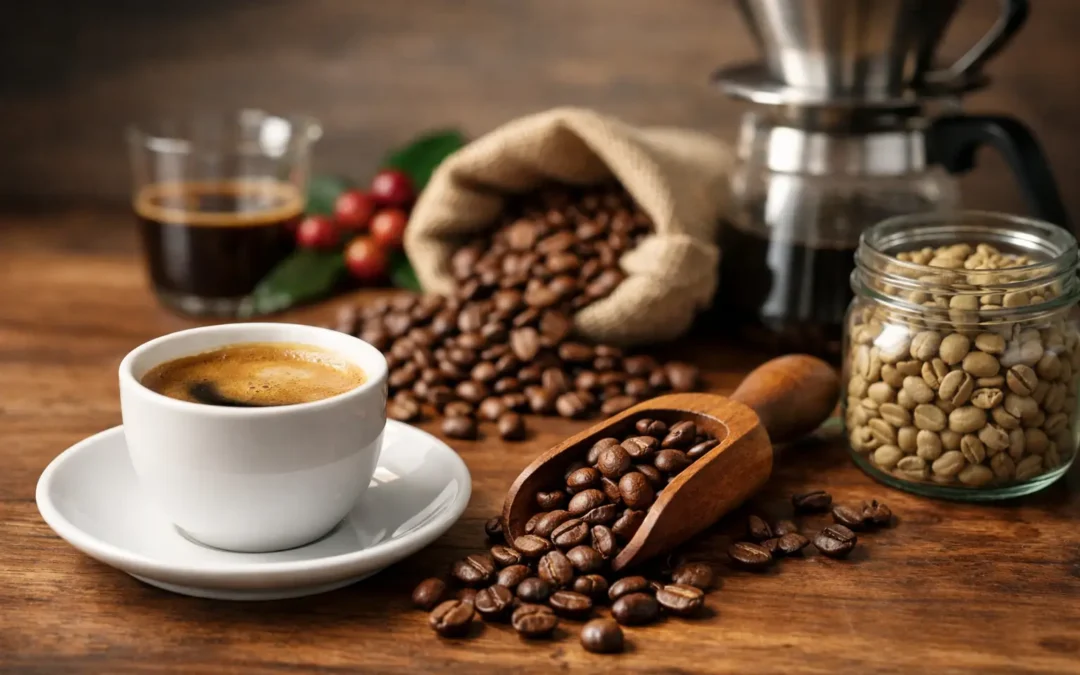
You can taste the difference long before anyone starts talking about scoring systems or origin notes. The first sip is cleaner, sweeter, more expressive. Maybe it reminds you of dark chocolate and roasted hazelnut, or maybe it lands brighter, with stone fruit or citrus lifting through the cup. If you’ve ever asked what is specialty coffee, the short answer is this: it’s coffee treated with care at every stage, from farm to roast to brew, so the final cup shows real character instead of just caffeine.
That definition sounds simple, but there’s more to it than a fancy label on a bag. Specialty coffee has standards behind it, and those standards shape flavour, freshness and consistency in ways everyday coffee often doesn’t.
What is specialty coffee in practical terms?
At the industry level, specialty coffee refers to coffee that scores 80 points or above on a 100-point scale when assessed by certified tasters. That score takes into account aroma, flavour, acidity, body, balance, sweetness and the absence of defects. In plain language, it means the coffee is high quality green bean coffee before it even reaches the roaster.
But for most drinkers, the practical meaning matters more than the technical one. Specialty coffee is coffee with traceability, quality control and intent. Someone has paid attention to where it was grown, how it was processed, how it was roasted, and how it’s brewed in the cup.
That’s why specialty coffee tends to feel more alive. Instead of tasting flat, burnt or one-note, it carries distinct flavours from the bean itself. Good roasting then brings those flavours forward rather than covering them up.
It starts at the farm, not the espresso machine
One of the biggest misunderstandings around specialty coffee is that the magic happens in the café. Great baristas matter, and so does brewing equipment, but the story starts much earlier.
Altitude, climate, soil, varietal and processing all influence the final cup. A washed Ethiopian coffee might come across floral and tea-like, while a natural Brazilian coffee can lean toward cocoa, nuts and ripe fruit. These aren’t flavourings added later. They’re part of the coffee’s natural profile, shaped by origin and production.
Farm practices matter too. Producers chasing specialty-grade quality often harvest more selectively, picking ripe cherries rather than stripping whole branches at once. They also handle sorting and processing with more precision. That extra labour and care is one reason specialty coffee costs more, but it’s also a big part of why it tastes better.
Why grading matters
Coffee grading can sound a bit abstract until you compare it to produce. Not every tomato at the market is equal, and not every coffee bean is either. Lower-grade coffee can include more defects, uneven ripeness and less consistency from batch to batch. Roasting can hide some of that, but not all of it.
Specialty coffee is assessed to make sure the raw material is genuinely excellent. That doesn’t mean every specialty coffee tastes the same or that every bag will match your personal preference. It means the coffee has clarity and quality, giving the roaster something worth working with.
This is where preference and quality split apart a little. You might personally prefer a rich, chocolatey blend over a bright, fruit-forward single origin. That’s completely fair. Specialty coffee isn’t about pretending everyone should love the same flavour profile. It’s about giving you a better starting point, then letting roast style and brewing method shape the experience.
Roasting is where flavour is guided, not buried
A skilled roaster doesn’t try to make every coffee taste identical. The goal is to develop the bean in a way that suits its natural character.
With lower-quality coffee, darker roasting is often used to mask defects or flatten inconsistency. With specialty coffee, roasting is more intentional. A roaster might build sweetness in one coffee, preserve delicate acidity in another, or create a blend designed to shine through milk without losing complexity.
Freshness matters here as well. Specialty roasters usually work in smaller batches and pay close attention to roast dates, because coffee is at its best within a certain window. Beans that have been sitting around too long lose aromatics and flavour definition. That’s one reason freshly roasted coffee feels noticeably more vibrant in the cup.
For home brewers and workplaces alike, this changes the daily ritual. You’re not just making do with whatever’s in the cupboard. You’re starting with coffee that was roasted to be enjoyed at its peak.
Brewing still matters – a lot
Even the best beans can be let down by poor brewing. Water temperature, grind size, dose and extraction all influence the final result. That doesn’t mean specialty coffee has to be complicated or precious, but it does reward a bit of care.
Espresso can reveal texture, sweetness and intensity. Filter methods often highlight clarity and nuance. Milk changes the picture again, softening acidity and bringing chocolate or caramel notes to the front. A coffee that feels delicate as a black filter brew might become silky and comforting as a flat white.
This is why there’s no single answer to what makes specialty coffee better. Sometimes it’s the black coffee drinker chasing origin character. Sometimes it’s the office team wanting café-quality flat whites without relying on pod machines. Sometimes it’s an event organiser who wants guests to actually remember the coffee service instead of treating it like an afterthought.
What specialty coffee is not
Specialty coffee isn’t just expensive coffee. Price can reflect quality, ethics, small-batch roasting and supply chain realities, but a premium price alone proves nothing.
It also isn’t about snobbery. The best specialty coffee spaces make quality feel approachable. You don’t need to speak in tasting notes or know every processing method to enjoy a better cup. If you know what you like, that’s already a good starting point.
And it isn’t always ultra-light roasted or intensely acidic. That stereotype puts some people off unfairly. Specialty coffee can be bright and adventurous, but it can also be smooth, rich and deeply comforting. The point is not to chase trends. It’s to showcase quality with balance.
Why more people are choosing specialty coffee
There’s a practical side to this shift. People have become more selective about everyday purchases, and coffee is one of the easiest routines to upgrade. If you drink coffee every day, quality matters.
For home drinkers, specialty coffee offers fresher beans and more satisfying flavour. For offices, it creates a better experience for staff and clients without settling for bland machine coffee. For events, it lifts the atmosphere instantly. Freshly brewed coffee has a way of drawing people in, starting conversations and making a setup feel polished and generous.
That’s part of why specialty coffee works so well beyond the café counter. It brings together craftsmanship and convenience. A well-roasted bean at home feels like a small daily win. A mobile coffee service at a workplace or activation turns refreshments into part of the experience. In both cases, quality is what people notice first.
How to tell if a coffee is truly specialty
The clearest signs are transparency and freshness. Look for details like origin, roast date, processing method or tasting notes. You don’t need every piece of information on every bag, but good coffee businesses usually tell you something meaningful about what you’re buying.
Taste is another clue. Specialty coffee should feel clean and deliberate. Even when it’s bold, it shouldn’t taste muddy or harsh for no reason. Bitterness can exist, especially in darker profiles, but it should feel integrated rather than burnt.
Service matters too. Businesses that care about specialty coffee usually care about preparation, consistency and helping customers find a coffee that suits them. That hospitality side is part of the appeal. Good coffee should feel inviting, not intimidating.
At Lygon Coffee, that’s exactly how we see it – fresh, expertly roasted coffee that fits naturally into your day, whether you’re brewing at home, stocking the office, or booking a mobile coffee van for an event that deserves more than average.
The real value of specialty coffee
The best answer to what is specialty coffee isn’t a score sheet. It’s the difference between drinking coffee out of habit and actually enjoying it.
When coffee is sourced carefully, roasted fresh and brewed well, every cup tells a clearer story. You taste the work behind it. You notice more sweetness, more balance, more of the richest flavours the bean can offer. And once you get used to that, it’s hard to go back to coffee that feels anonymous.
That doesn’t mean every cup needs to become a tasting session. Sometimes the win is simply a better flat white before work, a more memorable coffee cart at your event, or beans on the bench that make the morning feel sorted. Specialty coffee earns its place in those moments because it brings quality without asking you to lower your standards for convenience.
If you’re curious, start with one fresh bag or one properly made cup and pay attention to what changes. Chances are, it won’t just taste better. It’ll make the whole ritual feel worth it.