

Most of the time you build trust by describing bean origin, roast profile, tasting notes, brewing suggestions, subscription terms, and transparent pros and cons, offering evidence and clear photos so readers can decide with confidence.
Key Takeaways:
- Sensory notes: list origin, roast date, processing, precise flavor descriptors, brewing method, grind, and water temperature so readers can reproduce your cup.
- Evidence and transparency: include photos, receipts or roast-date stamps, disclose affiliate links or freebies, and report subscription details like price, frequency, shipping, and cancellation experience.
- Clear verdict and recommendation: state who will enjoy the subscription, compare value against alternatives, and summarize pros and cons with a concise final recommendation.
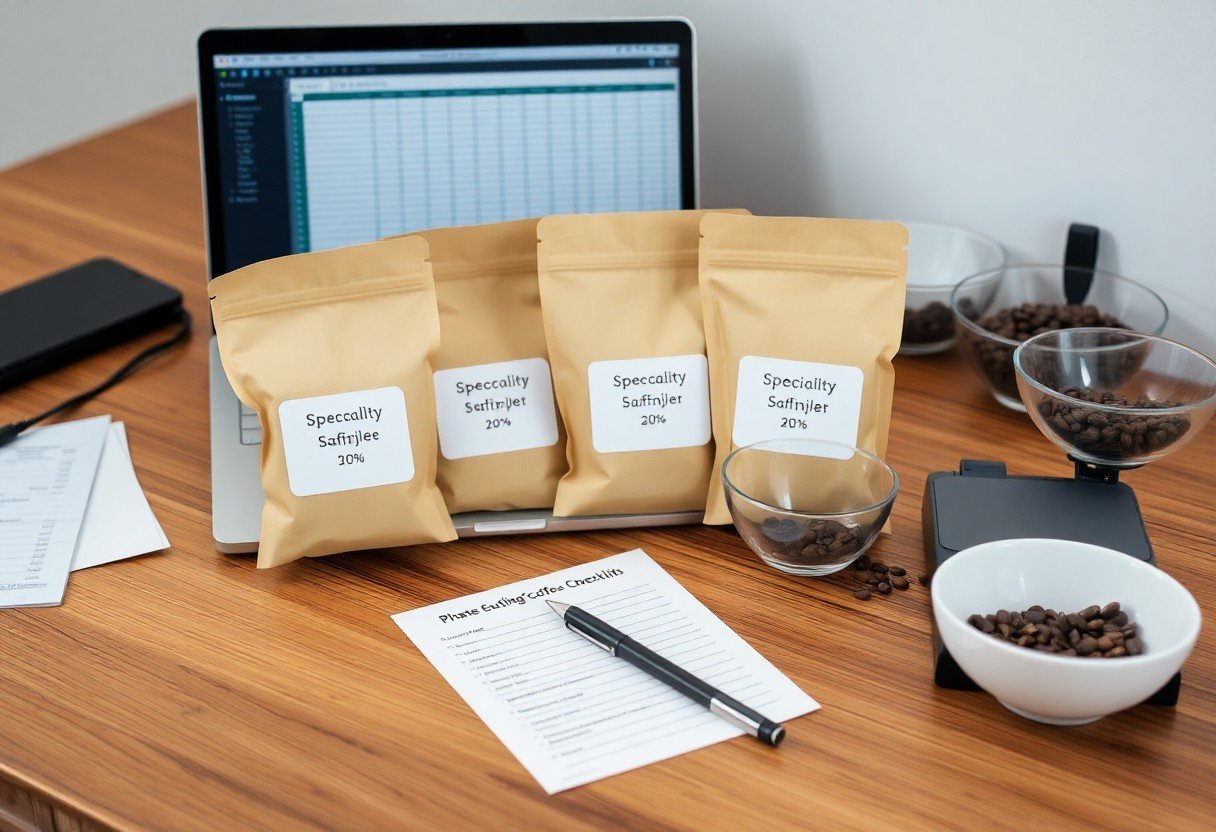
Establishing Your Reviewing Methodology
You document the full testing method-brew recipe, grind, dose, water profile, roast date and tasting order-so readers can reproduce results and trust your conclusions.
Establish a clear scoring rubric and disclosure policy so you consistently rate aroma, acidity, body and aftertaste while noting any sampler bias or subscription perks.
Defining your palate and coffee preferences
Clarify your palate by noting preferred flavor families, sensitivity to acidity or bitterness, and reference beans you use as baselines; this helps readers map your notes to their tastes.
Setting consistent testing parameters for every bag
Standardize every bag’s brew variables-same grinder setting, dose per cup, water temperature, brew time and cup size-so differences reflect the coffee, not your technique.
Measure and log each variable, record roast and ship dates, use control cups and score sheets, and include photos or audio notes so your reviews are precise and repeatable.
How to Assess the Subscription Logistics
Assess the subscription’s operational details so you can confirm billing cadence, pause and cancellation policies, visible roast dates, and prompt customer support; also consult their setup guide and read How to Launch a Profitable Coffee Subscription for context.
Evaluating website usability and customization options
Test the signup flow by customizing grind, roast preference, frequency, and delivery window, and verify that you can update or pause orders without contacting support and that pricing and shipping costs are shown before checkout.
Analyzing shipping reliability and packaging sustainability
Check delivery estimates, tracking accuracy, and how often shipments arrive on time, and ensure you know the process for replacements or refunds and that roast dates are published to confirm freshness.
Compare packaging materials, insulation, and resealable bag quality so you can judge freshness retention, clear recycling or composting instructions, and any claims about carbon footprint or durable mailers that reduce waste.
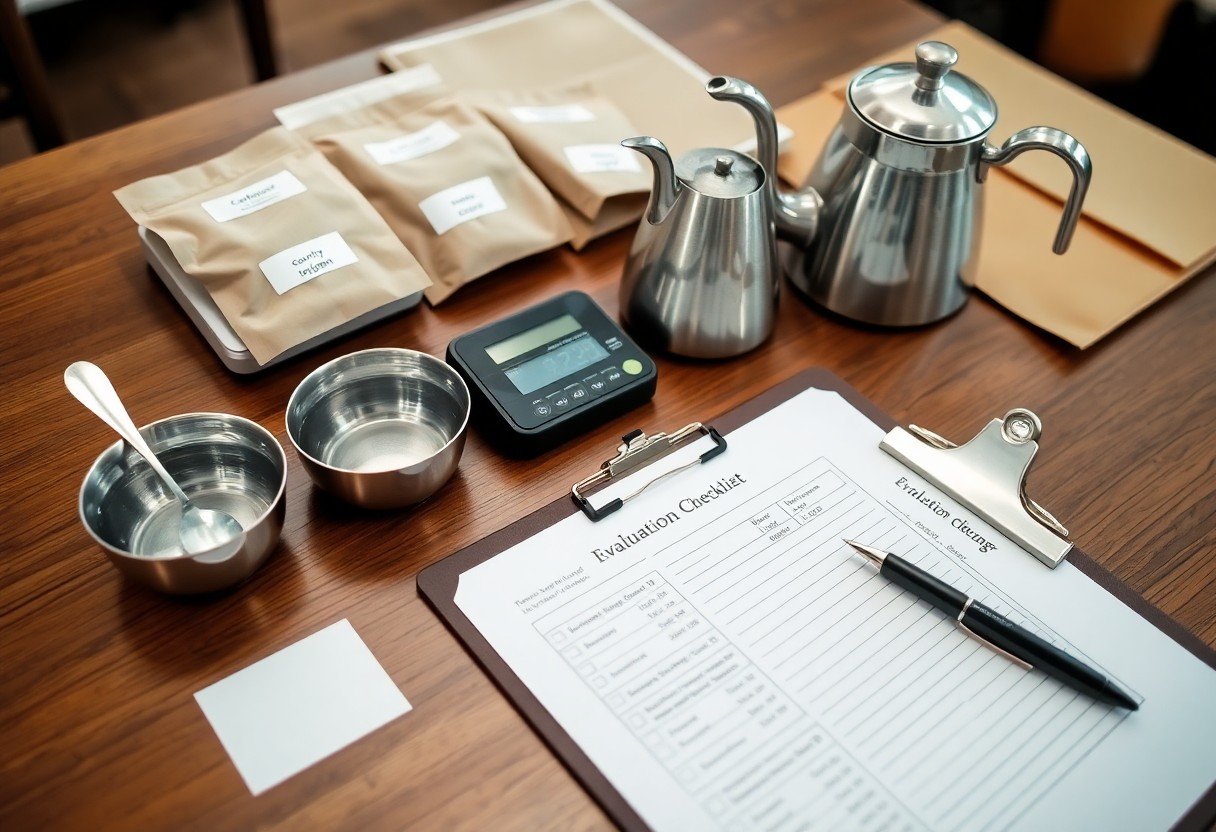
Essential Factors for Evaluating Bean Quality
Assess visual cues like color uniformity, surface oil, and defect count when you open a bag; these reveal roast control and sorting standards. You should document inconsistencies and compare them across shipments to build evidence for your review.
- Bean uniformity and defect frequency
- Roast color and consistency
- Producer, processing, and lot transparency
Smell the beans and note aromatics, brightness, and off-notes before brewing. Perceiving bright acidity, a clear finish, and expected aromatics confirms accurate roast and fresh handling.
Verifying roast dates and origin transparency
Check packaging and product pages for roast dates, lot numbers, and producer names; you should flag vague or missing information. You can also ask customer service for batch details and note how promptly and specifically they respond.
Identifying flavor profile accuracy and complexity
Compare advertised tasting notes to your cupping impressions over several brews; you should record which descriptors match and which recur as discrepancies. Consistent mismatches suggest marketing embellishment rather than true complexity.
Taste using multiple methods-pour-over, espresso, and immersion-to see which characteristics persist; you should assess acidity, sweetness, body, and finish for depth. Track repeatability across bags to support your conclusions.
Cross-reference seller notes with third-party reviews and score sheets to validate claims about origin or processing; you should highlight recurring differences so readers can weigh marketing language against actual sensory evidence.
Tips for Maintaining Brewing Consistency
Consistency in grind size, dose, water temperature, and timing helps you make fair, repeatable comparisons so readers trust your tasting notes.
- Use the same grinder, brewer, and scale every time you test.
- Record water temperature, dose, and brew time for each sample you cup.
- Save settings and photos so others can reproduce your method.
The brief brew logs you attach show that you test methodically and let readers evaluate how variables affected flavor.
Using standardized equipment for every review
Standardizing the gear you use removes guesswork; list model names, grind settings, and scale accuracy so readers can reproduce or compare your results with confidence.
Documenting the sensory cupping process
Outline a consistent cupping protocol: record grind, dose, steep time, tasting order, and the scoring grid you use so your flavor notes remain comparable between sessions.
Measure and timestamp each sip, write concise aroma and taste descriptors, note perceived sweetness, acidity, body, and finish, and include calibration samples so you demonstrate consistency across reviews.
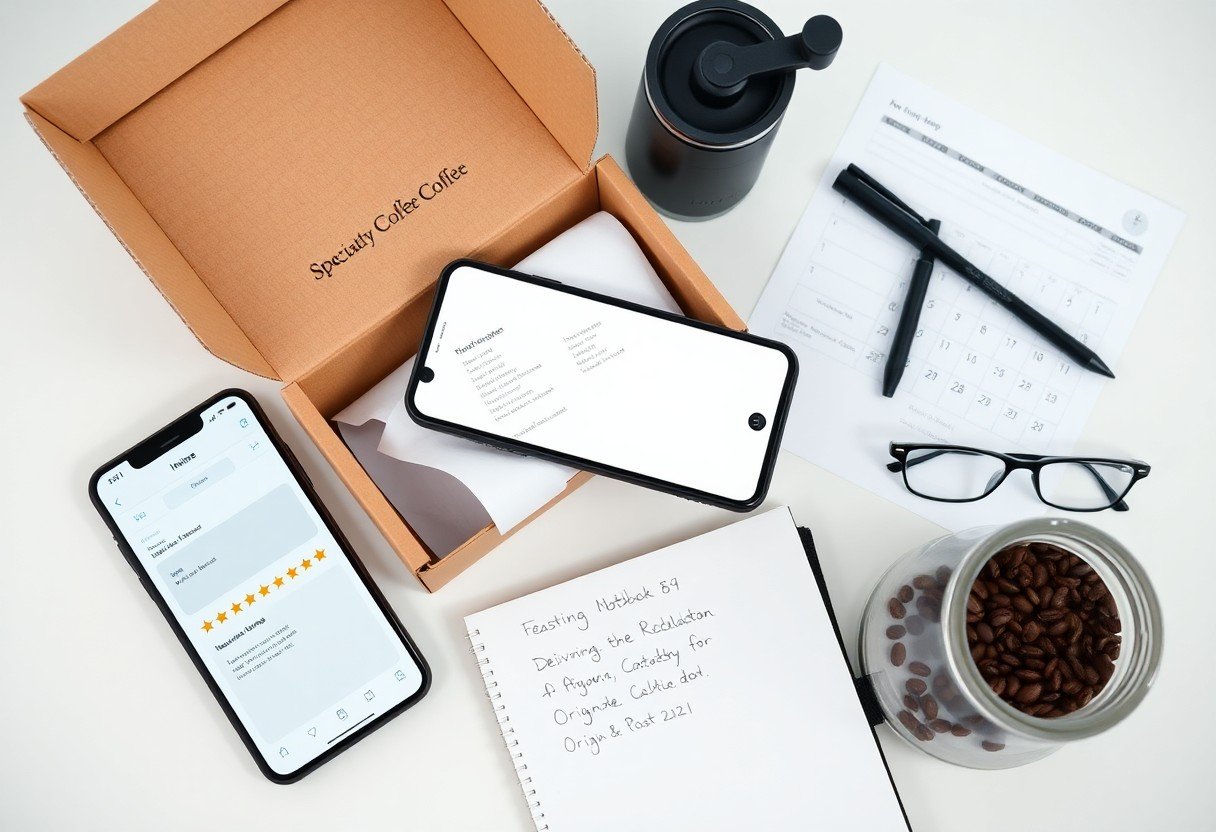
How to Build Long-Term Reader Trust
Consistency in publishing clear, honest reviews helps you become a reliable source over time. You should keep review structure, disclose tasting conditions, and update past posts when your view changes so readers learn to expect honest, comparable assessments.
Transparency about your tasting methods and sourcing will show readers you have nothing to hide. You can list brew parameters, roast dates, and sample provenance so readers can judge how your experience maps to their setup.
Disclosing affiliate relationships and sponsorships
Disclose any affiliate links or sponsorships prominently so readers know when you might earn from recommendations. You must explain how partnerships affect compensation and confirm that ratings remain independent, which reduces suspicion and strengthens trust.
Balancing objective data with subjective experience
Blend objective metrics-brew ratios, roast date, origin-with clear tasting notes so readers see both facts and flavor context. You should use consistent scoring and note your palate preferences to help readers interpret scores relative to their tastes.
Provide a short legend for your scoring system and a palate profile so readers can compare reviews across posts. You might include blind-test results or repeat trials to show when subjective impressions align with measurable differences.
Summing up
Considering all points, you prioritize transparent sourcing, clear tasting notes, brewing context, honest pros and cons, photos, and disclosure of affiliations so readers trust your specialty coffee subscription review. Consistent follow-ups, measured ratings, and responsiveness to subscriber feedback demonstrate credibility and help you build a reliable, long-term audience.
FAQ
Q: What should I disclose at the top of a specialty coffee subscription review?
A: Disclose any financial relationships, free samples, discount codes, or affiliate links and the date you received the coffee. State how much you paid, whether the roaster knew you were reviewing, and the testing timeline (single bag test or multi-month subscription). Declare the brewing equipment and grind settings used so readers can judge repeatability.
Q: How should I structure the review to build trust with readers?
A: Open with a concise TL;DR summary that states the overall impression and who the subscription suits. Follow with specific sections: subscription details (price, frequency, roast date policy), packaging and freshness, tasting notes with brewing methods, customer service and shipping experience, pros and cons, and a clear verdict. Use headers, bullet points, and a short rating table so readers scan quickly and verify claims.
Q: What testing protocol produces credible tasting notes?
A: Test the coffee using at least two brewing methods (e.g., pour-over and espresso or AeroPress) and repeat each once to check consistency. Use a consistent dose and water temperature and report them (example: 18 g : 300 g water, 94°C). Note roast date, bag weight, packaging date, and whether beans were rested after opening. Perform a blind comparison if possible and record every observation immediately to avoid retrospective bias.
Q: How do I write sensory descriptions that sound authentic rather than fanciful?
A: Anchor sensory notes to measurable attributes: acidity (bright, mild), body (thin, syrupy), sweetness level, and aftertaste length. Use specific, familiar references (dried cherry, brown sugar, dark chocolate) and explain context (e.g., “bright citrus on pour-over, deeper chocolate on espresso”). Quantify intensity on a simple scale and explain any uncommon descriptors so readers can replicate or test your claim.
Q: How should I handle negative experiences or inconsistencies?
A: Describe the problem precisely, how often it occurred, and the testing conditions that produced it. Offer screenshots or timestamps of emails for customer service interactions and note responses or resolutions. Suggest troubleshooting steps for readers (grind finer/coarser, adjust ratio, contact support) and say whether you accepted a replacement, refund, or continuing shipments.
Q: What non-coffee factors should I evaluate for a subscription service?
A: Rate packaging protection, clarity of roast dates, shipping speed and tracking, ease of changing or cancelling subscriptions, customization options (grind size, flavor profiles), cost per ounce compared to competitors, and perks like sampler packs or member-only roasts. Assign simple scores (1-5) to each category and show a weighted average so readers see trade-offs clearly.
Q: How can I present the review to maximize transparency and long-term trust?
A: Include clear photos of the bag, roast date, and brewed cups; embed short videos of the grind and pour if possible. Timestamp the review and promise an update after four to eight weeks of regular service. Link to the subscription terms and show any communications with the roaster. Invite reader questions and publish follow-ups that confirm whether early impressions matched long-term experience.