
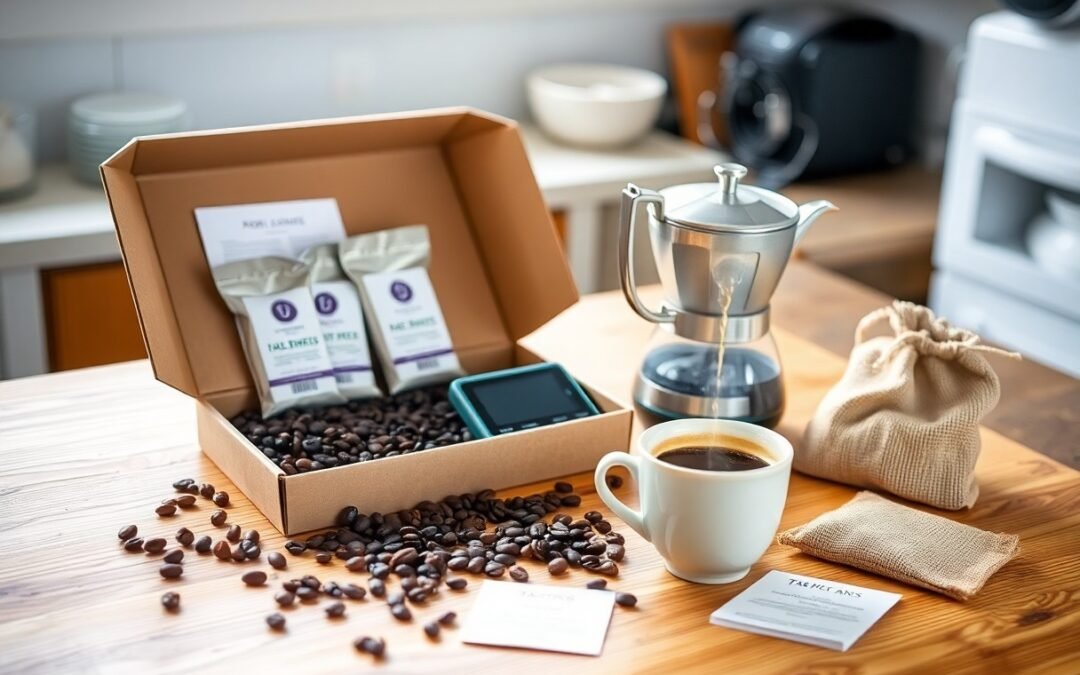
Many specialty coffee subscriptions introduce you to single-origin beans, tasting notes, roast levels, and brewing tips so you can assess freshness, flavor preferences, and value from your first box with confidence.
Key Takeaways:
- First box usually contains freshly roasted single-origin or blended beans, roast date and tasting notes, plus options for grind size to match your brewer.
- Tasting notes include flavor descriptions and brewing suggestions, with sample-sized portions or varied roasts to help you compare profiles.
- Subscription logistics cover flexible delivery cadence, easy pauses or swaps, and clear pricing and shipping details so you know what to expect each month.
The Fundamentals of Specialty Grade Beans
Specialty beans score above 80 points and deliver clearer, more defined flavors, so you can expect tasting notes that reveal origin and processing in your first box. When choosing a subscription, consult curated roundups like The Best Coffee Subscriptions to Keep You Wired in 2026 to match roast styles and flavor profiles to your preferences.
You will notice single-origin lots and varied processing methods more often than commodity blends, which helps you refine what you prefer from subsequent deliveries.
SCAA Quality Standards and Scoring
SCAA scoring breaks down aroma, flavor, acidity, body, aftertaste and balance, and you can use those scores to compare boxes, prioritize tasting notes, and set expectations for cup quality.
The Importance of Traceability and Roast Dates
Traceability records origin, farmer and lot details so you can verify ethical claims and flavor consistency, while roast dates reveal freshness-aim for beans roasted within the last two weeks for peak expression.
If you want greater control, favor subscriptions that list micro-lot or farm-level info and clear roast dates, then store beans in an opaque, airtight container away from heat to preserve the profile the roaster intended.
Unboxing: The First Impression
Opening the box, you’ll notice clean organization, clear roast dates, and prominent origin labels that signal quality.
Contents are usually arranged to separate single-origin samples, blends, and accessories so you can compare beans side by side.
Premium Packaging and Sustainability
Packaging often uses resealable bags with one-way valves and insulated liners to protect aroma and roast integrity during transit.
Sustainability information varies, so look for direct trade details, farm stories, or certifications that match your values.
Educational Inserts and Brewing Guides
Guides typically list grind size, dose, water temperature, and extraction time so you can reproduce the roaster’s recommended brew.
Inserts often include tasting notes, origin context, and a flavor wheel that trains you to identify key aromas.
Technique notes explain how variables like grind distribution, pour rate, and agitation affect clarity and body, helping you dial in a consistent cup.
Customizing Your Flavor Profile
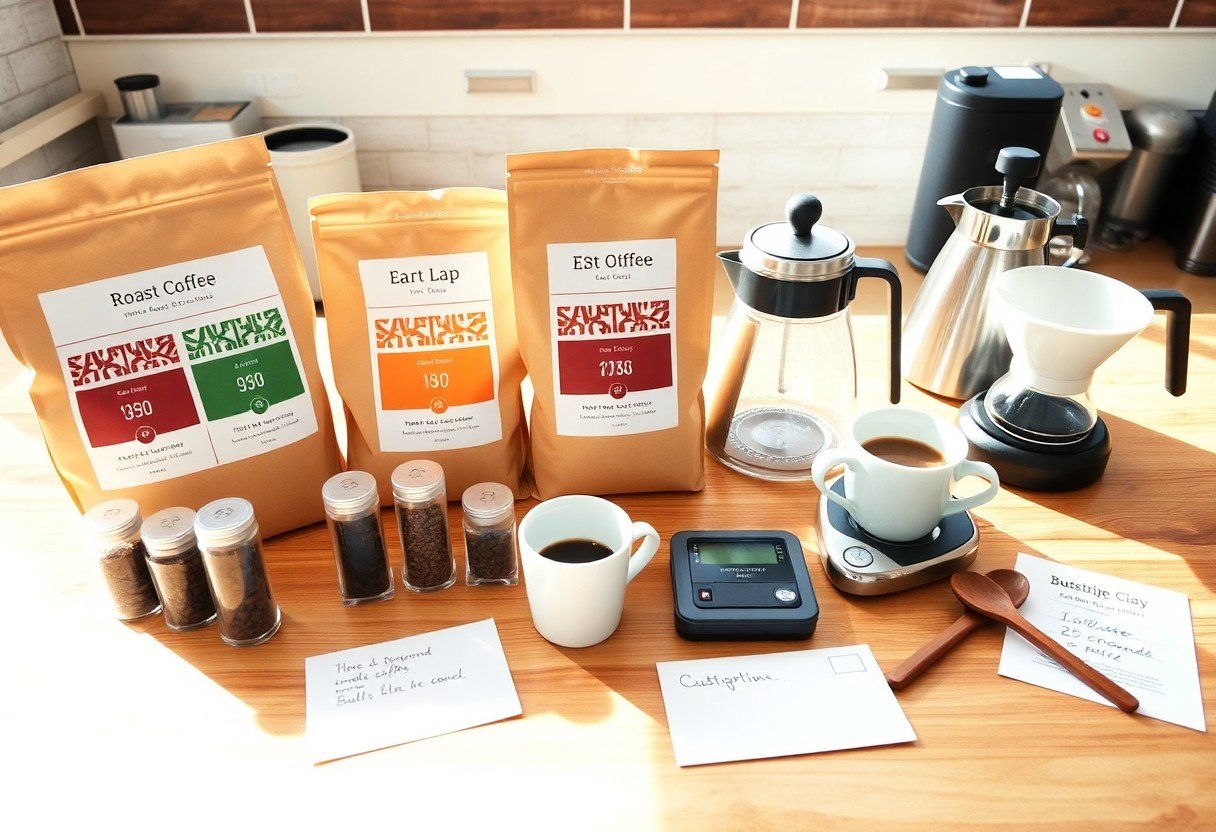
When you set preferences in your subscription profile, you direct the roaster toward acidity, body, and sweetness levels you enjoy, plus any flavor notes you dislike. You can also indicate brewing methods so each box arrives tailored to how you extract coffee at home.
If you want to tweak over time, most services let you update preferences between shipments, pause boxes, or request specific tasting notes. You’ll refine selections quickly by rating samples and noting which beans you brew most often.
Selecting Between Single-Origin and House Blends
Choosing single-origin gives you distinct regional character-think fruity Ethiopian or chocolaty Colombian-while house blends aim for consistent balance across shipments. You should rotate between both to experience unique terroirs and reliable daily cups, using single-origins for tasting and blends for steady mornings.
Tailoring Roast Levels to Your Equipment
Match roast level to your brewer: light roasts highlight origin clarity and suit pour-overs and AeroPress, medium roasts work well with auto-drip and most espresso setups, and darker roasts deliver fuller body for French press or moka pot extraction. You’ll get clearer flavor or heavier body depending on that choice.
Testing small bags at different roasts helps you learn what your grinder and machine prefer; adjust grind size and dose accordingly, then update your subscription to favor the roast that gives the best extraction in your routine.
Evaluating Subscription Logistics
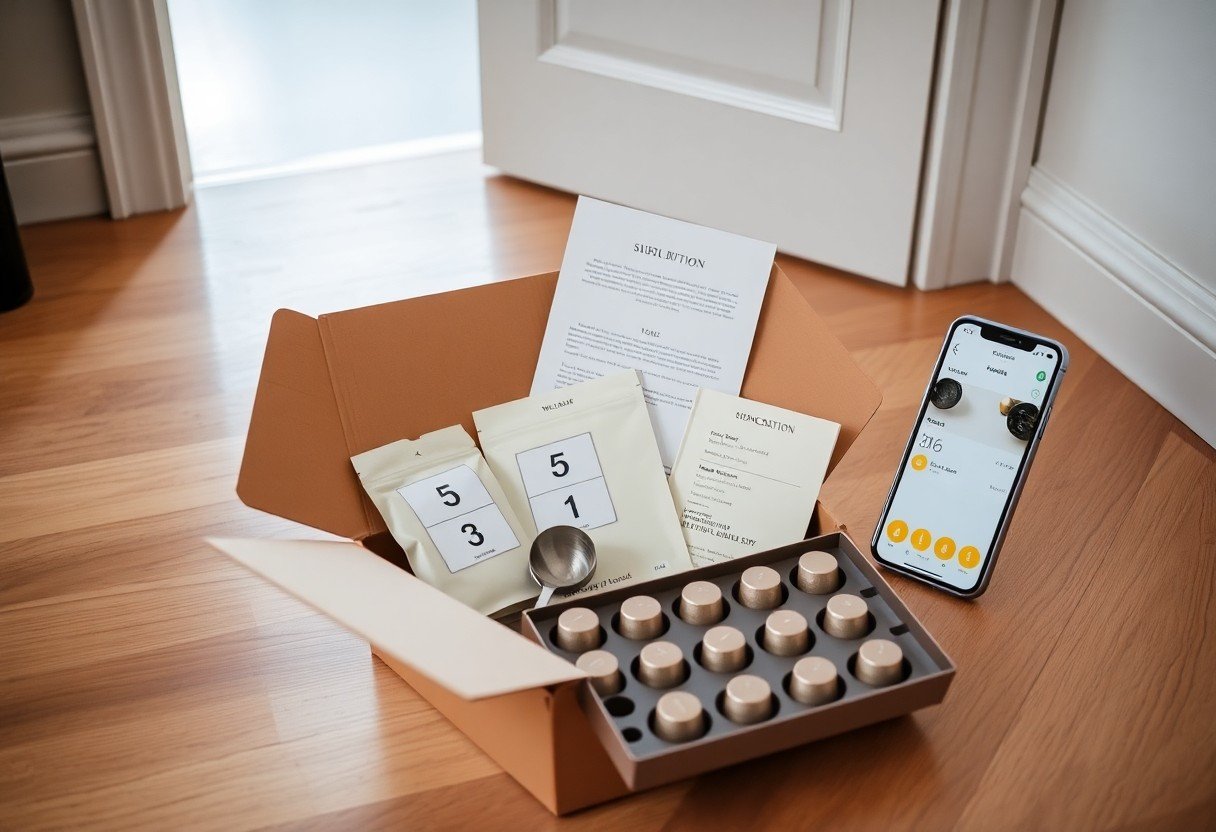
Check the delivery cadence, roast dates printed on bags, and how many grams you receive; that directly affects your taste and cost per cup.
Expect clear shipping windows, reroute options, and roast-date guarantees or refund policies so you know how the company handles stale or delayed shipments.
Shipping Frequency and Freshness Guarantees
Shipping schedules should match how quickly you drink coffee-weekly or biweekly for daily drinkers, monthly for occasional brews you enjoy.
Freshness guarantees matter because you want beans within days of roast; look for explicit roast-date labeling and a replacement or refund promise if your beans arrive stale.
Managing Account Flexibility and Cancellations
Control your schedule through the account portal so you can pause, skip, or change grind settings before the next shipment.
Adjustments to delivery frequency and bag size are often allowed without penalties, but check how close to the billing cutoff you must make changes.
Cancellation rules differ by provider; verify whether you receive a refund, prorated credit, or face return shipping fees so you avoid surprises if you stop the service.
The Sensory Experience of the First Brew
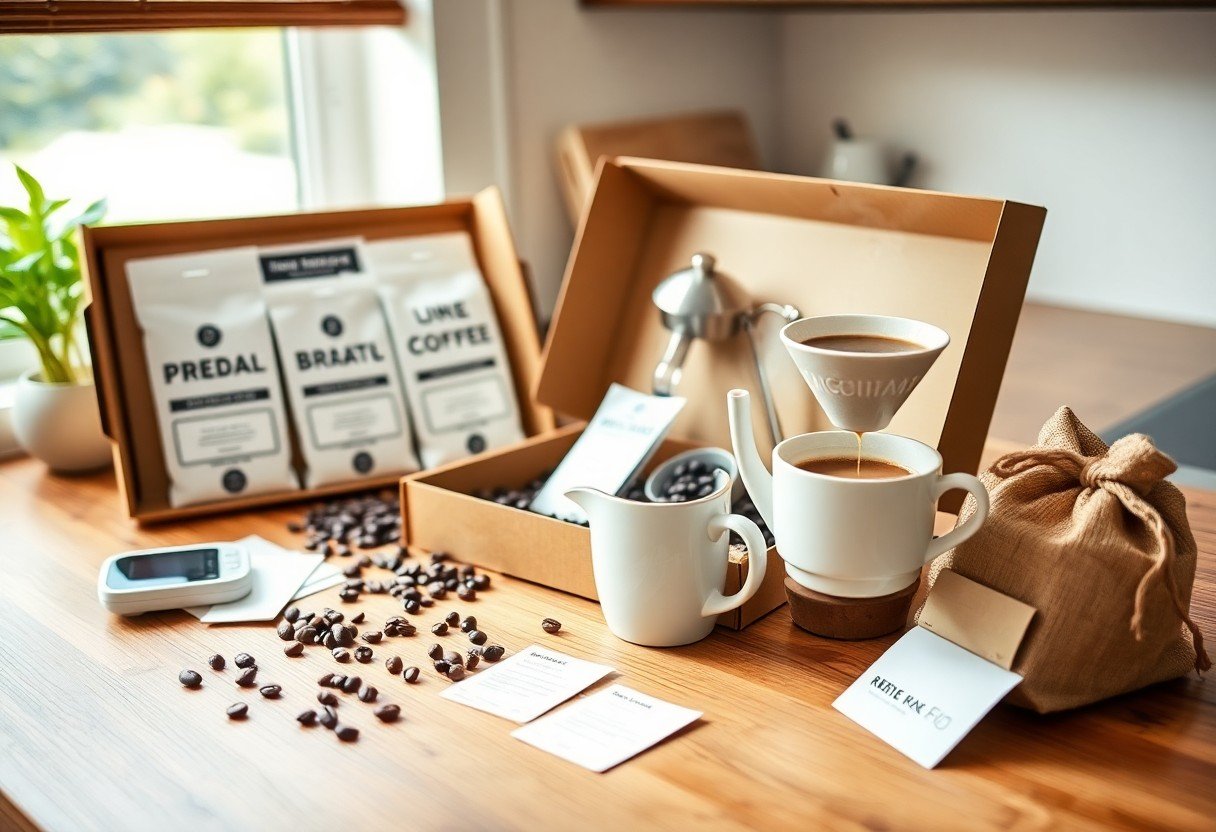
You’ll notice the first brew reveals the subscription’s roast profile, body, and balance, showing whether beans were roasted for clarity or sweetness.
Expect subtle development as your cup cools, with midtones and acidity becoming clearer within minutes.
Aroma Development and Bloom Quality
Observe the bloom to judge freshness and roast timing; you can tell by how lively the grounds foam and how quickly floral and fruity aromatics rise.
Complexity and Flavor Clarity Analysis
Assess how distinct notes separate on your palate, checking whether fruit, sugar, and origin characteristics come through cleanly or blur together.
Note the aftertaste length and transitions between flavors, since you’ll find longer, evolving finishes often indicate careful processing and layered complexity.
Summing up
From above you can expect clear information on bean origin, roast level, tasting notes, and simple brewing guidance in your first specialty coffee subscription box. You will receive small, curated samples that let you compare flavors, learn preferences, and adjust grind and brew settings so upcoming deliveries match your taste and routine.
FAQ
Q: What typically arrives in my first specialty coffee subscription box?
A: The first box usually contains one or more freshly roasted bags of coffee, a card with roast date and tasting notes, information about the farm or producer, and basic brewing tips. Trial-size samples or single-serve pouches sometimes appear in introductory boxes. Some subscriptions add a welcome note, discount codes, or small gear like filters or a scoop.
Q: How fresh will the coffee be and how is the roast date handled?
A: Most specialty roasters ship within days to a couple of weeks of roast, and the roast date appears on the bag or info card. Subscriptions that roast-to-order will show very recent roast dates. Expect peak flavor two to four weeks after roast for many beans; darker roasts peak faster. If roast date is missing, contact customer service for confirmation before brewing.
Q: Will the box include single-origin beans or blends, and how are tasting notes presented?
A: Boxes often mix single-origin offerings with house blends depending on the roaster’s curation goals. Tasting notes arrive as concise flavor descriptors (fruit, cocoa, floral, acidity, body) and may include recommended brew methods and ideal dose ratios. Specialty roasters usually explain processing method and altitude to help interpret tasting notes.
Q: Can I choose grind type and will the beans suit my brewer?
A: Most subscriptions allow grind selection at signup (whole bean, drip, pour-over, espresso, French press). Pre-ground coffee is convenient but loses freshness faster than whole beans. Choose whole bean if you have a grinder; choose the grind setting that matches your primary brewer. If unsure, pick whole bean and test grind settings to dial in.
Q: What brewing instructions or recipes should I expect in the first box?
A: Expect one- to two-page brewing guides tailored to the featured beans with dose (g coffee per g water), grind suggestion, water temperature, brew time, and a simple recipe for at least one method (pour-over or French press). Some boxes include video links or QR codes for step-by-step demos. Follow the card as a starting point and adjust by taste.
Q: How does packaging and sample size affect freshness and the trial experience?
A: Bags with one-way valves and resealable zippers preserve freshness; smaller bag sizes let you sample more coffees before staling. Larger bags offer value but require careful storage if not consumed quickly. Entirely sealed sample packs are great for single-cup testing and comparing multiple coffees without committing to full bags.
Q: How easy is it to manage, skip, or cancel the subscription and what about shipping and returns?
A: Most subscription platforms offer online account controls for pausing, skipping, or canceling deliveries and for changing preferences like grind and flavor profile. Shipping policies vary; expect standard carriers and occasional delays for international orders. Returns for coffee are rare unless packaging is damaged; many roasters offer credit or replacement if quality issues arise-check the specific provider’s policy before subscribing.