
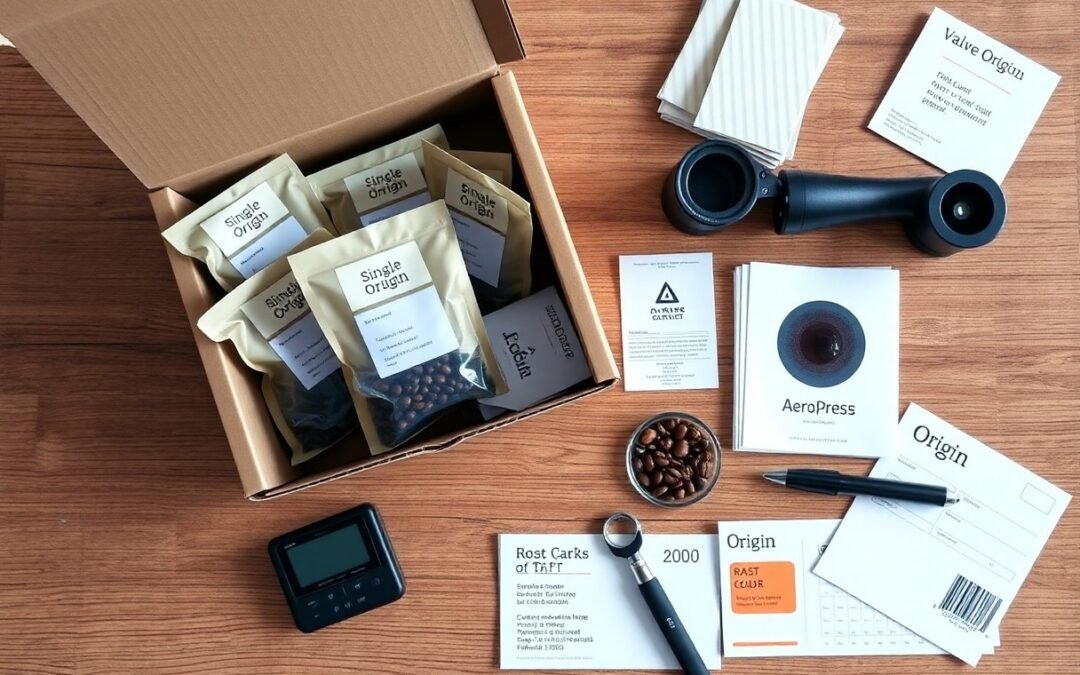
Discovery puts you ahead: learn tasting cues, roast profiles, and shipping practices so you can spot rare beans and reliable roasters; consult community threads like Are there any actual good coffee subscriptions? to compare experiences and refine picks.
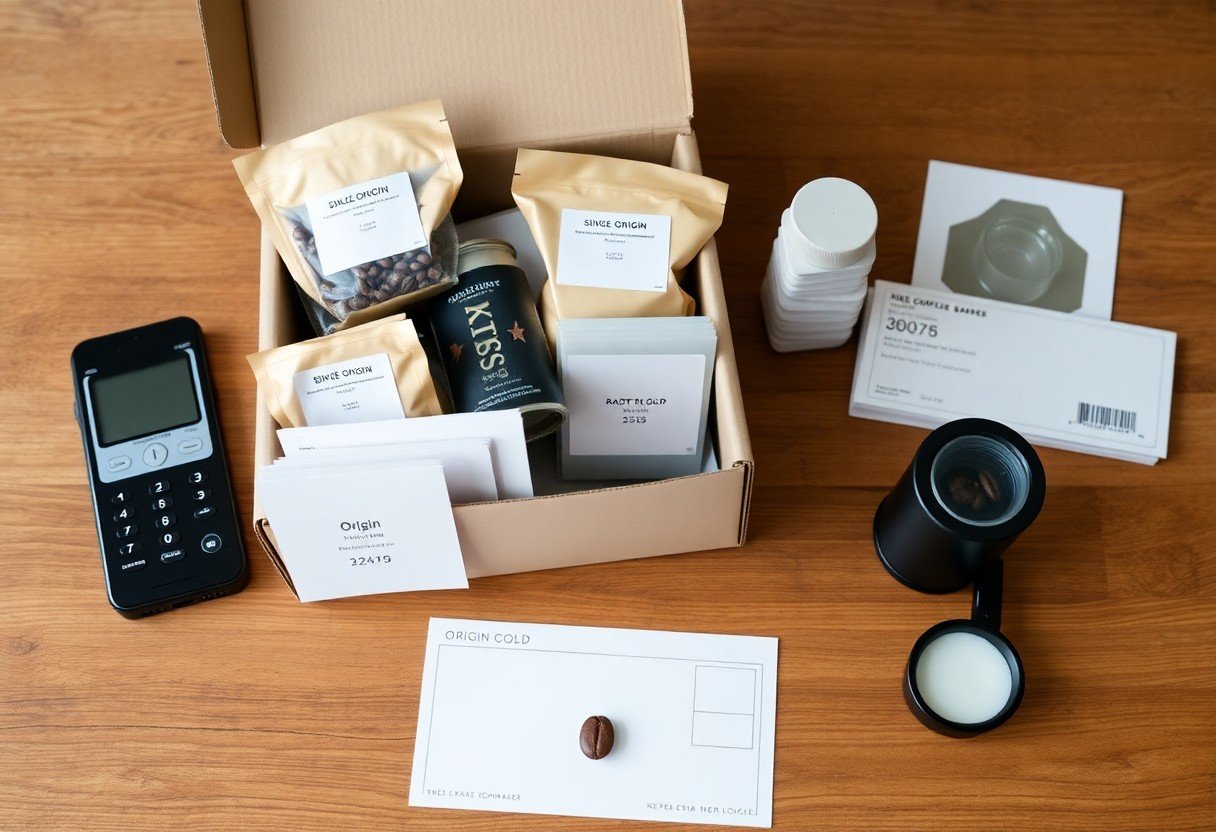
Key Takeaways:
- Choose subscriptions that publish origin, processing, roast-date, and farm or microlot info; single-origin and small-batch drops often hide standout coffees.
- Use sampler or discovery plans and set shorter delivery intervals to taste more varieties without long commitments.
- Engage with roasters and other subscribers through reviews and preference settings; request recommendations or swap notes to surface lesser-known favorites.
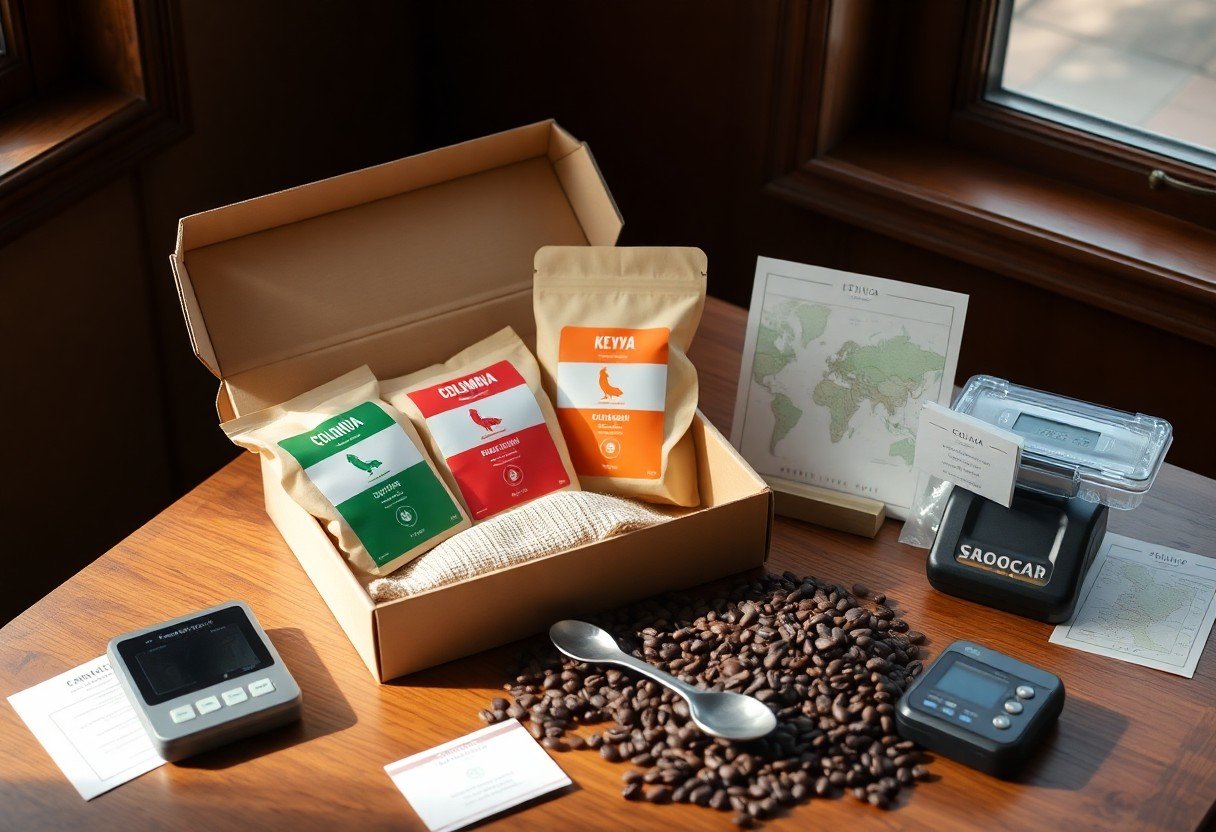
Identifying Key Factors of Premium Coffee Sourcing
Quality sourcing reveals the difference between traceable specialty lots and generic blends; you should evaluate origin specificity, processing transparency, and direct payment practices to spot subscriptions that curate exceptional beans.
- Origin traceability: farm, region, lot
- Processing transparency: method and post-harvest notes
- Producer compensation: premiums, direct payments, or premiums recorded
Assume that you prioritize origin specificity, clear processing notes, and documented producer payments when choosing a subscription that uncovers hidden gems.
Transparency in Direct Trade Relationships
Look for subscriptions that publish farm names, payment terms, and cooperative structures so you can verify fairness claims and assess whether farmers received measurable premiums for quality.
Evaluating Roasting Profiles and Freshness Standards
Assess roast dates, profile descriptions, and cupping notes so you can match roast style to origin characteristics and avoid overroasted or ambiguous listings that mask provenance.
Consider packaging dates, roast-to-ship windows, and one-way valve bags; you will experience clearer acidity, sweetness, and aroma when beans ship within two weeks of roast and arrive properly sealed.
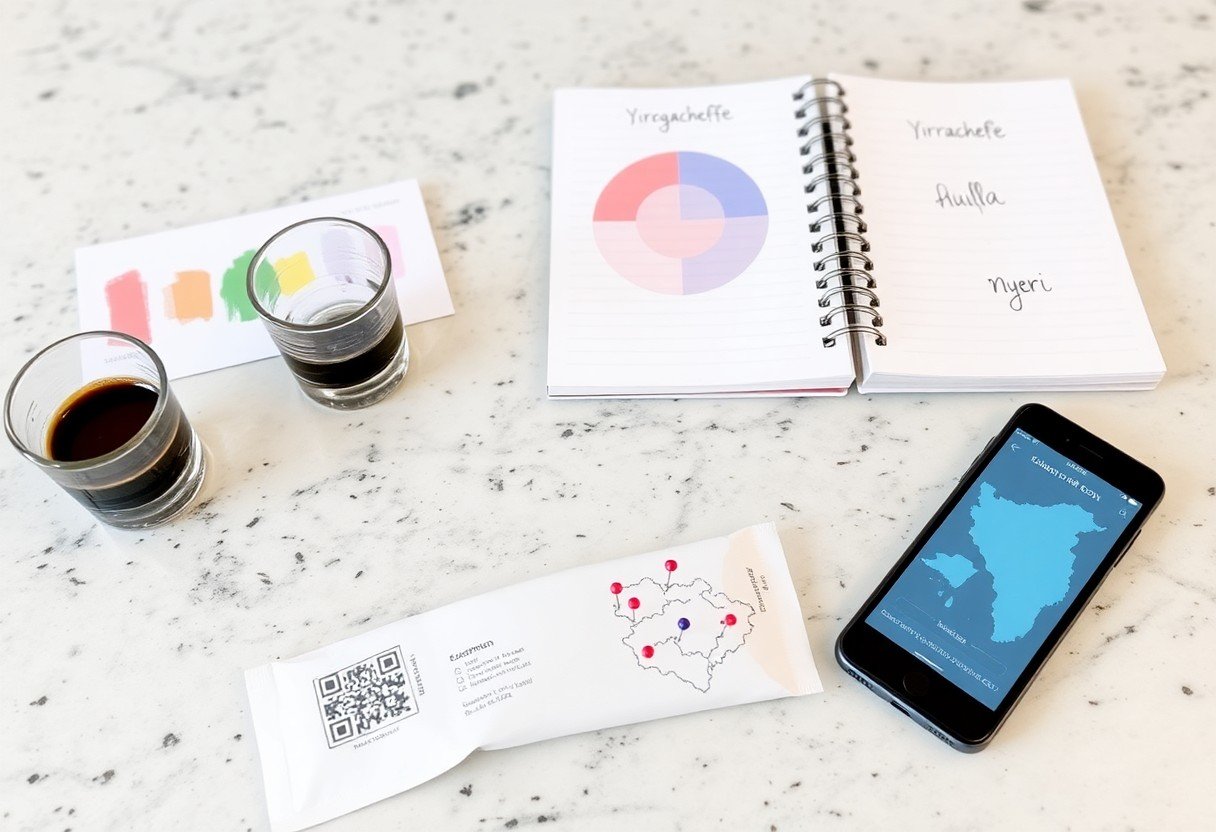
How-to Decode Flavor Profiles and Regional Characteristics
You can learn to match tasting notes to origins by noting common regional signatures: Ethiopian lots often show floral and tea-like brightness, Central American beans present clarity and citric acidity, while South American coffees trend toward chocolate and nutty body.
Understanding the Influence of Origin and Elevation
Elevation shapes acidity and aromatic complexity, so high-altitude coffees typically offer brighter acidity and layered flavors while lower-altitude beans present fuller body and sweeter, cocoa-like notes you can expect from subscription listings.
Interpreting Processing Methods and Tasting Notes
Processing methods determine sweetness, fruit intensity, and body: washed coffees show clean, crisp clarity; natural-processed lots carry jammy, fermented fruit character; honey processes sit between, offering sweet syrupy texture you can prefer.
Tasting samples side-by-side helps you identify processing cues-compare mouthfeel and aftertaste to pick naturals for fruity intensity or washed lots for floral clarity when choosing future subscription offerings.
Essential Tips for Personalizing Your Subscription Experience
Tailor your profile by updating flavor preferences, roast level, and brew methods after each delivery so roasters can better match selections to your taste. Track which origins and processes you enjoy to guide future boxes and avoid repeats.
- Rate each box immediately
- Note brew method and extraction details
- Flag favorites and disliked coffees
- Adjust bag size and frequency in settings
This practice sharpens recommendations and uncovers small-batch lots that align with your evolving palate.
Leveraging Feedback Loops to Refine Your Palate
You can keep a concise tasting log in the app noting acidity, body, sweetness, and memorable descriptors; your comments help roasters and curators tune future selections. Share blind-tasting notes and rate samples to see patterns in what consistently delights you.
Managing Delivery Frequency for Optimal Freshness
Adjust your delivery cadence based on how quickly you consume coffee and the roast date: weekly for heavy drinkers, biweekly for steady use, and monthly to limit staling while still discovering new beans.
Monitor roast dates on bags and set shipments to arrive within two to three weeks of roast to ensure peak aroma and flavor.
How-to Distinguish Between Multi-Roaster and Single-Roaster Models
Distinguishing multi-roaster subscriptions from single-roaster options helps you decide whether you prefer broad tasting variety or a deep, consistent expression of a single producer’s style.
Consider subscription frequency, tasting notes, and roast-date transparency so you can align deliveries with your brewing habits and minimize stale beans.
Navigating the Variety of Curated Multi-Roaster Boxes
Curated boxes let you sample distinct roaster profiles in a single shipment, so you can train your palate and identify favorites efficiently.
Sampling across origins and roast styles teaches you which attributes you value most and informs smarter one-off purchases or future subscription choices.
Assessing the Consistency of Single-Origin Specialists
Specialists who focus on single origins tend to deliver consistent processing and flavor notes, which makes it easier for you to predict cup character week to week.
Expect detailed origin information and repeat roasts from reputable specialists, allowing you to build ritual and dial in your brewing precisely.
Sourcing transparency, lot numbers, and roast-date consistency let you measure quality control so you can compare seasons or micro-lot releases and select subscriptions that match your taste over time.
Critical Factors in Assessing Subscription Value and Ethics
Assessing subscription value means weighing transparent sourcing, roast-date visibility, and consistent freshness against the subscription’s true cost and the producer relationships behind it so you know what you’re actually supporting.
- Origin traceability and farm partnerships
- Roast dates, packaging features, and shipment cadence
- Price-per-ounce, discounts, and commitment length
- Producer premiums, direct-trade practices, and certifications
- Tasting variety, sample options, and roast profiles
After you verify claims with independent ratings and compute cost-per-cup alongside ethical disclosures, decide whether the subscription aligns with your taste priorities and sustainability expectations.
Analyzing Pricing Structures and Sustainability Practices
Compare subscription tiers by calculating effective cost-per-ounce, factoring in shipping and commitment discounts so you can judge real value; you should also assess trial options and sample roasts before committing long term. You should prioritize roasters that disclose payments to producers, report sustainability metrics, and offer tangible farmer support rather than vague ethical claims.
Evaluating Packaging Quality and Environmental Impact
Inspect packaging for clear roast dates, one-way degassing valves, resealable closures, and material labels so you preserve freshness and understand disposal routes. You should check whether materials are recyclable or certified compostable in your area before assuming low impact.
Check brand commitments on packaging life-cycle, such as refill programs, bulk options, or take-back schemes, and favor suppliers that publish verifiable data on packaging impacts rather than marketing claims.
Consider scanning QR codes or contacting customer service to confirm disposal instructions and certifications (industrial compostability, BPI, or local recycling compatibility) so your subscription choices truly reduce environmental harm.
Pro Tips for Maximizing the Potential of Rare Micro-Lots
Focus on roast date and micro-lot provenance: prioritize beans roasted within two weeks, request processing and altitude details, and split tiny batches for separate trials so you can compare roast levels and reveal fleeting aromatics. You should cup small pours and note which roast profiles highlight the varietal’s best qualities.
- Ask your roaster for roast date and lot size
- Request processing, altitude, and varietal details
- Run small cuppings across roast levels
- Log results and reorder selectively
This practice turns rare micro-lots into repeatable discoveries you can reorder or share.
Fine-Tuning Extraction for Unique Coffee Varietals
Adjust grind, dose, and contact time in small increments to coax hidden flavors from unusual varietals; coarser grinds can open delicate florals while finer adjustments increase sweetness and body. You should taste side-by-side and keep one variable constant so you can isolate the impact of each change.
Utilizing Sensory Journals to Track Hidden Gems
Record every variable: roast date, origin, processing, grind setting, water temperature, brew ratio, and tasting descriptors so you build a searchable archive of results. You will begin to see which profiles suit specific micro-lots and which brewing tweaks consistently improve clarity and balance.
Analyze entries regularly by scoring acidity, body, sweetness, and aftertaste, and tag standout lots for reorder consideration; a simple numeric system helps you compare sessions and justify subscriptions. You can set score thresholds that flag beans worth tracking further.
Track sensory notes visually with color-coded tags, photos of grounds and crema, and a field for brewing anomalies so you can reproduce successes and troubleshoot off days.
Final Words
With this in mind you can refine your subscription choices by sampling variety packs, checking roast dates and origin notes, and requesting small-batch or single-origin options. You should keep a tasting log, compare reviews and trial offers, and tweak grind and brew to reveal nuanced flavors. Over time you will spot dependable roasters who consistently deliver surprising, distinctive beans.
FAQ
Q: What defines a “hidden gem” in specialty coffee subscriptions?
A: A hidden gem is a small-batch or single-origin offering that features uncommon varietals, rare processing methods, or transparent producer stories not widely distributed. Taste complexity, clear roast dates, limited quantities, and direct relationships with producers signal a subscription that sources these gems. Small roasters or guest roasters featured alongside regular offerings often supply experimental or micro-lot coffees that larger platforms do not carry. Value comes from consistent freshness, clear tasting notes, and evidence of ethical sourcing rather than just marketing language.
Q: How can I evaluate a subscription service to find lesser-known roasters?
A: Check the roaster roster and look for rotating guest roasters or micro-lot sections instead of a fixed, large catalogue. Read sourcing and producer pages for transparency about farms, lots, and processing; services that publish farm-level info usually work with smaller producers. Scan social media and third-party reviews for mentions of rare releases and small-run drops. Ask customer service about how often they introduce new roasters and whether they offer single-shipment or trial options.
Q: Which subscription features most often reveal hidden gems?
A: Tasting flights, sample packs, and monthly “micro-lot” or “single-origin discovery” boxes are primary features that expose uncommon coffees. Roast-by-date labeling and smaller roast batch sizes show a focus on freshness and traceability, which correlate with specialty micro-lots. Detailed tasting notes, processing descriptions, and varietal information help you spot unique profiles like anaerobic fermentation or heirloom varietals. Options to customize preferences by origin, processing, or flavor profile increase the chance of receiving surprises you enjoy.
Q: How should I read tasting notes and roast info to spot unusual beans?
A: Focus on processing terms and varietal names in addition to flavor descriptors; uncommon processes such as extended fermentation, carbonic maceration, or natural on raised beds often yield distinct flavors. Look for specific producer or lot identifiers rather than generic origin tags like “Central America” alone. Compare roast dates to ensure freshness; lighter roast dates close to shipment indicate a roaster that prioritizes single-origin clarity. Use the tasting notes as a starting hypothesis and test them with your preferred brew method to evaluate authenticity.
Q: Are tasting flights and sample packs worth the cost for discovery?
A: Sample packs and tasting flights are the fastest, most cost-effective way to evaluate multiple small-batch coffees without committing to full bags. Blind or side-by-side tastings reveal which profiles and producers you prefer, helping you select subscriptions or single purchases that contain more hidden gems. Choose flights that include processing variety and different origins to expand your palate efficiently. Reuse the same brewing recipe across samples to reduce variables when judging each lot.
Q: How can I manage subscriptions to find hidden gems without overspending?
A: Start with the lowest-frequency plan or single shipment options and subscribe to one service at a time that emphasizes micro-lots or discovery boxes. Use pause, skip, or one-off purchase features to pick releases that look interesting rather than committing to every month. Share sample packs with friends to split cost and trade preferences for more variety. Track wins and misses in a simple log to refine which providers consistently deliver coffees you want to buy again.
Q: What are practical ways to support small roasters I discover through subscriptions?
A: Buy directly from the roaster’s online shop when a lot you love is available; direct purchases and subscriptions send more revenue to small producers. Leave detailed reviews and tag the roaster on social media to amplify exposure, and opt into mailing lists for micro-lot drops or auction releases. Visit local pop-ups, farmers’ markets, or tasting events where the roaster appears to build a direct relationship. Request re-releases or similar profiles from the subscription service to signal demand for the roaster’s work.